

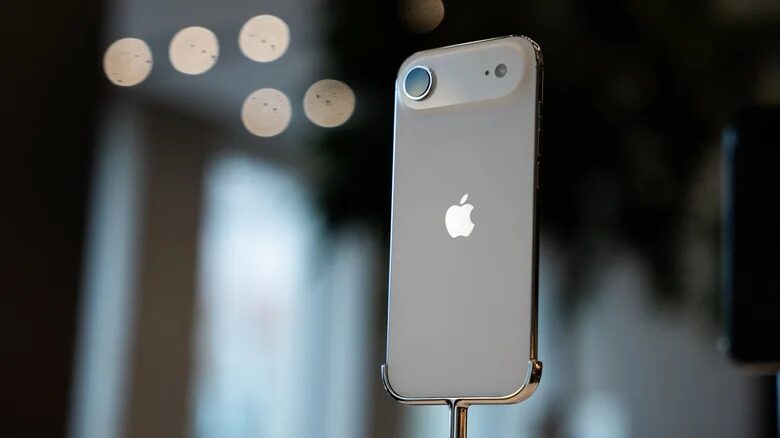
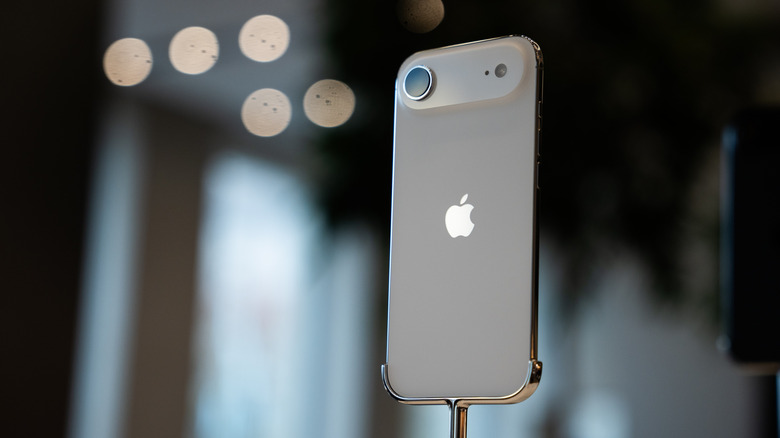
Apple’s iPhone Air is all about being slim, but the Android world has already been there, done that, and in a few cases gone even further. The iPhone Air measures 5.6 mm thick, and these Android phones are thinner in some cases by a wide margin. Some of the contenders are straight-up slabs; others are foldables with thickness asterisks big enough to need their own billing department. Either way, the list says a lot about where smartphone design has been heading: thinner bodies, bigger trade-offs, and fewer excuses for mediocre batteries.
Motorola Moto Z still looks absurdly thin
Back in 2016, Motorola made a premium phone that measured 5.2 mm thick and weighed just 136 grams. The Moto Z was not thin for fashion’s sake alone; it was built around Moto Mods, magnetic add-ons that could expand the phone with extras like a battery, speakers, or even a projector. That idea never became the industry default, which is a polite way of saying users liked the concept more than they liked buying accessories for it.
It also arrived with a Snapdragon 820 chip, 4GB of RAM, and a $499 price tag. The catch was predictable: a big camera bump and a 2,600 mAh battery. Thin phones tend to spend their spare millimeters somewhere, and Motorola clearly chose style and modularity over endurance.
Samsung’s Fold 7 wins on a technicality
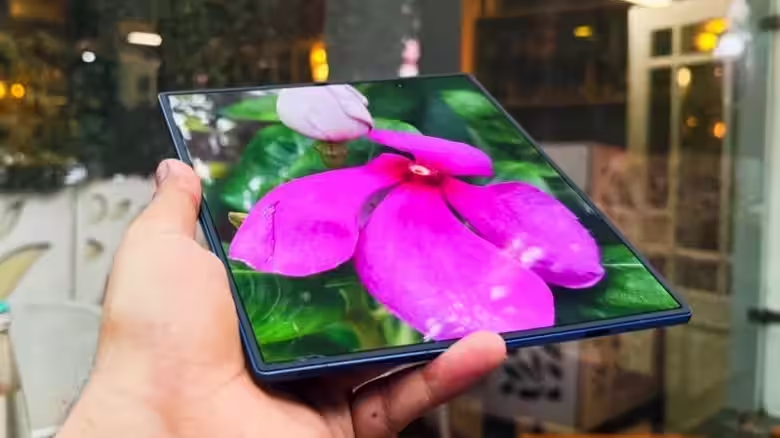
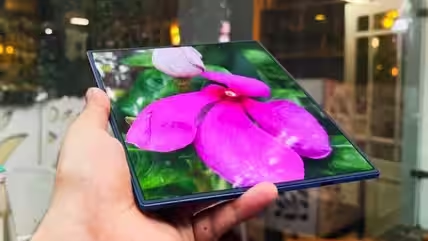
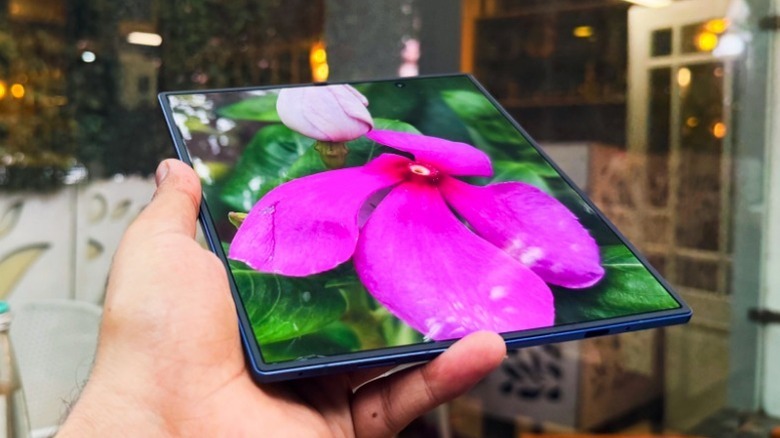
If you want a phone that is thinner than the iPhone Air only when opened like a book, Samsung’s Galaxy Z Fold 7 fits the brief. Folded, it’s 8.9 mm thick. Unfolded, it drops to 4.2 mm, which is enough to beat Apple’s 5.6 mm figure while also turning the whole comparison into a small geometry lesson.
That thinness comes with serious hardware:
- Snapdragon 8 Elite chip
- 12GB of RAM
- 256GB of storage
- 6.5-inch and 8-inch AMOLED displays
- $2,000 starting price
- 215 grams weight
It is lighter than plenty of ordinary slab phones, which is impressive until you remember it costs as much as a decent laptop and still folds in half.
Honor’s Magic V6 pushes even harder
The Honor Magic V6 goes thinner than the iPhone Air at 4.1 mm unfolded, and it does so while carrying the kind of battery capacity that makes most slim phones blush. Honor says the foldable uses Snapdragon 8 Elite Gen 5 silicon, 12GB of RAM, 256GB of storage, and a 6,850 mAh battery with 80W wired and 66W wireless charging.
Its base model costs 8,999 yuan in China, or around $1,310, though a global launch will likely push that higher. Honor has only said the phone will reach selected markets in the second half of 2026, which means the real competition is not just Apple and Samsung, but the usual regional pricing gymnastics that make flagship launches feel like a moving target.
The older thin-phone playbook was different
Not every entry on this list is a foldable flex. The Gionee Elife S7, unveiled in 2015, measured 5.5 mm thick and weighed 125 grams, while still fitting in a 13-megapixel camera, dual SIM support, a 5.2-inch Super AMOLED display, 2GB of RAM, and 16GB of storage. It was sold as a flagship in India, where it went up against the OnePlus One and Xiaomi Mi 4.
Gionee also managed to avoid a camera bulge, which feels almost quaint now. The company later filed for bankruptcy in 2018 and was acquired by Karbonn Mobiles, a reminder that a thin phone is not the same thing as a durable business model.
What Apple is really competing against
The iPhone Air’s 5.6 mm frame puts it in an interesting spot: it is thinner than most mainstream phones, but not thinner than the devices that were deliberately built to make a design statement. Samsung’s Galaxy S25 Edge, for example, already beat Apple to the ultra-thin punch by a sliver, which suggests this is less about one company’s genius and more about an industry-wide obsession with shaving fractions of a millimeter.
That obsession usually comes with the same compromise list: smaller batteries, fewer cameras, or a chassis that needs serious engineering to stay rigid. The next obvious question is whether consumers actually want the thinnest phone, or just one that looks thin without making everyday use feel like a chore. Phones keep getting sleeker; the battery anxiety, less so.