

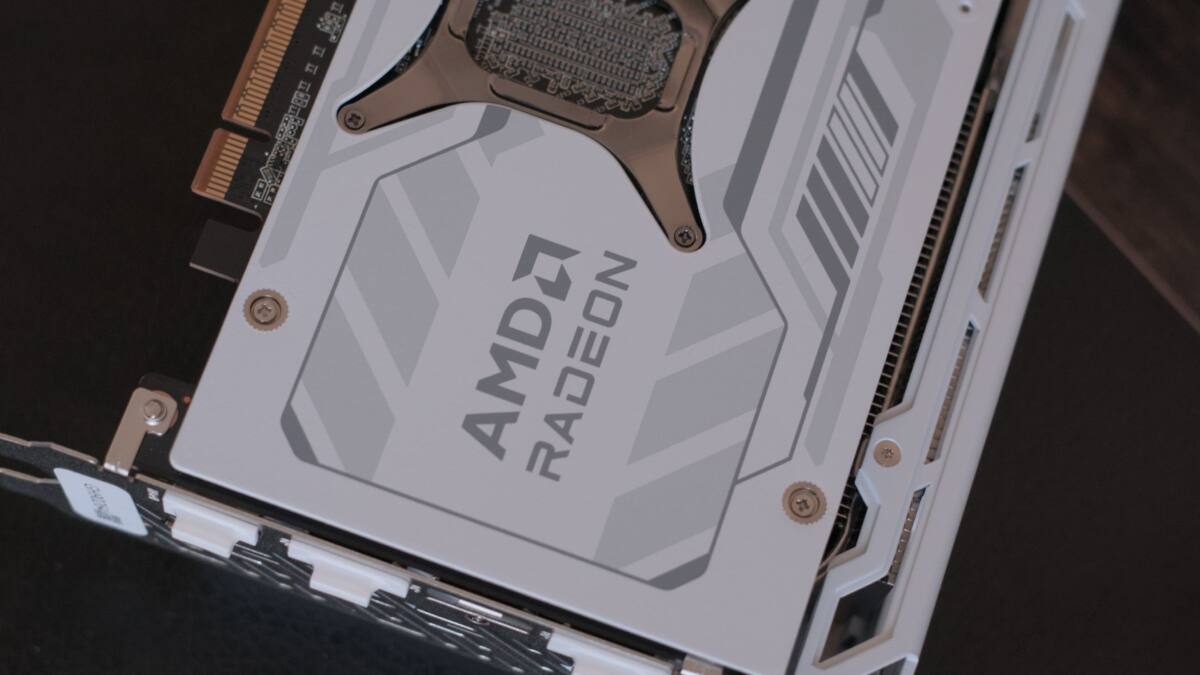
AMD’s latest upscaling technology, FSR 4, officially requires the brand-new RDNA 4 GPUs, frustrating users of older RX 6000 and RX 7000 series cards who have been sidelined despite their hardware’s capability. While AMD limits FSR 4 to its RX 9000 lineup, citing architectural needs, enthusiasts have found ways to run it unofficially on RDNA 2 and RDNA 3 GPUs using third-party tools, revealing that the restriction is more a marketing move than a technical necessity.
FSR 4 represents a significant leap forward compared to its predecessors, introducing AI-driven image reconstruction based on data formats like FP8, resulting in much cleaner visuals and better temporal stability. These improvements allow more aggressive upscaling presets, such as Performance mode at 4K, to deliver playable frame rates without sacrificing image quality. Despite these gains, only AMD’s RDNA 4 chips, with their FP8-heavy architecture, officially support the new upscaler, leaving earlier generations officially excluded despite having capable INT8 hardware.
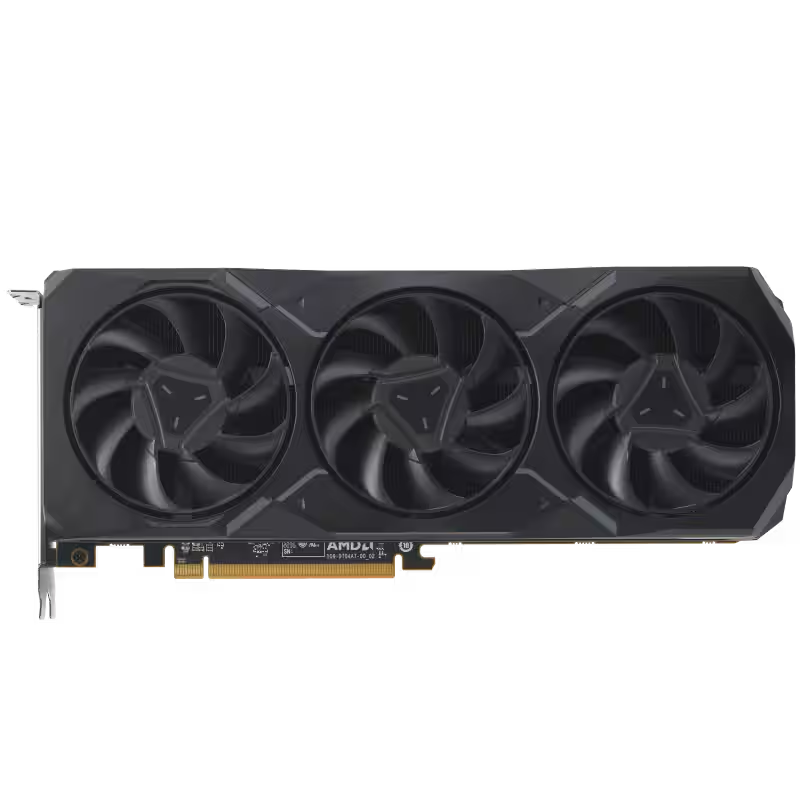
This artificial gating contrasts with Nvidia’s approach, which, although it restricts frame generation to newer architectures, still supports DLSS upscaling on older 20- and 30-series RTX cards without such harsh hardware locks. AMD’s approach feels less like a hardware limitation and more like a push to encourage costly GPU upgrades.
The good news: the enthusiast community didn’t let RDNA 2 and 3 owners down. About six months ago, a leaked version of the FSR 4 upscaler emerged, designed around INT8 instructions compatible with older GPUs. Linux users initially benefited first, but the Windows bridge arrived in the form of OptiScaler – a versatile tool that supports multiple upscalers, including DLSS, XeSS, and FSR, enabling users to load advanced upscalers in games even when the native GPU driver or game lacks support.

Setting up OptiScaler involves downloading its package from GitHub, injecting it into the target game’s executable folder alongside the leaked FSR 4 DLL file, and following on-screen prompts to activate the upscaler. Although FSR 4 won’t appear in game menus on RDNA 2 and RDNA 3 cards, selecting the latest FSR option triggers OptiScaler to run FSR 4 under the hood. This workaround unlocks impressive quality boosts almost on par with Nvidia’s DLSS 4.5, including sharper fine details, reduced motion artifacts, and more stable results at demanding settings.
For users of AMD’s RX 6000 or RX 7000 GPUs, this means their hardware still has untapped potential to extend its gaming lifespan. Visually, FSR 4 enhances foliage, thin geometry, and distant object rendering-areas where previous upscalers struggled. Performance-wise, users can utilize more aggressive presets like Balanced or Performance, pushing higher resolutions without visible compromise.
AMD’s long silence and refusal to officially support FSR 4 on RDNA 2 and 3 cards leaves a sour taste, especially since these GPUs can handle the workload with some software finesse. Until AMD reconsiders, OptiScaler remains the go-to solution, proving that the barriers are more political than physical. This scenario also highlights a broader industry challenge: balancing hardware innovation with fair support for existing users, especially when competitors like Nvidia offer more inclusive software support across GPU generations.
The question remains: will AMD ever officially unlock FSR 4, or even FSR 4.1, for older architectures? For now, the community effort to squeeze extra value from existing GPUs by breaking artificial limits is as much a statement on consumer power as it is about technical possibility.