

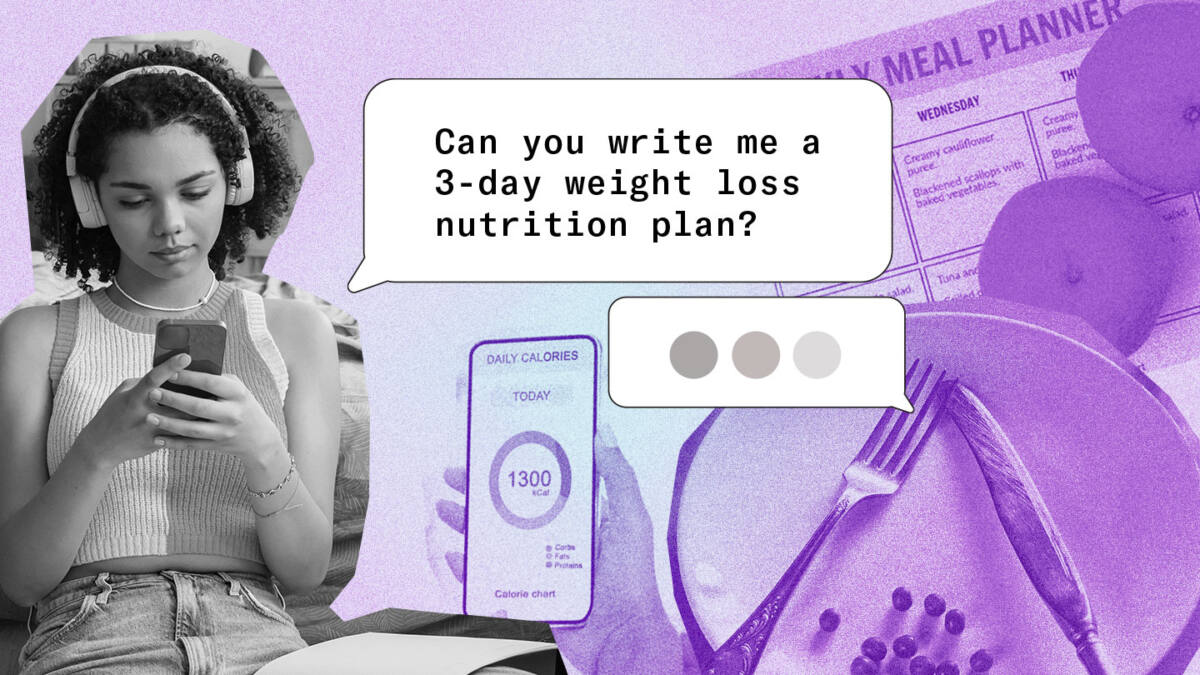
Artificial intelligence chatbots are increasingly used as sources of nutrition advice for teenagers, but a new study finds their meal plans often miss the mark-sometimes dangerously so. When asked to create three-day weight loss diets for fictional overweight or obese teens, five popular AI chatbots produced plans that were consistently too low in calories and carbohydrates and too high in protein and fat. These imbalanced diets averaged roughly 700 calories fewer per day than nutritionist-designed plans, raising concerns about their safety for growing adolescents.
The research, published March 12 in Frontiers in Nutrition, evaluated meal plans generated by ChatGPT-4o, Gemini 2.5 Pro, Claude 4.1, Bing Chat-5GPT, and Perplexity using prompts tailored for 15-year-olds of different genders and weight categories. Despite varied approaches, all models trended toward overly restrictive calorie intakes-close to cutting out an entire meal daily-and skewed macronutrient distributions. This imbalance poses serious risks during adolescence, a key period for bone and brain development, where adequate nutrition is critical.
Why AI nutrition plans fall short for teenagers
Researchers point to a lack of training data specific to teenage nutritional needs and the challenge AI faces in contextually understanding complex diet requirements as factors driving these misguided meal plans. Nutrition scientist Betül Bilen notes that ”AI tools are rapidly adopted but lack scientific validation for suitability in teens.” The chatbots may aggressively minimize calories to promote weight loss without recognizing the downside for adolescent growth. Furthermore, AI cannot assess nuances like existing health conditions, socioeconomic factors, or family dynamics that human dietitians consider essential when crafting healthy, individualized plans.
Experts warn that such unbalanced diets may inadvertently harm teens’ relationship with food, increasing the risk of disordered eating. Stephanie Partridge, a public health nutrition researcher, emphasizes that restrictive eating should only happen under professional supervision. The automated, unsupervised nature of AI-generated diets could exacerbate vulnerabilities in teens already grappling with body image and health struggles.
Teens’ interaction with AI nutrition advice
According to Pew Research Center data, 64% of American teenagers use AI chatbots, mostly for information and homework help. While concrete data on chatbot usage specifically for diet planning is limited, anecdotal evidence suggests some teens turn to these tools for quick nutrition guidance. Registered dietitian Stephanie Kile, working in virtual outpatient eating disorder treatment, encounters patients who rely on chatbot advice that often supports unhealthy beliefs about their bodies, complicating therapy.
Yet, not all teens treat AI advice as gospel. Researcher Rebecca Raeside highlights that many young users are aware of AI limitations and use chatbots as one of multiple informational sources. She advocates involving teens directly in research to better understand actual usage patterns and impacts. Betül Bilen calls for more studies examining how AI diet plans influence real-world eating behaviors and long-term health outcomes.
The findings raise a broader question about the readiness of AI tools in sensitive areas like adolescent health. While AI chatbots offer accessible, on-demand answers, their current nutritional guidance can be dangerously simplistic. Teens facing the complexities of growth and body image deserve carefully tailored advice that respects their unique needs-something AI is not yet equipped to provide.