

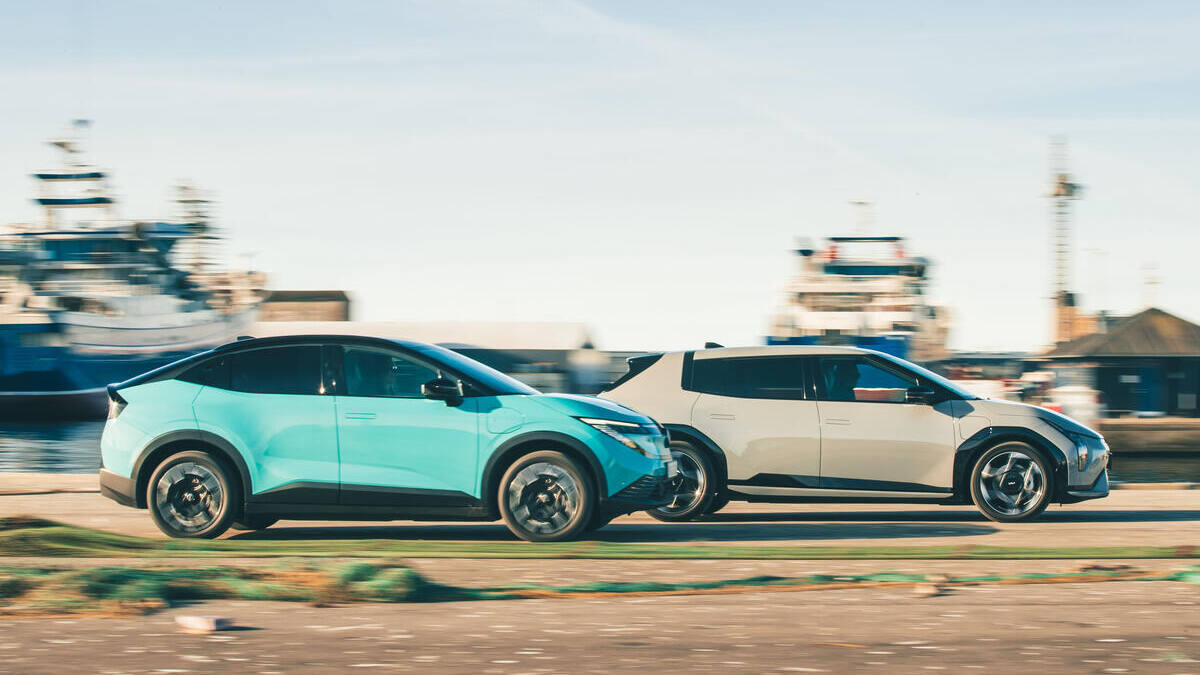
The surge in popularity of family-sized SUVs in Europe has put automakers in a tough spot: electrify or fall behind. The C-segment SUV, which fills the gap between small city cars and larger vehicles, dominates the family market, yet producing affordable electric versions is proving financially impossible for many European manufacturers.
Once dominated by the likes of the Ford Focus and Volkswagen Golf in hatchback form, family vehicles have largely transformed into SUVs over the past decade. Models such as the Nissan Qashqai helped pioneer this shift, turning the C-segment SUV into the continent’s largest and most lucrative category. However, transitioning these popular models into electric variants involves steep cost hikes that put them out of reach for everyday buyers.
Challenges of producing affordable electric C-segment SUVs in Europe
Electric vehicles typically carry a premium cost largely due to battery expenses and the need for new manufacturing platforms. While luxury electric SUVs have found solid footing with customers willing to pay a premium, the mass-market segment is less forgiving. The high price tags clash with European consumers’ expectations for affordable family vehicles, causing a disconnect that manufacturers struggle to bridge.
Impact of emissions targets and battery costs on European automakers
The challenge intensifies given Europe’s strict emissions targets, pushing automakers to electrify quickly but without the ability to pass towering costs to consumers. Battery pack prices have dropped over the years but remain a major portion of EV cost. Additionally, retooling factories and supply chain constraints compound the financial strain, especially in the vital C-segment where margins are usually tight.
Why European manufacturers struggle with mass-market electric family SUVs
This predicament traps European carmakers in a ”black hole,” where the engineering and regulatory push for electrification collide with hard market realities. Unlike compact electric cars or premium EV SUVs, the family SUV segment demands a blend of size, price, and features that is difficult to deliver affordably with current EV technology and economics.
Non-European approaches to reducing electric family SUV costs
Meanwhile, some non-European companies are gradually approaching this problem with newer battery tech and dedicated EV designs aiming to lower costs, but European brands remain cautious. The dilemma hints at a transitional period where electrification advances will reshape Europe’s family SUV market, but mass adoption at wallet-friendly prices might take longer than policy timelines expect.
The future outlook for affordable electric family SUVs in Europe
What remains to be seen is how quickly European manufacturers can innovate their supply chains and platforms-the answer will shape not just the automotive industry but also Europe’s future mobility ambitions.