

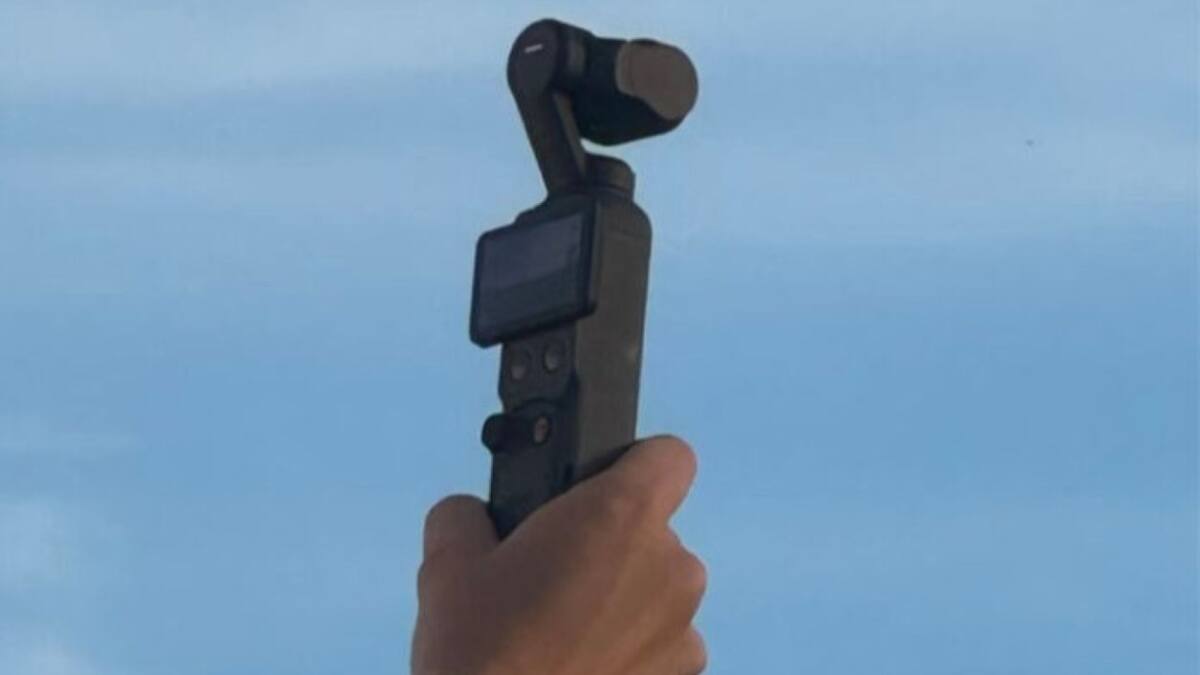
Compact gimbal cameras have been fighting an uphill battle against ever‑better phone cameras and a cottage industry of clip‑on accessories. DJI’s latest leak suggests the company isn’t giving up: hands‑on footage of an apparent Osmo Pocket 4 shows a tiny but consequential change – a built‑in LED light on a pair of hinges – plus extra physical controls and a new ”SuperPhoto” mode. That small lamp tells a bigger story about who DJI is chasing and why these pocket gimbals still matter.
Why a light matters
On paper the LED is almost comically simple. In practice it addresses a common pain point for solo creators: lighting for talking‑head shots in dark rooms or late‑night travel vlogs. Until now, Osmo Pocket users either carried a separate LED panel, relied on phone flash, or accepted noisy footage. A small integrated lamp – especially on adjustable hinges – promises usable fill without extra kit, and that convenience has real value for run‑and‑gun creators.
What the leak actually shows
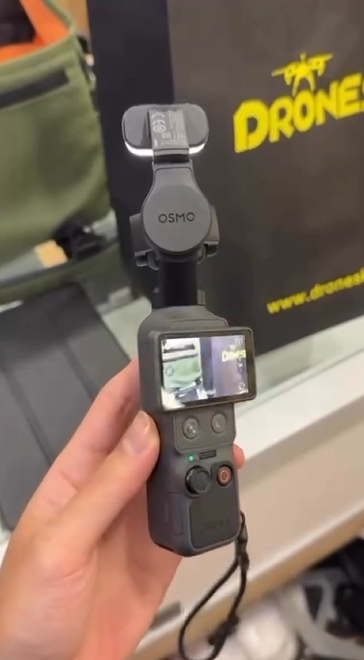
The leaked clip, circulated by a regional retailer and picked up by tech sites, appears to show a near‑final Osmo Pocket 4. Visible changes over the Pocket 3 include an LED mounted above the camera on two movable hinges, a larger set of physical buttons and controls, and a new image mode labeled SuperPhoto. Separately, the model has been logged in filings in the FCC database, which usually signals a global launch is imminent.
This is a product of pressure, not whim
DJI didn’t invent the dilemma. Phone cameras keep improving low‑light performance and stabilization, and action cameras like GoPro have broadened their appeal beyond athletes to everyday vloggers. Those rivals already lean heavily on software scene analysis and aggressive image processing – the kind of stuff labeled ”SuperPhoto” elsewhere. By adding a physical light and more tactile controls, DJI is acknowledging that software alone hasn’t erased the need for better on‑camera lighting and ergonomics.
Historically, the Pocket line has been about doing more with less: tiny gimbals with decent sensors, sold on portability. But small sensors struggle with noise in dim scenes; a dedicated fill light is the fastest way to improve perceived image quality without rewriting the sensor physics.
Who wins and who loses
Independent creators who want a grab‑and‑go setup win: fewer accessories, faster setup, better low‑light faces. Retailers and makers of clip‑on LED panels and selfie lights lose some convenience sales if the Pocket 4’s lamp is bright and battery‑efficient enough.
On the flip side, adding an LED and extra buttons risks tradeoffs. LEDs draw power and generate heat; built‑in lighting could shorten runtime compared with earlier models unless DJI offsets that with a larger battery or better power management – something the FCC entry reportedly touches on. Hinged mechanisms add moving parts that can fail or affect gimbal balance, and more physical controls can complicate a design that once sold on simplicity.
How competitors are handling the same problem
GoPro long ago leaned into computational imaging and rugged, mount‑first design rather than integrated lights. Many creators using GoPros simply accept external lights or use the camera’s software to boost exposure. Mirrorless and compact vlogging cameras from Sony and Canon typically expect users to add lights. A few niche products tried integrated lights before but either sacrificed battery life or added bulk. DJI’s approach – a tiny adjustable light that folds into the body – is a pragmatic middle ground if it doesn’t undermine battery life or stabilisation.
What the leak doesn’t tell us – and what to watch for
The hands‑on clip gives a clear image of hardware changes, but it leaves key consumer questions unanswered: how bright the LED is in lux, how long it runs on a single charge, whether SuperPhoto uses multi‑frame HDR or AI denoising, and whether the gimbal’s calibration compensates for the added weight. Pricing and regional availability are also missing. Those details will decide whether the Pocket 4 is a niche incremental upgrade or a genuinely more usable pocket camera.
Verdict and outlook
Small design changes can have outsized impact in the creator tools market. An integrated, adjustable fill light is not glamorous, but it solves a real, repetitive annoyance for solo shooters. If DJI balances brightness with battery life and keeps the gimbal reliable, the Pocket 4 could extend the life of the pocket gimbal category for another product cycle.
Expect an official announcement soon – the FCC entry makes that likely – and watch the fine print on battery capacity, runtime, and pricing. Those numbers will tell us whether this is thoughtful iteration or a feature tossed in to chase headlines.