

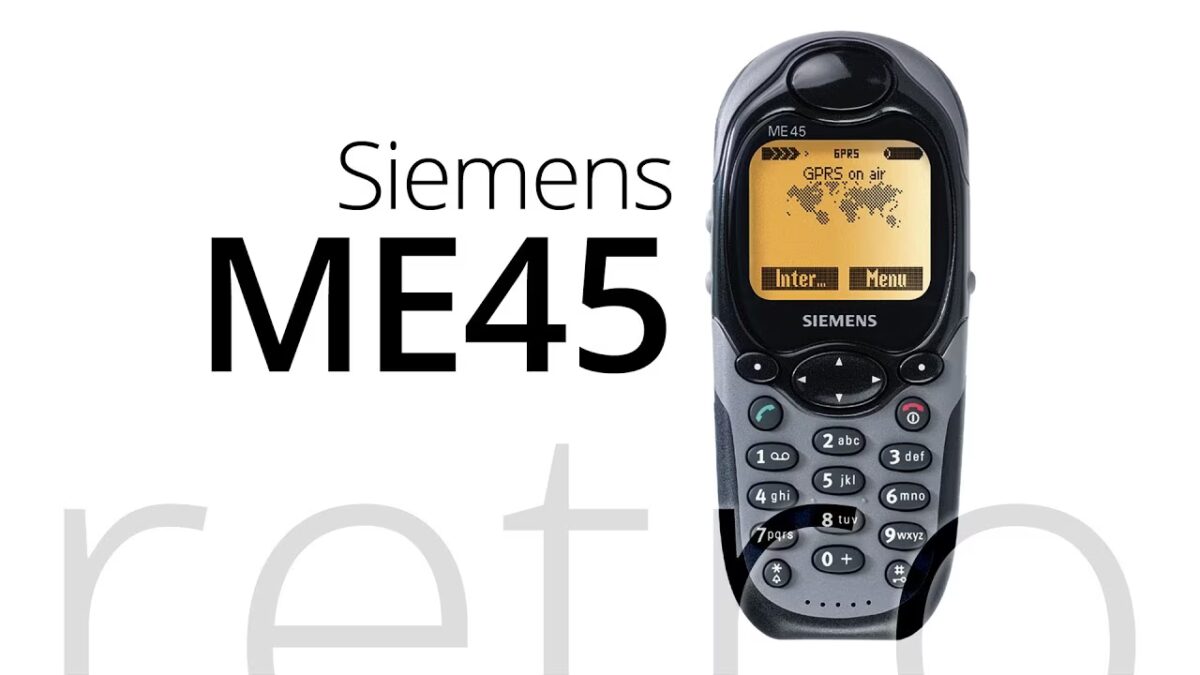
In 2026, while neural interfaces and foldable displays have become everyday tech staples, a surprising trend emerges: search engines show a spike in queries about buying original Nokia 3310s or restoring batteries for Siemens ME45 phones. It’s baffling in an era of terabit internet speeds and augmented reality-why the pull toward devices that barely managed to display pixelated ”Snake” games?
The answer lies in nostalgia mixed with design identity. Today’s smartphones are sleek, glass rectangles-functional but often forgettable. Phones from the 2000s were character statements packed with personality. We remember them for the satisfying click when you closed the clamshell, the glow of their LEDs in the dark, and their near-indestructible bodies that survived countless drops without a crack. This was the era of experimentation, when engineers led innovation while marketing hadn’t yet enforced the sterile ”bezel-less” design standard.
Let’s trace the rise and fall of some legends who once ruled our pockets-and hearts-to understand why their legacy still haunts us.
Nokia’s record-breaking rise and stunning fall
At its 2007 peak, Nokia controlled 40.4% of the global mobile market. Almost every second phone worldwide was Finnish-made.
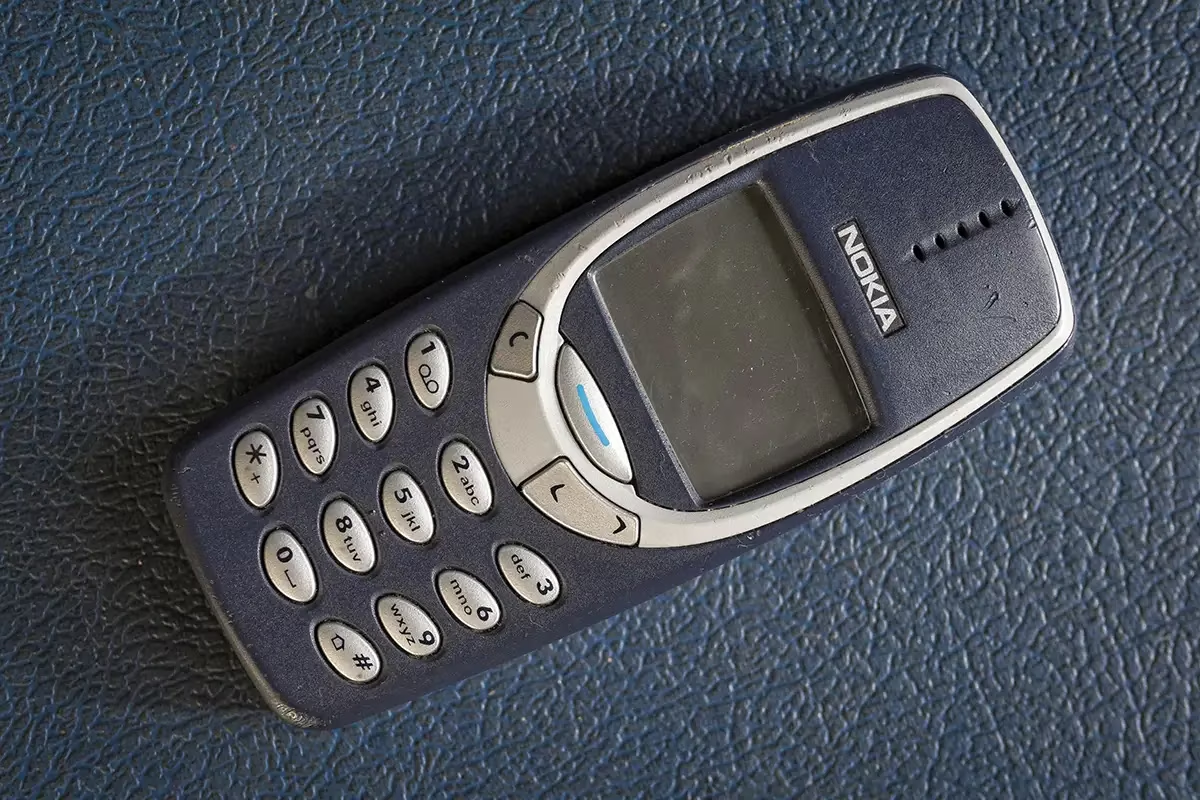
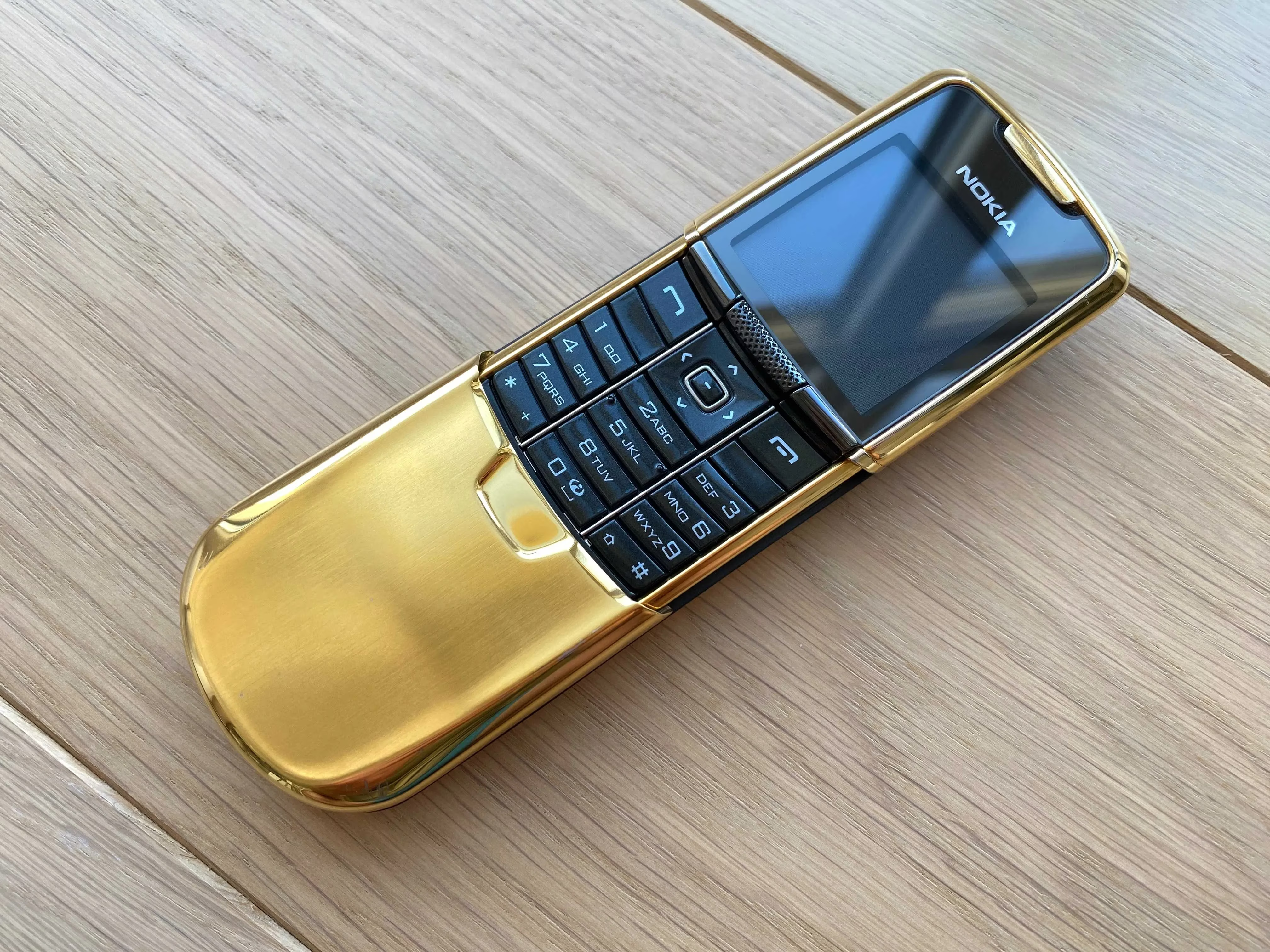
In Russia, Nokia wasn’t just a phone; it was a symbol of success and reliability. Everyone had their signature model. The Nokia 3310 became a meme before memes were a thing-dubbed the ”indestructible brick” and handed down like a family heirloom. Teens coveted the musical 5310 XpressMusic with its flashy accents, while the serious chose the iconic banana-shaped 8110 or the steel-clad 8800. The sound of opening the 8800 still echoes in collector circles, fetching hefty sums in 2026.
Critical mistake: corporate hubris and clinging to the outdated Symbian OS. When Steve Jobs unveiled the iPhone, Nokia dismissed it as a toy unfit to challenge their empire. Holding on too long to Symbian-and later tying their fate to Microsoft’s Windows Phone-eroded Nokia’s unique appeal. The loyal fanbase simply drifted away.
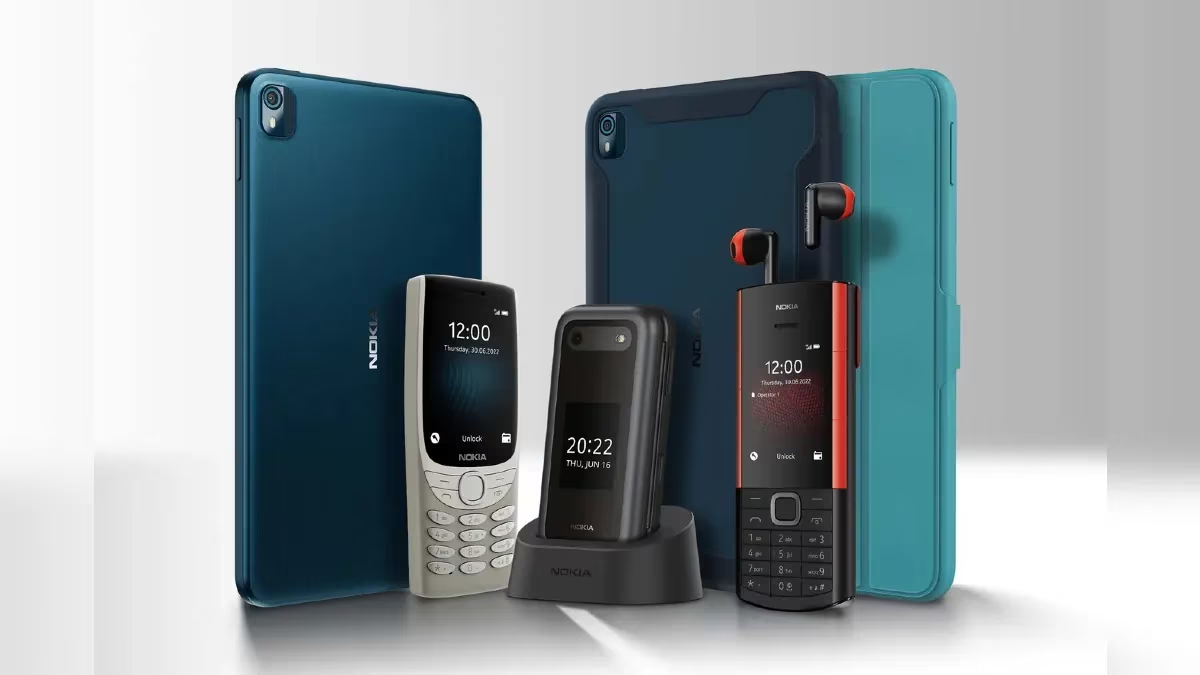
Status in 2026: Nokia thrives today as a telecommunications equipment giant-powering home routers with 6G support and blazing fast mobile broadband thanks to Finnish patents. Meanwhile, Nokia-branded phones live on through HMD Global, which focuses on ”digital detox” feature phones and eco-friendly smartphones with user-replaceable components. These updated classics appeal to those wanting weekend breaks from relentless notifications, sticking to calls and, yes, the nostalgic ”Snake.”
Siemens: why German engineering couldn’t save its mobile phone division
In 2004, Siemens Mobile ranked fourth globally-but just a year later, it was hemorrhaging €1.5 million daily.
For Russian users, Siemens was the people’s brand. If Nokia felt premium and status-driven, Siemens delivered maximum tech for reasonable prices. The warm orange backlight of the Siemens C55 still evokes fond memories. The ME45-dubbed the ”bar of soap”-was water-resistant and drop-proof. The generation’s icon was the CX65, boasting a massive display for its time, where users spent hours exchanging pictures via infrared and pressing phones together.
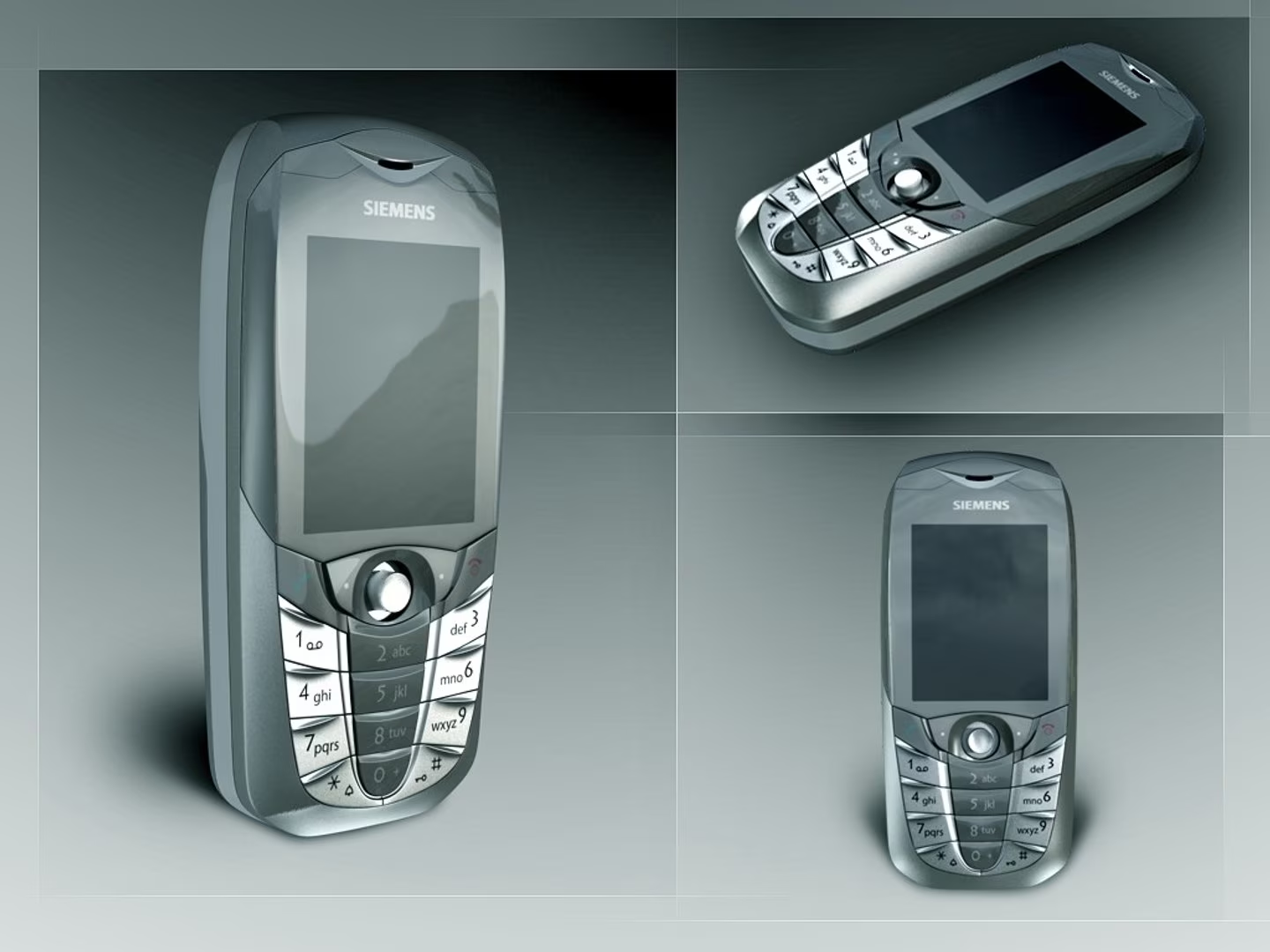
”German order defined everything, including naming: Siemens mimicked Mercedes-Benz. Letter series laid out clear status – A was entry-level budget, C solid mid-range for the masses, while S signified business prestige and tech apex. Adventurers preferred rugged M-series; style-conscious favored slider SL models. This made choosing a phone as simple as reading its badge.”
Anonymous industry insider
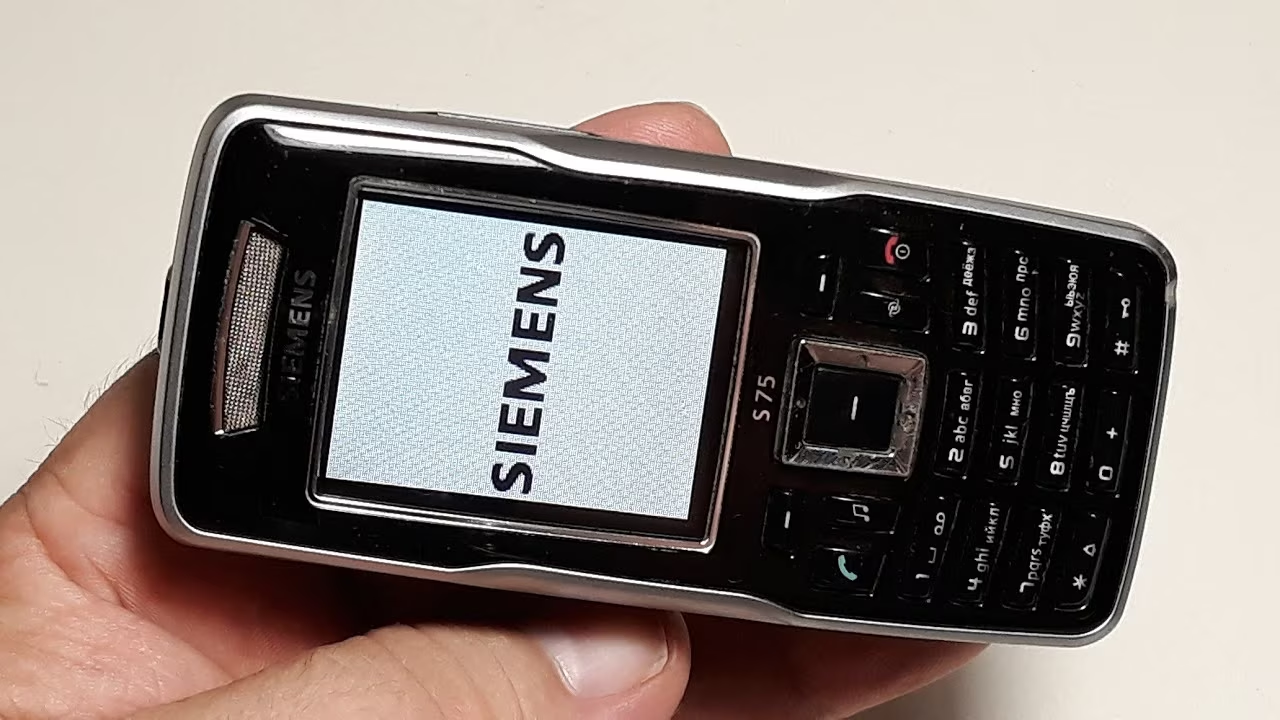
Fatal flaw: internal bureaucracy and software chaos. German engineers delivered superb hardware, but clunky software plagued late models-glitches, freezes, sluggish menus became the norm. Siemens also missed the thin flip phone and quality camera boom. An attempt to revive the mobile division through Taiwan’s BenQ failed miserably. The clash of German managerial culture and Asian manufacturing meant the brand quietly vanished.
Status in 2026: Siemens no longer has a mobile division-not even a licensing deal. Its parent company, Siemens AG, excels in industrial automation, medical tech, and high-speed trains. Phones are relics now-museum pieces reminding us that even flawless engineering can falter without market agility.
Sony Ericsson to Sony: how the promising partnership unraveled
The K750i, the world’s first phone with a 2MP autofocus camera, sold over 15 million units.
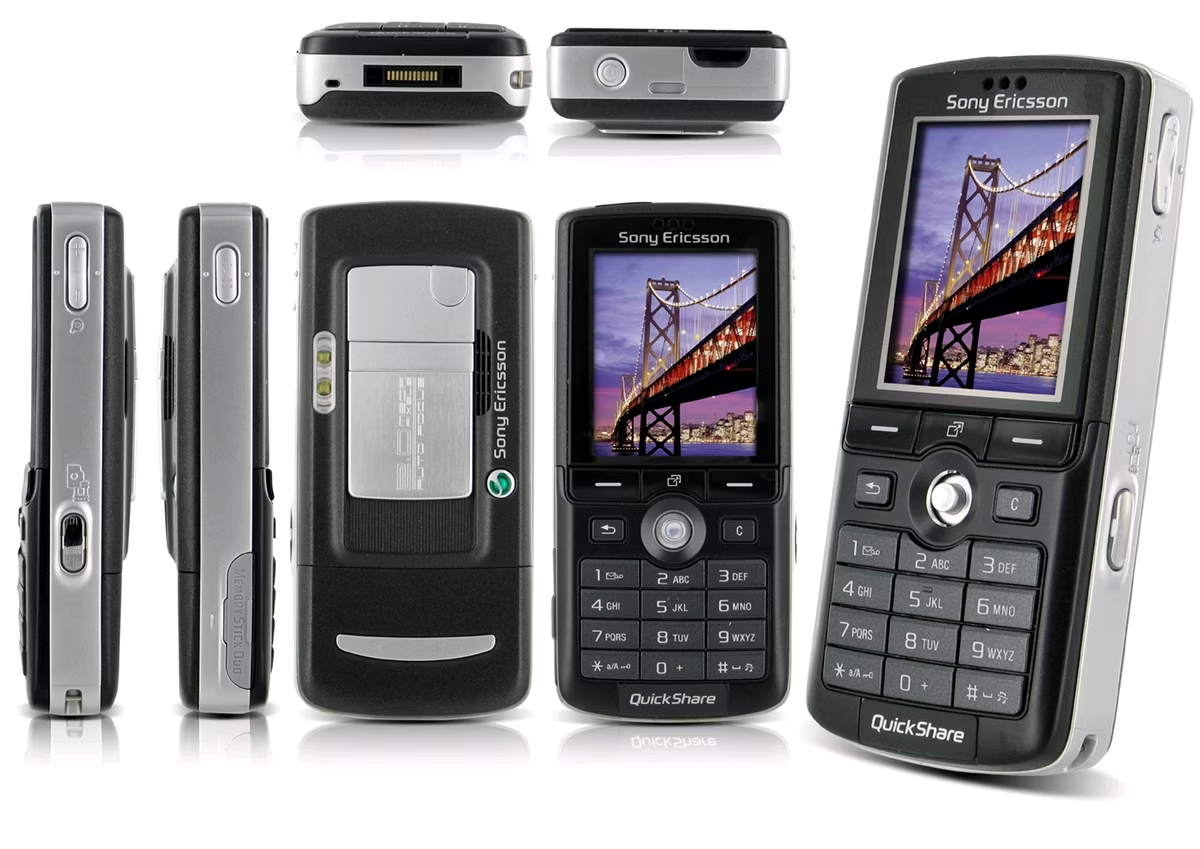
The Sony-Ericsson joint venture in the early 2000s combined Swedish communication tech and Japanese design and multimedia expertise. It birthed cult classics like the Walkman phones-W800i and W810i-known for their signature orange earbuds. Later, the Cyber-shot line (e.g., K790i) convinced users that a camera phone could replace a compact digital camera. In Russia, Sony Ericsson was adored for its style-devices always looked pricier than they actually were.
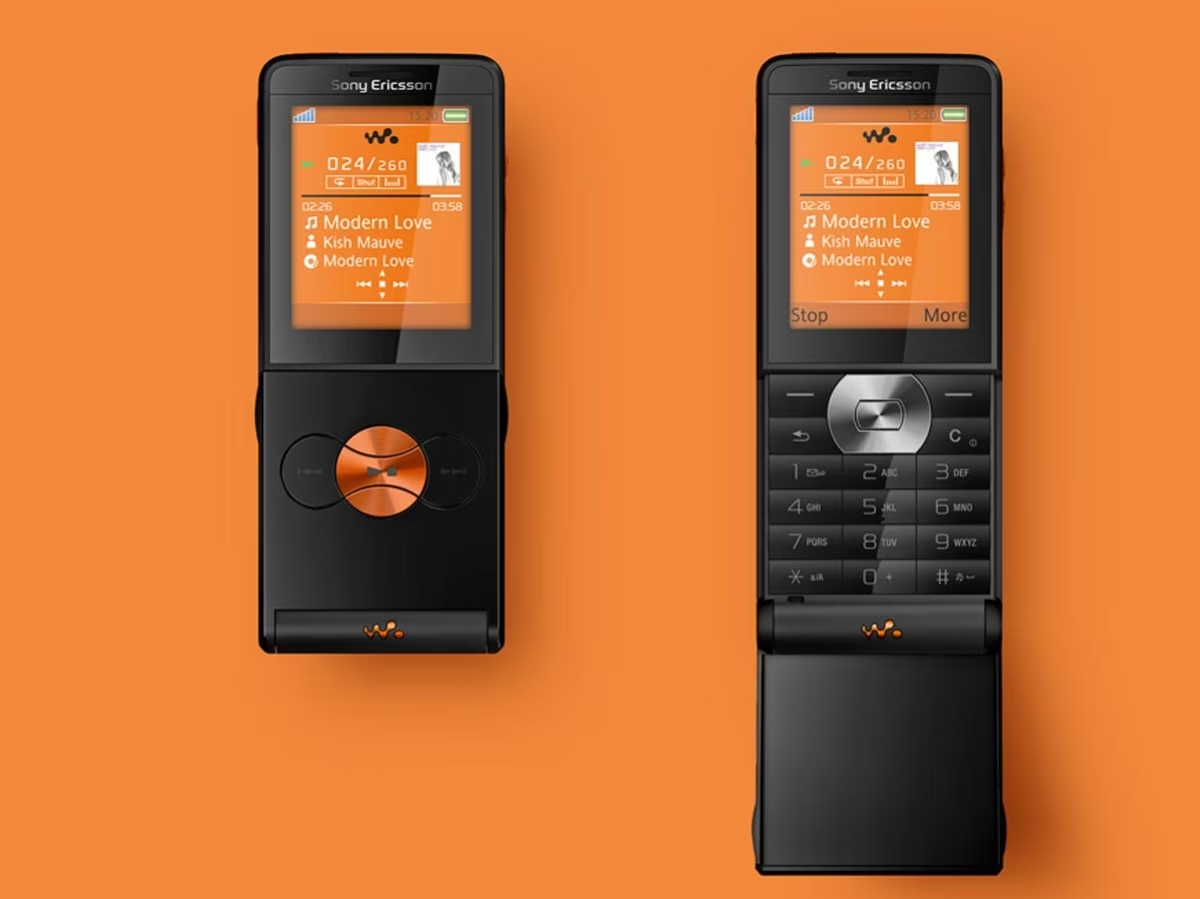
Downfall reason: internal rivalry and a slow pivot to Android. Riding high on keypad-era hits, Sony Ericsson struggled to keep up with touchscreens. Sony bought out Ericsson’s share in 2011, trying to build an ecosystem linking Xperia phones, Bravia TVs, and PlayStation consoles. But Samsung and Apple had already seized the crown, leaving Sony playing catch-up with no way to mass dominate.
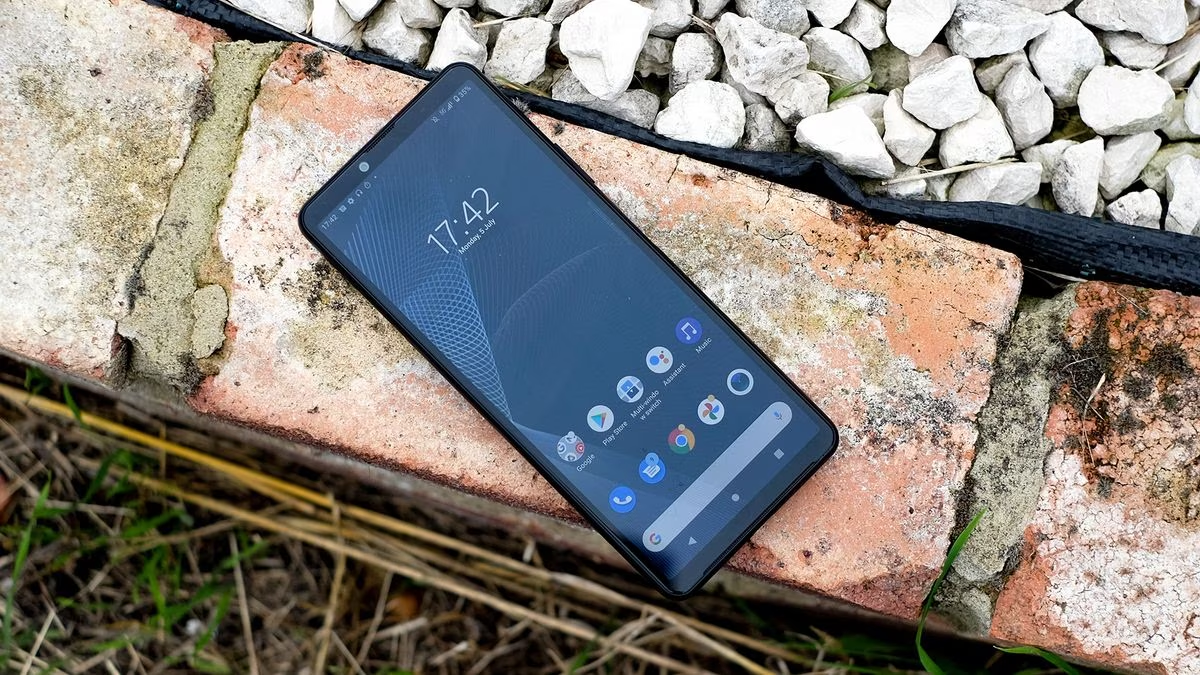
Status in 2026: Sony still releases Xperia phones, but they cater to a niche of photographers and videographers. Their devices proudly keep headphone jacks and microSD slots-ignoring mainstream trends. This premium niche survives on loyal fans, not market conquest.
Motorola: the lone survivor making a comeback
130 million units sold make the RAZR V3, launched in 2004, the best-selling fashion phone ever.
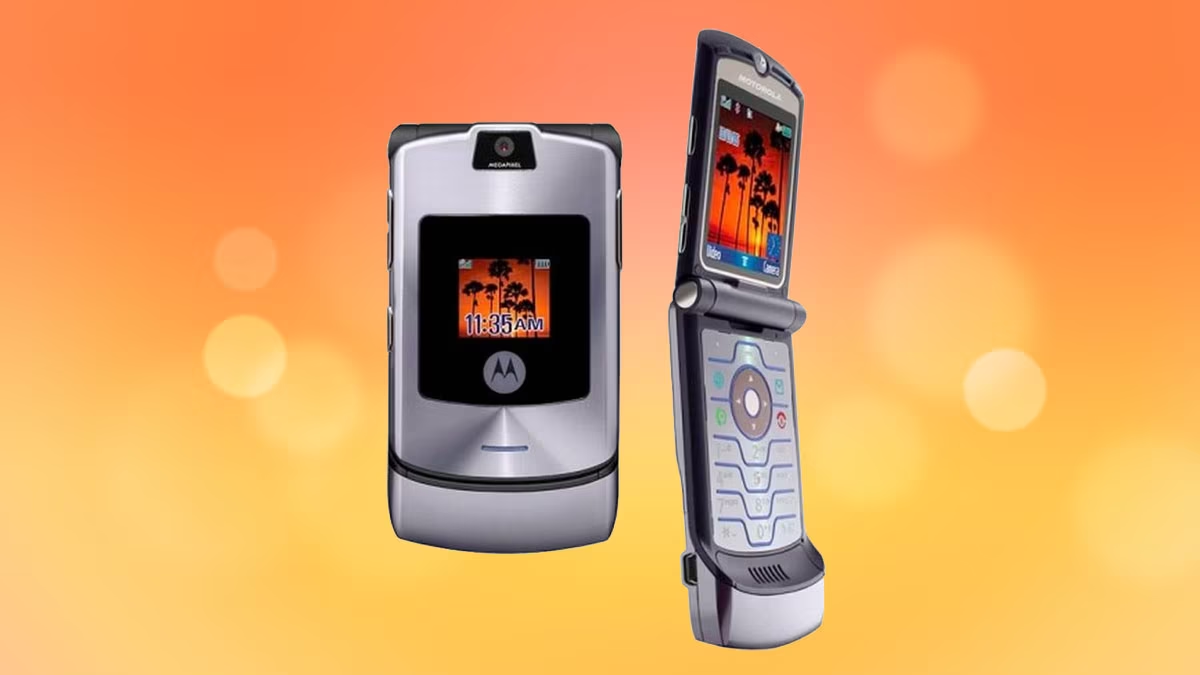
Motorola has always been synonymous with innovation-they made the world’s first mobile phone. Owning a RAZR V3 in 2000s Russia meant leading the style pack: a thin aluminum body, cool metallic keypad, and the futuristic snap of the clamshell still stir nostalgia. The E398, with booming stereo speakers and mood lights, ruled school halls and playgrounds.
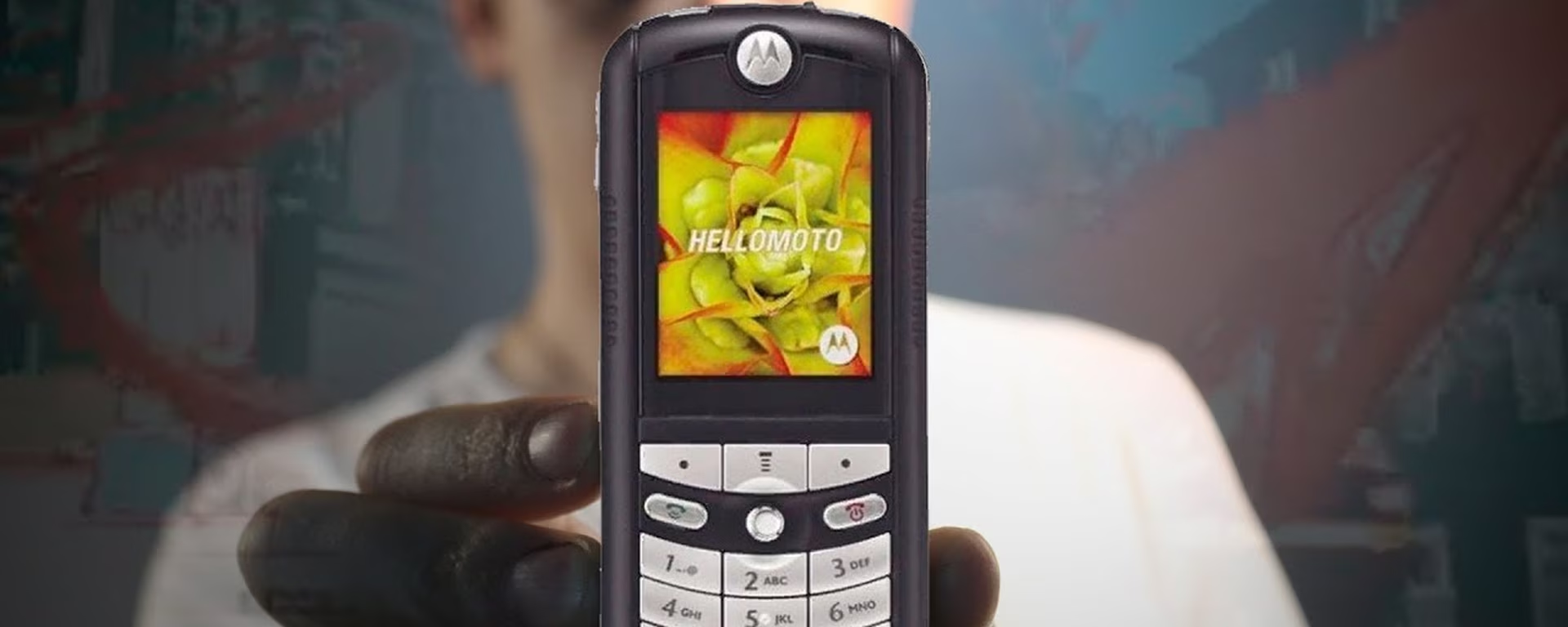
Critical error: relying heavily on a single winning model. After the RAZR’s success, Motorola churned out endless V3 variants until the market demanded smart new formats and intelligent software-where Motorola had no strong answer. This prolonged crisis led to sales first to Google, then to China’s Lenovo.
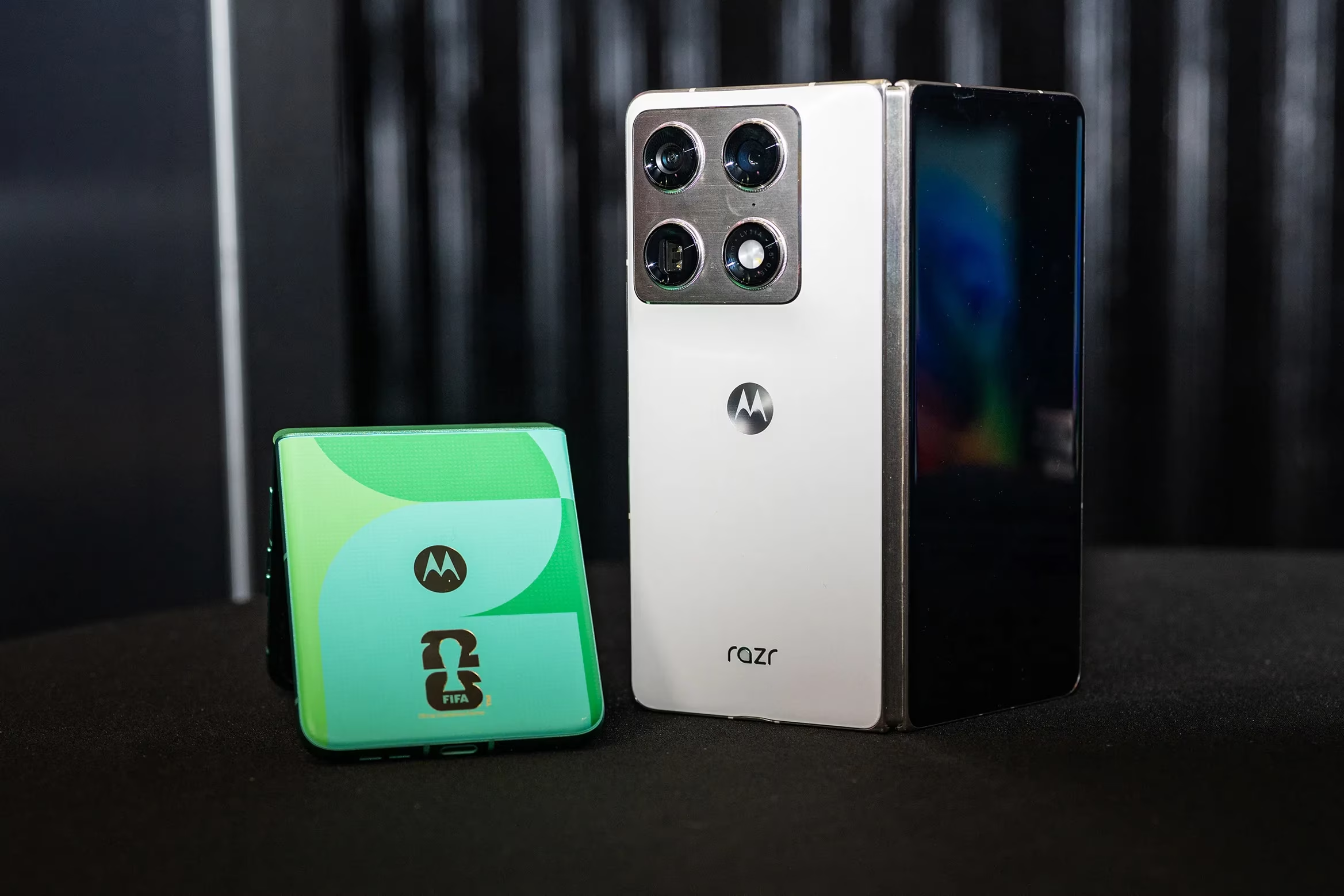
Status in 2026: Unlike the others, Motorola thrives under Lenovo’s wing, enjoying a renaissance. They successfully revived the RAZR line as foldable smartphones with flexible displays-real contenders against Samsung’s foldables. Motorola strikes a balance between nostalgia and innovation, claiming solid ground in midrange and premium worldwide.
HTC: Android pioneers now nearly forgotten
In 2011, HTC’s market value briefly surpassed Nokia’s, reaching nearly $34 billion.
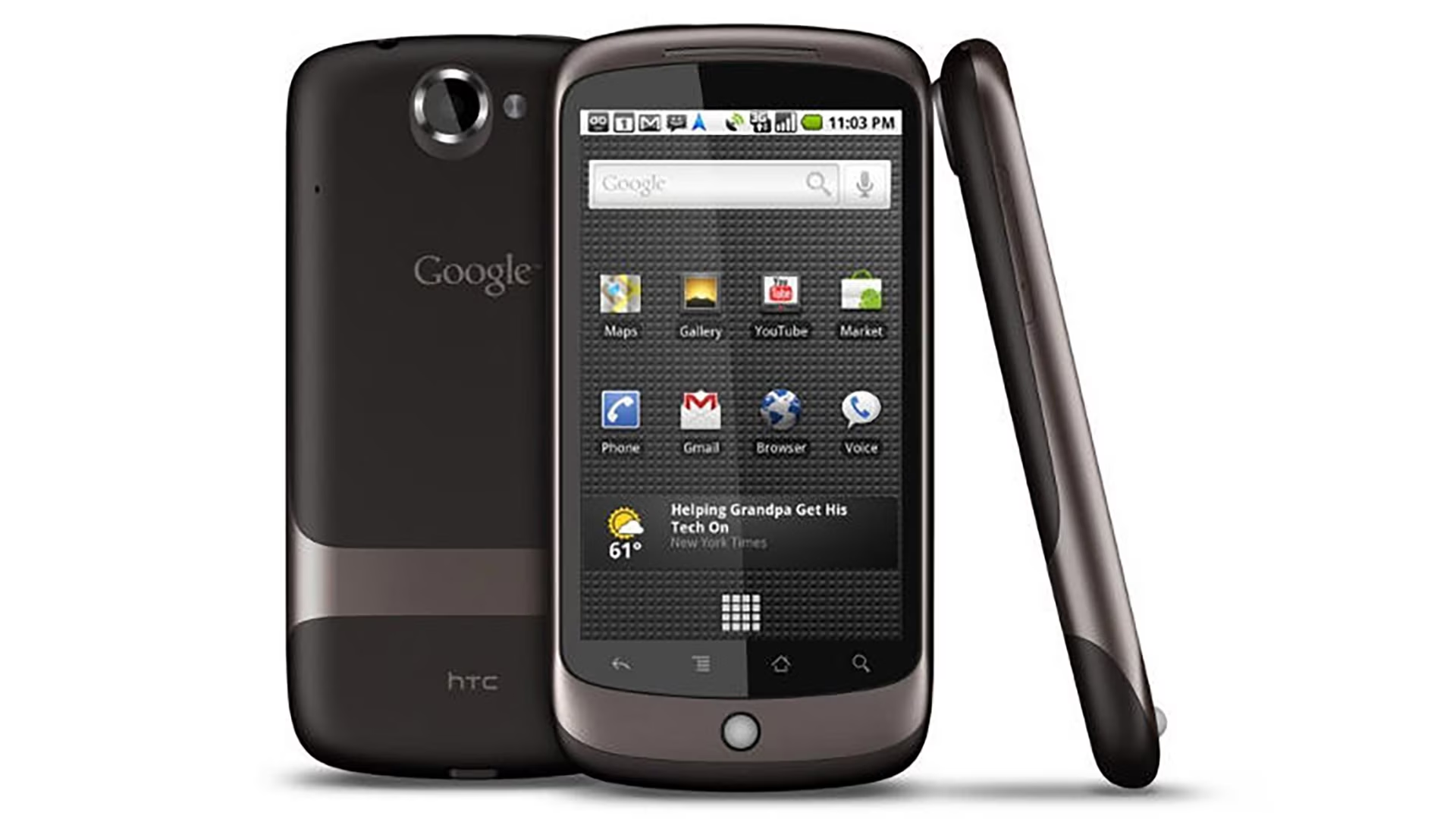
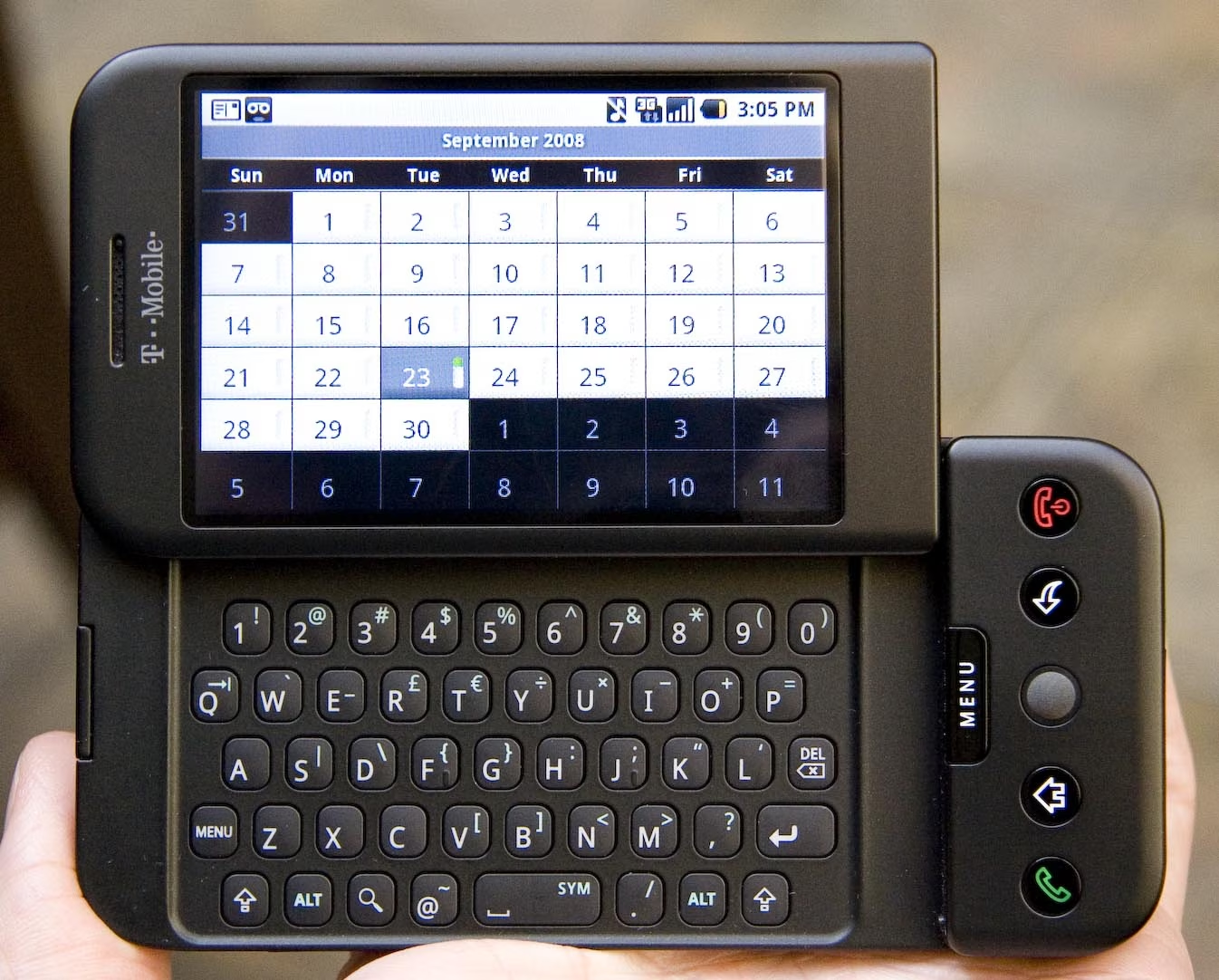
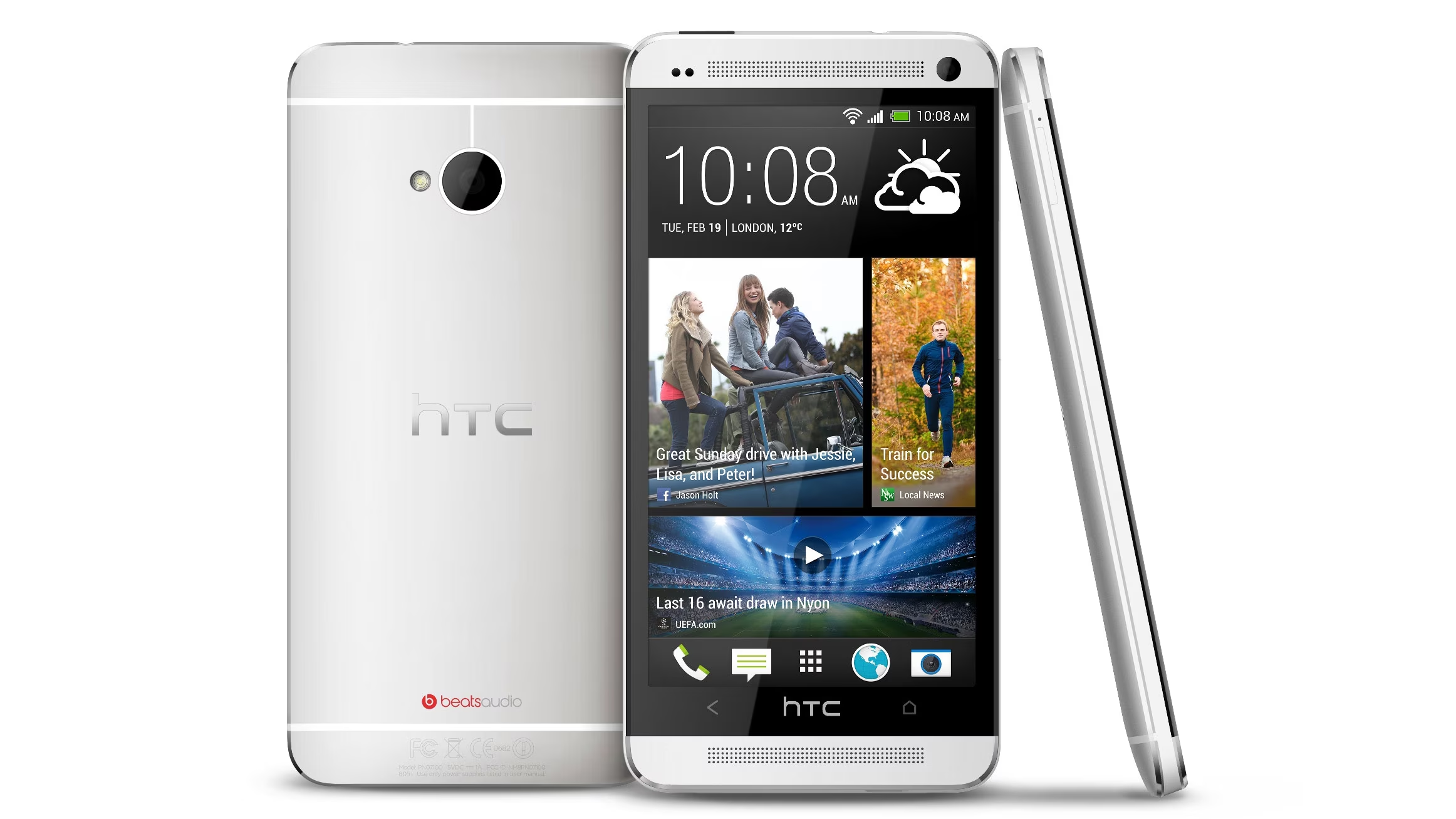
HTC literally taught us how to use Android. They launched the first Android phone, the HTC Dream, and Google’s first Nexus device. In Russia, tech fans worshipped the HTC Touch series with its signature interface and the legendary HD2, still hackable with new OSes even ten years after release. The HTC One M7, with its metal unibody and front stereo speakers, remains a jewel in smartphone design history.
Misstep: poor marketing and cost-cutting on critical components. While Samsung flooded the market with aggressive ads, HTC clung to design and software elegance. Battery issues and overheating in flagships eroded trust. Gradually, HTC lost its top engineers to Google and lacked the resources to compete globally.
Status in 2026: HTC’s smartphones have been sidelined as a minor revenue stream supporting its metaverse platform Viverse. The company now concentrates fully on VR and AR tech, with Vive headsets setting industry standards. New phones drop rarely and mainly serve VR developers and ecosystem devotees. The ”Android king” is now a memory cherished mostly by veteran geeks.
Common patterns in the decline of iconic phone brands
Looking at these brands reveals a clear pattern: none failed because of bad products, but because they clung too long to their ”golden hits.” Nokia held onto Symbian; Motorola banked on the RAZR design; HTC believed good design and software alone could fend off Samsung’s marketing machine.
The lesson for buyers in 2026 is that tech doesn’t reward loyalty to tradition over function. We miss these brands because they offered genuine choice. Today’s smartphone market is a monoculture-devices across brands look and work almost the same. Nostalgia for Siemens or Sony Ericsson is a longing for days when buying a new phone meant a fresh experience, not just a minor CPU upgrade.
FAQ: common questions about Nokia, Siemens, Sony Ericsson, Motorola, and HTC in 2026
- Is Nokia still around? Yes. Nokia leads global network infrastructure and indirectly powers much of today’s internet. Phones under its brand are produced by HMD Global, focusing on simple feature phones for ”digital detox” and eco-friendly smartphones with easy repair.
- Can you buy a Siemens phone in 2026? Only on resale markets or collectors’ auctions. No new Siemens handsets have been made for two decades. Any ”new” Siemens you see is likely a refurbished unit with a non-original casing.
- Will HTC return to mainstream smartphones? Not really. HTC has settled into niche VR and AR products. Their smartphones are rare, mainly for Vive ecosystem fans and developers.