

Apple has turned its 50th birthday into a mini museum at Apple Park, lining up classic hardware, famous ads, and photo prints that lean hard into the company’s own mythology. The Apple Park 50th anniversary exhibit is tucked inside the campus and, for anyone who still thinks Apple hates nostalgia, this is a pretty loud rebuttal.
Classic Macs, iPods, and iPhones fill the Apple Park exhibit
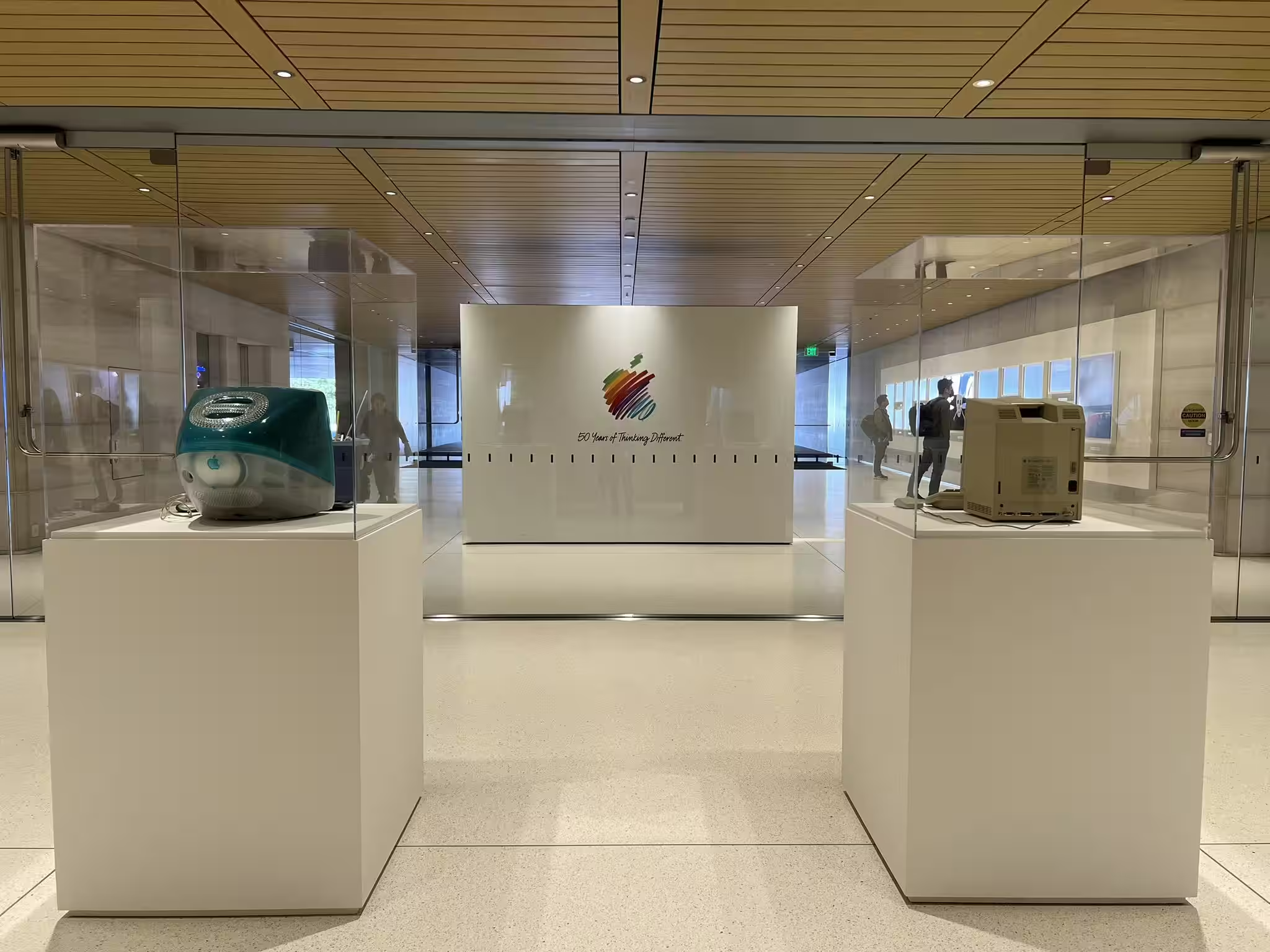
The centerpiece cases pull from Apple’s greatest hits: the iMac G3, the 128k Macintosh, and a spread of landmark iPhones, iPads, Apple Watches, and iPods. One display reportedly traces the iPod lineage from the original model through the mini, nano, shuffle, and touch, which is a neat reminder that Apple didn’t just build gadgets – it repeatedly reset entire product categories.
The iPhone case appears to chart the device’s growth by screen size over time, which is exactly the sort of visual Apple loves: simple, elegant, and a little self-congratulatory. Fair enough. If you spent decades defining consumer electronics, you get to arrange the trophies.
The wall art leans into Apple’s biggest moments
Beyond the hardware, the exhibit brings out Apple’s greatest visual cues: the pirate flag, Macintosh team photos, frames from the 1984 ad, Steve Jobs’ intersection-of-technology-and-liberal-arts slide, and an iPod silhouette. That mix says as much about Apple’s brand strategy as it does about its history. The company has spent years selling not just products, but a story about taste, culture, and creative identity.
There are also photos of students using Apple gear, plus newer pop-culture moments including Bad Bunny’s Super Bowl halftime show and what looks like an awards show tied to Apple TV. That’s a smart touch: it ties the old Apple to the one that now spans hardware, services, and entertainment, not just beige computers and white earbuds.
Apple Park hallway displays extend the Apple history exhibit
The campus treatment does not stop at one room. Apple has also placed generations of iPhone and iMac models in the hallways around Apple Park, along with sculptures based on the illustrated 50th anniversary logo. The result is less a public museum than an employee-facing shrine, which makes sense for a company that still prefers controlled access to controlled messaging.
The main exhibit sits in section 2 of the Apple Park building, and it is closed to the public. That probably won’t bother Apple much; scarcity is part of the brand, and so is making people on the outside want in.
If Apple keeps using its 50th anniversary to revisit the past, the interesting question is whether this stays a celebration or becomes a preview of the company’s next identity shift. A firm that once insisted it wasn’t nostalgic just proved it can be very sentimental when the timing is right.