

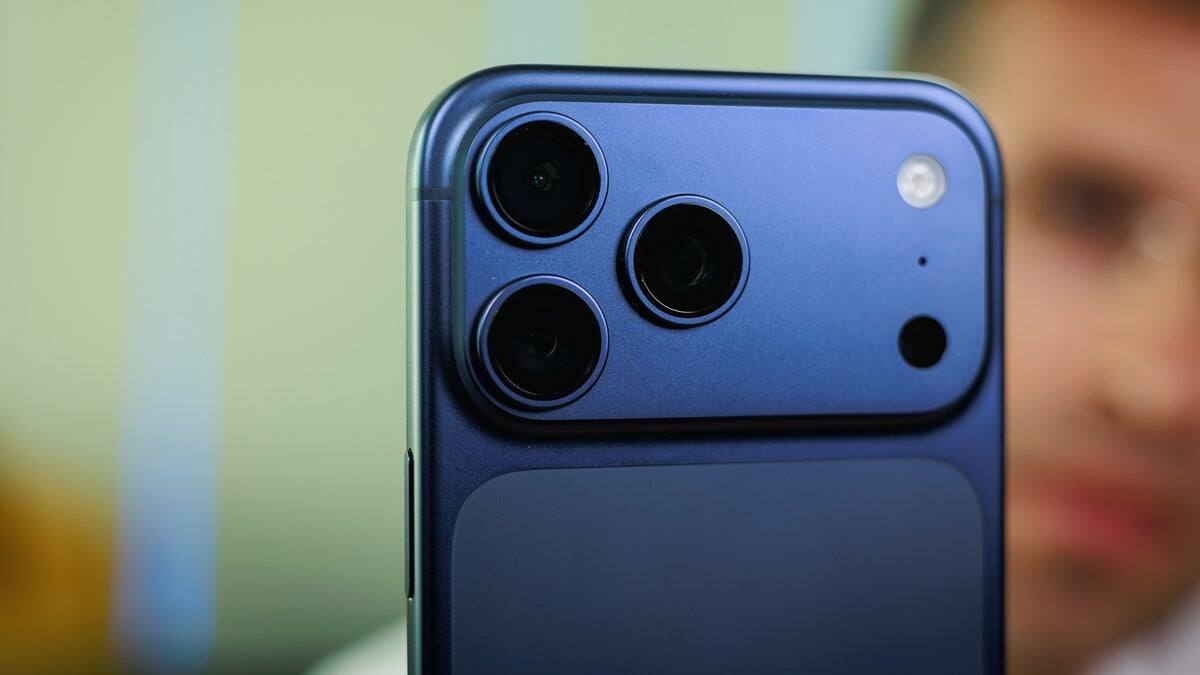
The iPhone 17 Pro Max is going to the Moon, and NASA nearly made it earn every inch of that seat. Four units are flying on Artemis II after a strict qualification process that turned a consumer phone into mission gear, and the result is a small but telling flex for Apple: its latest flagship is apparently tough enough for space, even if it still can’t call home from there.
NASA’s approval was not a casual ”sure, toss it in the capsule” moment. The phone went through a four-phase vetting process that started with a safety panel, moved into hazard hunting, then forced engineers to spell out how every risk would be handled, and finally required proof that the fixes actually worked. That’s the sort of bureaucracy most gadgets never see, which is exactly why this feels bigger than a novelty stunt.
How NASA cleared the iPhone 17 Pro Max
According to the report, NASA was especially wary of the obvious space problems: moving parts, shattered glass, and hardware behaving differently without gravity. The iPhone’s aluminum body and vapor chamber cooling were also scrutinized, because what works neatly on a desk can become a liability in a sealed capsule 200,000 miles from the nearest Genius Bar.
Apple says this is the first time an iPhone has fully qualified for extended use beyond Earth orbit. That is a neat line for a keynote slide, but the real headline is more practical: for once, a mass-market phone did the kind of job that usually belongs to purpose-built gear.
What astronauts can do with the iPhone 17 Pro Max
Don’t expect lunar TikTok. The phones aboard Artemis II can’t connect to the internet or use Bluetooth, which makes them expensive cameras rather than sci-fi communicators. Each astronaut gets one for photos and video, and at least one handset was tucked into a flight-suit leg pocket before launch.
- 4 iPhone 17 Pro Max units are onboard Artemis II
- No internet or Bluetooth access
- Used for photos and video during the mission
- GoPro Hero 11 cameras and Nikon D5 bodies are also packed aboard
That mix is the interesting part. NASA still relies on traditional cameras for some work, but the iPhone’s presence says a lot about how capable modern phone hardware has become. The most ordinary object in your pocket is now trusted to document one of the most extraordinary trips humans can make.
Ceramic Shield 2 gets its toughest test
Broken glass floating around a spacecraft is the sort of nightmare that makes engineers reach for aspirin. The iPhone 17 Pro Max uses Ceramic Shield 2 on the front and Ceramic Shield on the back, and Apple calls the front layer its toughest smartphone glass yet. If that survives NASA’s standards, your kitchen floor is not exactly a stress test.
There’s also a neat piece of timing here. As smartphone cameras have become the default recorder for everyday life, space agencies have started to lean on the same devices for human storytelling, not just technical documentation. The optics are doing half the PR work for Apple, and they didn’t even need a launch event for it.
Apple gets the best free ad of the year
This is the kind of validation that brands pay absurd money to manufacture, except here NASA did it on its own terms. No partnership, no campaign, no scripted stunt. Just a phone many people already carry being judged strong enough for the Moon, which is about as clean a product endorsement as you can get.
What happens next is straightforward: the real test is the footage. If the astronauts bring back sharp lunar images and usable video, the iPhone 17 Pro Max will have done more than survive publicity. It will have earned a place in the strange little club of consumer gadgets that made it to the Moon and came back looking good.