

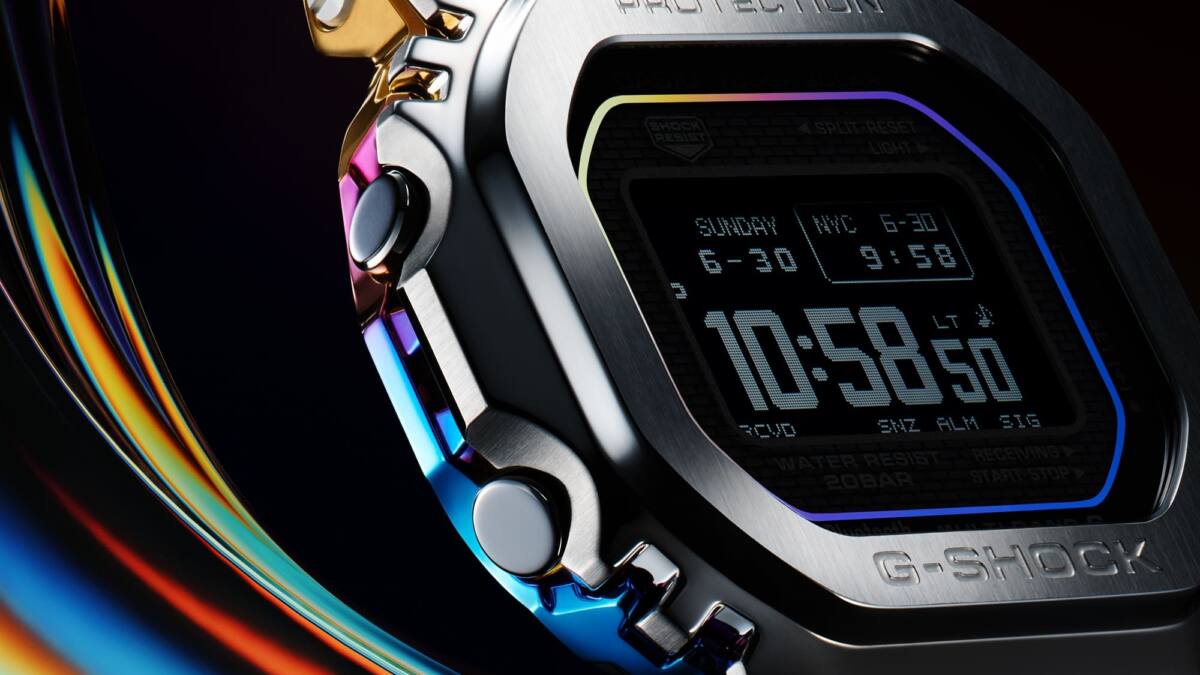
Casio’s G-Shock 5000 series has a new premium twist: the GMW-BZ5000RC-1. The full-metal watch launches in Japan with rainbow ion plating, solar charging, Bluetooth, and a price tag of ¥121,000.
It also lands as Casio keeps pushing the square-shaped 5000 line beyond basic black resin. This model leans harder into collectability while keeping the toughness-first identity that made G-Shock a longtime favorite.
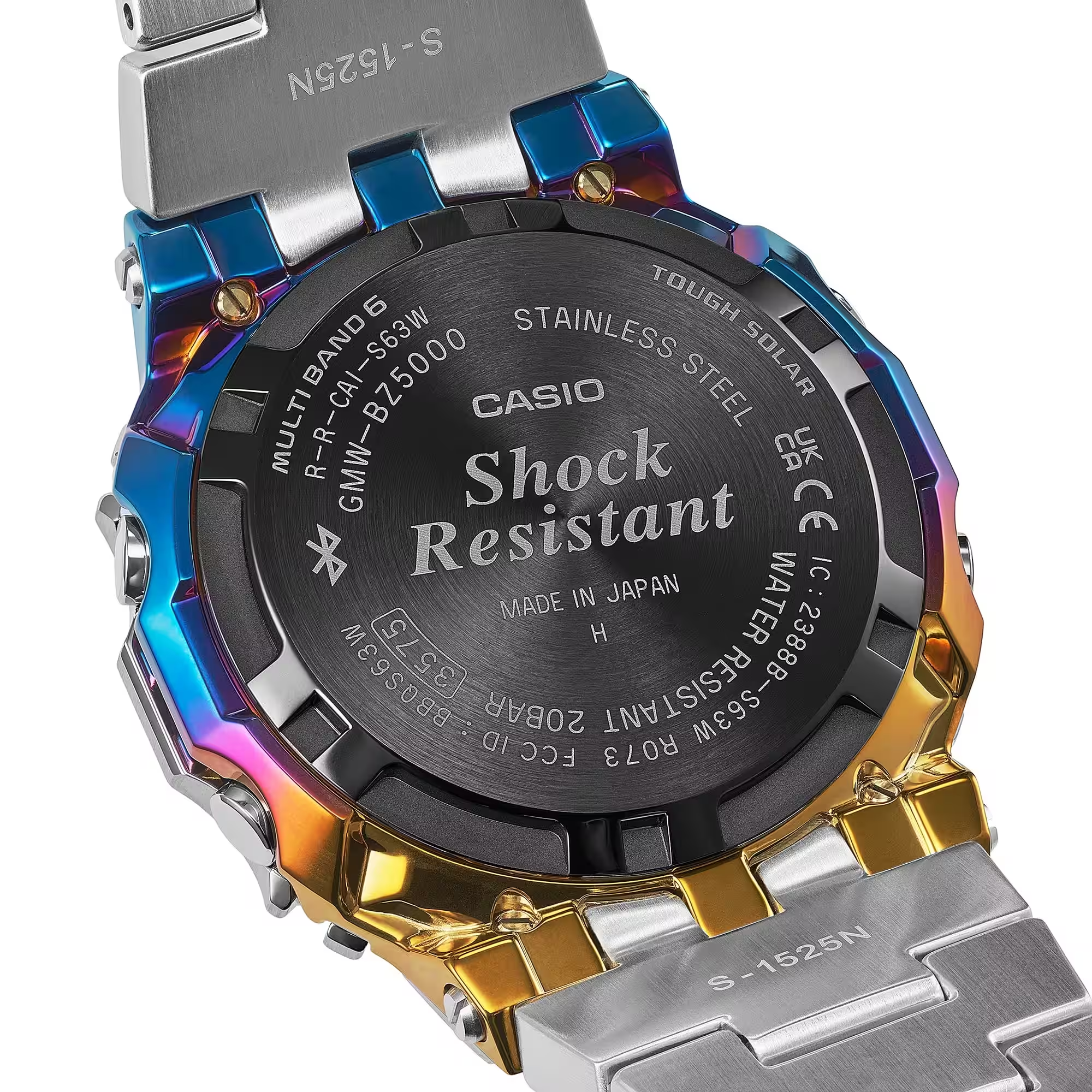
G-Shock 5000 series gets rainbow metal and full-metal construction
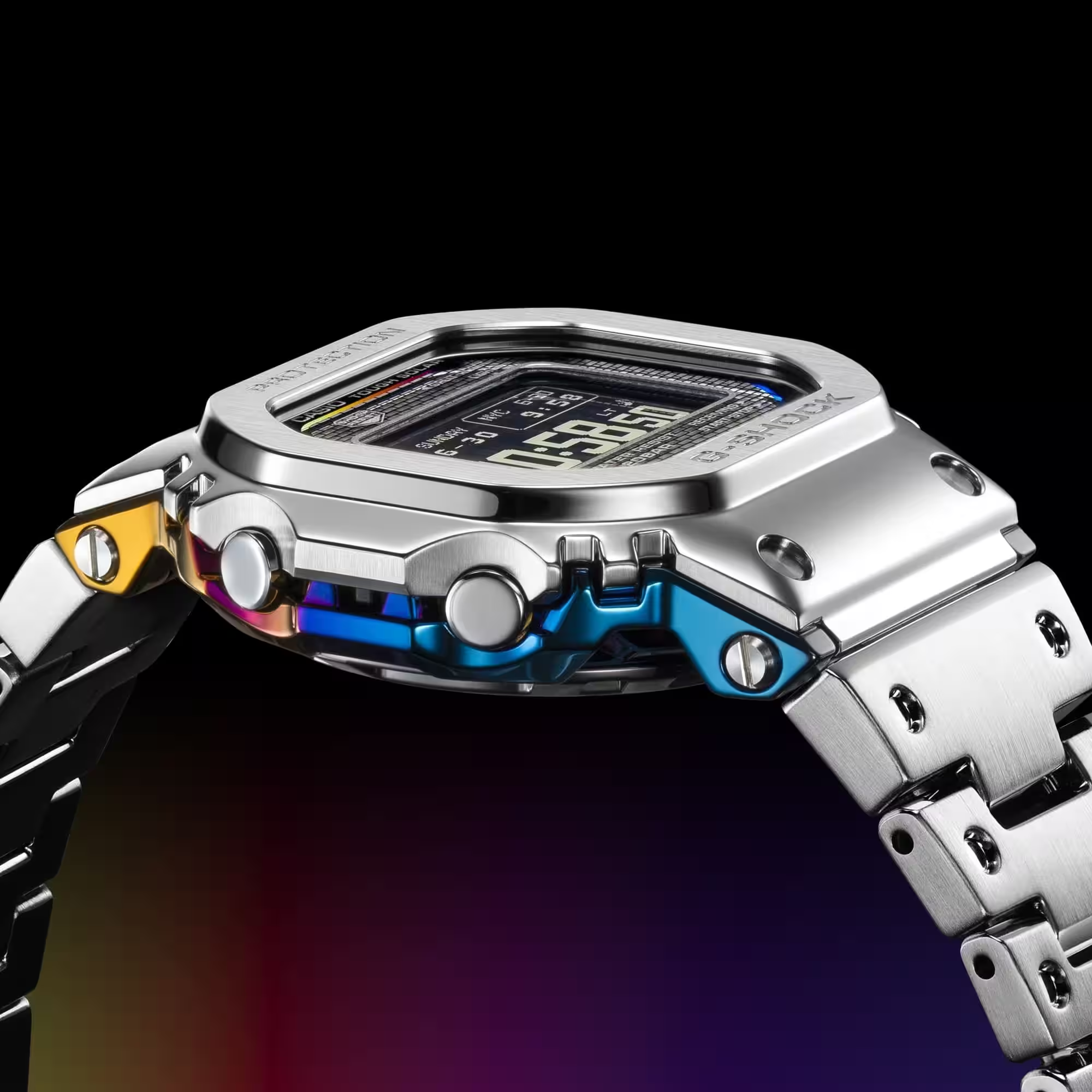
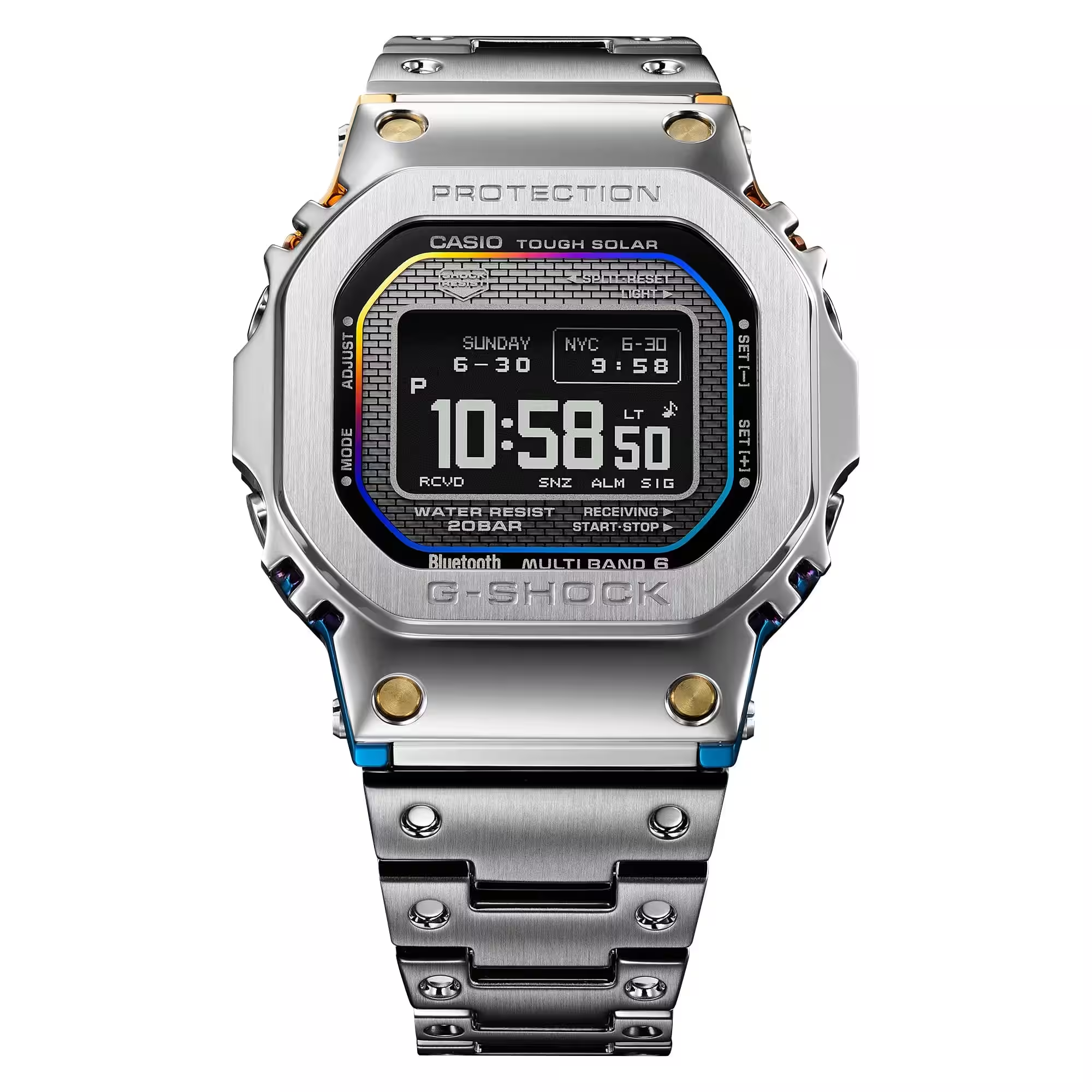
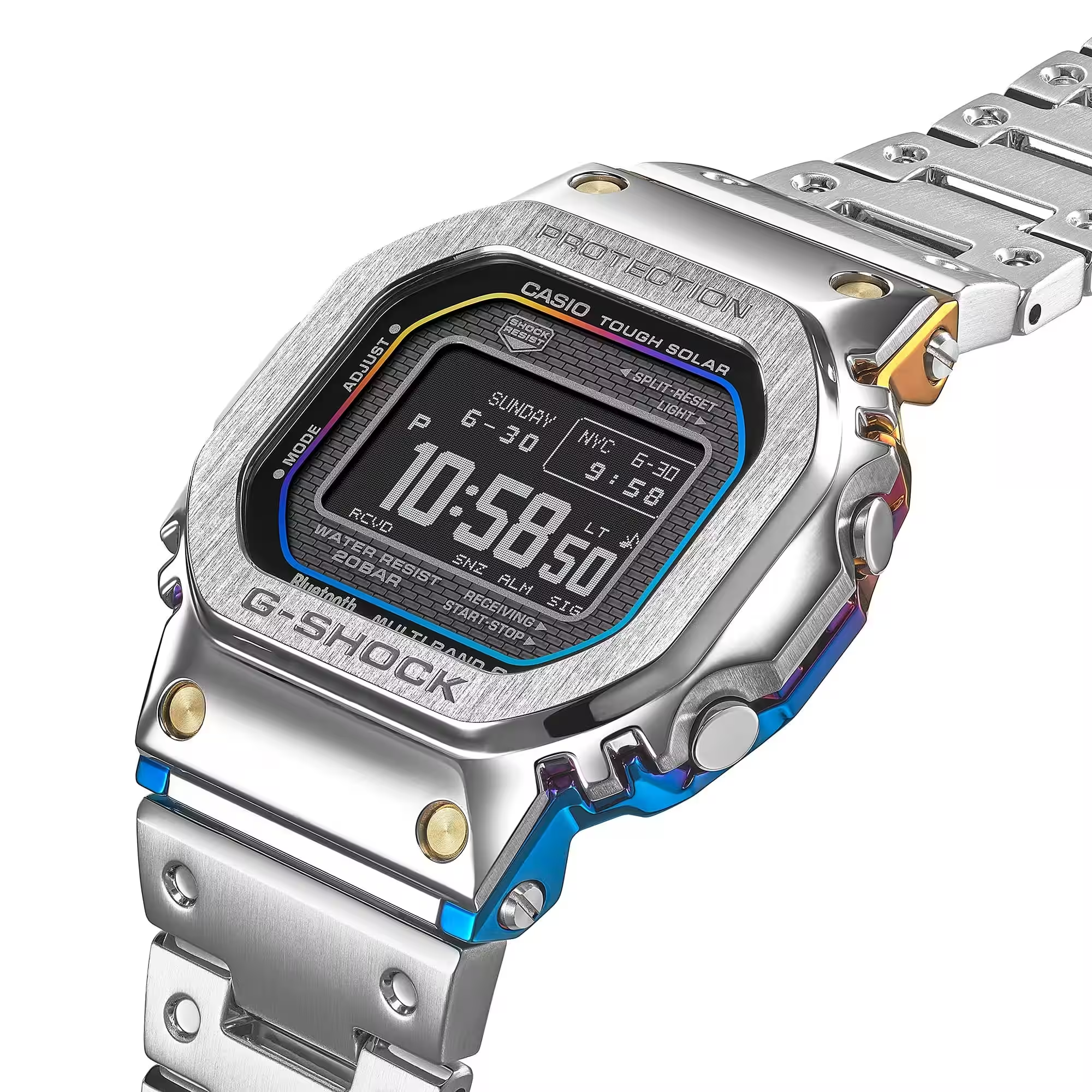
The headline act is the finish. Casio uses a stainless steel case, bezel, and band, then adds a gradient rainbow ion-plated treatment to the center case, rainbow vapor deposition on the glass, and gold-colored ion-plated screws for contrast. That sounds decorative, and it is, but the watch still keeps the familiar G-Shock sandwich of bezel, center case, and resin internal protector designed to take abuse.
Water resistance goes to 200 meters, and the case back uses a screw-lock design to keep the structure sealed. In other words: yes, it looks like something made for a display case, but Casio is still selling it as something you can wear into the rain, the pool, or the kind of accidental chaos G-Shock fans seem to consider a hobby.
Solar power, Bluetooth, and a sharper display
The spec sheet is where Casio quietly does the practical work. The watch uses a high-definition MIP LCD with a negative display, Bluetooth for automatic time adjustment, and Multiband 6 radio control for accuracy. Tough Solar handles charging, so the battery anxiety that follows many connected watches is mostly the problem of other people.
- Price in Japan: ¥121,000
- Full-metal case, bezel, and band
- 200-meter water resistance
- Tough Solar charging
- Bluetooth and Multiband 6
Users can also switch between multiple time display layouts and choose STANDARD or CLASSIC font styles through the companion app. That is a small touch, but it fits Casio’s strategy: keep the hardware industrial, then let software provide the personalization that luxury-watch buyers have been getting away with for decades.
Casio’s factory story is part of the pitch
Casio says the design was refined using artificial intelligence alongside decades of shock-resistance data, which is a very 2026 way of saying ”we studied what breaks and what doesn’t.” Production takes place at Yamagata Casio in Japan, the same facility that made the original G-Shock, which gives the launch a neat historical loop even if the rainbow finish is about as subtle as a neon sign.
A wider release is expected, but Casio has not confirmed timing or regional pricing. If that happens, this model could end up as another proof point that the modern G-Shock business is no longer just about rugged utility; it’s about making the square feel special enough to justify premium pricing, and Casio clearly thinks shiny metal is one way to do that.