

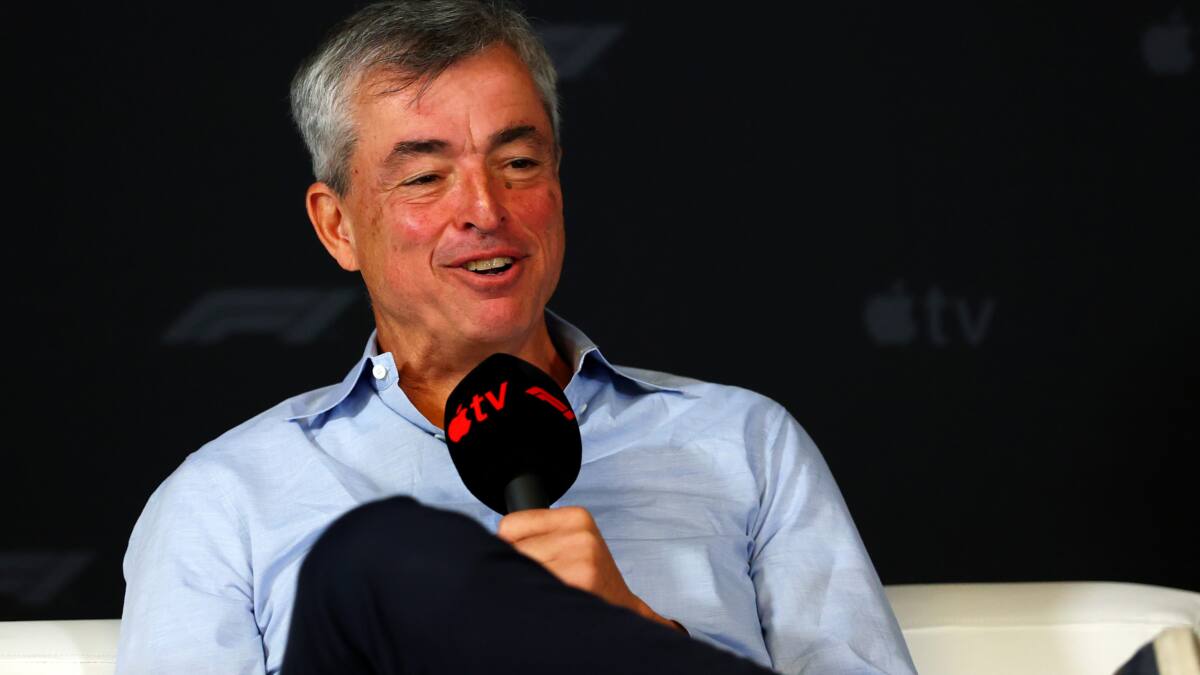
Apple’s services business did not appear out of nowhere. According to Eddy Cue, the company’s first real proof that customers would happily pay for digital content came from iTunes, which turned a once-messy music market into a repeatable transaction model and, in the process, gave Apple a blueprint for Apple Music, Apple TV, and the rest of its subscription empire.
That matters because Apple’s services arm is no side hobby anymore. The company said services brought in $109 billion in revenue in 2025, up 14% year over year, and while hardware still dominates, services have become the cleaner, steadier business. The old music store may look quaint now, but it taught Apple something the industry kept learning the hard way: people will pay if the product is easy, predictable, and not annoying.
The iTunes Store set the template
Cue, Apple’s senior vice president of services, said the iTunes Store launched in 2003 and changed how the company thought about digital products. Before subscription bundles and streaming libraries, there were individual songs and albums sold at a consistent price, with Apple handling the transaction instead of forcing users through a clunky, label-by-label maze.
That consistency was the point. In an era shaped by Napster and piracy, record labels were skeptical of Apple’s $0.99 song model and wanted to build their own platforms. Cue’s version of the story is simple: they overcomplicated the pricing, Apple kept it straightforward, and users responded accordingly.
Why Apple kept the transaction open
One detail from Cue’s account says a lot about Apple’s later services instincts: the company avoided charging for every single song the moment you clicked buy. Instead, it let purchases accumulate over a 24-hour period so customers could be billed in one go, reducing friction and side-stepping extra credit card fees. Tiny thing, big lesson – make payment feel invisible and people spend more.
That same logic shows up across modern streaming and app subscriptions, where friction is the enemy and recurring billing is the business. Apple was early to that idea, even if it arrived there through the decidedly unglamorous world of digital songs.
The music business got a reset
Cue said the labels expected to sell 1 million songs in the first six months. Apple sold 1 million songs in the first six days. That kind of hit rate did more than validate iTunes; it proved Apple could be a direct commerce layer between creators and customers, not just a box maker with nice industrial design.
- iTunes launched in 2003.
- Apple sold songs for $0.99.
- Apple said it sold 1 million songs in six days.
- Apple’s services revenue was $109 billion in 2025, up 14% year over year.
The bigger irony is that the music industry’s panic about piracy helped push it toward the very pricing simplicity that made digital sales work. Today, the same company that once sold songs one by one is using that muscle memory to sell everything from music and video to cloud storage and bundles. The next question is whether Apple can keep turning that old iTunes discipline into growth as regulators, rivals, and customers all get less patient with closed ecosystems.