

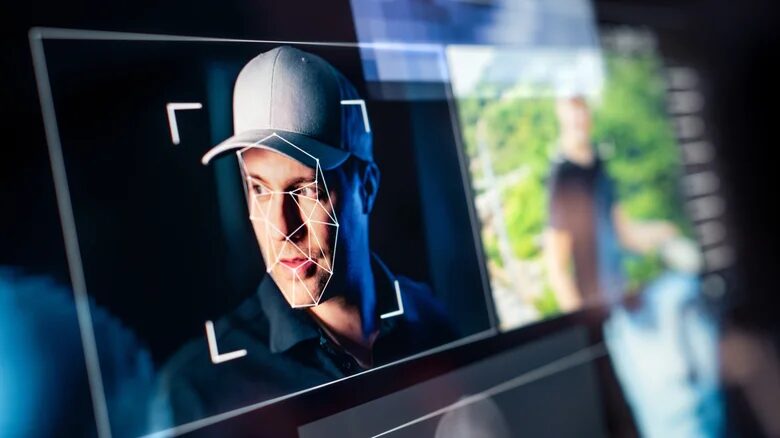
The easiest deepfake to spot is already behind us. Modern AI can spit out videos, photos, and audio that look convincing enough to fool casual viewers, which is bad news for anyone hoping a squint at the screen will do the job. The good news is that deepfake detection still works sometimes – if you use the right tools and know which visual tells are actually worth watching.
That arms race is the whole problem. AI generators keep improving, and detection tools keep trying to catch up, which means false positives are part of the deal and so are occasional false negatives. If a court case, a scam call, or a viral clip depends on a single image being authentic, that should already set off alarm bells.
Deepfake detection tools that can help spot synthetic media
Dedicated services such as Attestiv Video Platform, Sensity AI, Reality Defender, and Deepware Scanner are built to inspect videos, images, and audio for subtle inconsistencies. They look for things humans often miss, including mismatched lighting, strange color shifts, and pixel-level oddities. Google also has its own angle here: SynthID detector can look for watermarking embedded in content made by Google AI services such as Veo, Imagen, Lyria, and Gemini.
But none of that is magic. These systems can misfire when the source quality is poor, facial expressions are limited, or the training data is thin. And because synthetic media is being produced at industrial scale, even a decent detector can be outmatched by the sheer volume of fake content flooding the internet.
Reverse searches still matter
If a detector gives you a shrug, fall back on the boring old web. Google Search can help trace where an image or video first appeared, Google Fact Check Explorer can help verify whether a claim has already been examined, and Bing Visual Search can find similar images or the original source. That is less glamorous than ”AI versus AI,” but it is often more useful.
The body-language tells deepfakes still struggle with
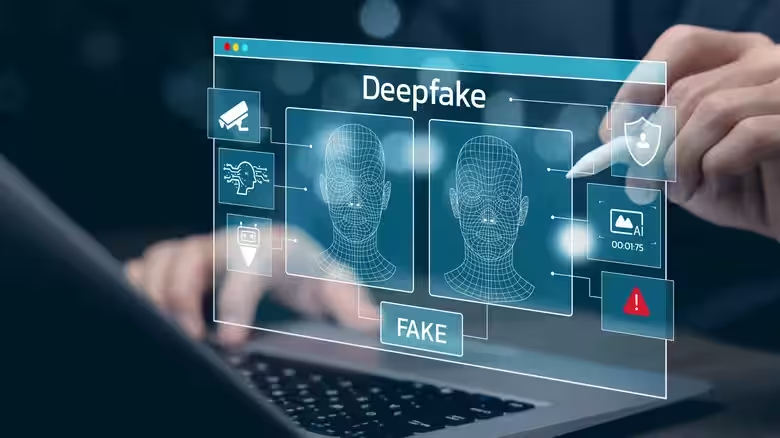
For video, the classic giveaways are still tiny motion glitches. Blinking that looks too frequent or too robotic is a clue, especially since a healthy adult typically blinks between 15 and 20 times per minute on average. Speech that does not line up with lip movement, weird facial shapes, distorted teeth, and unstable glasses or jewellery are also strong hints that something has been fabricated.
One practical trick: ask the person on the other end of a video call to do something awkward on purpose, like turn their head or make a complex hand gesture. Deepfakes can handle a face in the center of the frame; they often fall apart when the scene demands more detail. If the ears stretch, the face warps, or the hands look like they were assembled by committee, you probably have your answer.
The uncomfortable prediction is simple: these clues will keep shrinking. As detection tools improve, the generators will improve too, and the gap between ”looks real” and ”is real” will keep closing. That makes provenance checks and multi-step verification less of a nerd habit and more of a basic survival skill online.