

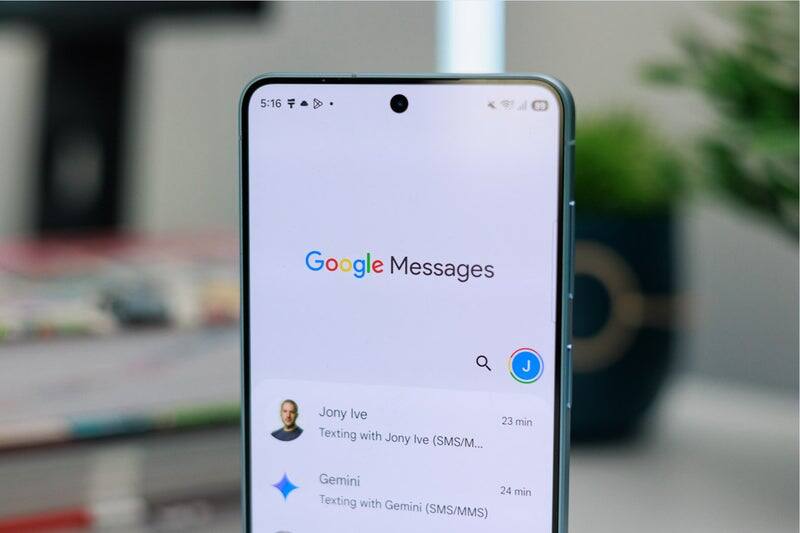
RCS 4.0 is arriving with better encryption, HD video calling, stronger spam filters, and bigger group chats, but the most popular answer to a recent reader poll was embarrassingly simple: people want everyone on the same messaging app. That was the choice for 44.21% of 665 participants, which tells you plenty about how tired users are of hopping between blue bubbles, green bubbles, and whatever else happens to be installed this week.
That frustration lands squarely on Apple, and the question is whether Apple should have shipped a better messaging fix already. The company has had the leverage to make cross-platform messaging less awkward for years, yet iMessage never became the universal bridge it could have been. Instead, Apple kept its most socially powerful feature locked to its own hardware, and the result is a messaging mess that product updates alone cannot unwind.
What RCS 4.0 actually adds
The GSMA’s Universal Profile 4.0 is not a tiny patch. It brings built-in HD video calling, more capable group chats, stronger scam protection, and expanded encryption support. For people stuck in endless SMS-era awkwardness, that sounds like progress. It is progress. It just isn’t the same thing as solving the core problem.
That gap matters because messaging has long been a standards war disguised as a feature race. WhatsApp, FaceTime, and Google Messages already cover much of what RCS 4.0 is promising, which is why individual additions do not feel like a grand breakthrough to most users. The real luxury feature is interoperability, not another button.
Encryption and video calling are nice, not decisive
About 26% of readers said end-to-end encryption across iPhone and Android would be enough to make them switch their default app. Fair enough. Cross-platform RCS still does not encrypt by default, and Apple has been testing encrypted RCS in iOS 26.4 betas, though it does not look like it will land in the stable release yet.
HD video calling pulled in 20% of the vote, which sounds impressive until you remember the competition. FaceTime already exists. So do Google Meet and WhatsApp. Spam and scam filtering came last, at just under 10%, even though dodgy texts are everywhere. The broader lesson is blunt: people are past the point where one more feature feels transformative.
Apple’s blue-bubble lock-in is the real story
Google has pushed RCS hard, and Google Messages has crossed 10 billion installs, so the Android side is at least moving. Apple, by contrast, is still on RCS version 2.4, the one that launched with iOS 18 in 2024. That is a painfully slow pace for a company that loves to present itself as the steward of better user experience.
The uncomfortable part is that Apple knows exactly what it is doing. Blue bubbles are not just branding; they are social leverage. Apple’s own court documents have shown that making iMessage available on Android would hurt iPhone sales, which explains why the company never treated universal messaging as a priority. That is not a technical limitation. It is a business decision wearing a friendly interface.
Google is hardly innocent here either, having retired more messaging apps than most people can remember. But RCS is at least an open standard, which makes Apple’s reluctance look even more deliberate. When a company with that much influence chooses not to unify messaging, it is not preserving elegance. It is preserving control.
No update can fix a split messaging ecosystem
There is a reason the biggest answer in the poll was not encryption, video calling, or spam filters. People are done with fragmentation. Apple benefits from iMessage exclusivity, Meta benefits from WhatsApp’s gravity, and Google benefits from being the default on Android. None of them has much incentive to make messaging truly universal unless regulators, rivals, or customers force the issue.
That means RCS 4.0 will improve messaging, but it will not make messaging feel whole. My own phone is already a small museum of compromise: Google Messages for regular texts, WhatsApp for international chats, iMessage when necessary. It works, technically. It is still ridiculous.
The likely future is more of the same: better cross-platform features, slower-than-necessary adoption, and a few more years of users pretending the problem is missing specs rather than missing incentives. The standard can keep improving. The real question is whether the companies that control the pipes ever decide they would rather fix the mess than profit from it.