

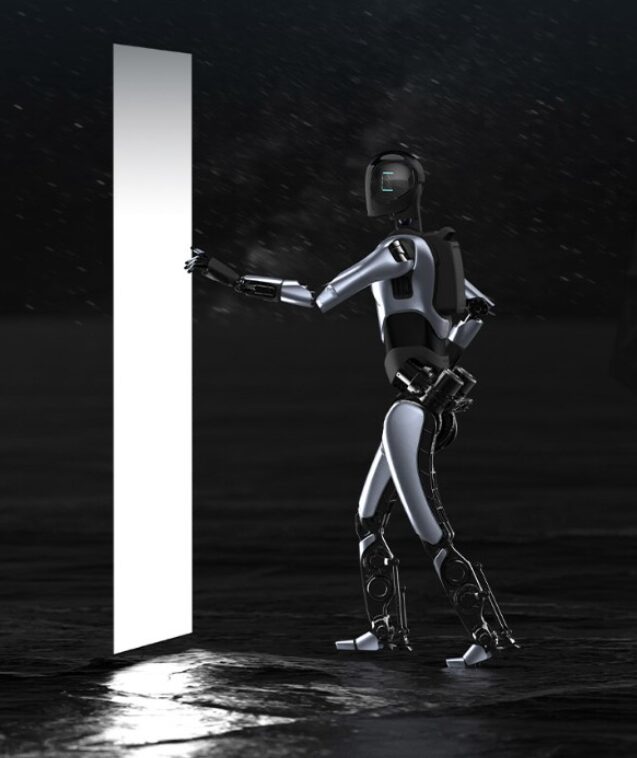
AGIBOT says it has shipped its 10,000th humanoid robot, a milestone reached on March 30, 2026, in Shanghai. That is more than a vanity number: it is a sign that humanoid robots are moving out of demo mode and into the messy world of warehouses, shops, hotels, and factory floors, where they either earn their keep or get sent back to the drawing board.
The scale-up is striking for another reason. The company says the first 1,000 units took nearly two years, the next 4,000 took about a year, and the leap from 5,000 to 10,000 happened in just three months. In robotics, that kind of acceleration usually means two things are finally lining up: manufacturing is getting repeatable, and customers are willing to buy more than a pilot project.
AGIBOT’s production ramp accelerated sharply
According to Peng Zhihui, the faster pace comes from a more mature supply chain and standardized manufacturing. That fits the broader pattern in robotics, where many companies can build a clever prototype but only a few can turn it into something that can be assembled, shipped, and supported at volume.
AGIBOT’s robots are already being used in logistics, retail navigation, hospitality, and education, and the company is pushing into industrial jobs such as production line support and manufacturing operations. That spread matters because humanoids will not win on novelty; they win if they can handle enough different tasks to justify the price tag and the maintenance bill.
Where AGIBOT says its robots are working
- Logistics
- Retail navigation
- Hospitality services
- Education
- Production line support
- Manufacturing operations
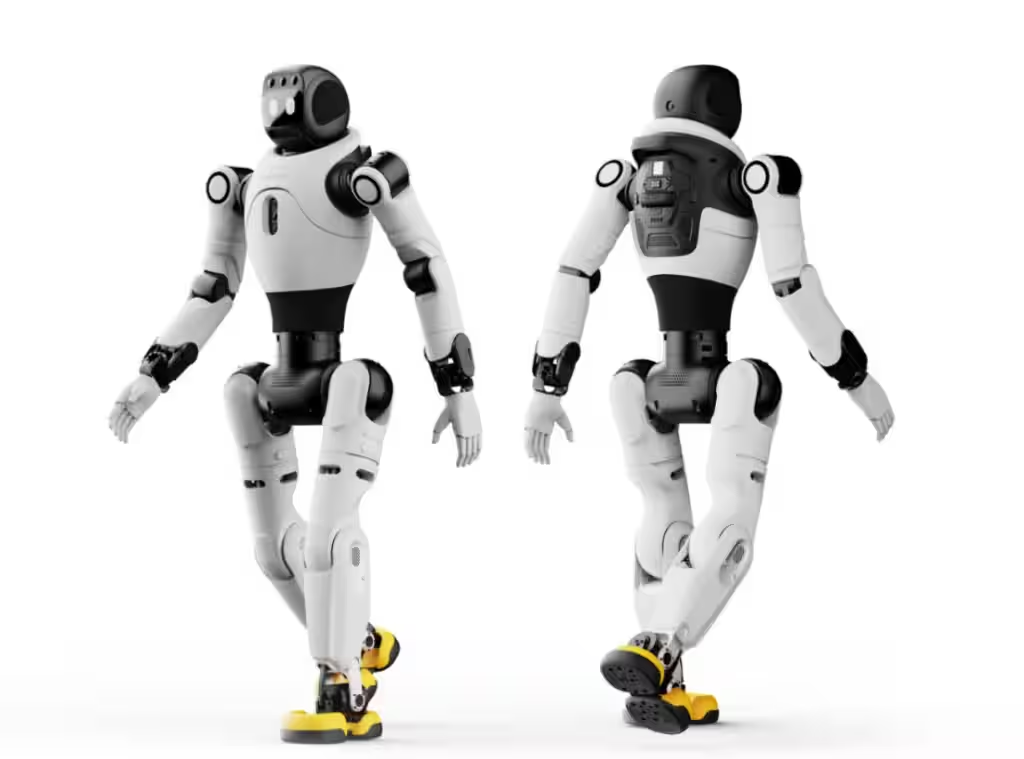
The company also says demand is coming from Europe, North America, Japan, South Korea, Southeast Asia, and the Middle East, with repeat rollouts replacing one-off trials. That is the real test now: not whether a humanoid can walk across a stage, but whether buyers keep ordering more after the first deployment.
AGIBOT’s global demand is growing beyond pilot projects
AGIBOT, founded in 2023 and based in Shanghai, is positioning itself as a mass-production player in embodied AI rather than a research lab with a shiny robot. Chinese rivals are pushing hard in the same direction, while Western robotics firms are still trying to turn impressive prototypes into dependable products. The companies that solve manufacturing, service, and software together will get the orders; the ones that cannot will keep making very expensive conversation pieces.
The next question is whether the jump from 10,000 to far more can happen without the usual robotics headaches: higher support costs, patchy reliability, and customers that want humanoid workers to behave like human workers, which is asking a lot from a machine. If AGIBOT keeps the pace it just set, the industry may be entering the first phase where humanoids are bought for scale, not spectacle.