

Xiaomi has started pushing HyperOS 3.1 to a small first wave of devices outside China, and Europe is getting the opening salvo. The HyperOS 3.1 rollout currently covers the Xiaomi 17, Xiaomi 17 Ultra, POCO Pad, and Redmi Pad Pro, with the rest of the global queue likely waiting its turn.
For Xiaomi, this is the familiar software playbook: start narrow, watch for obvious problems, then widen the release. That cautious pace is boring only until the first bug lands on a million phones. Europe is often where these staged updates begin before they spread to more regions.
Devices getting HyperOS 3.1 first
The current builds are limited to Europe and carry these version numbers:
- Xiaomi 17 (Europe): OS3.0.301.0.WPCEUXM
- Xiaomi 17 Ultra (Europe): OS3.0.301.0.WPAEUXM
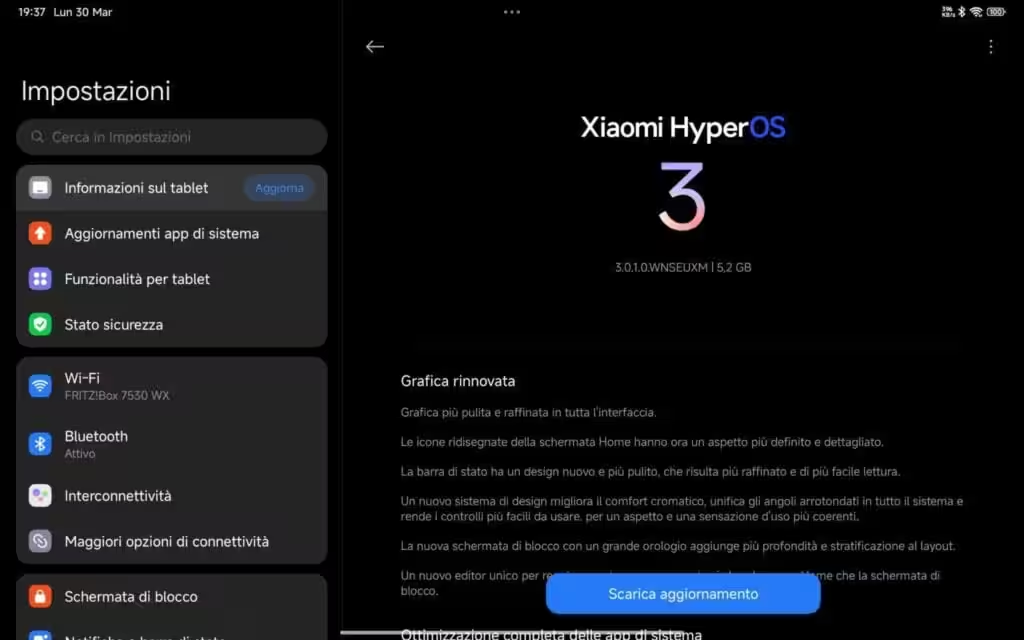
- POCO Pad (Europe): OS3.0.301.0.WNSEUXM
- Redmi Pad Pro (Europe): OS3.0.301.0.WNSEUXM
If your device is on that list, Xiaomi says you can check manually by going to Settings, then About phone, and tapping the HyperOS logo at the top. That is the sort of update path Android vendors love to make just obscure enough to keep support forums busy.
What HyperOS 3.1 changes
HyperOS 3.1 is based on Android 16 and focuses on system cleanup rather than flashy reinvention. Xiaomi says it has rewritten several core apps for more efficient resource use, which should translate into faster-feeling performance even if the spec sheet stays the same.
The update also brings HyperIsland to tablets for the first time, while phones get a more polished version with richer animations, deeper third-party integration, and better real-time activity tracking. Xiaomi is also adding an iOS-style recent apps layout with smoother gesture navigation and card swiping, plus a new Super OTA feature that is designed to make updates faster with less reboot time and fewer errors.
Apple AirPods support in HyperOS 3.1
One of the more interesting additions is native support for Apple AirPods. That means quicker pairing pop-ups and access to spatial audio on compatible earbuds, another reminder that the walls between mobile ecosystems are getting thinner whether Apple likes it or not.
The wider rollout is the real story here, though. Xiaomi is still treating HyperOS 3.1 like a controlled experiment, which suggests the company wants feedback from the first regional batch before opening the floodgates. Expect more devices and more regions soon, because software updates rarely stay politely boxed in for long.