

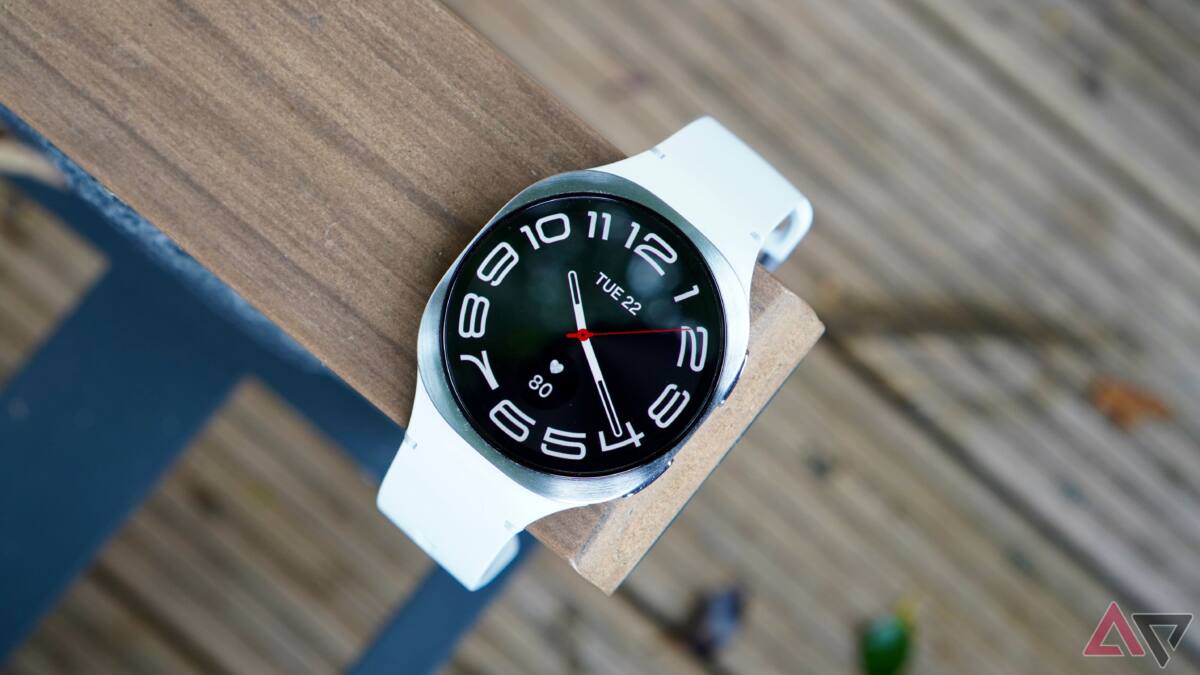
Samsung is finally bringing blood pressure monitoring to Galaxy Watches in the US, but it is arriving with a big asterisk: the feature is being positioned as a wellness tool, not a medical one. After years of FDA hurdles, the rollout begins in phases today and gives the Galaxy Watch 4 and newer models a long-promised health upgrade, provided the paired phone runs Android OS 12 or higher.
The catch is the same one that has dogged wearable blood pressure features elsewhere: your watch cannot do this alone. Samsung says users need an upper-arm blood pressure cuff for initial setup and periodic recalibration every 28 days, with the first calibration handled through the Samsung Health Monitor app. In other words, this is smart sensor software built on top of old-fashioned hardware, which is a little less glamorous than the marketing pitch, but a lot more realistic.
Which Galaxy Watches get blood pressure tracking
Support is limited to Galaxy Watch 4 and later released models, as long as they are running Watch OS 4.0 or higher. That keeps the feature off older wearables, which is annoying but unsurprising; regulated health features tend to land first on devices Samsung can still reliably update and certify.
Once the setup is done, users can start a reading from the watch’s widget area. Samsung’s instructions are straightforward enough to fit on a sticky note: open the Blood Pressure widget, tap Measure, follow the prompts, keep still and quiet, then tap Done.
- Compatible devices: Galaxy Watch 4 and later
- Watch requirement: Watch OS 4.0 or higher
- Phone requirement: Android OS 12 or higher
- Calibration: every 28 days with an upper-arm cuff
Samsung’s passive blood pressure trend tracking
Samsung also says a passive monitoring feature is coming later this year to show blood pressure trends over time. That is the more interesting part, because trend tracking is where wearables usually become genuinely useful: not by pretending to replace a clinic reading, but by catching patterns users would otherwise miss.
Apple and Google have spent years adding their own wellness and sensor features, while Samsung has slowly worked through the regulatory slog on this one. The result is less splashy than a keynote demo, but it gives Galaxy Watch owners in the US something they have been waiting for: another reason to keep the watch on the wrist instead of in the drawer.
What users should expect from the rollout
The phased rollout matters because it usually means software support will not appear on every compatible watch at the same moment. If you own the right Galaxy Watch and phone, the feature should show up without much drama; if not, you may be stuck refreshing Samsung Health Monitor like it owes you money.
The bigger question is whether consumers will tolerate the calibration ritual for long. If Samsung’s passive trend tool arrives as promised later this year, that could soften the friction and make the feature feel more like a normal part of daily health tracking rather than a mini medical procedure strapped to your wrist.