

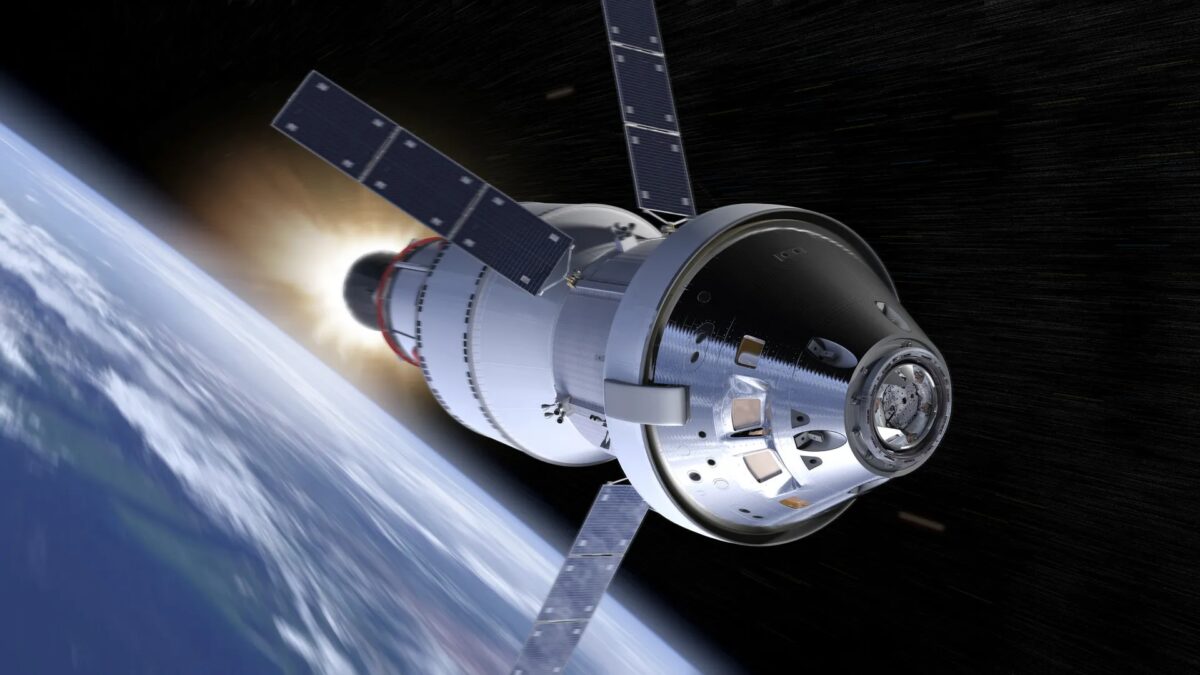
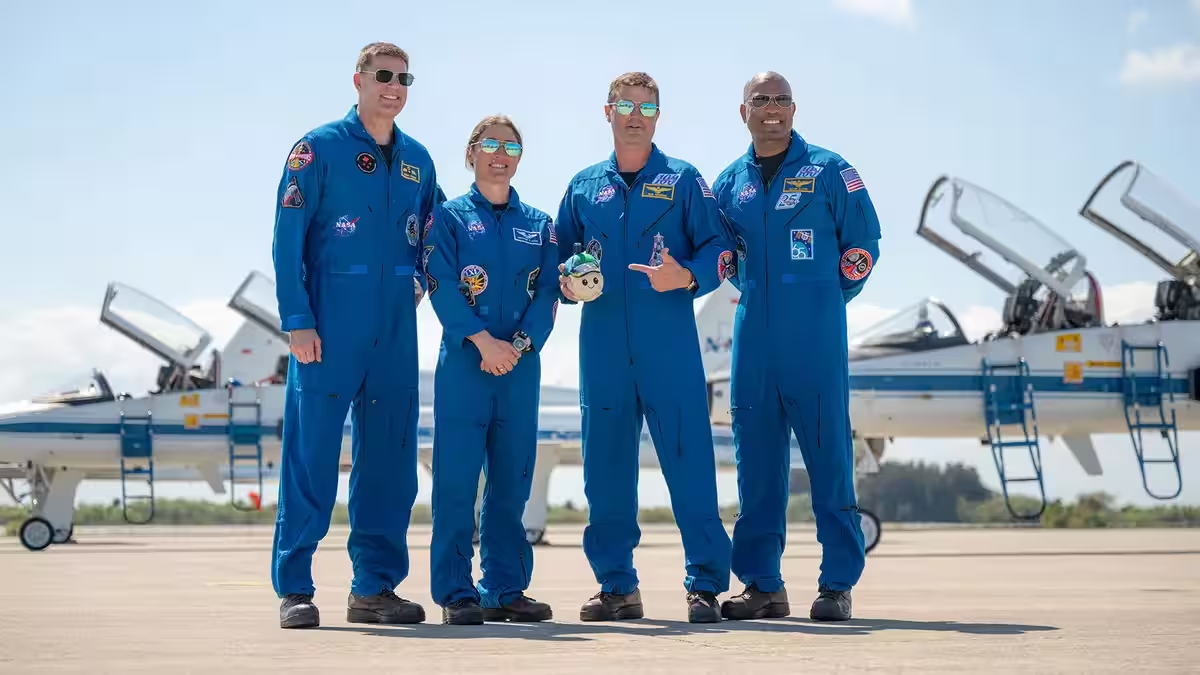
NASA’s Artemis 2 mission is shaping up like a flight plan written by a perfectionist with a stopwatch. The Artemis 2 moon trip will last 10 days, with four astronauts aboard Orion as they head around the moon and back on the first crewed lunar flyby in more than half a century.
The mission is not just about getting there. It is also a dress rehearsal for the hardware and procedures NASA wants to use on later lunar landings, which explains the obsession with burns, suit checks, radiation drills, and even how the crew sits, sleeps, and eats in deep space.
Launch day sets the pace
The opening stretch is the busiest. The first eight minutes cover ascent, booster separation, and the climb to orbit aboard NASA’s Space Launch System rocket, before Orion separates from the rocket’s upper stage and begins a set of proximity operations around it. That maneuver is a rehearsal for future mission choreography, not a vanity lap.
By the end of launch day, the crew will already be shifting from high-adrenaline ascent to housekeeping: system checks, suit changes, and the first sleep block of at least 8.5 hours. Spaceflight is full of glamour, apparently, as long as you count stowing your launch couch as a premium experience.
The first full day focuses on the moonward burn
Flight day 2 is the one that sends Artemis 2 truly on its way. After a few hours in space, the crew will fire Orion’s service module engine for a 30-minute translunar injection burn, the maneuver that commits the mission to a loop around the moon and a free-return path home. It is the sort of burn that makes a mission feel real in a hurry.
NASA has also packed the day with exercise testing, because the agency now has decades of low-Earth-orbit muscle memory from the International Space Station and wants to see how its crew tools behave farther out. On the next day, the astronauts will rehearse lunar flyby work, including observations, zero-g practice, and even CPR procedures, a reminder that deep-space missions are still glorified problem-solving sessions with better scenery.
What Artemis 2 will do near the moon
By flight day 5, the Moon’s gravity will finally dominate Earth’s and Orion will enter lunar space, making the crew the first humans to travel that far from Earth since Apollo 17 in 1972. Before the flyby itself, the astronauts will test their suits, including rapid donning, pressurization, and seating drills, because lunar ambition is useless if your emergency gear takes too long to zip up.
The main event comes on flight day 6, when Orion passes between 4,000 and 6,000 miles (6,440-9,650 kilometers) above the lunar surface. The crew will spend about three hours collecting observations, photographs, and data on geological features, and depending on launch timing could travel farther from Earth than any crewed mission in history.
- Closest lunar pass: 4,000-6,000 miles (6,440-9,650 kilometers)
- Time spent on lunar observations: about three hours
- Mission length: 10 days
The return leg is part science, part survival drill
Once Orion swings back out of lunar space, the crew will spend days talking to mission control, reviewing data, and testing how the spacecraft handles itself. One segment even includes radiation shelter practice, with water tanks and the heat shield used as improvised protection against a solar flare scenario.
The final day is pure atmosphere, literally. Orion will jettison its service module, face the heat shield into reentry, and endure temperatures of 3,000 degrees Fahrenheit (1,650 degrees Celsius) before three parachutes slow the capsule to 17 mph (27 kph) for splashdown in the Pacific Ocean off San Diego. Artemis 2 is a moon mission, yes, but it is also NASA reminding everyone that the return home is the part that has to work every single time.
If Artemis 2 stays on this script, the more interesting question may be what NASA learns from all the choreographed boredom between the headline moments. The moon flyby will get the attention, but the next crewed lunar mission will depend on whether these minute-by-minute routines prove Orion can handle the long haul without improvising.