

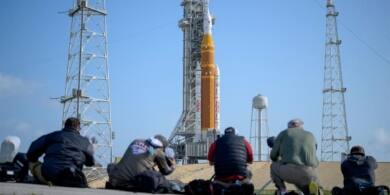
NASA says Artemis-2 is set to lift off on 1 April, sending four astronauts on a 10-day trip around the Moon and back. If the schedule holds, this will be the first crewed flight in the Artemis program and a key dress rehearsal for a lunar landing later in the decade.
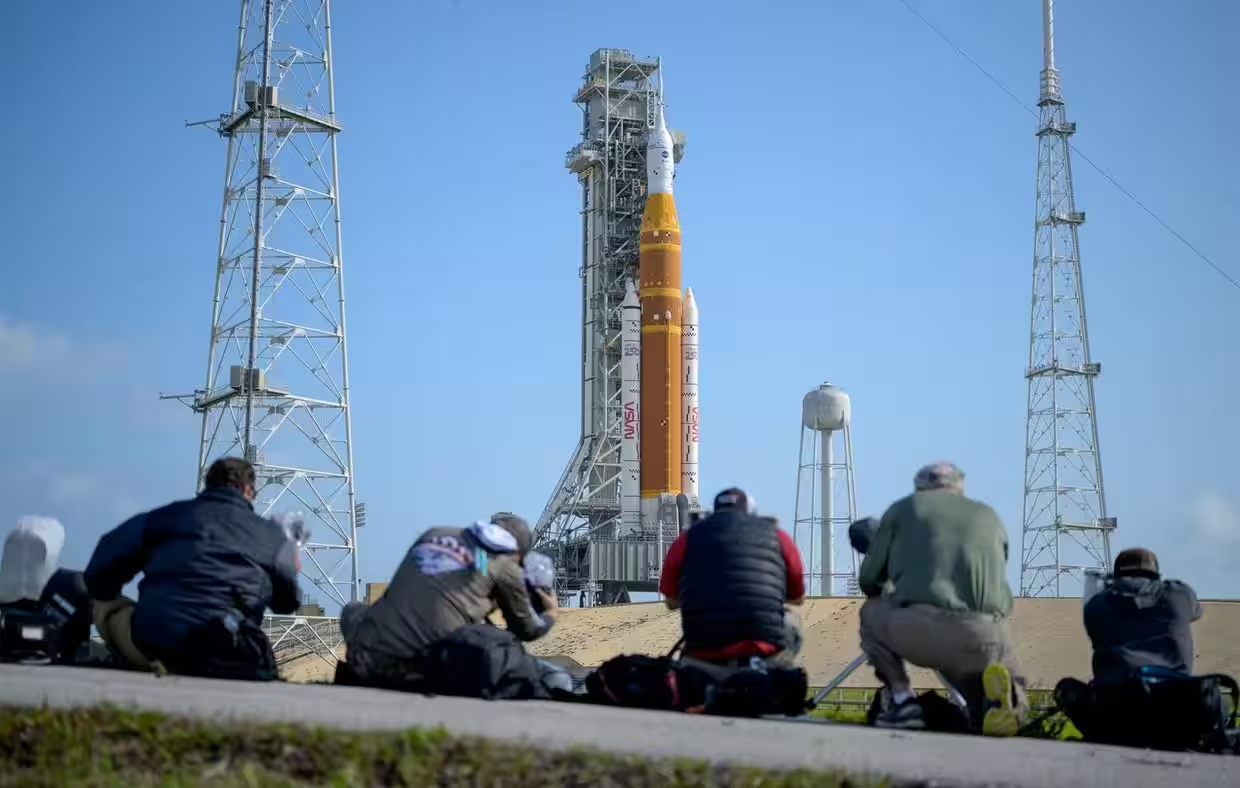
The launch window opens with a reported 80% chance of good weather, which is the sort of number rocket teams love to hear and everybody else pretends not to jinx. NASA is also planning a live stream on YouTube, because there are still some things best watched with the whole planet holding its breath.
Who is flying on Artemis-2
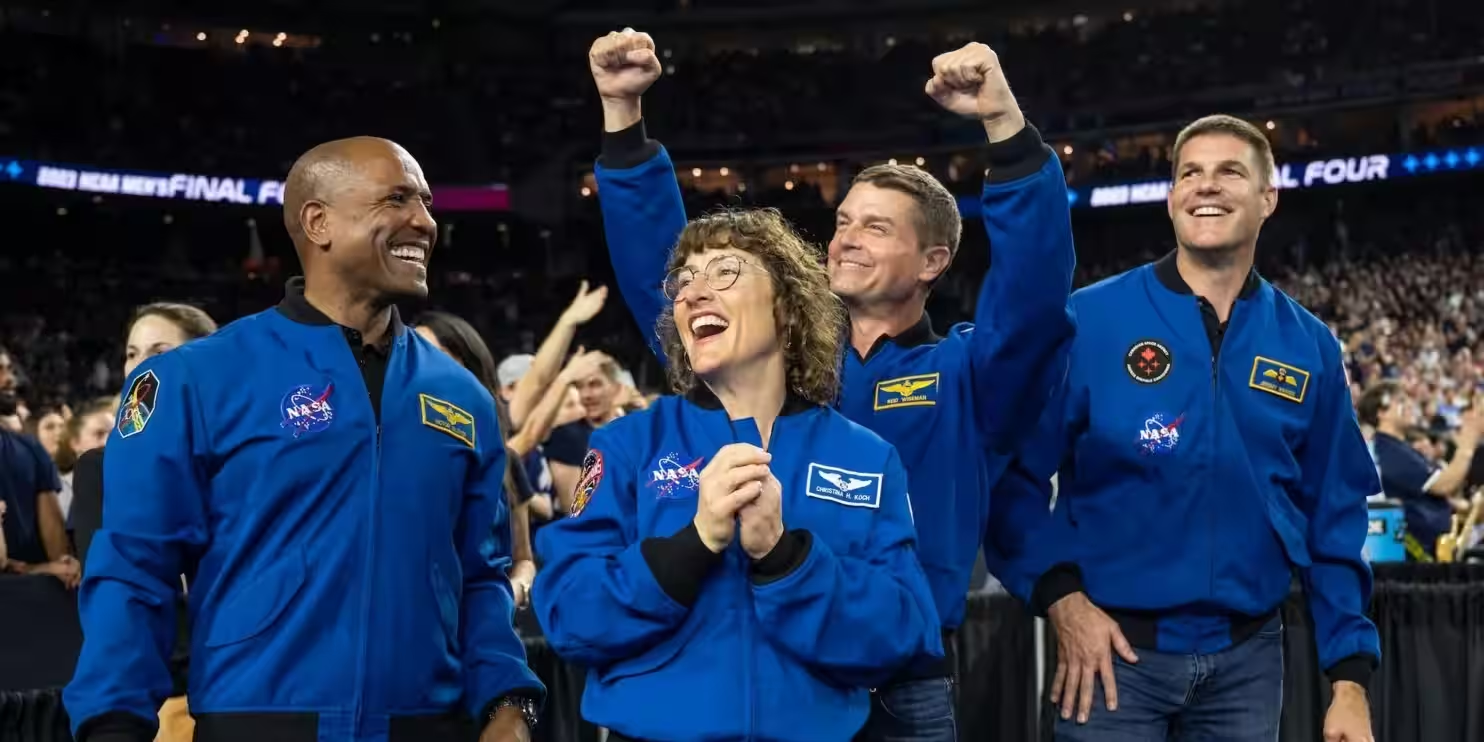
The crew includes three NASA astronauts – Reid Wiseman, Victor Glover, and Christina Koch – plus Jeremy Hansen from the Canadian Space Agency. That mix matters: Artemis is no longer just a U.S. flag-in-the-crater project, but a more visible international program with Canada along for one of the ride’s most audacious test flights.
If NASA launches on time, Orion will swing about 6,600 kilometers above the Moon’s far side and return to Earth on 10 April. The full mission is expected to last 10 days, covering roughly 1,126,300 kilometers – a very expensive way to say ”we’re checking everything before sending anyone down to the surface.”
What Orion and SLS are being tested for
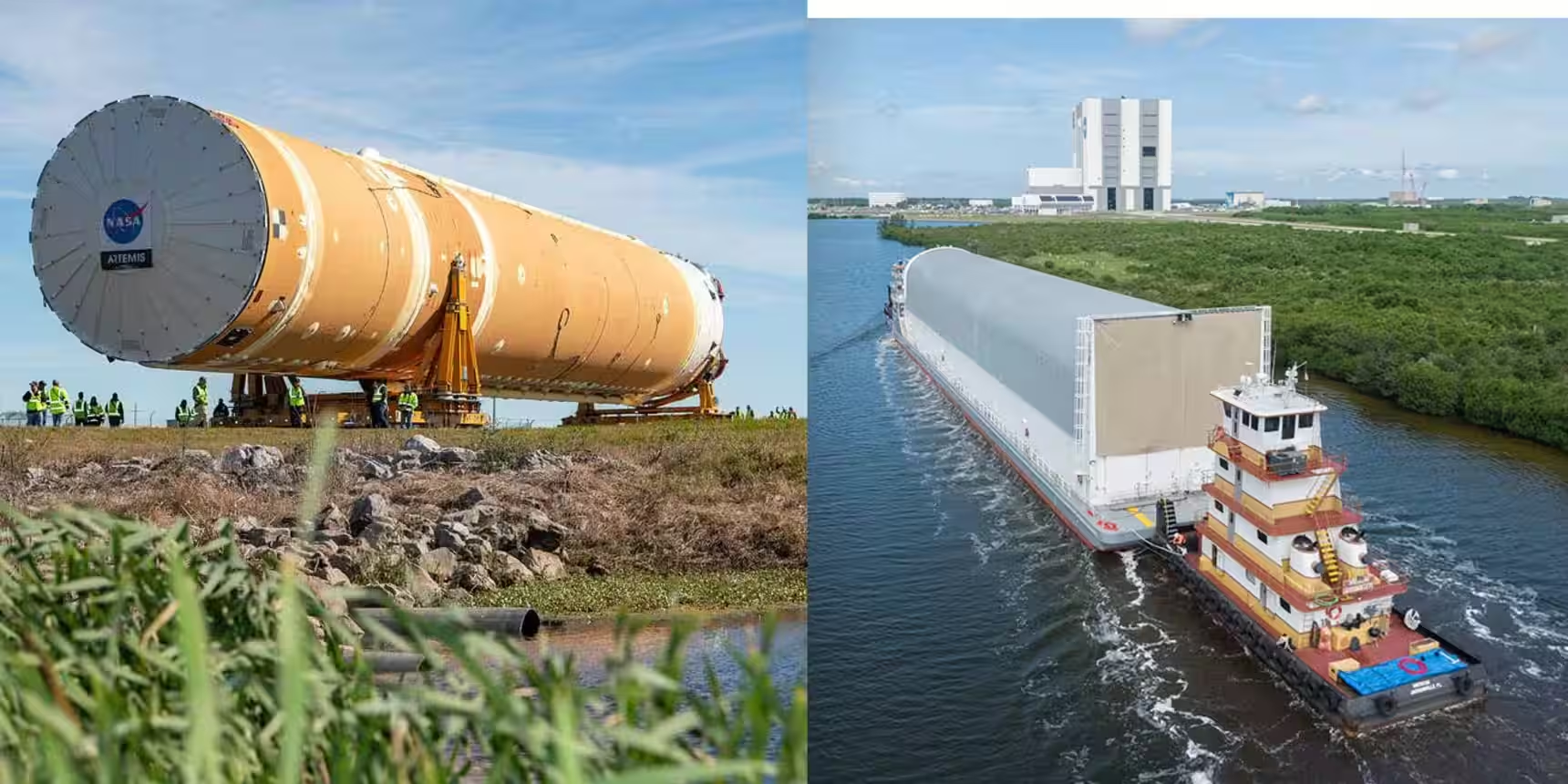
The spacecraft will fly atop the Space Launch System, NASA’s giant rocket designed to haul heavy crews and cargo beyond low Earth orbit. On the way out, the astronauts will get a view of the Moon that NASA says makes it look like a basketball held at arm’s length. Nice image, but the real point is harsher: this mission is about proving the hardware can handle the trip before anyone tries to land.
During the flyby, the crew will spend much of the day photographing, filming, and documenting what they see. NASA says they will be the first people to get a close look at some areas of the Moon from this vantage point, which is science, PR and nostalgia rolled into one very large capsule.
Artemis-2 is a step toward a 2028 lunar landing
Artemis-2 is explicitly framed as a preparatory mission for a crewed lunar landing planned for 2028. That timeline keeps NASA in the same race it has been running for years: prove the system works, keep the budget and contractors aligned, and avoid giving the Moon’s far side another reason to become a graveyard for optimistic schedules.
The backup date is 2 April. If the countdown slips, nobody at NASA will be shocked; if it doesn’t, the agency finally gets to turn years of hardware integration into something resembling the old-fashioned kind of space exploration: people leaving Earth, and coming back.