

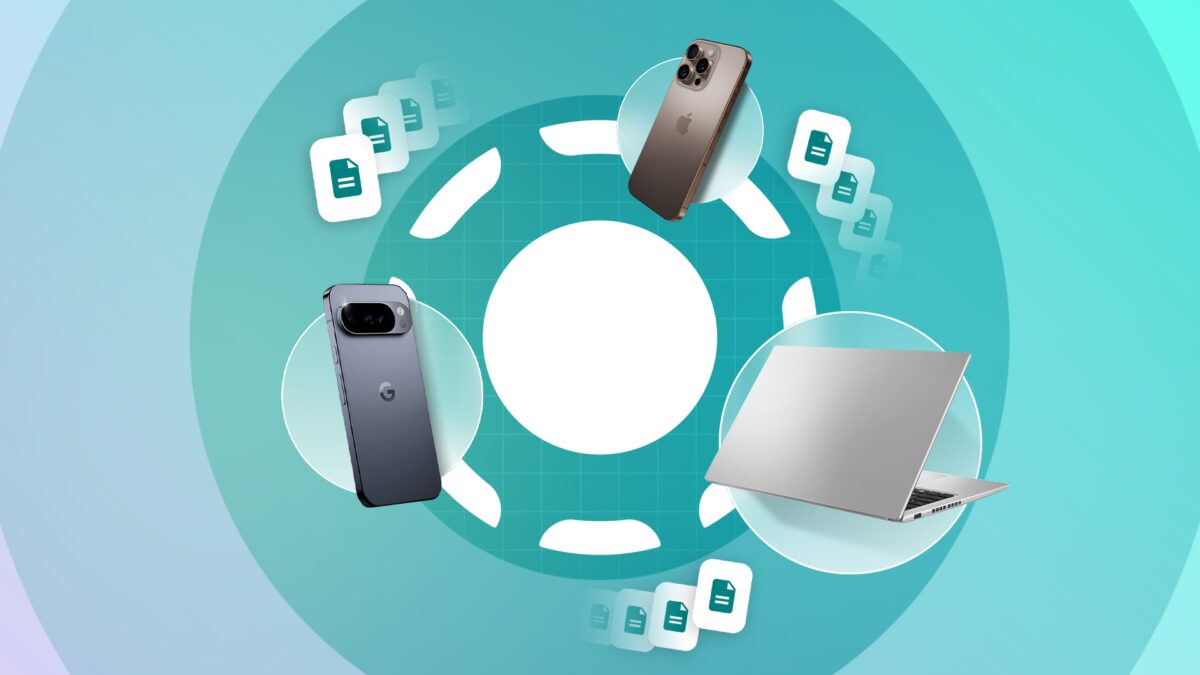
Samsung has quietly turned the Galaxy S26, S26+, and S26 Ultra into AirDrop-compatible phones, which is a very awkward sentence for Apple and a very convenient one for everyone who has spent years juggling WhatsApp compression, cloud links, and ”please install this app” excuses. The Galaxy S26 update rolled out on March 23, 2026, and it makes cross-platform file sharing feel less like a workaround and more like the default.
This is not just a Samsung flourish. Google laid the groundwork first with the Pixel 10 series, and Oppo has already said its Find X9 phones will join the party. Once one major Android brand proves the bridge works, the rest tend to stop pretending they need a separate bridge.
Galaxy S26 AirDrop compatibility: what the update adds
To get it working, Galaxy owners need Google Play Services version 26.11.33 or higher and Quick Share version 13.8.51.30 or higher. Samsung says the update handles that part automatically, which is the right move because nobody wants to hunt through menus just to send a photo. Once enabled, the phone can detect iPhones, iPads, and Macs nearby.
There is one catch, and it is very Apple. For a Galaxy device to see an iPhone or Mac, the Apple device has to set AirDrop visibility to ”Everyone.” If it stays on ”Contacts Only,” the handshake fails because Samsung cannot tap into Apple’s iCloud contact-checking system.
Why this cuts into Apple’s lock-in
Walled gardens do not survive because every product inside them is better. They survive because leaving is annoying, and file sharing has been one of the most effective forms of annoyance Apple ever invented. If your friends, co-workers, or family all use AirDrop, the person on Android becomes the person who slows everything down.
Samsung just removed that social tax. A Galaxy S26 owner can now shoot a group photo, keep the original quality, and send it straight to Apple devices without begging people to open a cloud link that expires in 48 hours or gets mangled by compression. That does more to weaken platform loyalty than a hundred glossy ads about ”ecosystems.”
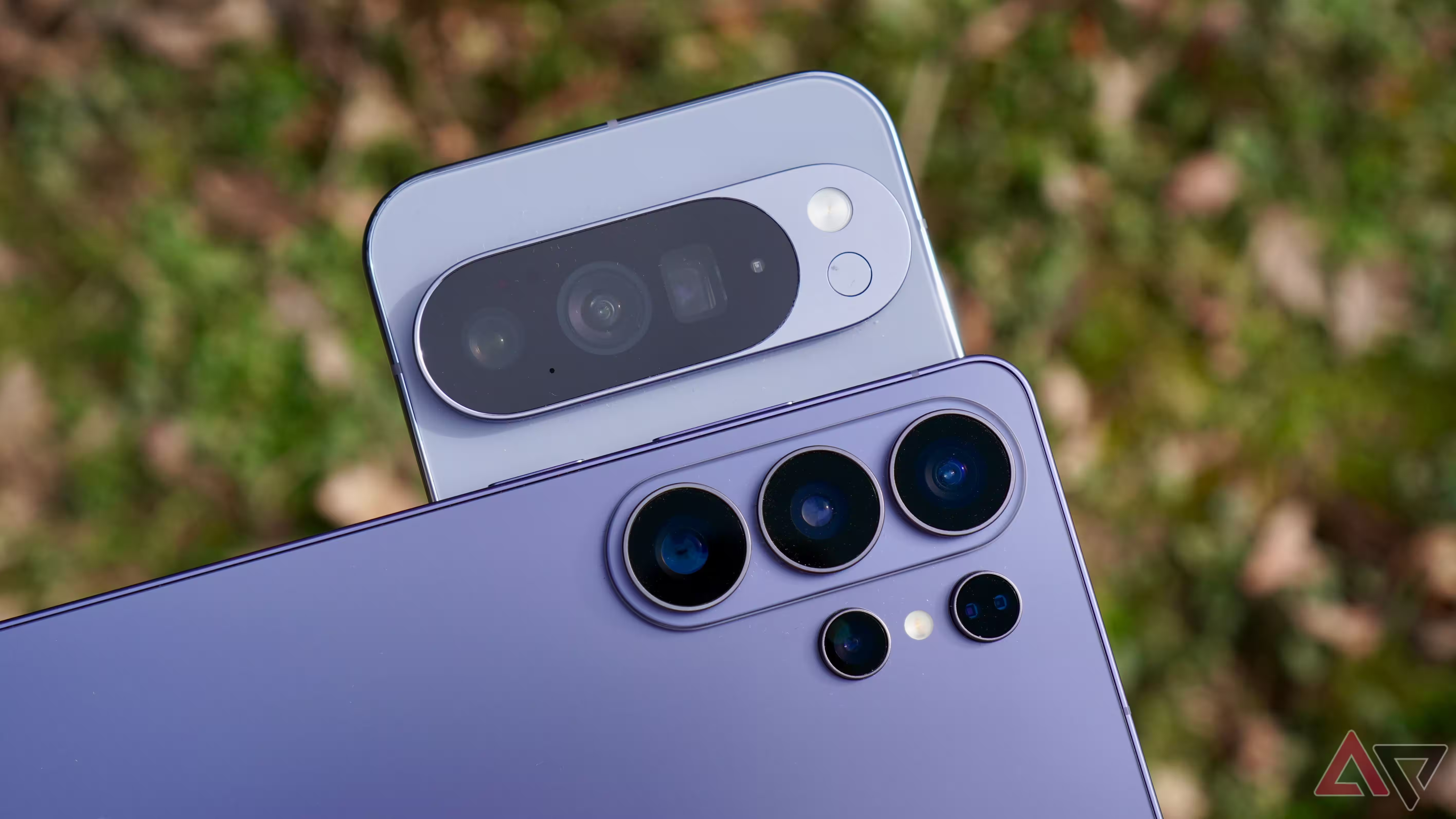
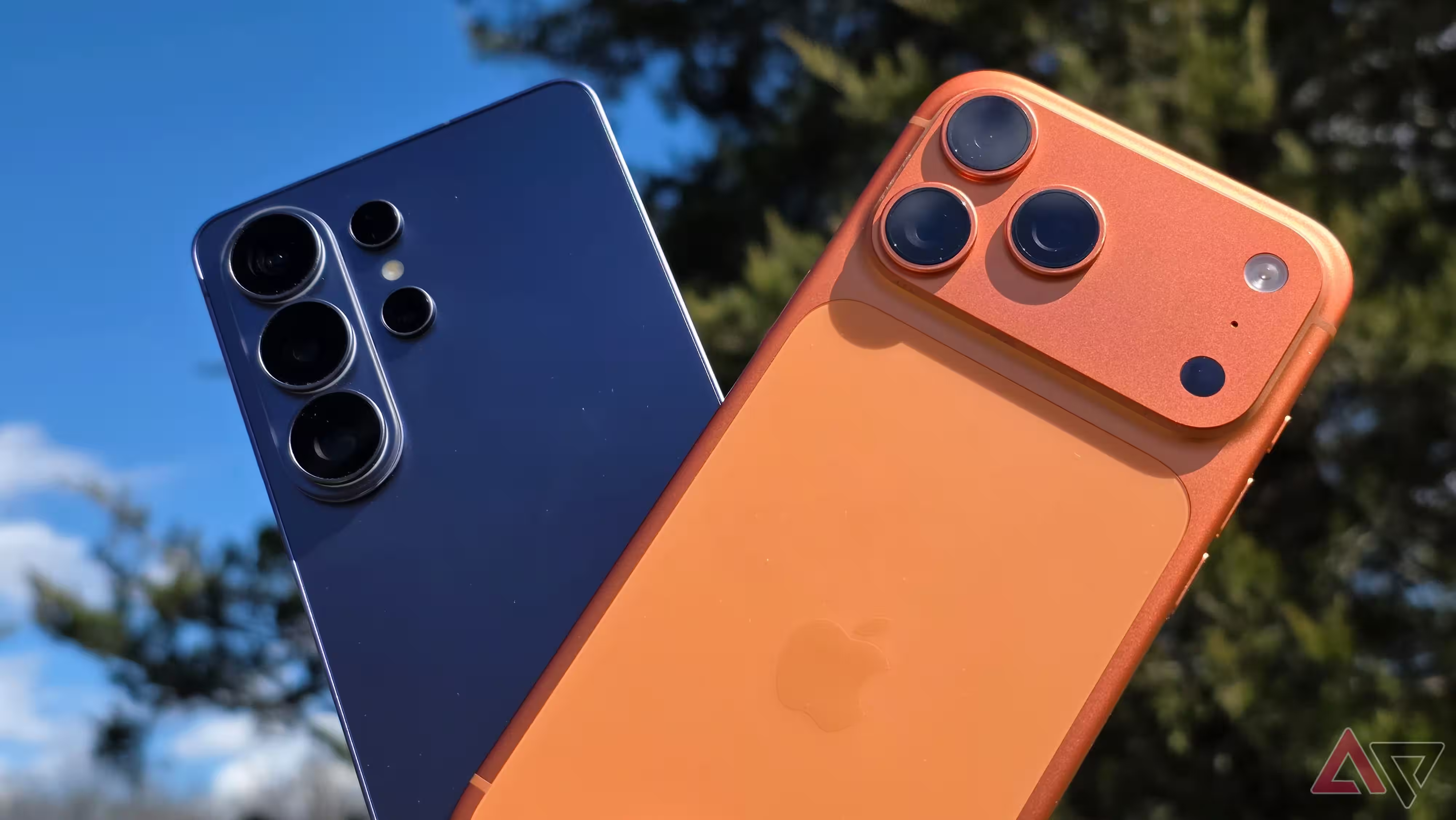
Security is the part that usually gets waved away
Opening a proprietary protocol to third-party devices sounds like a privacy headache, but the implementation is doing real work rather than hand-waving. Google built the translation layer in Rust, had NetSPI audit it, and the result reportedly showed no leakage of personal information. The transfer is peer-to-peer, so the data does not pass through Samsung, Google, or Apple servers.
That matters because the obvious alternative is the usual mess: ad-heavy transfer apps, clunky cloud uploads, and links that live longer than your patience. Samsung and Google are also mirroring Apple’s ”Everyone” visibility behavior, which means the device is not permanently advertising itself just to share a file. The irony is delicious: the more open system is, at least here, also the cleaner one.
The next phones to follow this path
Samsung is the biggest name to jump, but it is clearly not the last. Google already proved the concept with Pixel 10, Oppo has signed up with Find X9, and the rest of the Android field now has a pretty good excuse not to keep reinventing bad sharing apps. Once this becomes normal, ”What phone do you have?” stops being a sharing problem and goes back to being just a question.
Apple can grumble, and it probably will, but the regulatory backdrop is doing most of the heavy lifting. The European Union’s Digital Markets Act has forced interoperability conversations that Apple never volunteered for, and those conversations are now turning into features users can actually touch. The more this spreads, the harder it gets to argue that platform choice should come with a punishment fee.
The real question is how long Apple can keep AirDrop as a soft moat once the biggest Android brands can jump it. My bet: not very long, and certainly not long enough for Samsung to start caring about your WeTransfer link ever again.