

Google is reshaping how Android handles sideloaded apps by introducing mandatory developer verification, signaling a significant shift in Android’s sideloading landscape. Starting today, Android developers can register and verify their apps via the Play Developer Console, laying the groundwork for this new security measure that aims to reduce malware risks while still preserving user freedom.
While sideloading-the process of installing apps outside of the Google Play Store-remains popular for accessing apps not officially distributed through Google’s ecosystem, it has long carried risks. Malware can slip through when apps come from untrusted sources. Until now, users had full control without much intervention. Google’s new approach attempts to strike a balance by making developer verification mandatory for sideloaded apps, starting in select markets before a worldwide rollout.
Developer verification requirements for sideloaded Android apps
The new system asks developers to register and verify their apps using Google’s Developer Console. Once implemented fully, devices will check this verification status before allowing installation or updates of sideloaded apps. For now, these requirements are rolling out gradually, with users in Brazil, Indonesia, Singapore, and Thailand seeing changes first in September 2026. A global rollout is expected in 2027.
Users won’t experience immediate restrictions today, as sideloading will continue as usual during the initial phases. However, when the policy is fully enforced, unverified apps won’t be blocked outright but will require users to use advanced sideloading techniques such as Android Debug Bridge (ADB) or other ”advanced flows” to bypass the verification checks. This extra step is designed to discourage casual sideloading of potentially unsafe apps without removing the freedom entirely for power users.
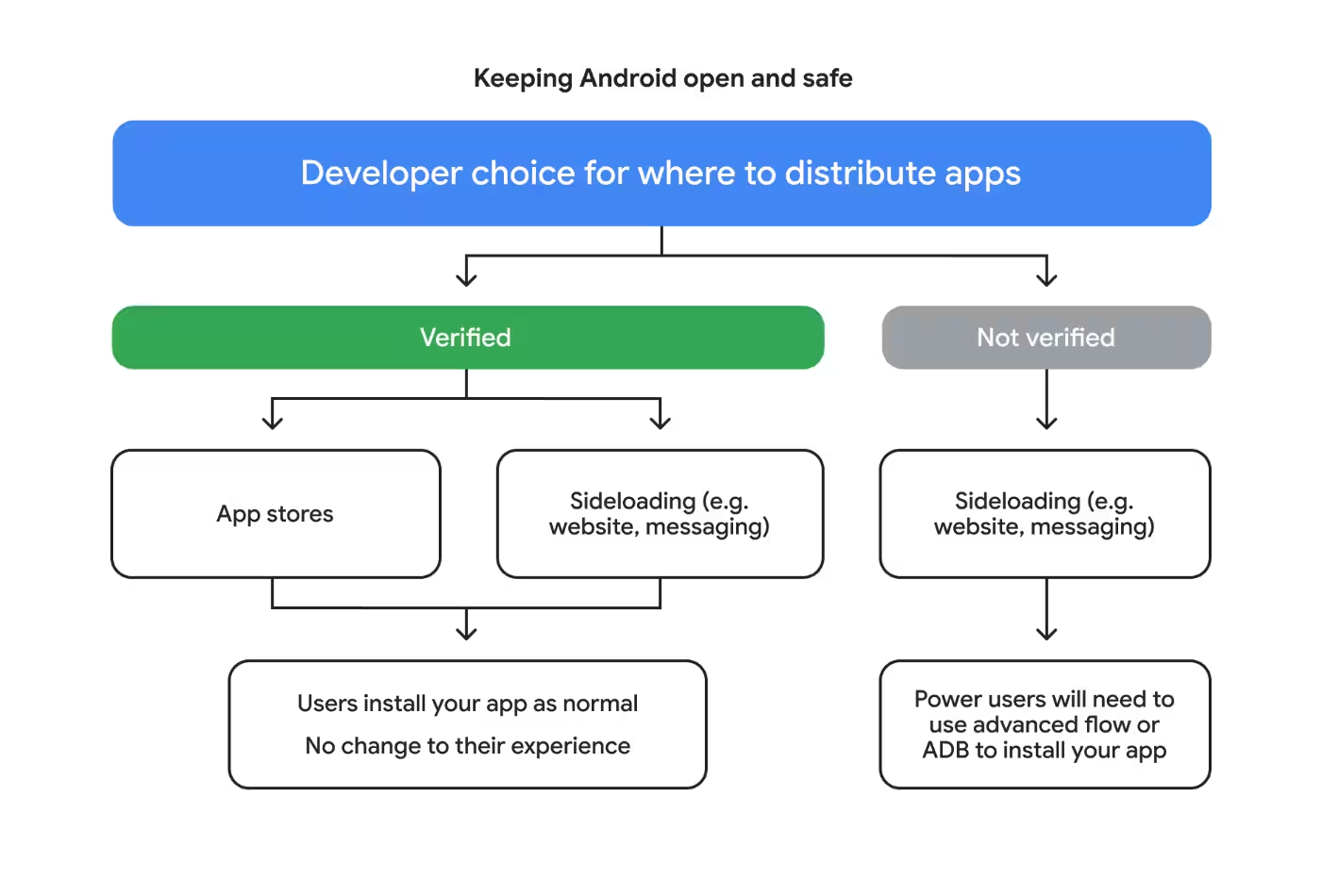
This approach allows Google to improve Android’s security model without a hard ban on sideloading, which would have sparked strong backlash from developers and privacy advocates. Instead, this two-tiered framework empowers developers to easily verify their apps while making it more complicated for less scrupulous app authors to distribute malware-laden software casually.
Google’s public timeline breaks down as:
- April 2026: Android Developer Verifier appears in system settings.
- June 2026: Limited developer accounts open for students and hobbyists.
- August 2026: Limited distribution accounts launch globally; advanced sideloading flows for power users become available.
- September 30, 2026: Verified app registration required for installs and updates on certified devices in Brazil, Indonesia, Singapore, and Thailand.
- 2027: Global enforcement of the new sideloading rules.
This measured implementation helps Google navigate regulatory pressure and user safety concerns without alienating Android’s core appeal: choice. Other platforms, like iOS, famously restrict apps to curated stores, but Android has always embraced wider app availability. Google’s strategy here might set a new standard for how mobile OSes can handle sideloading security without completely shutting doors.
The upcoming months will reveal how developers adapt and whether users accept new hurdles for sideloaded apps. As Android tightens controls, the essential question is whether this results in a healthier app ecosystem or simply more inconvenience layered atop an already fragmented app distribution landscape.