

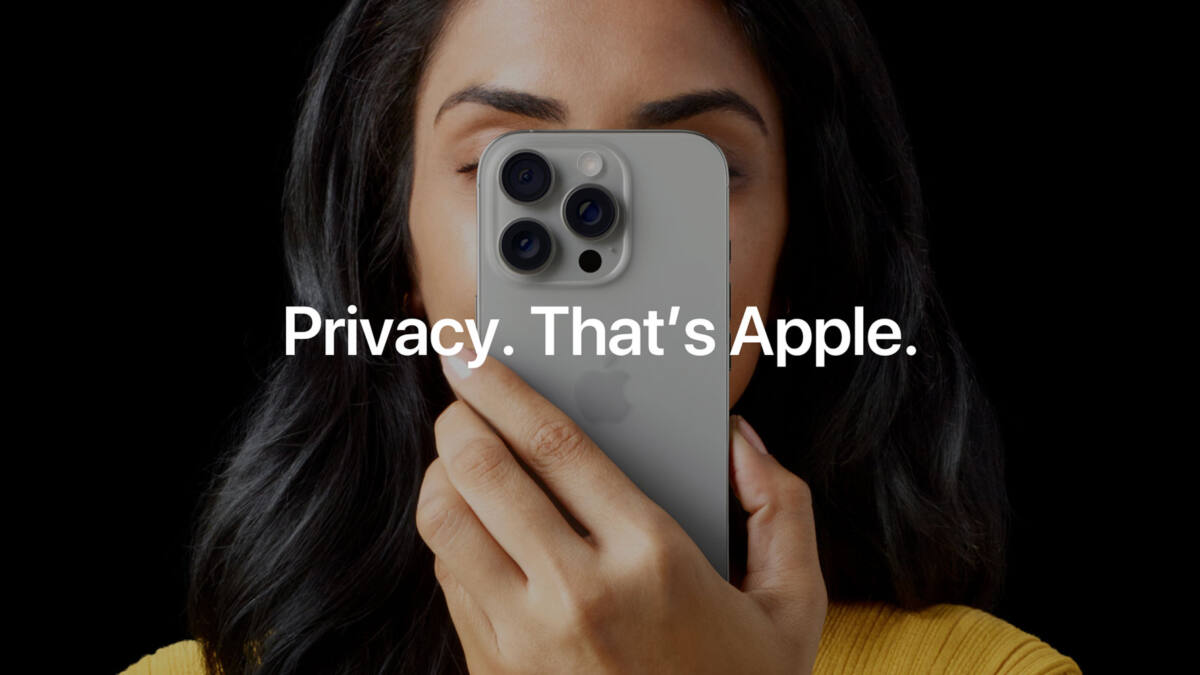
Apple has rolled out updated privacy rules governing how third-party accessories can access and handle iPhone notifications and Live Activities data. This move follows regulatory pressure in the European Union, where Apple’s notification forwarding features for third-party devices will become mandatory under the Digital Markets Act (DMA). Despite Apple’s long-standing concerns about privacy risks, the company has set strict limitations to prevent misuse of sensitive notification content while complying with the new legal landscape.
Last year, Apple publicly criticized the DMA, highlighting that it compels the company to share user data with third parties, potentially exposing sensitive information like messages, emails, and medical alerts. Apple designed iOS to keep notification content inaccessible even to itself, but this safeguard does not extend to third-party accessories required to receive such data under European interoperability rules. With the release of iOS 16.5 beta 1 and an update to the Developer Program License Agreement, Apple is detailing how these third parties must handle forwarded notification content.
Apple’s new restrictions on third-party notification forwarding and Live Activities
Apple’s updated agreement introduces section 3.3.3 (J), focusing on the Accessory Notifications Framework and Accessory Live Activities Framework. It explicitly forbids third-party devices from using notification data for advertising, profiling, machine learning model training, or location tracking. Forwarded information cannot be shared beyond the specific accessory the user has authorized, nor can it be altered in meaning. Crucially, accessories are barred from sharing encryption keys or storing user notification data in the cloud, except when minimally necessary for delivery.
Decryption of notification content is restricted to the accessory itself. These measures aim to maintain user privacy despite opening access to sensitive notification data for third-party integration. Apple also clarified that support for this notification forwarding system is controlled at the user level, so apps won’t be forced to participate automatically.
This regulatory-driven change could pave the way for new accessory experiences across the EU, such as smartwatches and automotive displays showing detailed iPhone notifications and Live Activities. However, by strictly limiting data use and distribution, Apple seeks to balance compliance with its staunch privacy commitments.
Similar efforts to regulate accessory access to notifications have yet to appear outside Europe, but this could signal a shift in how Apple approaches third-party integrations worldwide. Whether such restrictions slow innovation or protect user trust remains an open debate.