

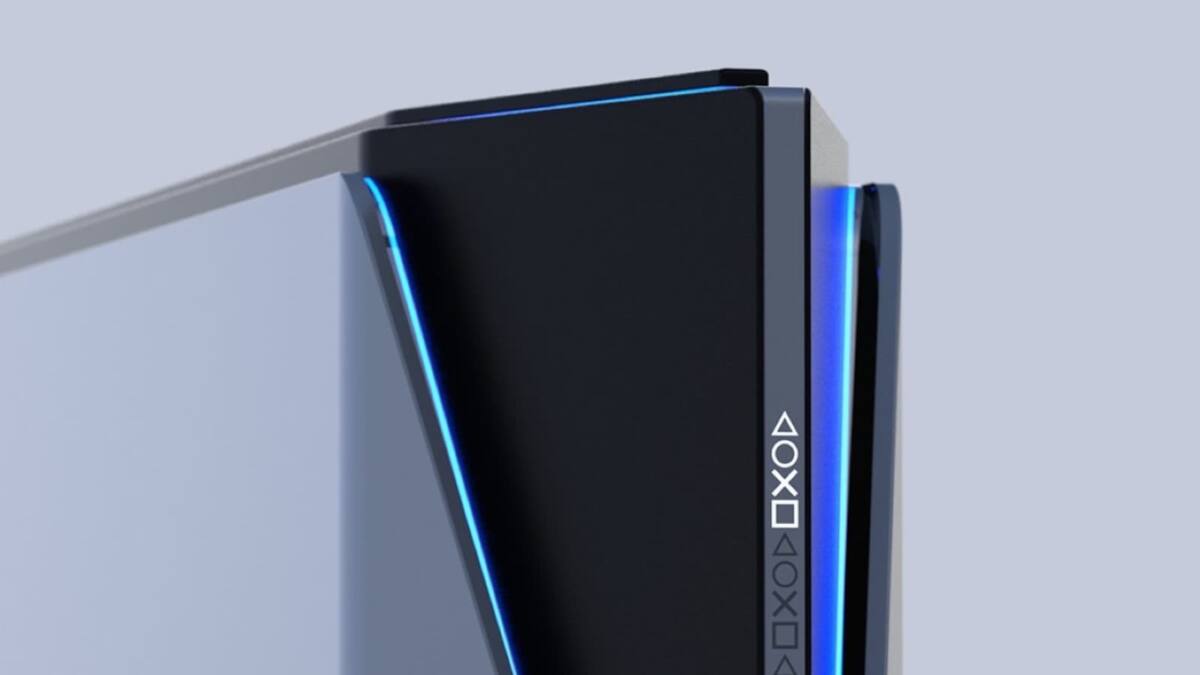
The next-generation PlayStation could surprise gamers by cutting storage capacity in half compared to the PS5 Pro and eliminating the disc drive entirely. According to insider Kepler_L2, who has previously leaked verified details about AMD products, the base model of PlayStation 6 might come with just a 1TB SSD and no physical drive. This marks a notable shift, as Sony’s current high-end consoles typically offer between 2TB and 4TB of storage, along with a disc reader.
The reduction in onboard storage has sparked concern given the ongoing ballooning of game sizes. However, Kepler_L2 points to new neural network-based texture compression technology built into the PS6 software development kit (SDK) that could shrink game file sizes substantially. This AI-driven compression may outperform current methods, allowing games to take up less disk space despite their increasing complexity.
On pricing, the insider estimates the manufacturing cost of the console at around $760, suggesting Sony might charge approximately $699 if it decides to subsidize the hardware, replicating its strategy from previous PlayStation launches. Yet, this subsidy is not guaranteed, potentially meaning a higher retail price or reduced profit margin for the company. Removing the disc drive might be one way Sony aims to cut costs without compromising performance.
Impact of removing the disc drive on PlayStation 6’s design and strategy
Removing the disc drive isn’t just a cost-saving measure; it signals Sony’s push toward a fully digital gaming ecosystem. Gamers who still prefer physical copies may need to reconsider their habits or retain older consoles for disc playback. This aligns with industry-wide trends, as Microsoft’s Xbox Series S and digital editions also forgo disc drives, catering to a generation that favors digital purchases and streaming.
A smaller SSD will affect how players manage their game libraries, making faster offloading and downloading strategies essential. Developers and publishers might also optimize game content more aggressively, leveraging the neural compression technology promised in the SDK. Still, this creates a gamble for Sony as some players may push back against limited storage, especially collectors and enthusiasts with large backlogs.
Sony’s bet on neural compression could pay off if it allows PS6 to maintain or even improve game fidelity while reducing file sizes. However, the technical leap involved is significant; success depends heavily on developers adopting these tools and integrating them effectively across titles.
Change isn’t new for Sony-each PlayStation generation has refined the balance between hardware, price, and capabilities. However, reducing storage this generation might be a risky move, especially as competitor consoles continue to increase specs and capacity.