

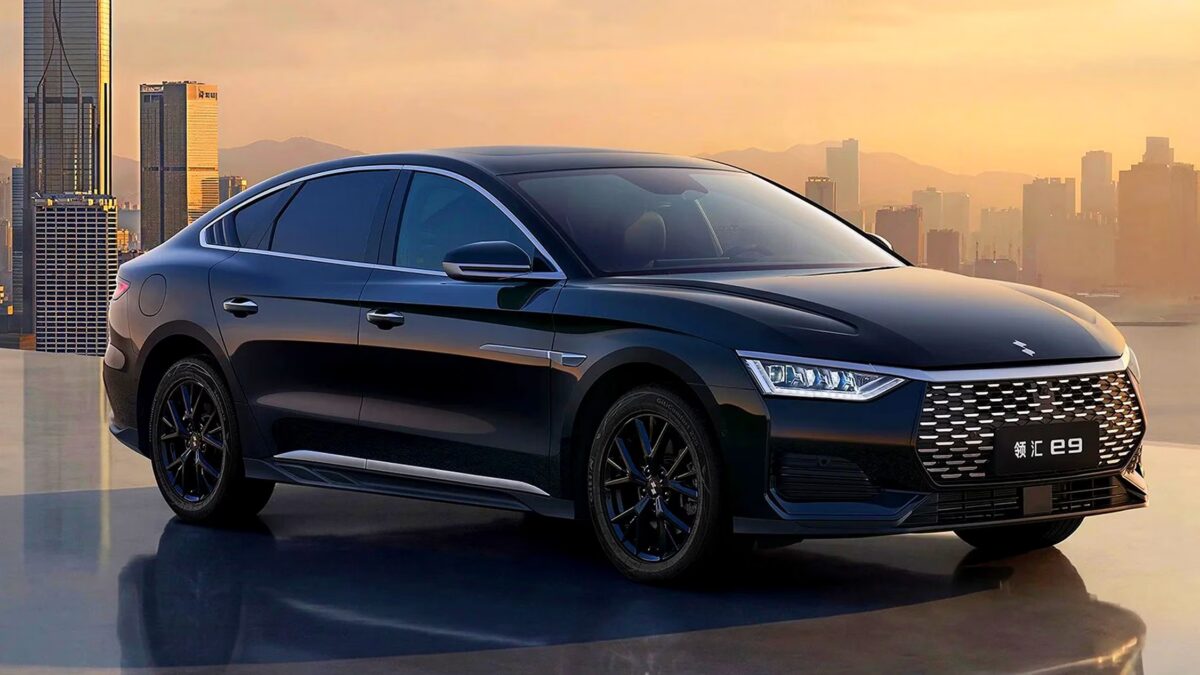
BYD is spinning off its commercial electric vehicles into a new subbrand called Linghui, aiming to separate its fleet-focused image from consumer cars. While BYD’s EVs dominate Chinese ride-hailing services, this close association with budget taxis threatens to hurt its appeal among private buyers.
Competitors like GAC’s Aion and Neta have already faced sales declines after becoming too synonymous with low-cost fleets. Now BYD hopes to avoid that pitfall by moving its commercial EV lineup under the Linghui banner, signaling a fresh start.
Linghui commercial EV models and features
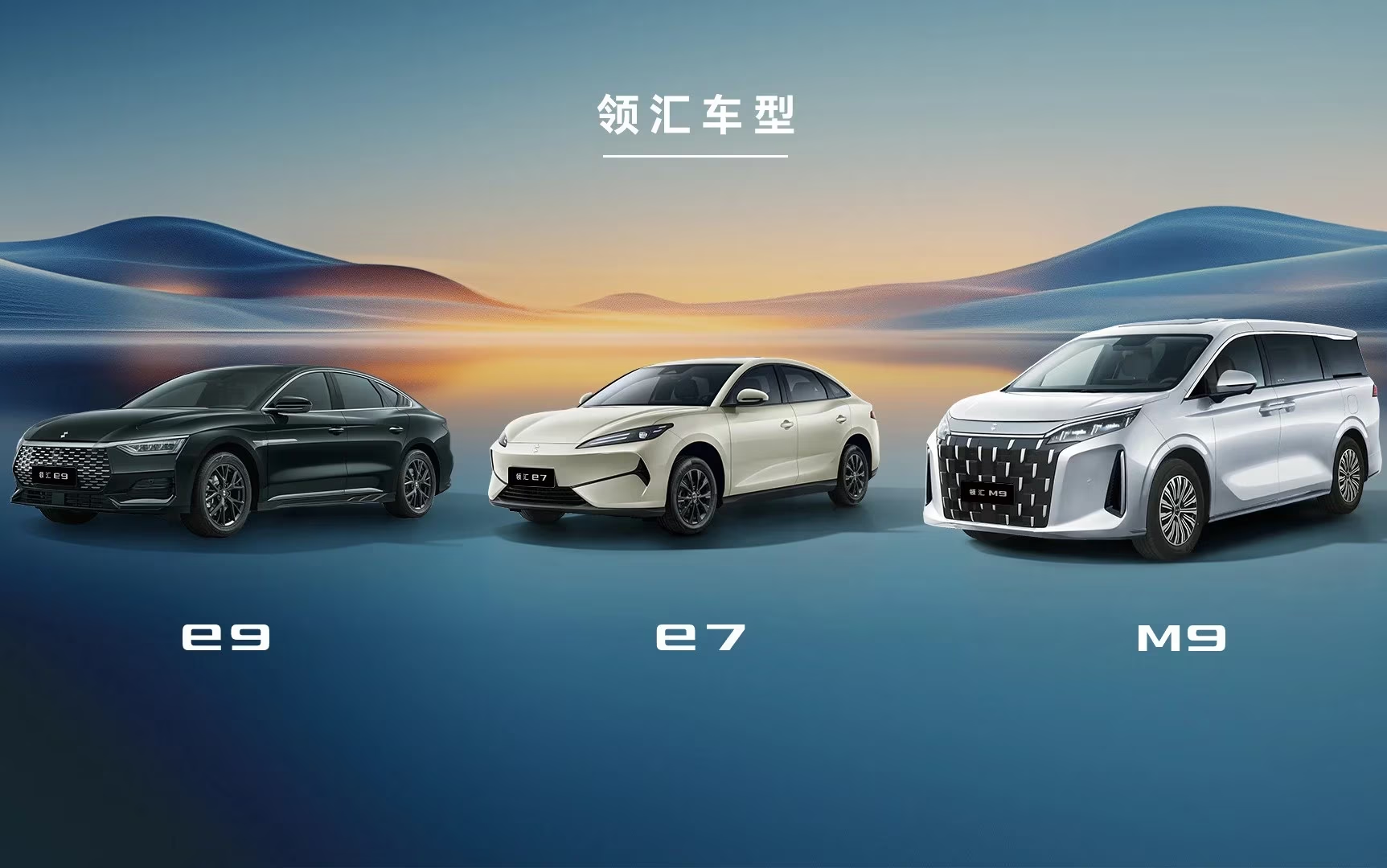
Linghui’s debut models include updated versions of familiar BYD electric vehicles: the e5, e7, and e9 sedans, alongside the M9 hybrid minivan. The headline is the Linghui e7, a 4.78-meter sedan powered by the latest second-generation Blade battery and a new Flash Charging System that can recharge the battery from 10% to 97% in just nine minutes.
Linghui e7 pricing and charging benefits
To boost Linghui’s growth, BYD is adopting an aggressive pricing strategy combined with perks. Buyers of the e7 receive one year of free charging at Linghui and Didi charging stations-networks that already cover 127 Chinese cities.
For commercial drivers covering around 100,000 kilometers annually, this can translate to savings of roughly 16,000 yuan ($2,300), money that stays directly in the driver’s pocket. This reinforces Linghui’s appeal as a practical work vehicle in China’s booming EV fleet market.
Impact of Linghui subbrand on BYD’s commercial and consumer sectors
By shifting its commercial lineup to Linghui, BYD can protect its core brand’s image from taxi associations while maximizing profitability in the fleet segment. Against the backdrop of rising import duties in Europe, BYD’s move highlights the intense competition shaping the global electric vehicle industry.
Watching how Linghui carves out its niche will be key. Will separating commercial EVs under a dedicated brand boost BYD’s standing among private consumers? Or will Linghui need to evolve beyond inexpensive fleet workhorses to build long-term value? The strategy marks a bold attempt to balance fleet dominance with consumer prestige in an increasingly crowded EV market.