

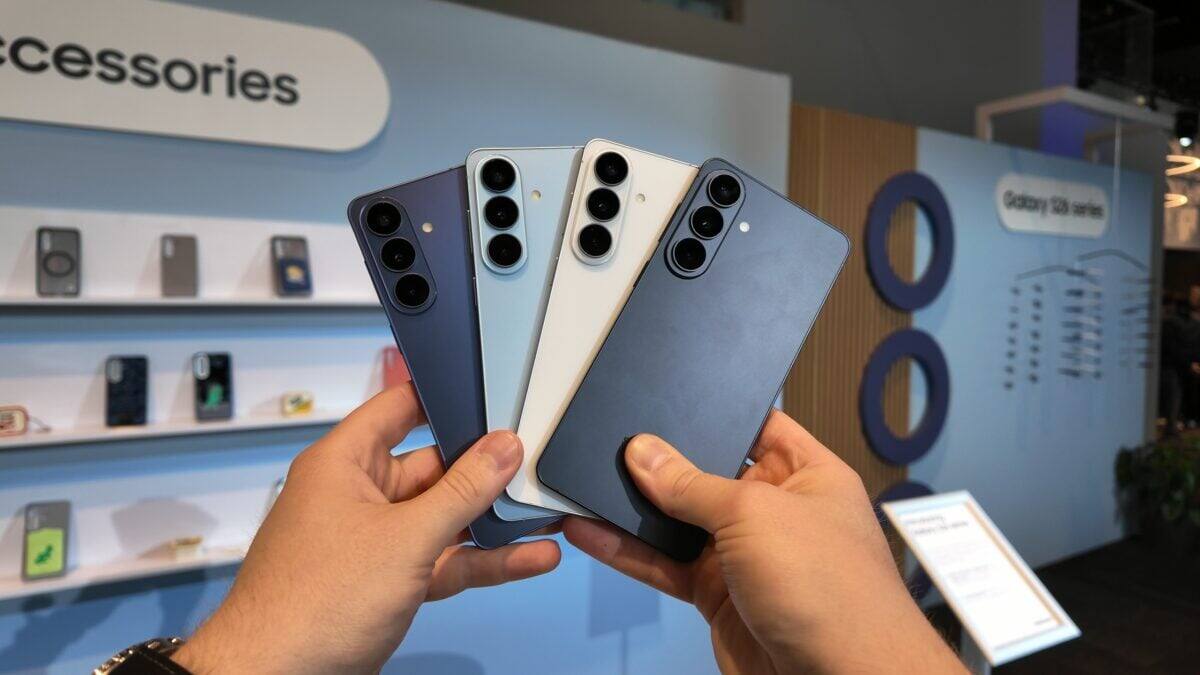
Samsung’s Galaxy S26 comes in two processor variants: the Exynos 2600 and the Snapdragon 8 Elite Gen 5. While the Exynos 2600 promised improvements over its predecessor, a new battery test highlights a clear disadvantage in endurance compared to Qualcomm’s chip. The Snapdragon-powered model outlasted the Exynos by nearly two and a half hours in a real-world usage scenario, reigniting doubts about the power efficiency of Samsung’s in-house chip.
The disparity in battery life became evident during a comprehensive test conducted by YouTube channel Android Addicts, which ran identical tasks on both Galaxy S26 variants. These tasks included phone and video calls, streaming on Prime Video and YouTube, social media use on Instagram, TikTok, and X, 4K video recording, Google Maps navigation, and 3D gaming benchmarks. The Exynos 2600 model lasted 6 hours and 48 minutes, whereas the Snapdragon 8 Elite Gen 5 clocked an impressive 9 hours and 26 minutes.
This 28% longer runtime for the Snapdragon 8 Elite variant highlights that despite Samsung’s efforts to fix the inefficiencies of earlier Exynos chips, the newest iteration still struggles to keep pace with Qualcomm’s flagship processor. These findings confirm what many users feared: the choice of SoC could significantly affect battery endurance on the Galaxy S26.
Samsung’s dual-sourcing approach, tailoring chipsets to regions, inevitably creates a divide in user experience. The Exynos lineup, despite meaningful internal upgrades aimed at mitigating heat and performance issues seen in models like the Exynos 2500, hasn’t closed the battery life gap. Qualcomm’s Snapdragon 8 Elite Gen 5 continues to dominate in power efficiency and sustained performance, a key metric for flagship smartphones where longevity is vital.
With battery life becoming a critical purchasing factor, this test may intensify pressure on Samsung to unify its chip choices or push the Exynos team to accelerate improvements. Meanwhile, buyers face a tough choice, as regional availability determines whether they get the longer-lasting Snapdragon or the shorter endurance Exynos model. The performance gap might even influence Samsung’s chip strategy for upcoming flagship launches.