

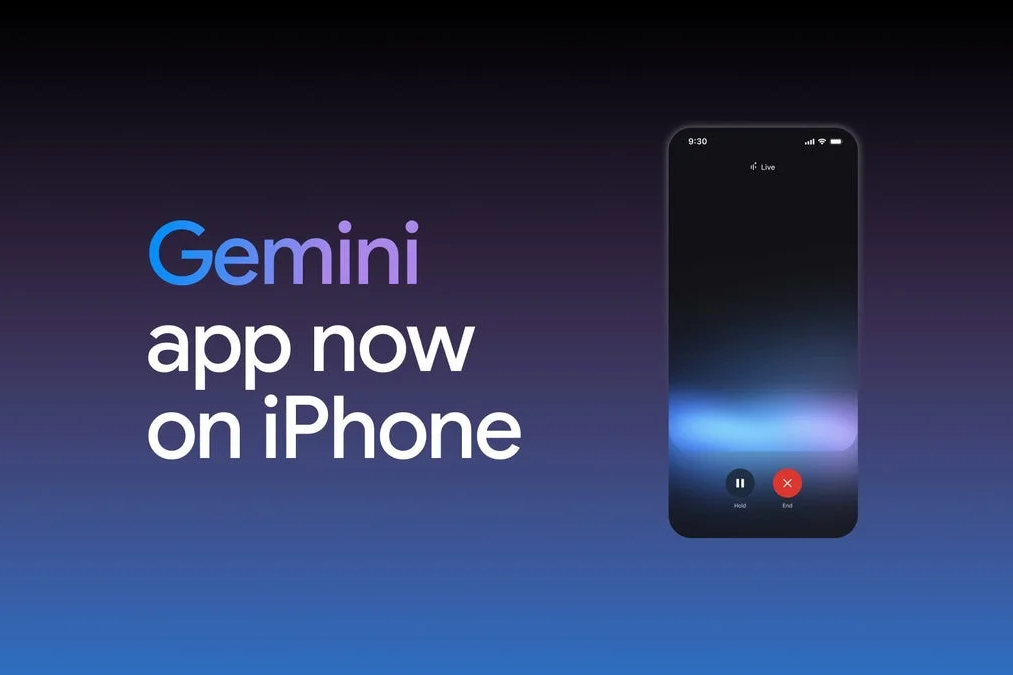
Apple has quietly shifted its AI approach with the upcoming iOS 27, acknowledging it can’t outpace giants like Google or OpenAI on artificial intelligence alone. Instead of competing by building a superior AI assistant, Apple plans to turn the iPhone into a hub where users can access multiple AI chatbots, including Google’s Gemini, OpenAI’s ChatGPT, and others, directly through Siri.
At WWDC on June 8, Apple is expected to unveil ”Extensions,” a new feature that integrates popular AI chatbots into the iOS experience, letting users install and interact with them through Siri. This creates an AI app ecosystem within the App Store, where third-party assistants can live alongside Apple’s own AI. The updated Siri will be powered primarily by Google’s Gemini technology, ensuring a baseline level of competence without pushing Apple’s in-house AI as the sole option.
Apple’s new AI strategy in iOS 27
This pivot reflects a strategic acceptance: Apple’s AI efforts-like Siri-have repeatedly fallen behind, with delays and underwhelming improvements frustrating users. Apple’s decision to embrace outside AI rather than build solo is reminiscent of its long-standing App Store model, where it offers its own apps but also thrives by letting competitors coexist and taking a cut from paid services.
Integration of third-party AI chatbots through Siri Extensions
Apple’s AI team was reorganized last year as the company struggled to advance AI internally, a move that now appears to have set the stage for this new collaborative strategy. Recognizing AI as the next major platform, Apple is betting on its strengths: its loyal user base, its ecosystem, and the iPhone’s role as a digital home rather than a narrow assistant interface.
Benefits of multiple AI assistants in one place
Instead of stubbornly trying to out-engineer companies with deeper AI expertise, Apple is practically becoming a platform landlord for AI. Users benefit from having multiple AI choices in one place, while Apple secures ongoing revenue through App Store subscriptions tied to these offerings. The key question remains whether this will translate into a smoother, more effective AI experience on iPhones, or just feel like Apple outsourcing its AI challenge.