

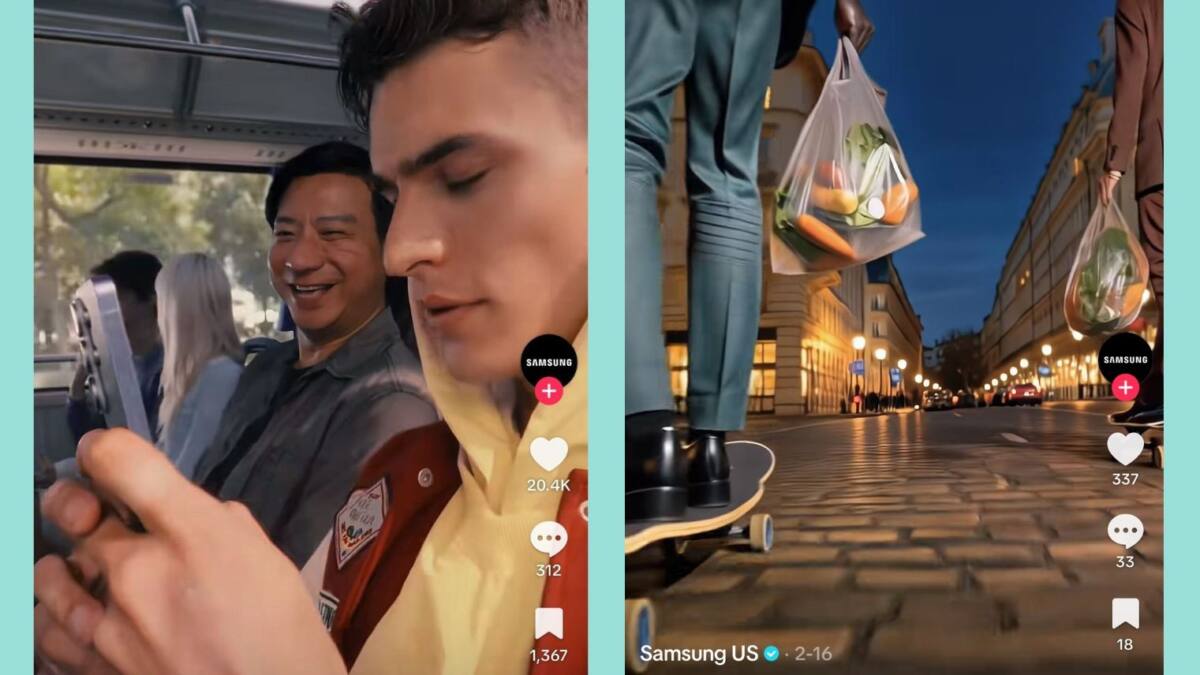
TikTok’s requirement for advertisers to disclose AI-generated content is proving more wishful than effective. Despite clear policy demands, some major brands, including Samsung, have run ads on TikTok created with generative AI but failed to include the mandated AI labels. This has left users guessing which ads are genuinely AI-produced, undermining transparency efforts.
Samsung, notably a member of the Content Authenticity Initiative alongside TikTok, is a case in point. Videos showing AI use carry proper disclosures on YouTube but not on TikTok ads promoting the Galaxy S26 Ultra’s privacy features. The inconsistency suggests that either Samsung didn’t inform TikTok about the AI origin of these ads or TikTok neglected to enforce its own labeling rules.
TikTok demands advertisers disclose when content is ”significantly” AI-generated-defined as beyond minor edits, including fully AI-created visuals or AI-manipulated subjects performing actions or speech they never did. Disclosure can take the form of TikTok’s label, or custom captions and stickers to alert viewers.
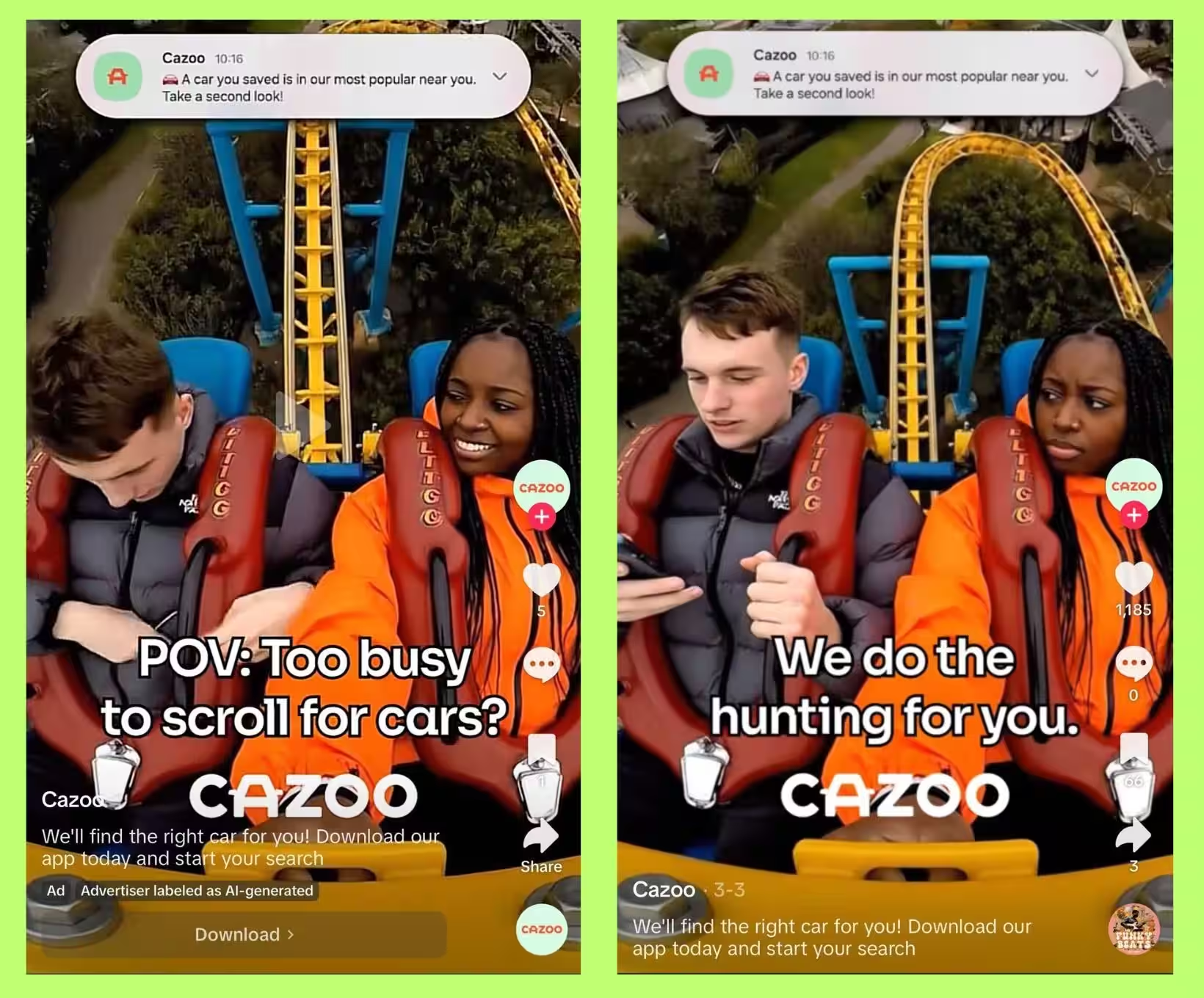
Yet, when pressed, TikTok declined to clarify why AI disclosures were missing on Samsung’s ads, citing only its AI labeling policies and partnership with C2PA standards. Meanwhile, UK-based used car retailer Cazoo recently updated its TikTok ads with the required AI disclosure after unusual visual glitches drew suspicion-a rare instance of enforcement triggered by user vigilance.
The absence of a reliable, automated way to identify AI-generated content complicates matters. Technologies like C2PA Content Credentials and SynthID offer provenance tracking, but their impact depends on widespread industry adoption-something still far off. This lack of standardization allows discrepancies, particularly when advertisers and platforms don’t fully cooperate.
Advertising regulations demand honesty to protect consumers from deception, as seen in cosmetics and influencer marketing scandals. With AI-generated ads rising globally, governments in the EU, China, and South Korea are pushing for mandatory AI disclosure rules, signaling stricter enforcement ahead. Non-compliance risks fines and reputational damage.
When giants like TikTok and Samsung stumble on transparency in a heavily regulated arena, smaller or less scrutinized advertisers could exploit these gaps to mislead audiences more freely. It’s encouraging that TikTok has started applying AI labels more proactively after direct flags, but the system should not rely on manual intervention by vigilant users. Robust, automated, and enforced AI labeling in advertising remains an overdue necessity.