

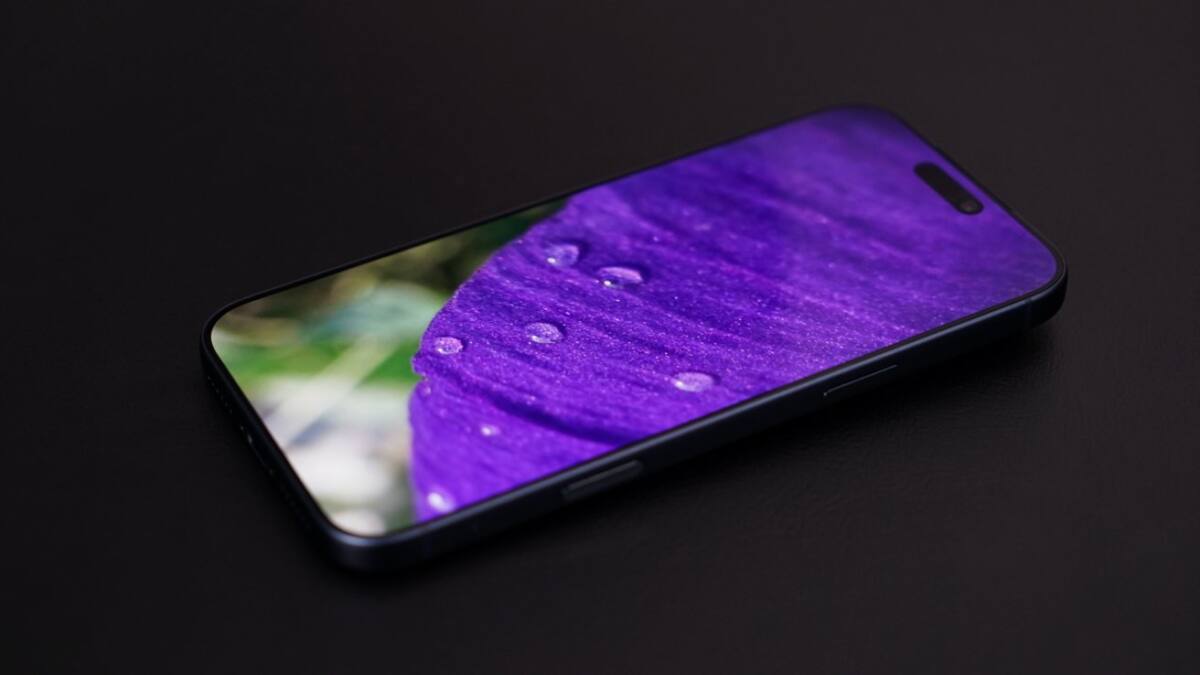
Apple appears set to gradually retire its Dynamic Island feature in favor of under-display sensor technology, aiming for an uninterrupted all-screen iPhone design. According to a recent leak from Chinese tipster Digital Chat Station, the company plans to incrementally shrink the front-facing sensor area-from the current Dynamic Island to a smaller cutout, and eventually to a punch-hole camera with Face ID concealed beneath the display. This phased roadmap aligns with longstanding analyst predictions and supply chain rumors about Apple’s efforts to blend Face ID security with sleek hardware refinements.
Introduced with the iPhone 14 Pro, the Dynamic Island cleverly masks the notch hardware using animated software that doubles as a key interface element. While popular, this design is a visible compromise. Apple’s ultimate goal is a wholly unobtrusive front display, matching or surpassing high-end Android phones that have experimented with under-screen cameras.
However, moving Face ID’s infrared sensors beneath an OLED screen is a formidable technical challenge. Signal quality and sensor reliability tend to degrade under the display, threatening the accuracy and security Face ID is known for.
These hurdles explain why Apple has not rushed the transition and why the Dynamic Island remains the company’s current solution: it balances hardware constraints with user experience. The rumored strategy starts with relocating Face ID sensors under the display to create a smaller ”island,” followed by concealing Face ID completely while leaving only a tiny punch-hole for the camera. This gradual evolution reflects Apple’s typical multi-year approach to major hardware changes, allowing time to refine technology and give developers a chance to adapt.
Interestingly, the leak also mentions internal experiments with a prototype featuring a four-curved display and under-display camera, which would mark a significant design departure from the flat-edged iPhone style introduced in 2020. Such hardware ventures often serve exploratory purposes to test durability, manufacturing limits, and user interactions but also come with risks like accidental screen touches and accessory incompatibility-challenges that Apple usually approaches cautiously.
Apple’s ongoing effort to reduce visible display interruptions follows a broader aesthetic trend that began with thinner bezels and tighter hardware integration. Unlike Android rivals that have sometimes rushed under-screen camera tech with mixed results, Apple seems committed to preserving Face ID’s seamless security experience before fully discarding the Dynamic Island. The shift away from this signature UI element will likely unfold over several iPhone generations, ensuring a smooth transition rather than an abrupt redesign.
In this context, the Dynamic Island stands as a clever stopgap-embracing its compromises while Apple perfects next-generation display technology. Until under-display sensors match current performance, Apple is prioritizing Face ID reliability and user experience over a fully bezel-less front.