

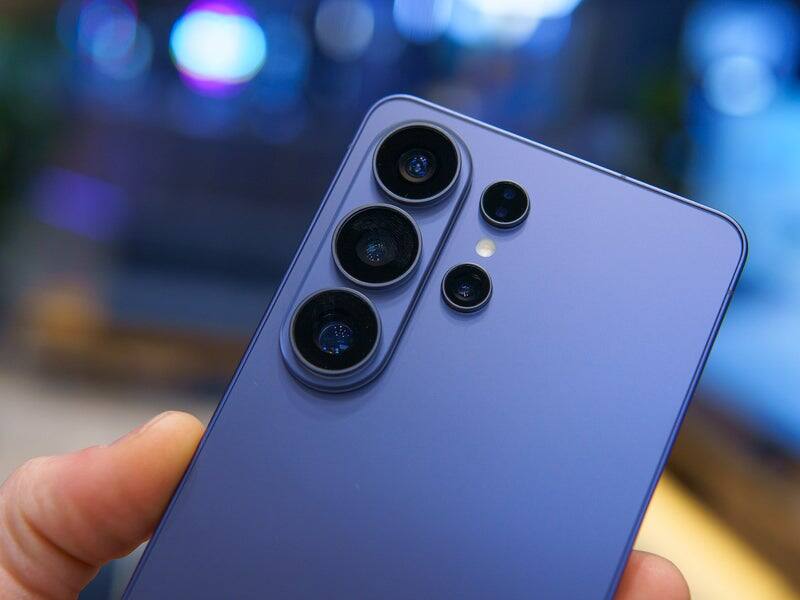
Samsung’s Galaxy S26 Ultra features a privacy screen designed to prevent onlookers from viewing the content on your phone, enhancing user security. However, this innovation has led to mixed reactions: many early adopters report discomfort and dissatisfaction with the display quality, causing some potential buyers to hesitate. Approximately 36 percent of respondents in a recent poll said display issues deterred them from purchasing the device, while 30 percent of owners confirmed problems or unmet expectations with the screen’s performance.
Despite the privacy screen’s appeal, users have noted that the display can cause eye strain or appear less refined compared to previous Samsung flagship models. In contrast, 33 percent of those surveyed reported no problems, showing that user experience with the new display varies widely. Samsung has acknowledged these concerns and offered incentives to customers who keep their Galaxy S26 Ultra, a rare move indicating the issue’s significance and the company’s commitment to customer satisfaction.
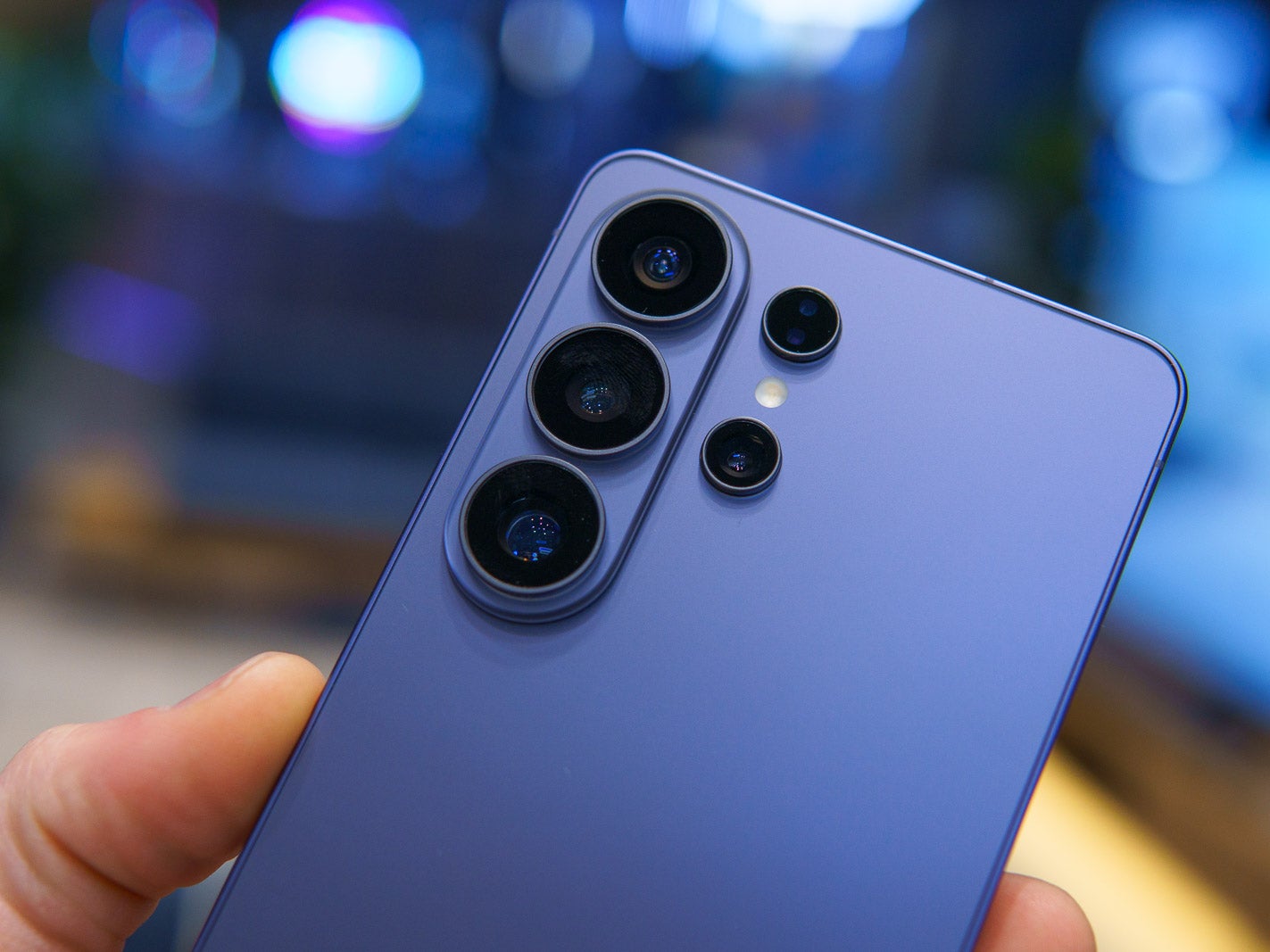
The Galaxy S26 Ultra also includes other notable upgrades, such as enhanced camera apertures and faster charging capabilities, along with a suite of AI-powered software improvements. For buyers focused on photography and performance, these enhancements may compensate for the display’s shortcomings. However, for users sensitive to screen quality, the privacy display feature might be a deal-breaker.
This situation highlights challenges common to first-generation technologies. Early versions often have flaws that can negatively impact user experience. Samsung’s privacy screen appears no different, with the company likely to refine or reconsider this feature in future Galaxy S models. If the issue remains disruptive, the privacy display could be discontinued, illustrating that innovation sometimes requires difficult trade-offs.
Meanwhile, Samsung is offering substantial discounts on the Galaxy S26 series, including up to $720 off the Ultra model and trade-in incentives, likely responding to tempered demand caused by the display complaints. Future updates or hardware revisions may better balance privacy and display quality, or the privacy display might remain a niche feature rather than becoming mainstream.