

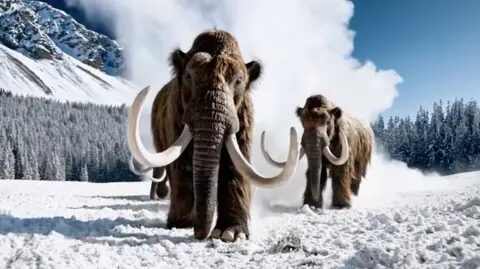
OpenAI has discontinued its AI video-generation app Sora, less than two years after its widely noted 2024 debut. The shutdown marks the end of OpenAI’s collaboration with Disney, which had licensed characters like Mickey Mouse and Star Wars’ Yoda for AI video creation-a three-year agreement that aimed to legitimize the use of intellectual property in AI-generated content. OpenAI said it is pivoting away from consumer video tools to focus on robotics and more autonomous AI systems designed to tackle real-world physical tasks.
Sora attracted attention for producing remarkably realistic videos from simple text prompts, setting new standards in AI creativity. However, it also triggered legal and ethical debates over copyright infringement and the potential disruption of the entertainment industry. Disney’s spokesperson acknowledged OpenAI’s decision to exit the video generation space and confirmed the company’s commitment to collaborating with other AI platforms to responsibly navigate intellectual property use.
OpenAI’s pivot from Sora video app to autonomous AI and robotics
OpenAI confirmed that its image-generation features within ChatGPT remain unaffected, emphasizing that the technology behind Sora will now be redirected toward developing ”agentic” AI capable of autonomous operation with minimal human input. This strategic realignment places OpenAI among a growing number of AI firms shifting away from creative media generation to practical applications involving robotics and task automation.
Challenges in AI video generation and intellectual property licensing
The AI video generation sector has become increasingly crowded, with competitors like China’s Seedance also gaining attention-sometimes controversially-for creating hyper-realistic videos featuring popular Hollywood figures without clear licensing. OpenAI’s exit from video tools signals a possible shakeout in this aggressively expanding sector, where regulatory, ethical, and commercial pressures are intensifying.
The Disney deal had been regarded as a potential model to balance innovation with intellectual property rights, but OpenAI’s departure suggests the challenges outweighed immediate returns.
Future directions for OpenAI in robotics and autonomous AI systems
Ultimately, OpenAI’s withdrawal from video generation highlights the difficulties of commercializing AI that intersects with sensitive intellectual property and media ecosystems. Its renewed focus on robotics and autonomous AI could offer clearer paths for impact and monetization. This shift reflects a broader trend among AI developers to concentrate on domains where ethical complications are more manageable and use cases more tangible.