

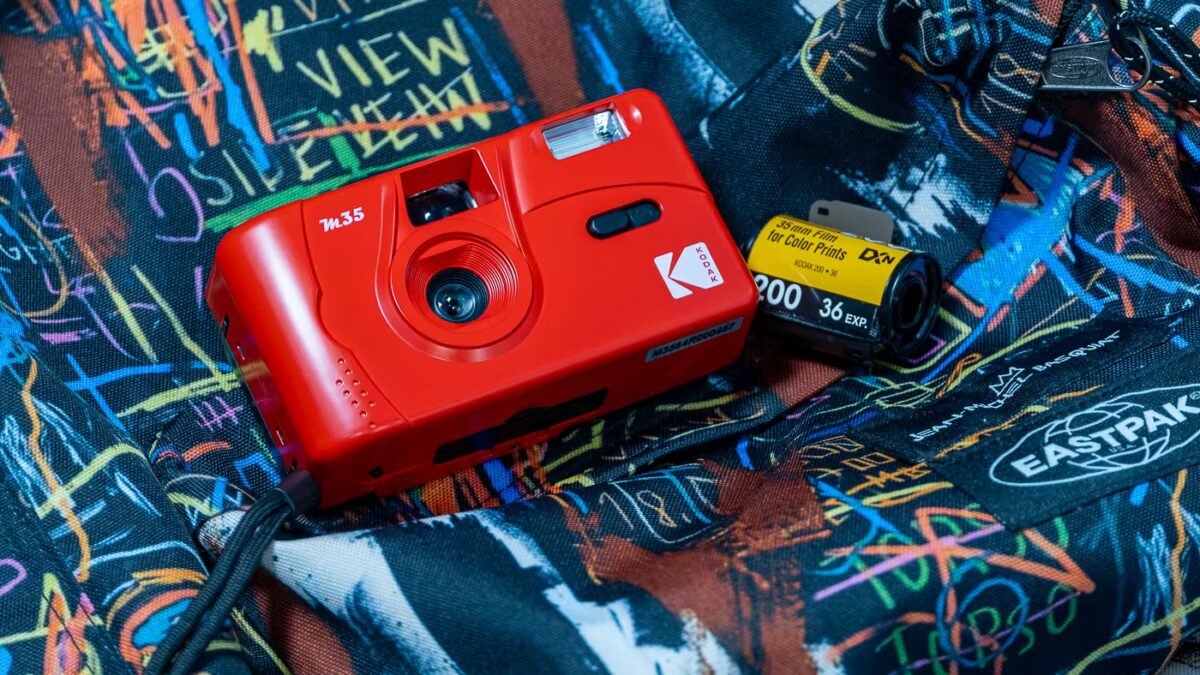
Forget instant everything-Kodak’s M35 film camera is making a surprising comeback among Gen Z, proving that slow, analog photography has appeal in a world obsessed with immediacy. This 35mm reusable film camera isn’t about manual controls or high-res snaps; it’s about embracing the unpredictability and tactile charm of shooting on film in the age of AI and endless scrolling.
The M35 is a simple plastic point-and-shoot film camera that taps into the growing analog renaissance fueled by young people frustrated with the sterile perfection of digital images. Produced under Kodak’s brand but made in China by Sino Promise, this camera evokes nostalgia while offering an approachable entry point for anyone curious about film without the hassle of complicated settings.
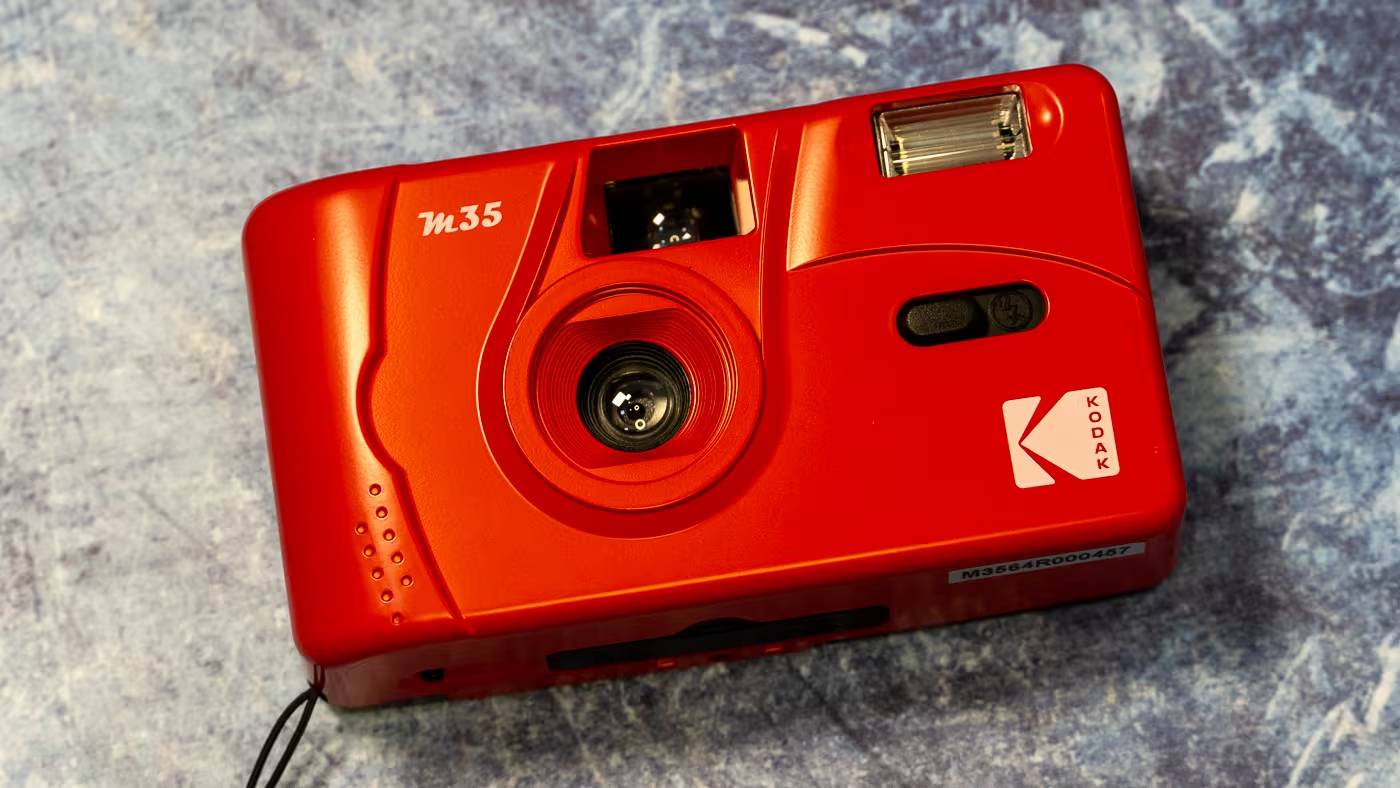
What is the Kodak M35 film camera and who is it for?
The film revival isn’t about retirees being nostalgic-it’s a deliberate aesthetic choice by digital natives who’ve grown weary of pixel-perfect photos. The M35 is essentially a fully plastic, compact alternative to disposable film cameras designed for users who want to shoot 35mm film without fiddling with manual focus or exposure. Spoiler: there are no settings to adjust.
Kodak’s name on the M35 acts like a cultural shorthand-the brand still resonates as iconic, even though the company behind this model is a Chinese licensee. While this camera isn’t connected to Kodak’s Rochester legacy, it does offer an honest price and just the basics you need to start shooting film.
Design and ergonomics of the Kodak M35 film camera
The M35 ships in a plain cardboard box, often bundled with a roll of film and batteries. You can buy film separately from various online marketplaces, often cheapest direct from China. The camera takes a single AAA ”finger” battery, which is widely available. I opted for the kit since the price difference was minimal.
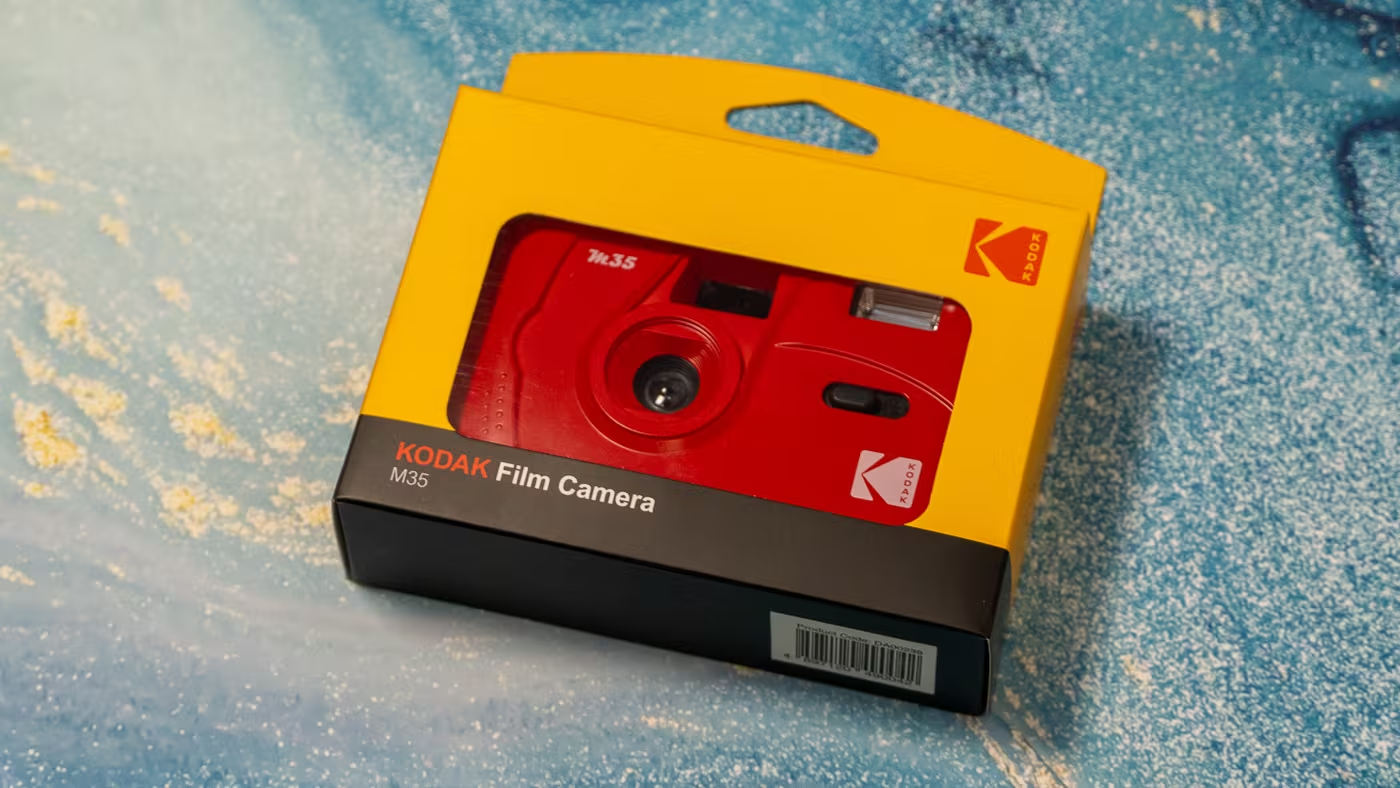
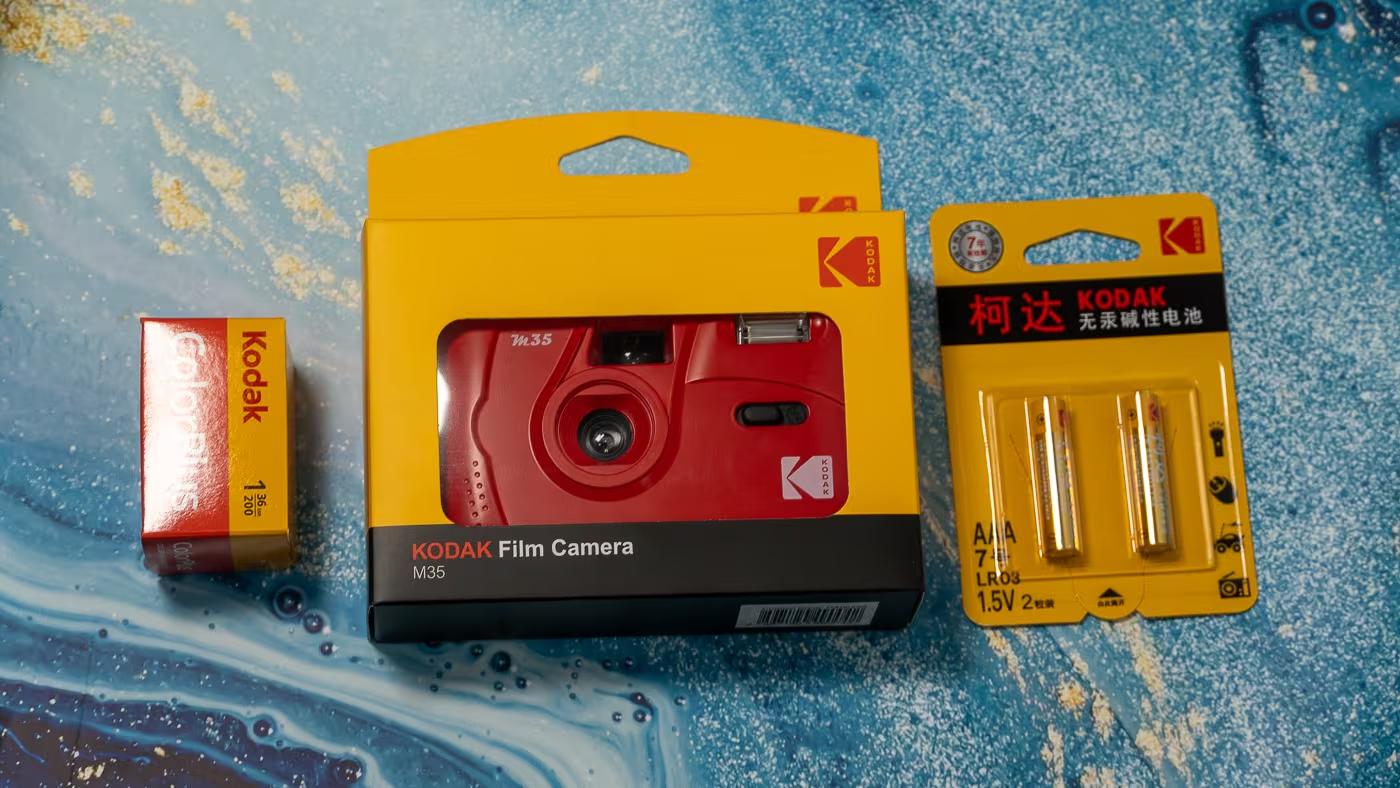
Its glossy ABS plastic shell comes in a rainbow of colors, from Candy Pink and Flame Scarlet to Lavender and Cerulean Blue, plus muted options like Clouds White and Starry Black. Color choice is a key part of the appeal-like picking a phone case or vinyl sleeve. I went with a bright blue because, well, life needs more color.
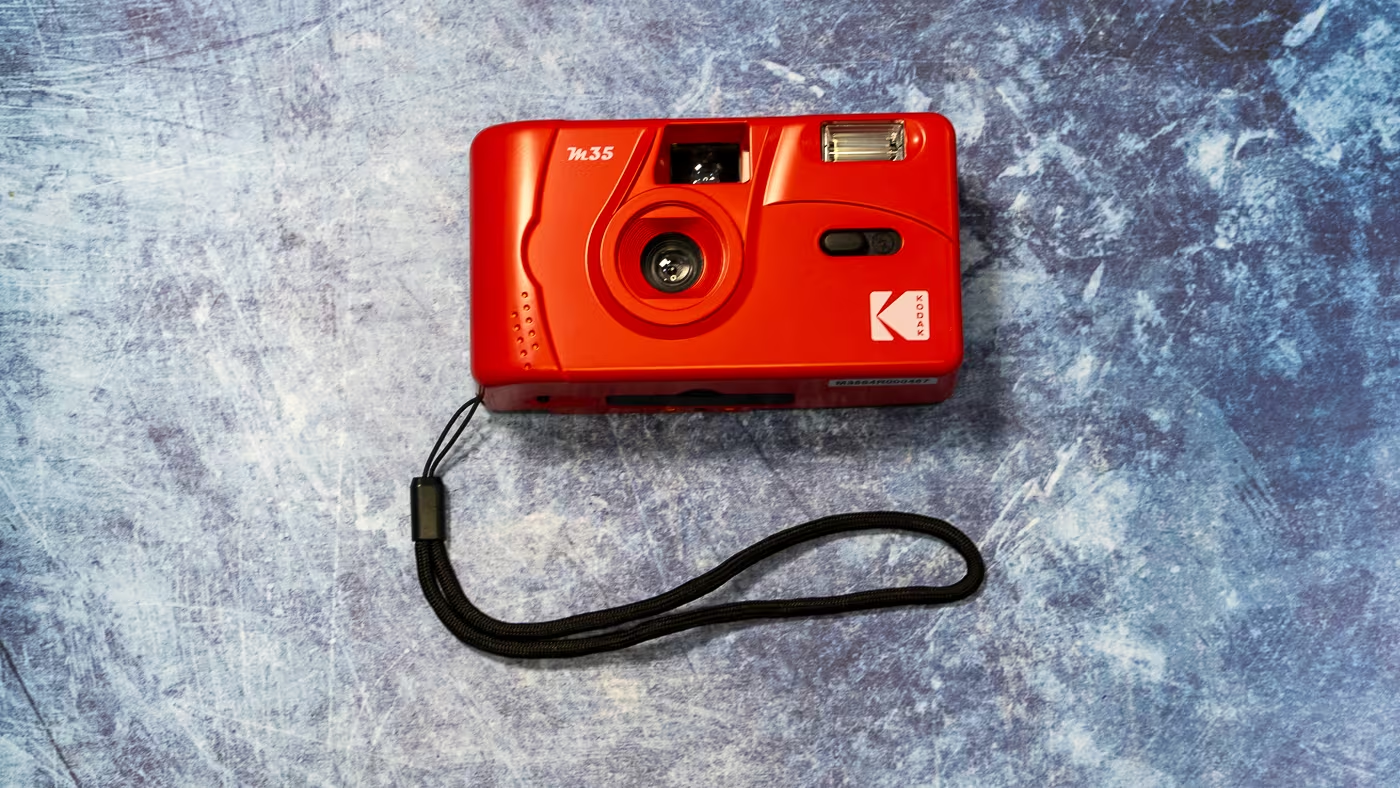
Measuring 114 × 63 × 35 mm and weighing just 100 grams without film, the M35 fits comfortably in deep jeans pockets or a bag. A strap is included but mostly you just grab it when you want and snap away.
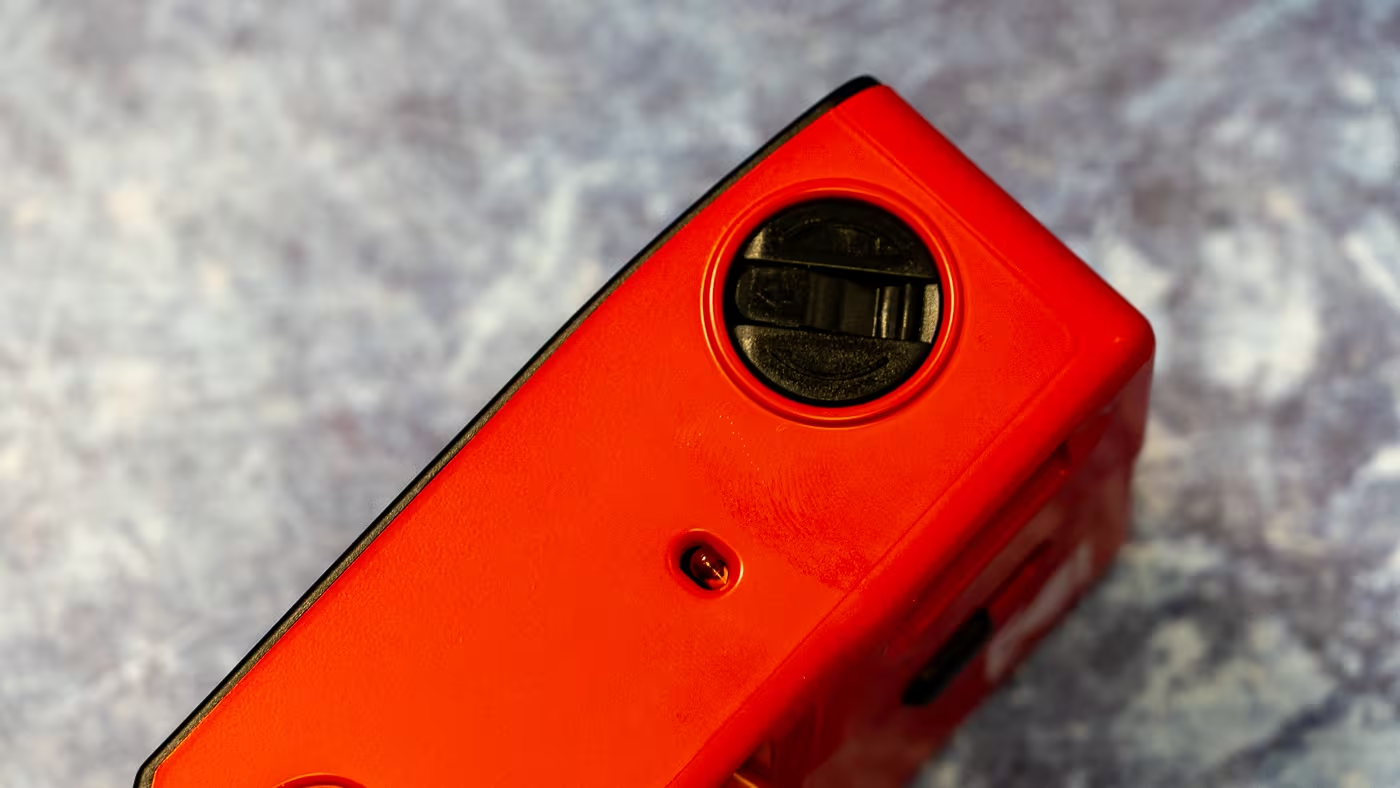
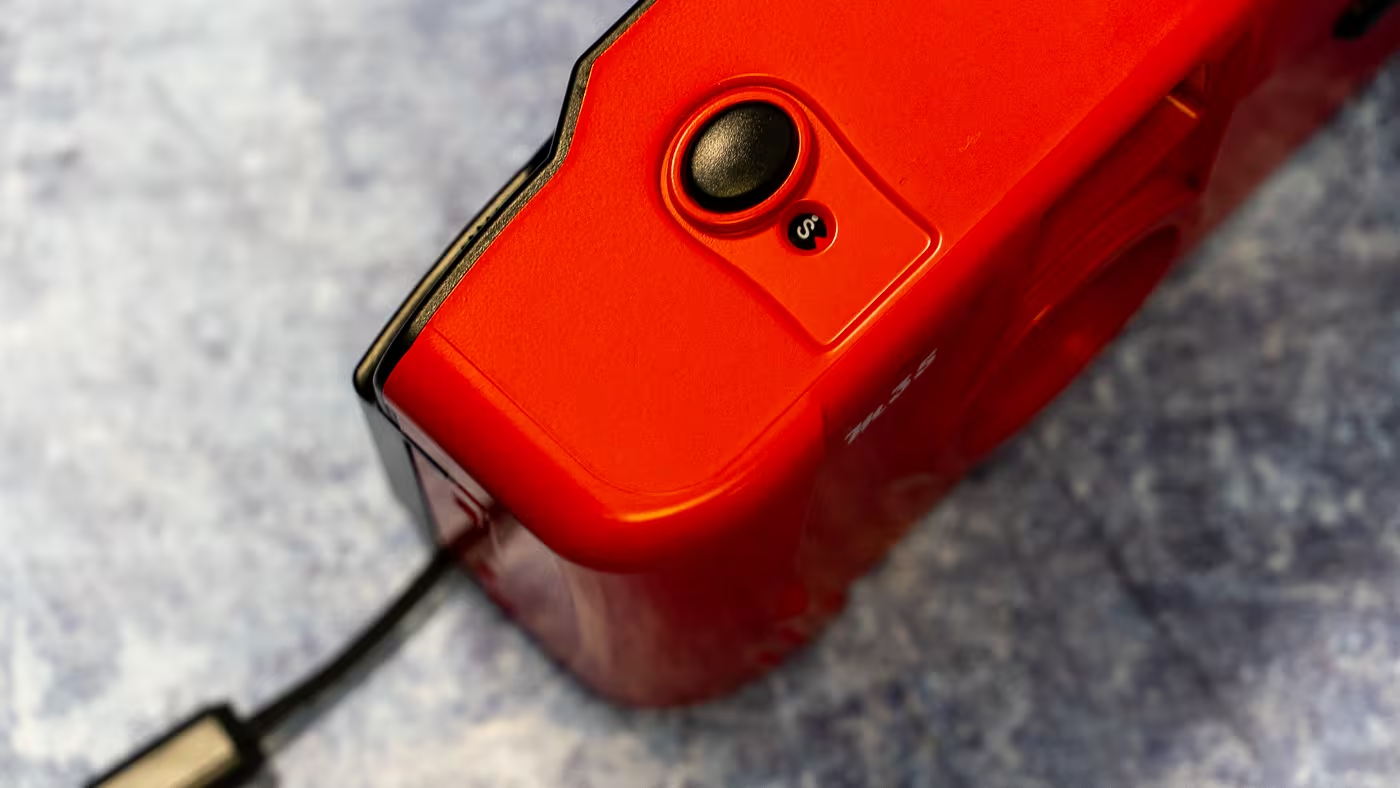
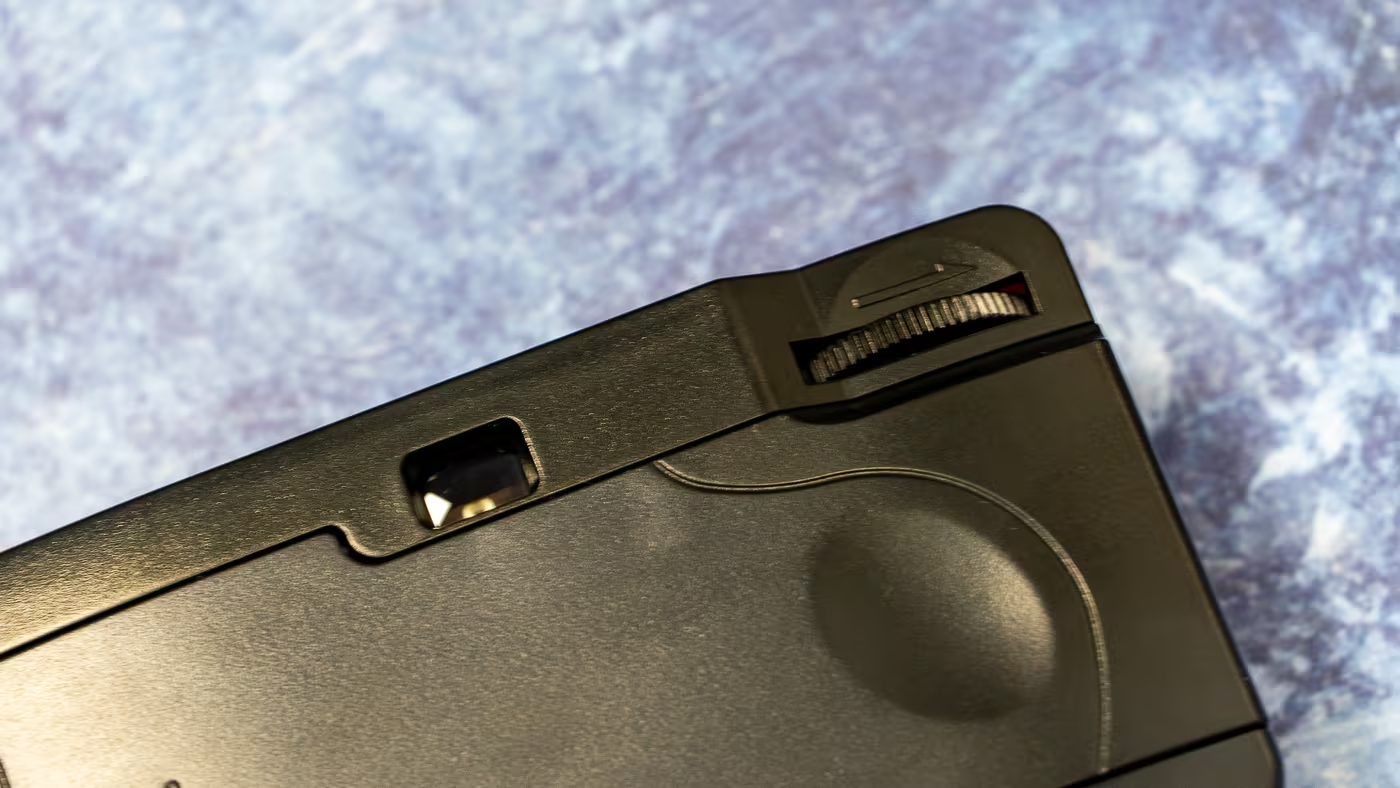
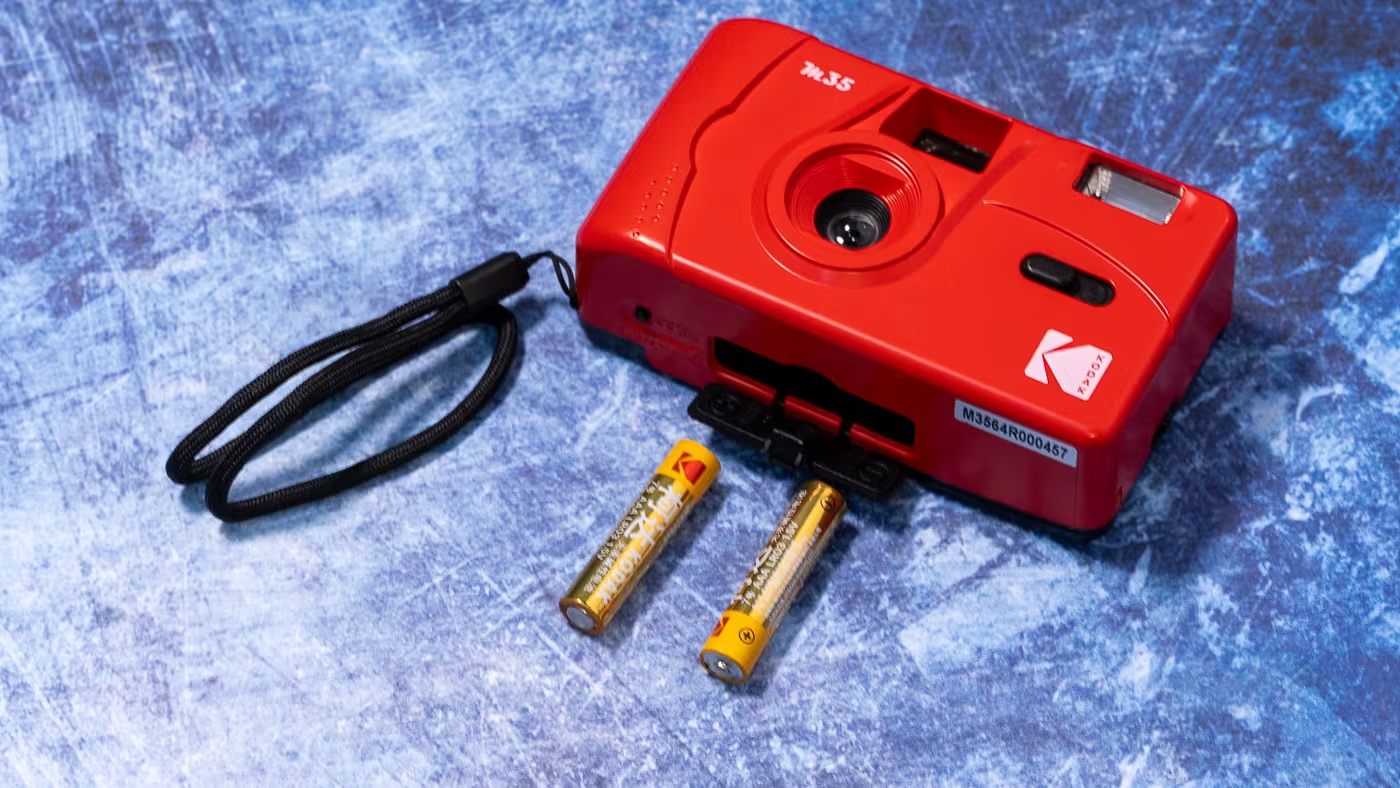
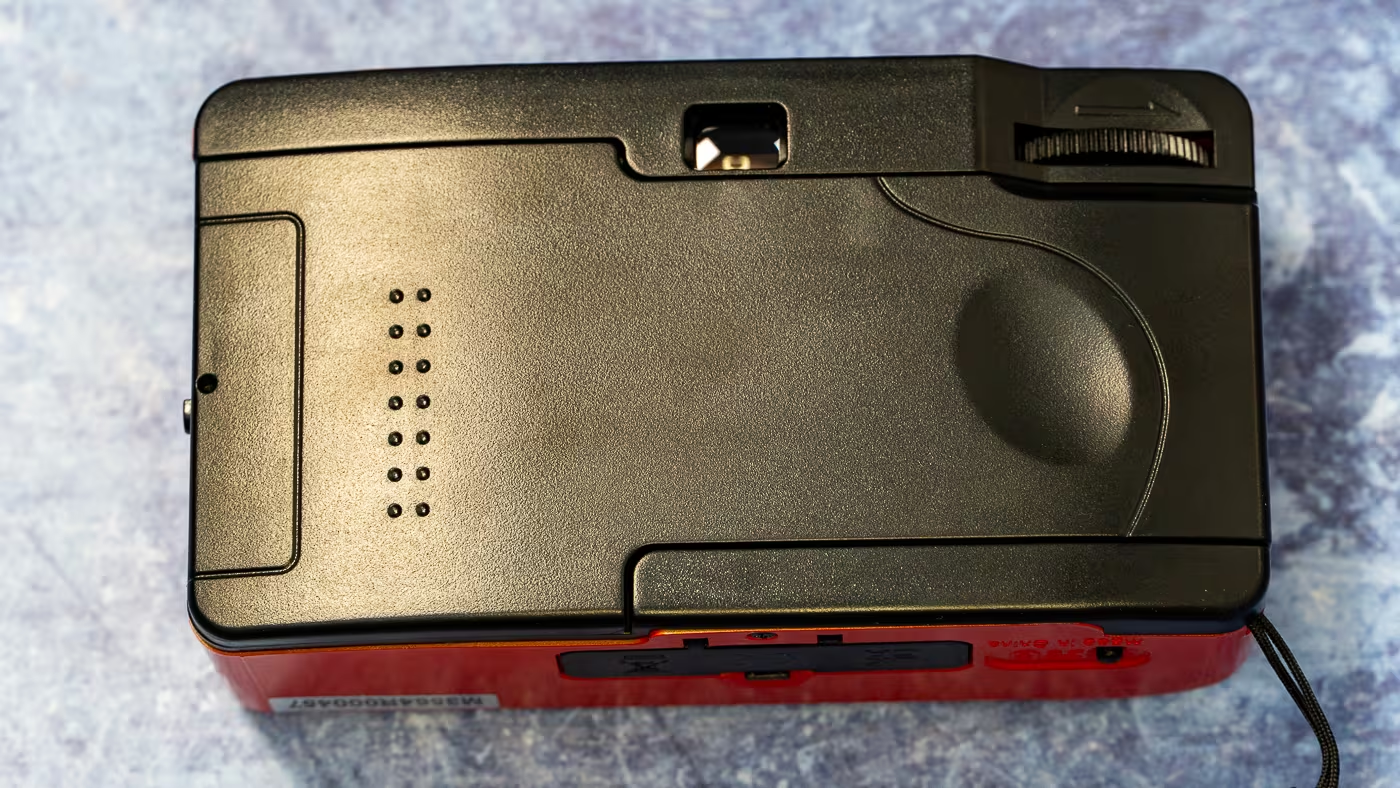
The controls are minimal. There’s no lens cap – the switch where that used to be now toggles the flash. You get a basic viewfinder, a modest flash, a shutter button with frame counter, a battery compartment, a film advance wheel, and a rewind dial. That’s it. Perfectly adequate for cruising around and capturing moments without fuss.
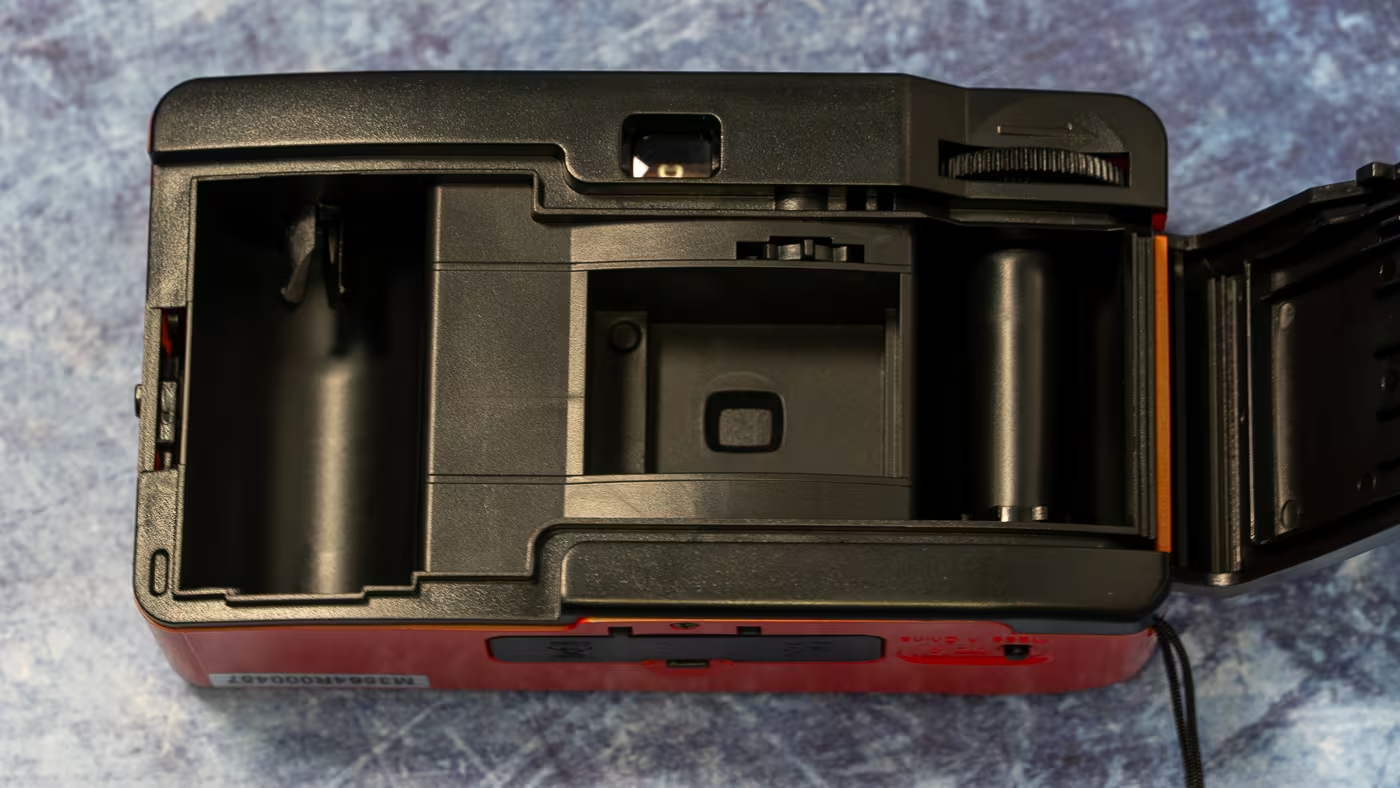
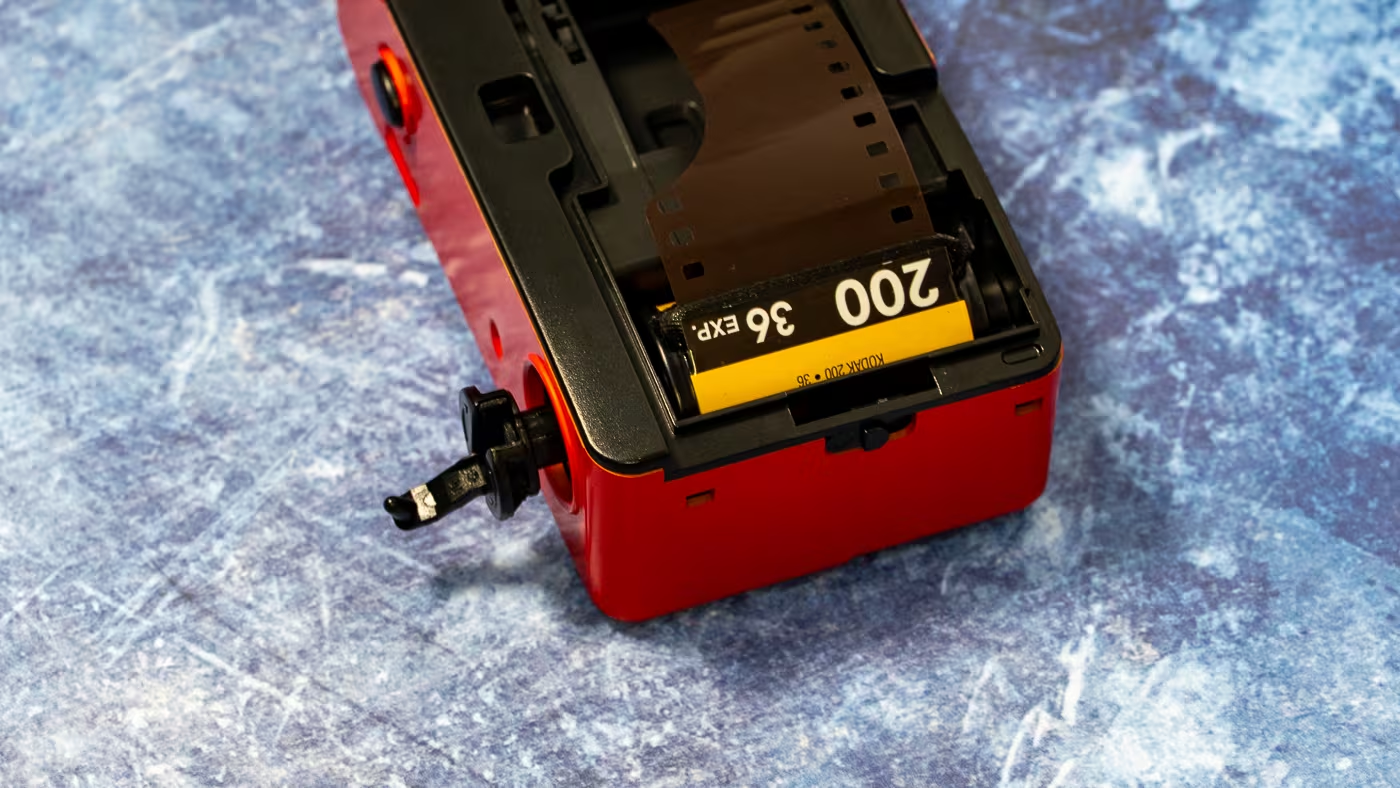
Loading film requires snapping the back open, removing the rewind pin, pulling out some film leader to hook onto the sprocket. It sounds tricky but anyone who grew up in the ’80s or ’90s will find it second nature. For those new to film, it’s a neat little ritual.
Once loaded, close the back, take a test shot, rewind a bit with your thumb, and you’re set. No screens, no instant previews, no filters. You shoot the entire roll, then develop and scan later. The joy is in the process, not the immediate result.
Optics and technical specs of the Kodak M35 film camera
The M35’s lens is basic: 31mm focal length, fixed focus, f/10 aperture, single plastic element. The shutter speed is fixed at 1/120s, which yields sharp shots in good light but struggles indoors or in shadows. The small built-in flash has a 70 µF capacitor, enough for most daytime or close-range use. The viewfinder shows about 70% of the frame, meaning your shots will be a bit wider than what you see.
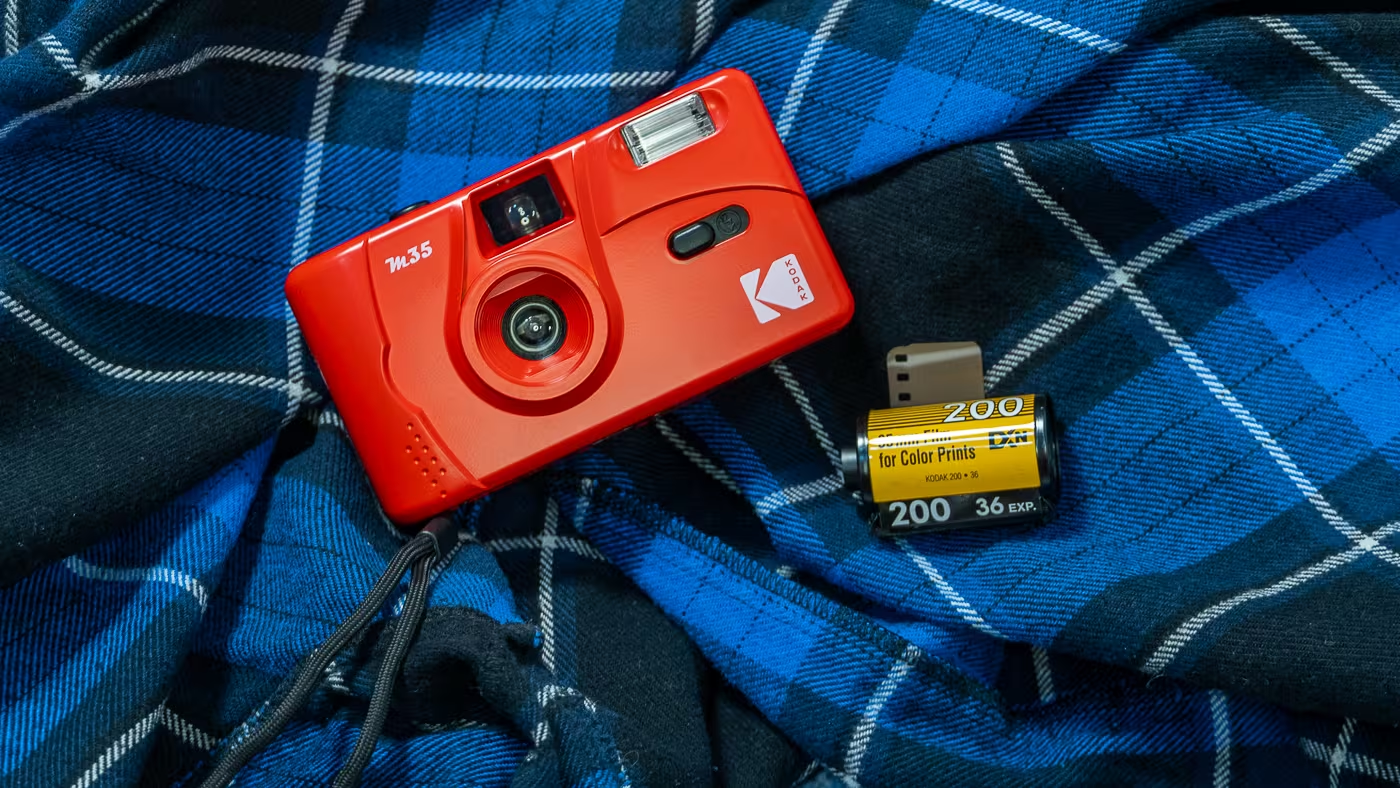
The flash works simply: turn it on and the aperture opens wide at f/10, turn it off and it stops down to f/11-16. For the rest, you rely on natural light and your choice of film. Speaking of which, the Kodak UltraMax ISO 400 film is widely recommended for balanced highlights and shadows. ISO 200 Kodak Color Plus is fine if you’re easing into film, and black-and-white and other specialty films are fair game as you get more adventurous. Sure, you can always tweak photos in Photoshop or Lightroom, but part of the fun is the analog unpredictability.
Image quality on the Kodak M35 film camera
Don’t expect razor-sharp detail-the plastic single-lens setup delivers moderate sharpness, especially at the edges. Photos from labs come as JPEG scans around 3637×2433 pixels, enough for casual sharing and lightweight edits. Below are untouched sample photos.





This softness, the slight vignetting, grain from 200 ISO film, and occasional light flares form the signature analog look filmmakers and Instagram filter creators try to mimic. Except here, it’s real. The photos feel like they were shot in the early ’90s, not 2026.


Night shots struggle unless you fire the flash, which works effectively only within 1 to 3 meters-good enough for indoor parties but nearly useless outdoors after dark.
How to use the Kodak M35 film camera: from loading film to development
Unlike a smartphone, the M35 has no gallery, no delete button, and no instant preview. That’s the point. Loading film takes about 30 seconds: unlatch the side cover, insert the film cartridge on the left, pull the leader and attach it to the take-up spool on the right, close the back, and shoot a few blank frames until the counter hits one. Ready.
Shooting is just point and shoot. After each frame, manually advance the film by turning the thumb wheel until it clicks to cock the shutter and move the film forward. Use the flash in low light; otherwise, leave it off. When the film’s finished, the wheel stops spinning-time to rewind by pressing the bottom button and turning the rewind knob until the film is fully back in the cartridge. Opening the back early will spoil the whole roll.
The finished roll then goes for chemical development-this is the key difference from digital. Developing and scanning a roll typically costs 500 to 800 rubles (~$7-$10) in Moscow, with similar prices elsewhere. Labs still exist to provide this service. Unlike the old days when you had to pick and print negatives, modern labs send all your scans by email or cloud link. You can keep negatives or have them discarded. No need to print-you can select shots on your computer or share directly on social media.
The wait is what makes analog special. Snap some moments at a party on Saturday, then rediscover them on Wednesday. Every frame becomes a small surprise, building that ”warm and cozy” vibe film lovers crave.
Kodak M35 film camera alternatives and competitors
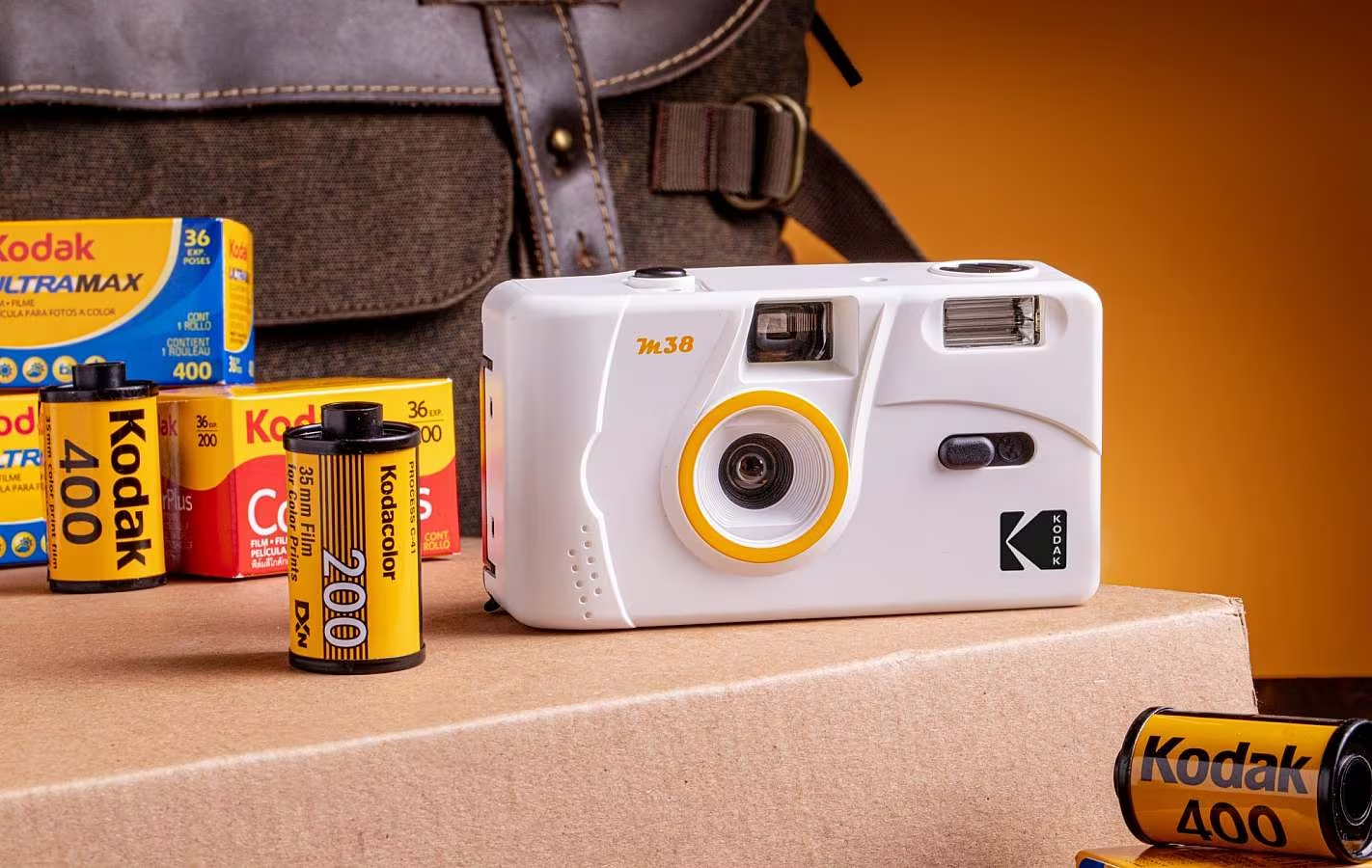
The closest competitor is Kodak’s own M38 film camera, which shares the same body but packs a stronger flash capacitor at 120 µF (vs. 70 µF) and weighs 116.5 grams instead of 100. The M38 is pricier and better suited for indoor use, but don’t expect good results outdoors at night with either model.
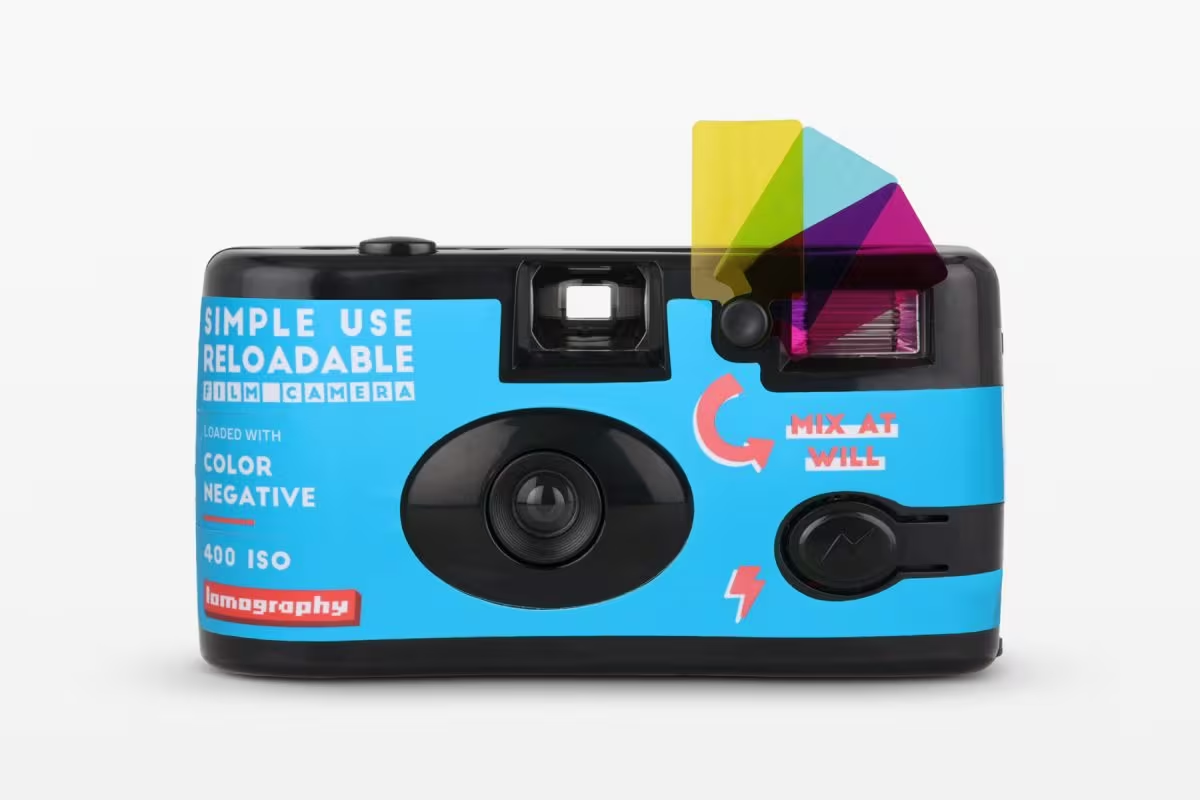
Lomography’s Simple Use Reloadable camera mimics the look and feel of a disposable camera but is reusable and cheaper than the M35. It includes a 36-exposure color negative film roll.
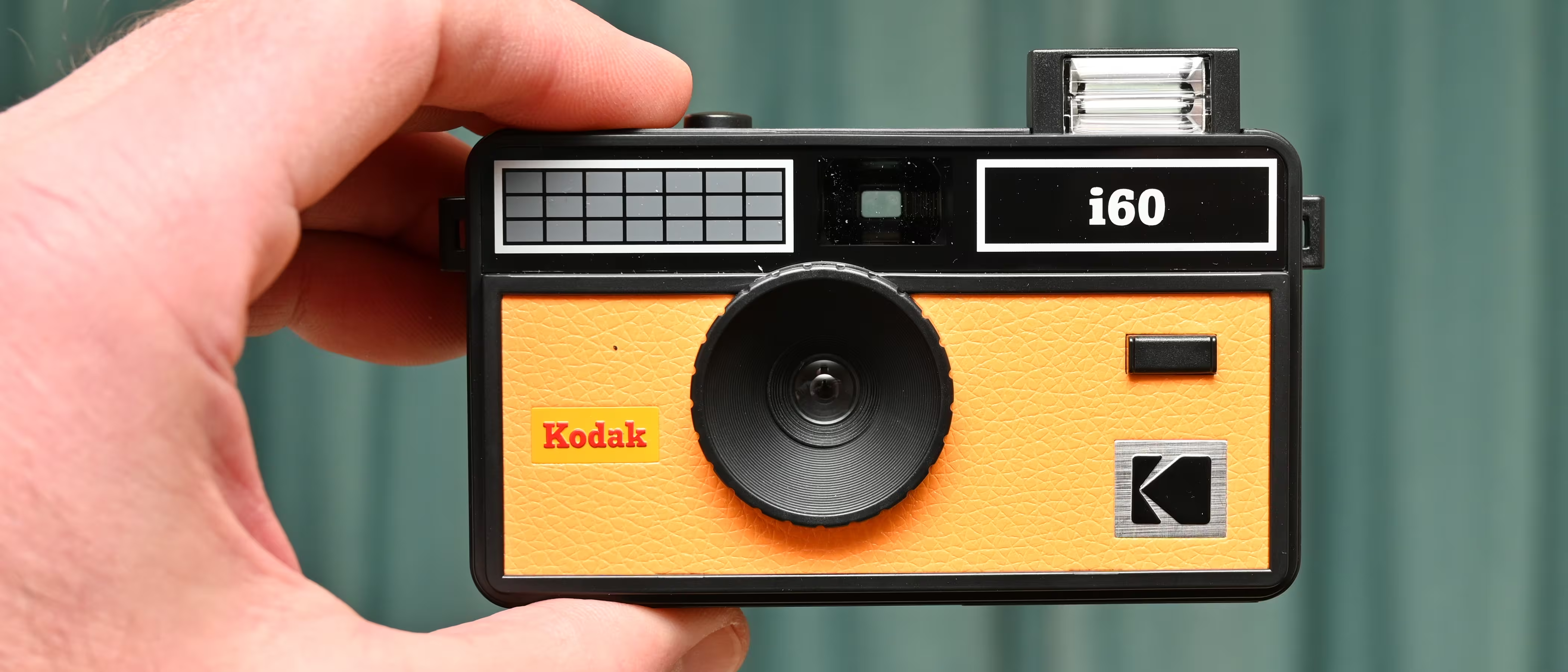
Another Kodak option is the i60 film camera, styled after 1970s Instamatic cameras. It looks cool but has a fiddly battery compartment. For retro fanatics, it’s a fun alternative.
For the price range of the M35 (roughly $30), you can also hunt for used autofocus compact film cameras with glass lenses. Their image quality is much higher, making them better for serious learners. But the M35 isn’t about mastering photography-it’s about capturing moments simply and enjoyably.
Final thoughts on the Kodak M35 film camera
The Kodak M35 sits at the crossroads of retro aesthetics and ”good enough” culture, perfectly suited for those raised on digital who want to experience the tactile thrill of analog photography. Loading film is straightforward, shooting is easy, and the camera doesn’t overwhelm you with options.
It’s not a photographic school; it’s an exercise in patience, trust, and appreciating unpredictability. In an age of unlimited smartphone storage and instant gratification, that’s a rare and valuable lesson. That’s why the M35 shares shelf space with vinyl players and cassette decks-not museum pieces but practical tools for a new wave of retro living.
In Russia, the M35 starts at 2290 rubles (~$30) for black, with colors up to 3500 rubles. In the US, it costs about $27 online and in stores. Chinese prices dip to around 1500 rubles (~$20) but shipping takes time.
Watch for how this pocket-size film camera influences more digital natives to embrace analog’s slower tempo and flaws, potentially shaping a niche but persistent revival of physical photography among young people worldwide.