

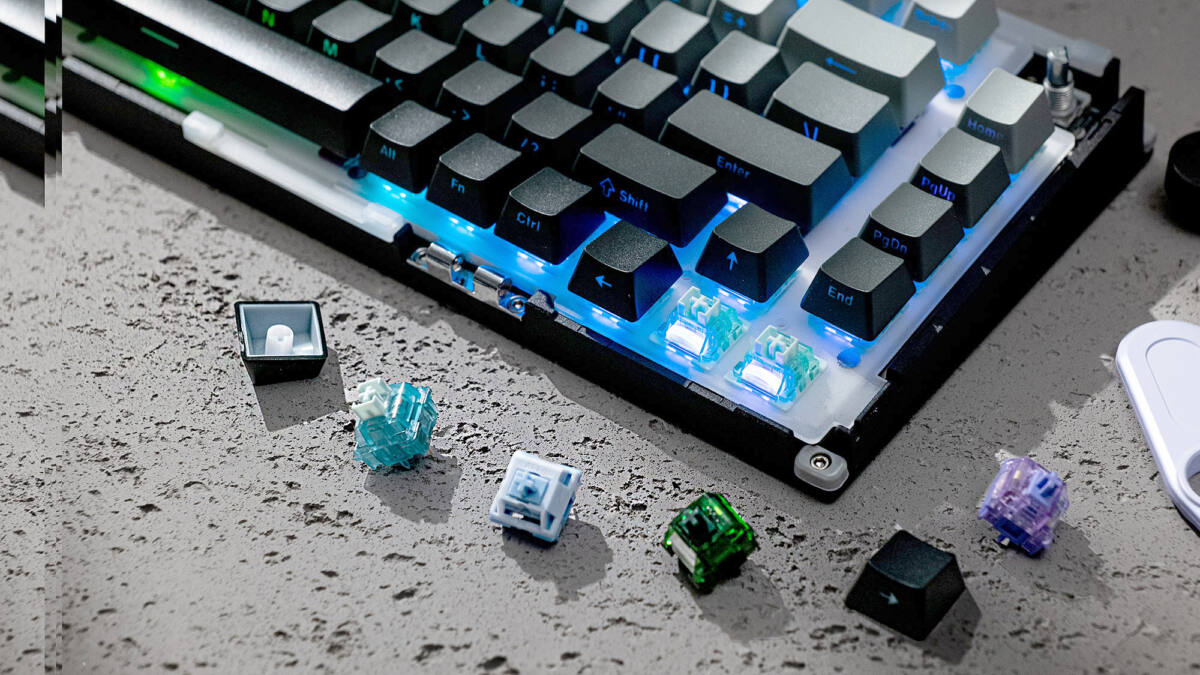
Keyboards equipped with Tunnel Magnetoresistance (TMR) switches are making waves by breaking away from the traditional mechanical switch blueprint. Unlike the familiar tactile or optical switches relying on metal contacts or Hall-effect sensors, TMR keyboards utilize magnetic resistance to register keystrokes without any physical contact. This shift translates into remarkable precision, consistency, and longevity for users ranging from professional typists to competitive gamers.
TMR keyboards use magnetic resistance for precise keystroke detection
Brands like Monsgeek and Akko are pioneering this magnetic sensing technology. Each key houses a sensor that detects subtle changes in magnetic resistance, allowing extremely precise actuation detection. The absence of physical contact points means that typing feel remains uniform over time, and the risk of switch wear-and the inconsistent performance it brings-is dramatically reduced.
In practical terms, this leads to smoother, more reliable input, where even actuation points can be finely tuned down to 0.2 millimeters for lightning-fast response times in gaming scenarios.
Customizable actuation and multi-stage key functions in TMR keyboards
The real innovation is in user customization. TMR keyboards let you adjust actuation thresholds and even bind multiple actions to a single key based on how deeply it is pressed. This multi-stage functionality not only streamlines workflows but opens new tactical options for gamers who need dynamic input without complex key combinations.
Such granular control is not typically possible with conventional mechanical switches or other advanced options like Hall-effect switches.
Durability benefits and maintenance advantages of contactless TMR switches
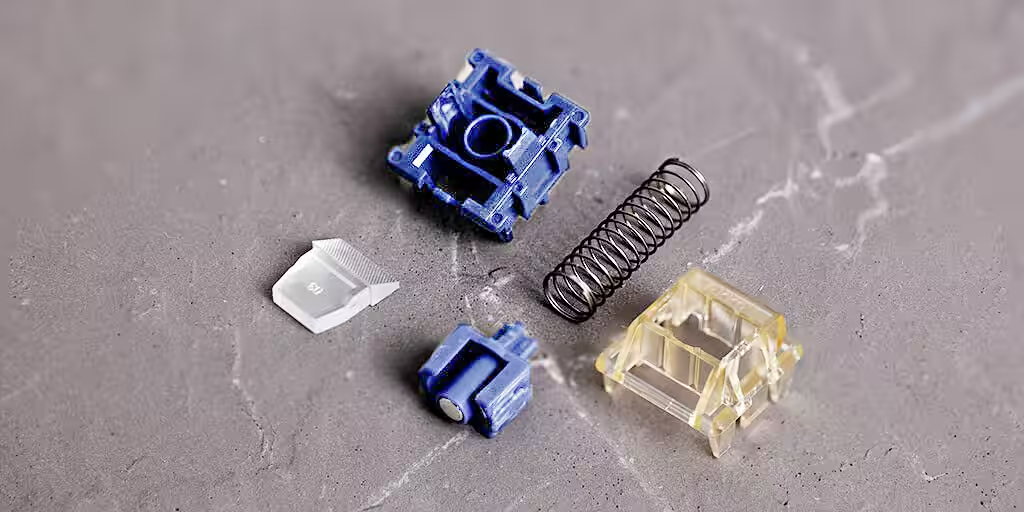
Another perk of the contactless design is resistance to common annoyances like dust buildup or environmental dirt, which usually degrade mechanical switches over time. Maintenance becomes simpler, and the typing experience stays crisp and clean.
Of course, regular cleaning remains advisable, especially for hot-swappable models where switches can be replaced with ease.
Software enhancements maximize TMR keyboard performance and versatility
Software plays a critical role in unlocking the potential of TMR keyboards. Automatic calibration ensures uniform key behavior across the board, while multiple profiles stored on the device allow users to tailor settings quickly for different use cases-whether that’s fast-paced gaming or focused typing.
This adaptability makes TMR keyboards stand out as versatile tools, much more than just high-end mechanical keyboards.
The future of typing: magnetic sensing technology in keyboards
In essence, TMR keyboards bring together precision engineering and software flexibility to provide a typing experience that is both durable and highly customizable. While still relatively niche, this technology hints at the future of input devices where magnetic sensing could become standard, challenging the dominance of traditional mechanical switches and optical mechanisms alike.