

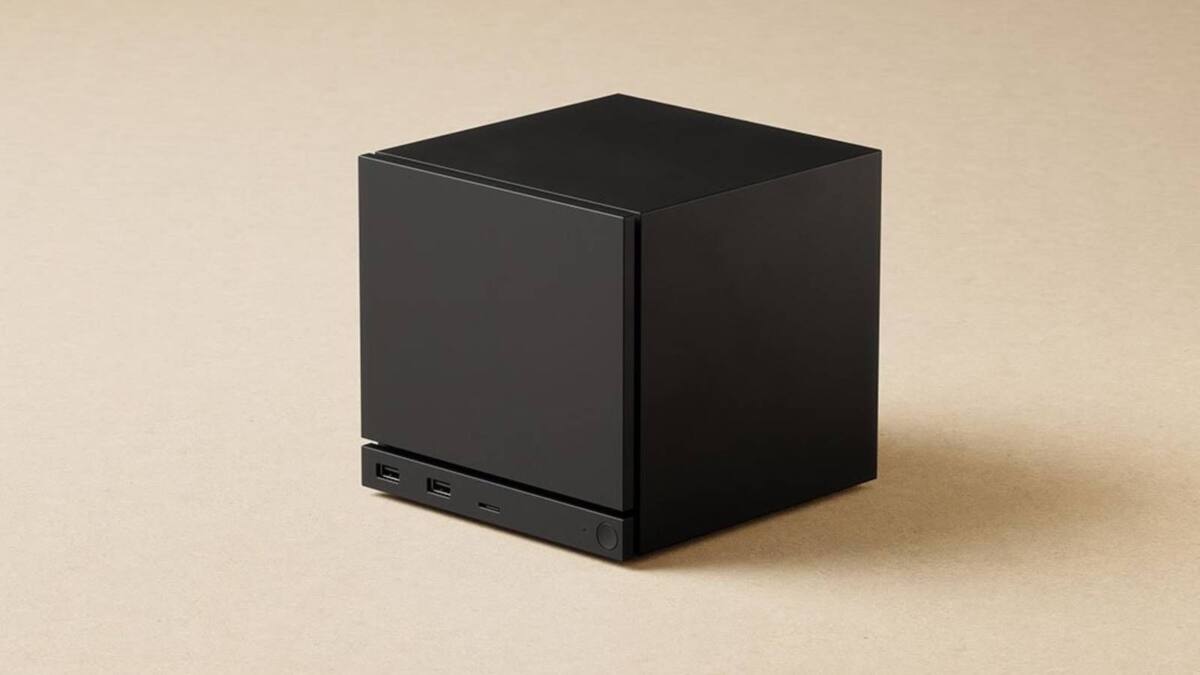
The mini PC has long promised a hybrid gaming device that merges the flexibility of a PC with the ease of a console-but the reality has rarely matched the dream. Valve’s new Steam Machine, announced in early 2026, doesn’t rely on groundbreaking hardware alone. Instead, it leans heavily on Steam Machine Verified, a new compatibility labeling system that clarifies which games will run well before you press play. This subtle shift may be the critical piece to make mini PCs genuinely viable gaming platforms in living rooms everywhere.
Valve’s first attempt with Steam Machines a decade ago flopped largely because the broader ecosystem wasn’t ready. Back then, Linux gaming offered a sparse catalog, SteamOS struggled with polish, and hardware costs sat uncomfortably between budget-friendly consoles and powerful desktops. The original Steam Machines lost out by being neither here nor there, despite the hardware’s potential.
Fast forward to today, Valve has learned from its portable Steam Deck platform, whose success proved gamers will embrace Linux-based systems if they actually run games well. Proton, Valve’s Windows-to-Linux compatibility layer, dramatically expanded the Steam library accessible to SteamOS users. SteamOS matured into a stable, polished interface perfectly suited for TV and controller use. Now, the new Steam Machine takes all that and wraps it in a console-shaped PC designed from the ground up for the living room.
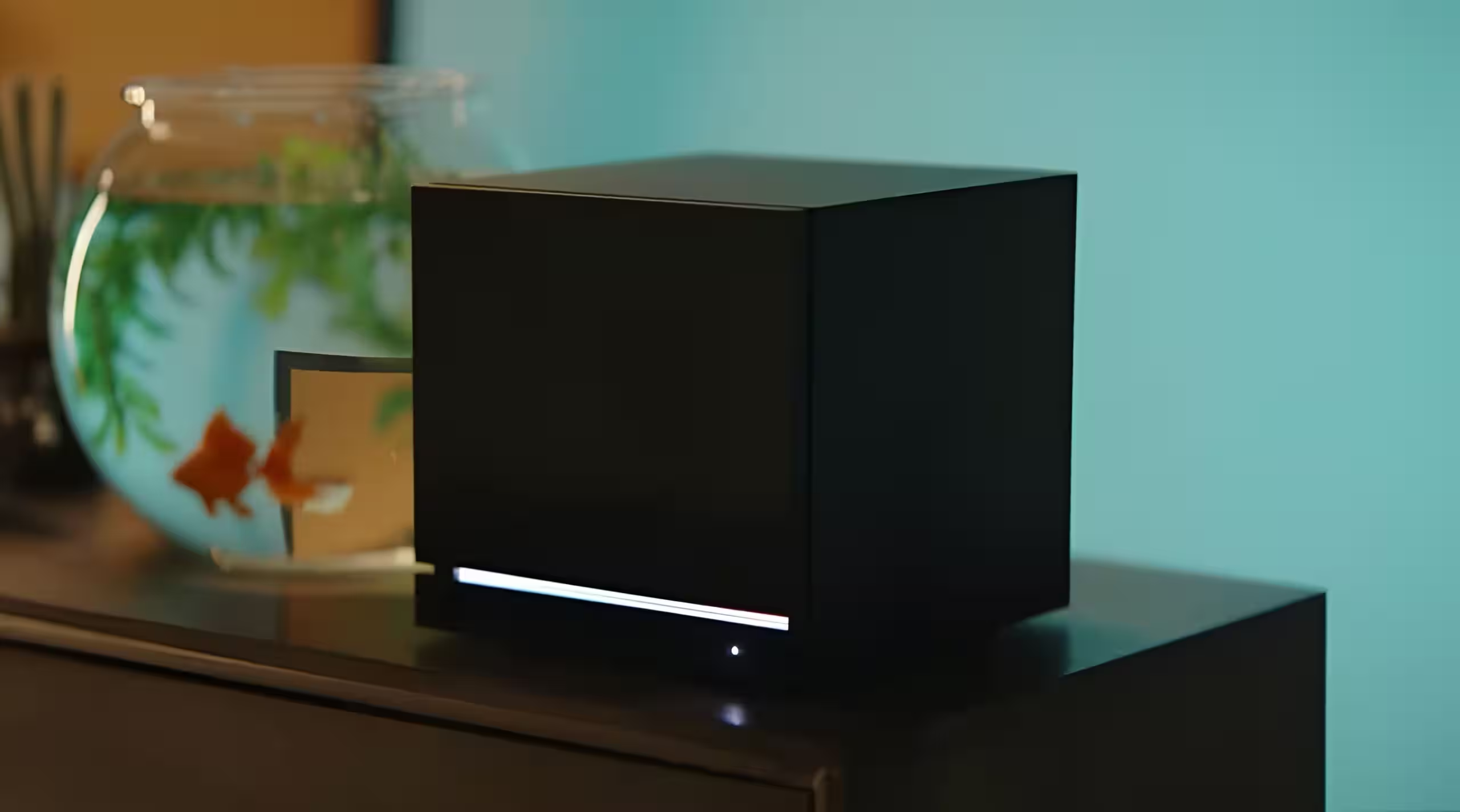
Unlike typical mini PCs that feel like stripped-down desktops requiring endless tweaks, this Steam Machine boots into a clean, controller-friendly UI that anyone can use. Yet under the hood, it remains fully PC-capable-you can plug in a keyboard, mouse, or extra monitors, and even install other operating systems. It balances flexibility with ease, catering both to casual players and enthusiasts.
The highlight isn’t the box itself but the Steam Machine Verified label. This badge signals which games have been tested and how they perform, giving gamers clear expectations upfront. This is an important step for mini PCs, which have historically suffered from user distrust around compatibility and performance. Instead of blindly installing games only to deal with crashes or hours of troubleshooting, players know what to expect before hitting install.
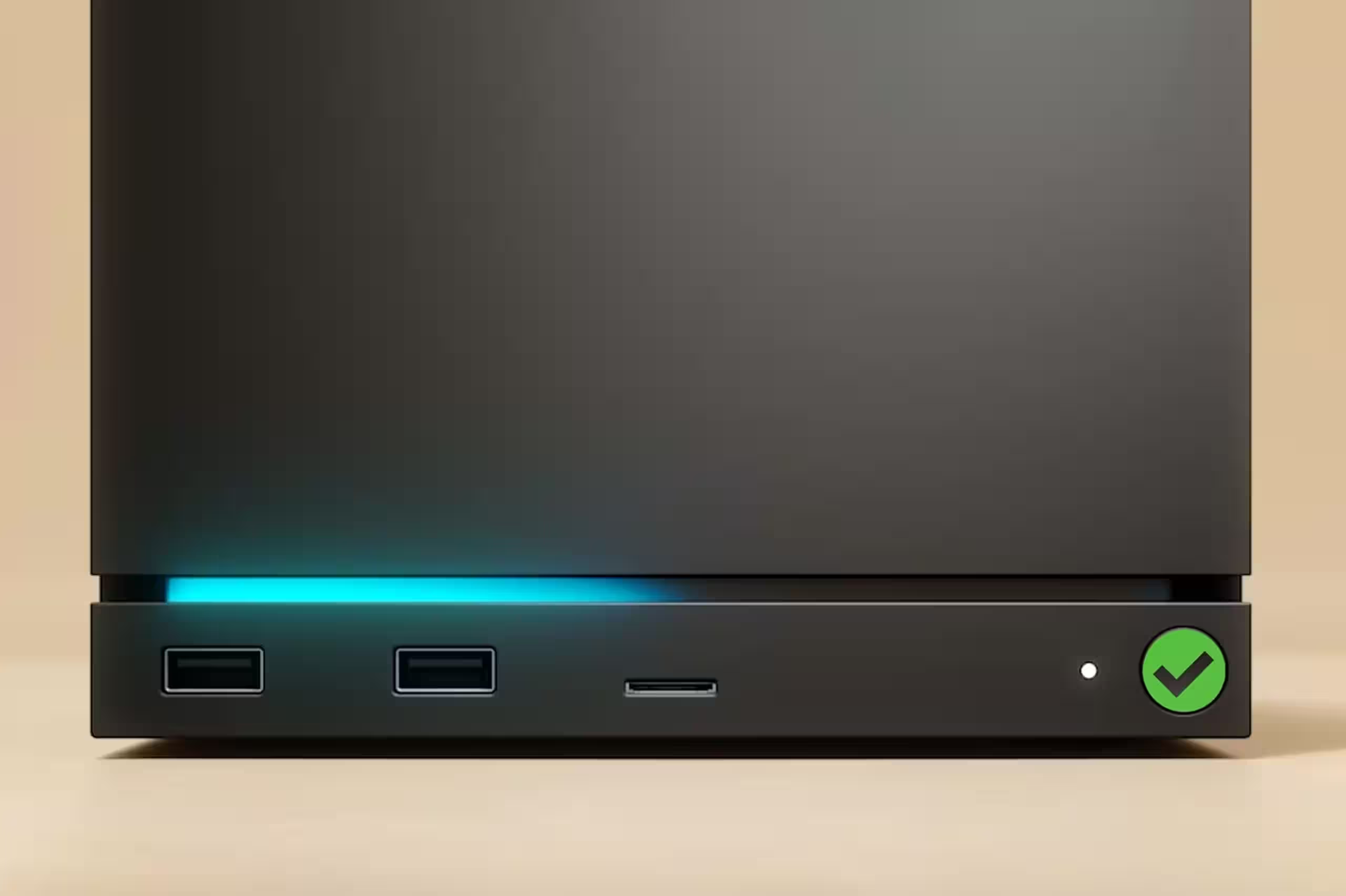
While this system doesn’t guarantee perfection-anti-cheat-supported games and some niche titles may still have issues-it represents a vast improvement. Community databases like ProtonDB remain helpful, but Valve’s official verification introduces a level of professionalism and trust previously missing from the mini PC world.
On the hardware side, the Steam Machine offers a Zen 5 six-core processor paired with an RDNA 3 graphics chip boasting 28 compute units, 16GB of RAM, 8GB of VRAM, and storage options between 512GB and 2TB. It supports 4K60 gaming primarily through upscaling techniques, with native performance around 1080p and 1440p for the latest AAA titles. These specs place it above the Steam Deck but fall short of high-end gaming desktops-making it a practical compromise rather than a powerhouse.
- Zen 5 six-core CPU
- RDNA 3 GPU with 28 compute units
- 16GB system RAM
- 8GB VRAM
- 512GB or 2TB storage options
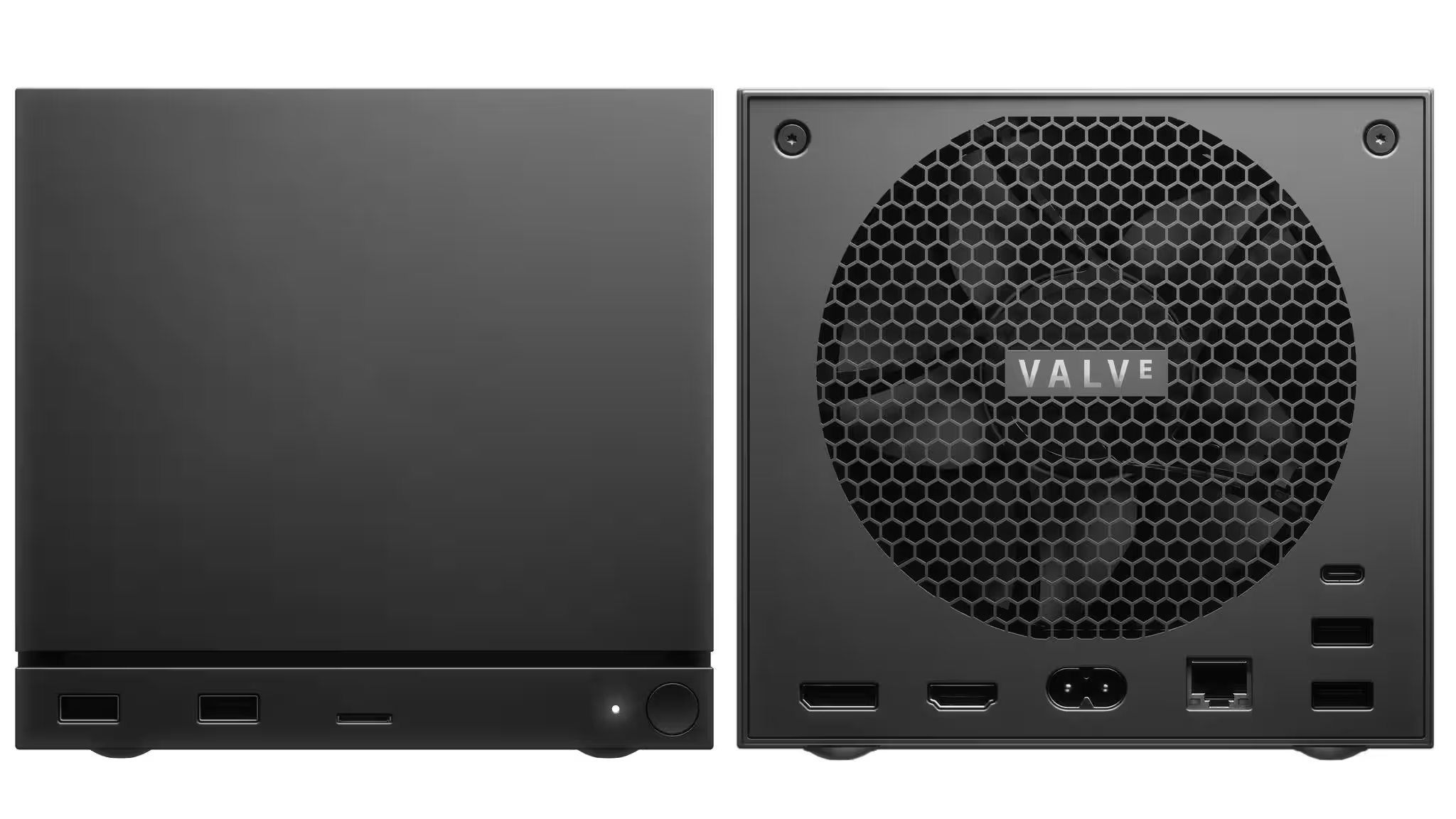
Valve isn’t chasing raw specs but aiming for a smooth, reliable gaming hub that marries PC game availability with console convenience. This approach acknowledges that many gamers want a device that ”just works” on their TV without the hours of fiddling typical of small form-factor PCs. The Steam Machine Verified certification plays a key role in building that confidence.
Mini PCs have never lacked capability; they’ve lacked clarity. Valve’s renewed effort builds a bridge between the chaotic PC gaming world and the streamlined console experience by engineering an ecosystem where gamers can pick up a controller and dive in-knowing what awaits. It’s a niche but important evolution that could finally make mini PCs a prominent fixture in living rooms dedicated to gaming.