

Video game characters have long moved beyond just being visually appealing. It’s no longer enough to have a pretty face or an attractive figure. A memorable character must feel alive beside you-voice ringing in your ears for hours, gestures caught in subtle pauses and reactions. At some point, they stop feeling like just pixels on a screen.
Sexuality in games runs deeper than looks. It’s shaped by attitude, strength, vulnerability, and behavior. The most alluring characters linger in memory not because of their appearance, but because of their sense of presence.
Lara Croft – the benchmark of game character sexuality
Lara Croft has set the standard for decades, and it’s not just about her looks anymore. She evolved from a near-comic book caricature into a believable, complex character whose emotions and motivations you can trust.
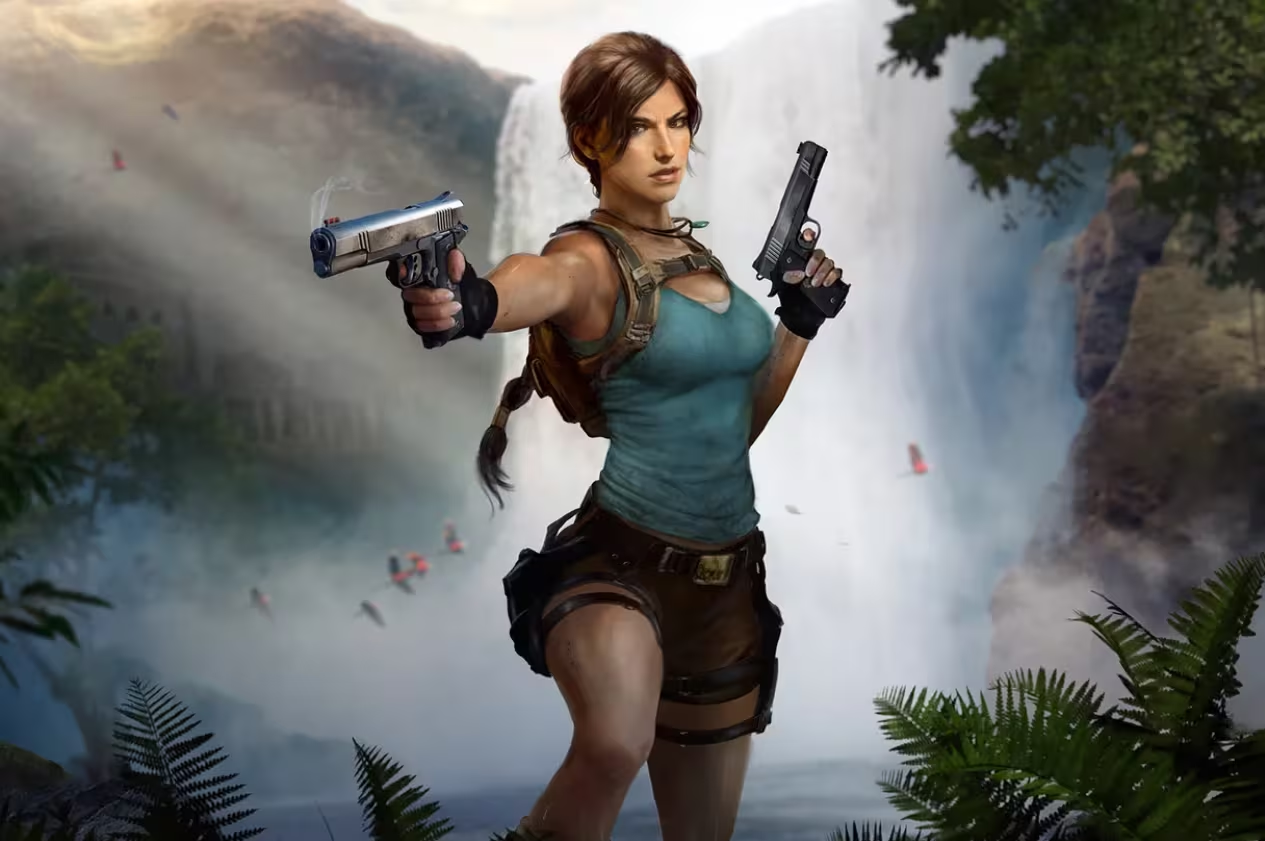
Modern Lara captivates not through perfection but through inner strength. There’s fatigue, anger, stubbornness, and absolute independence. She doesn’t try to be likable, which makes her presence far more powerful than any overt display of sexuality. When conversations turn to iconic sexy game characters, Lara is almost always the first name-she wrote the rulebook.
Bayonetta – sexuality as style and command
Bayonetta turns sexuality into a weapon of power. She’s not playing coy or flirtatious-she’s operating from a position far above that game.
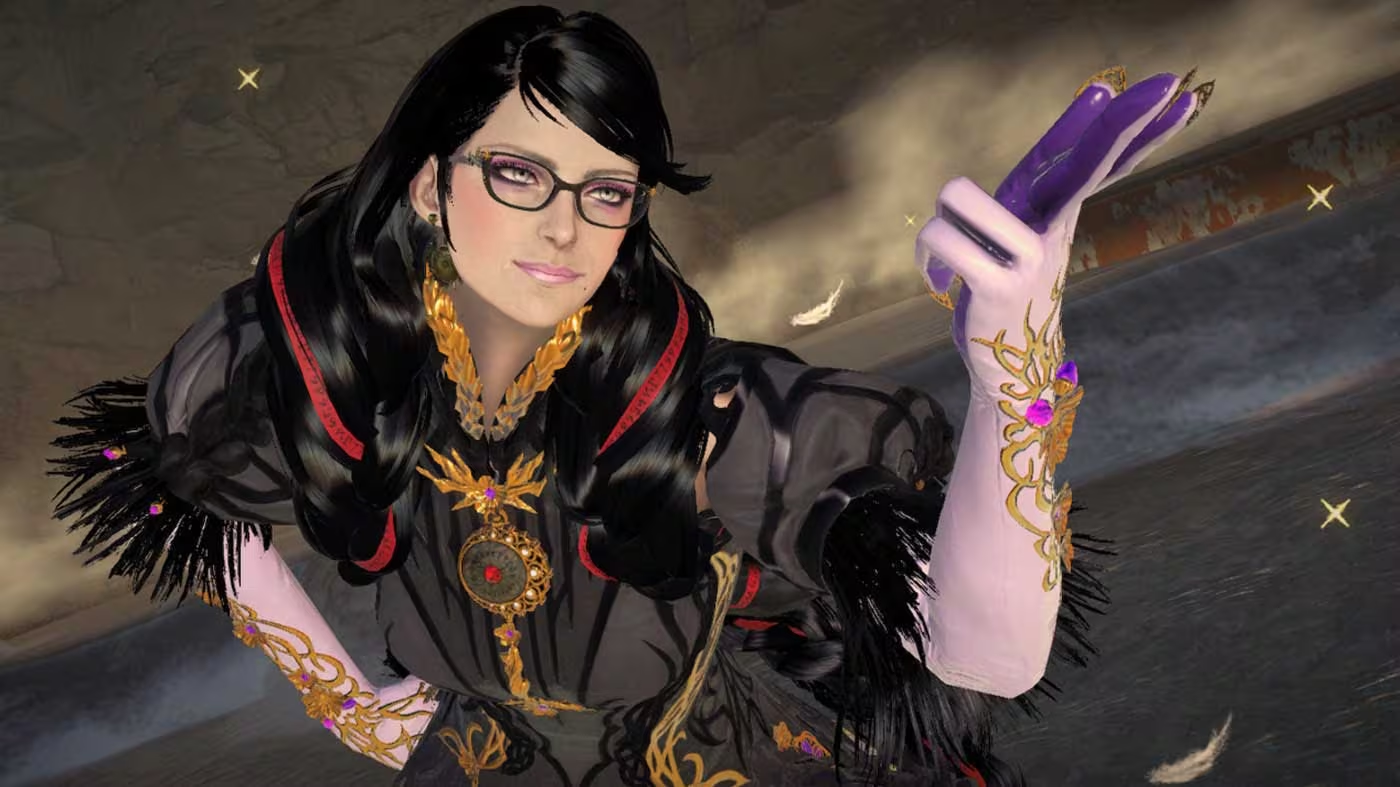
Every move reflects total control over the situation. Confidence, cold irony, and bold independence create an unmatched aura. This isn’t about physical allure-it’s about a character who’s already made all the decisions, including how you feel about her.
2B from NieR: Automata – minimalist allure and quiet tension
2B offers a contrasting approach. She shows minimal emotion with precise, mechanical movements and restrained expressions. This creates a compelling tension-what she conceals makes you want to see more. Every minor shift in voice or gaze feels significant.
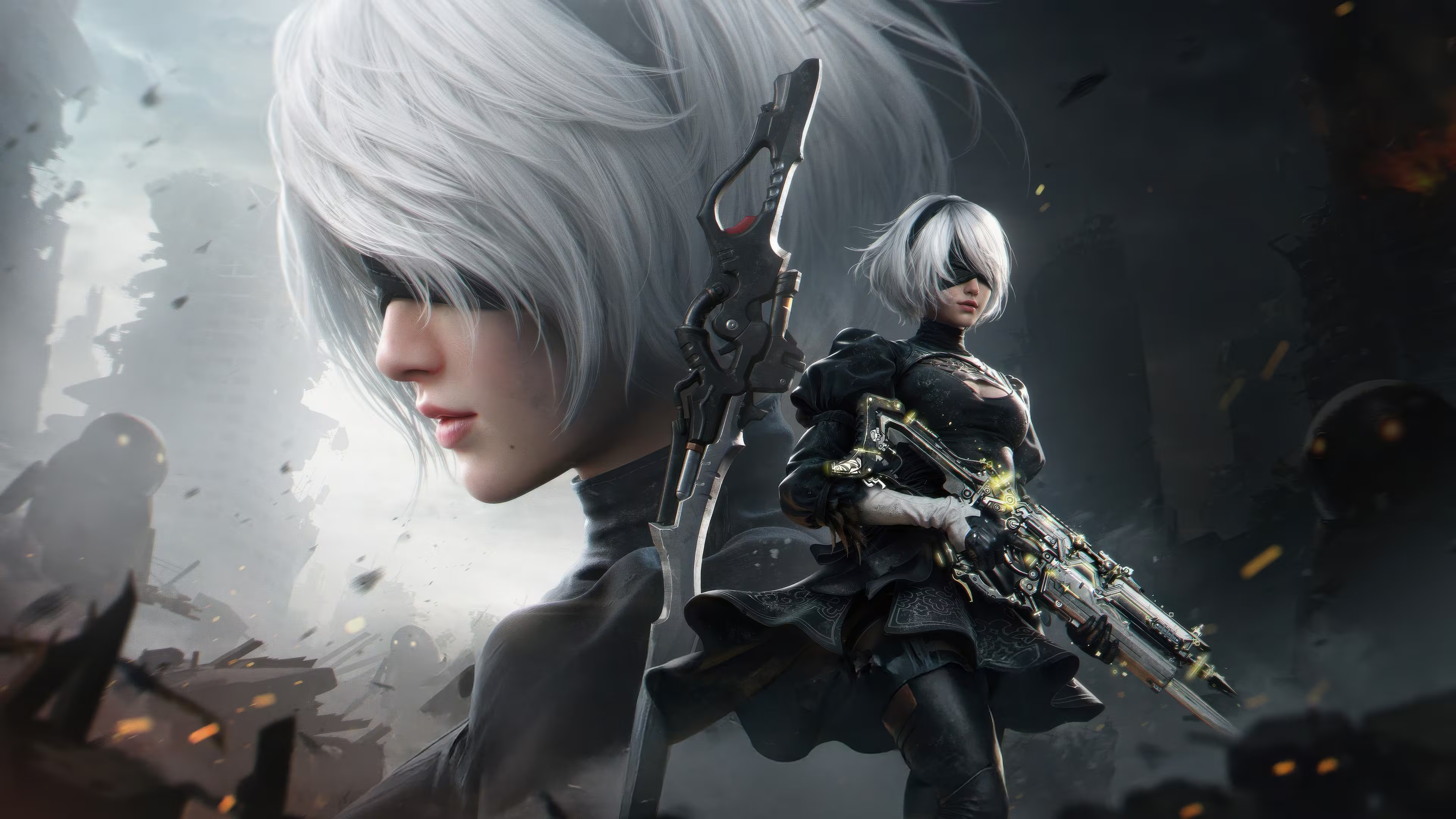
This is a subtle, almost psychological kind of sexuality that thrives on distance rather than exposure.
Lady Dimitrescu from Resident Evil Village – when fear becomes attraction
Lady Dimitrescu is a rare character who frightens and fascinates at the same time. Her towering height, icy demeanor, and absolute command over her surroundings do not reflect traditional attractiveness. She exerts pressure-and somehow, that’s exactly what draws players in.
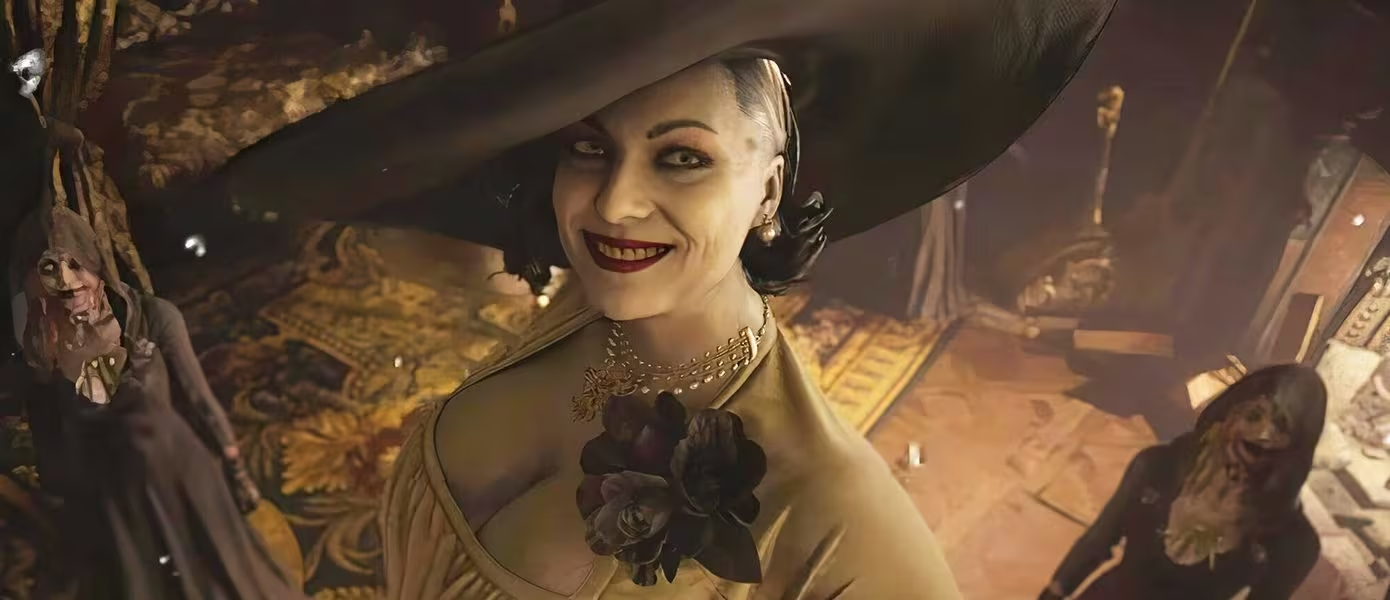
Her sudden rise to fame ignited the internet with fan art, debates, and memes. She’s a prime example of how the game industry now plays on the edge between fear and desire.
Yennefer from The Witcher – power, intelligence, and magnetism
Yennefer’s allure is a mature story of attraction. There’s no attempt to simply charm-her personality is defined by strength, ambition, and the ability to assert control. She can be cold, harsh, even unlikable, but that complexity makes her irresistible. You might feel uneasy around her, but you can’t look away.
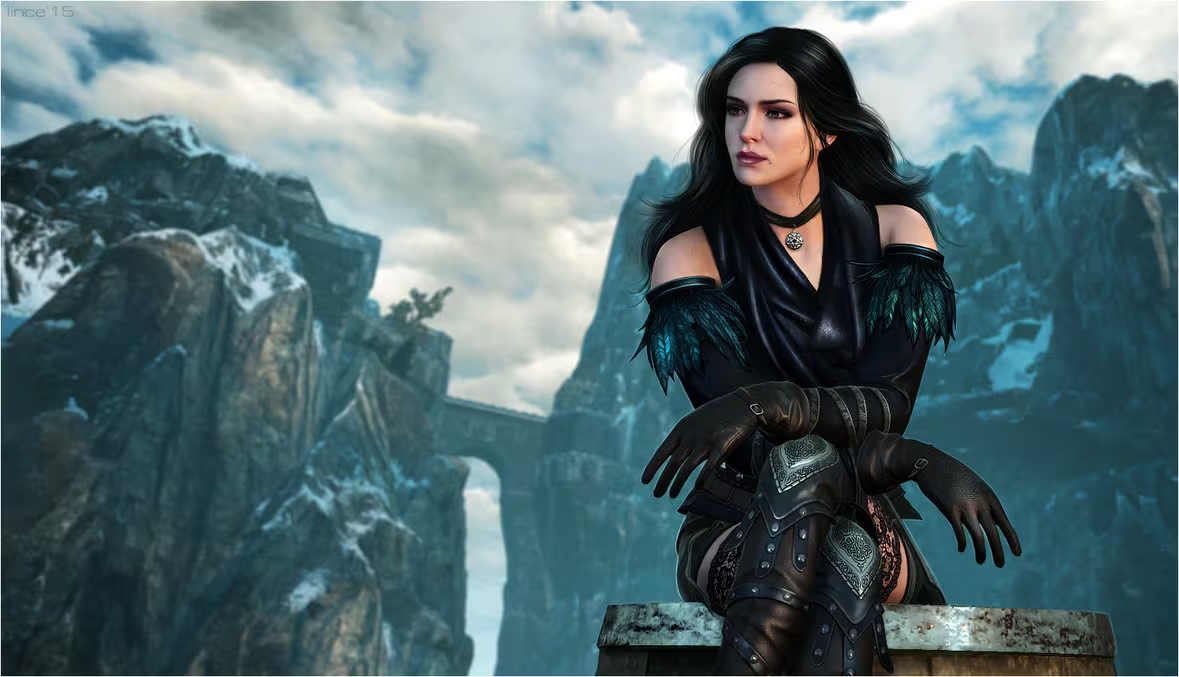
She often tops lists of the most alluring game characters thanks to her blend of power and emotional depth.
Panam Palmer from Cyberpunk 2077 – raw, real, and close
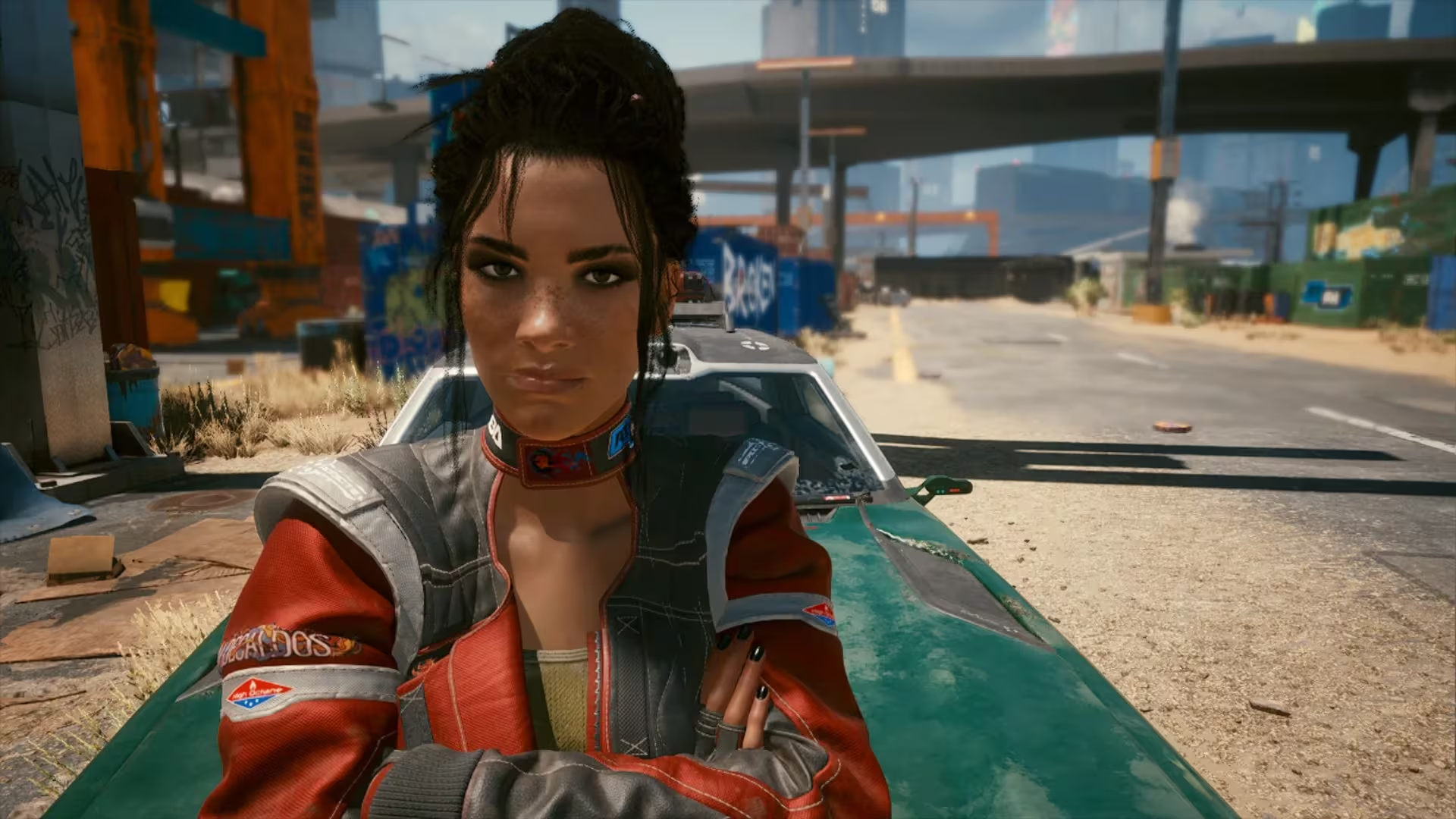
Panam operates on a different wavelength. She’s far from artificial perfection-she’s emotional, stubborn, sharp at times, and incredibly warm at others. This creates a sense of a real person. There’s no distance. You don’t just watch her-you interact, argue, and share moments of silence. This kind of sexuality is the most potent because it sneaks in slowly rather than shouting for attention.
Atomic Heart’s Twins – icy precision and flawless control
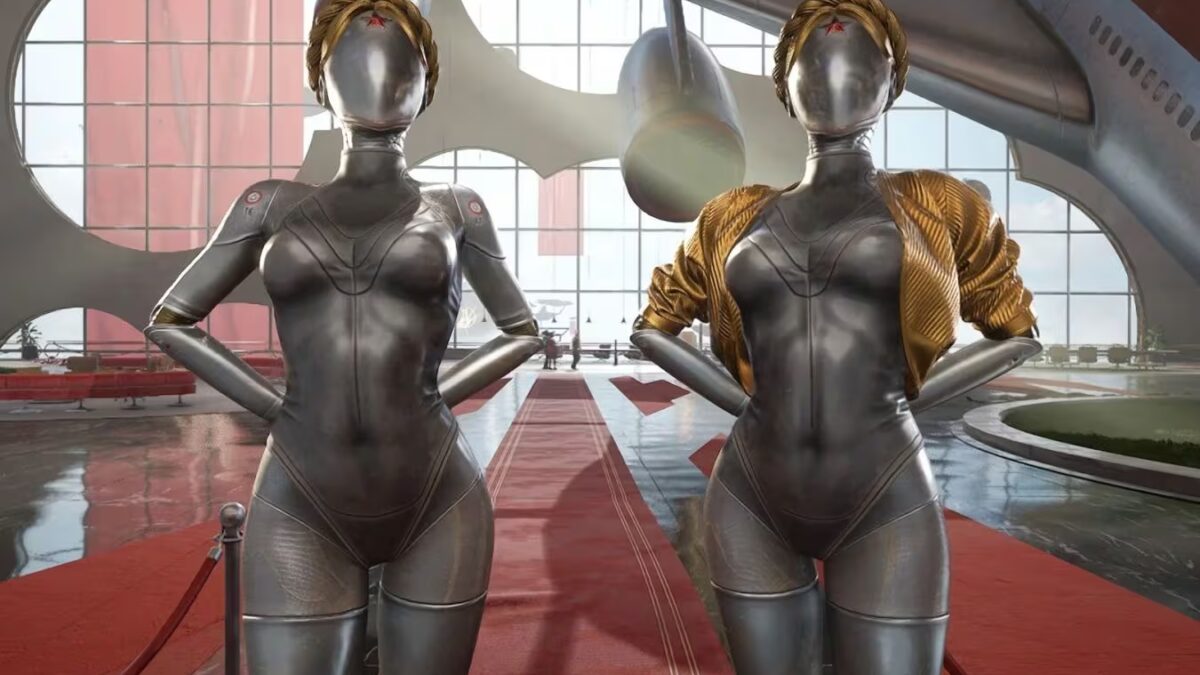
The Twins from Atomic Heart went viral before the game even launched. Their image spread faster than gameplay trailers, a rare case of characters developing a life of their own pre-release. Their appeal lies in opposites: sterile, near-perfect appearance with absolute absence of human emotion. They move in perfect sync, speak calmly, and act without hesitation.
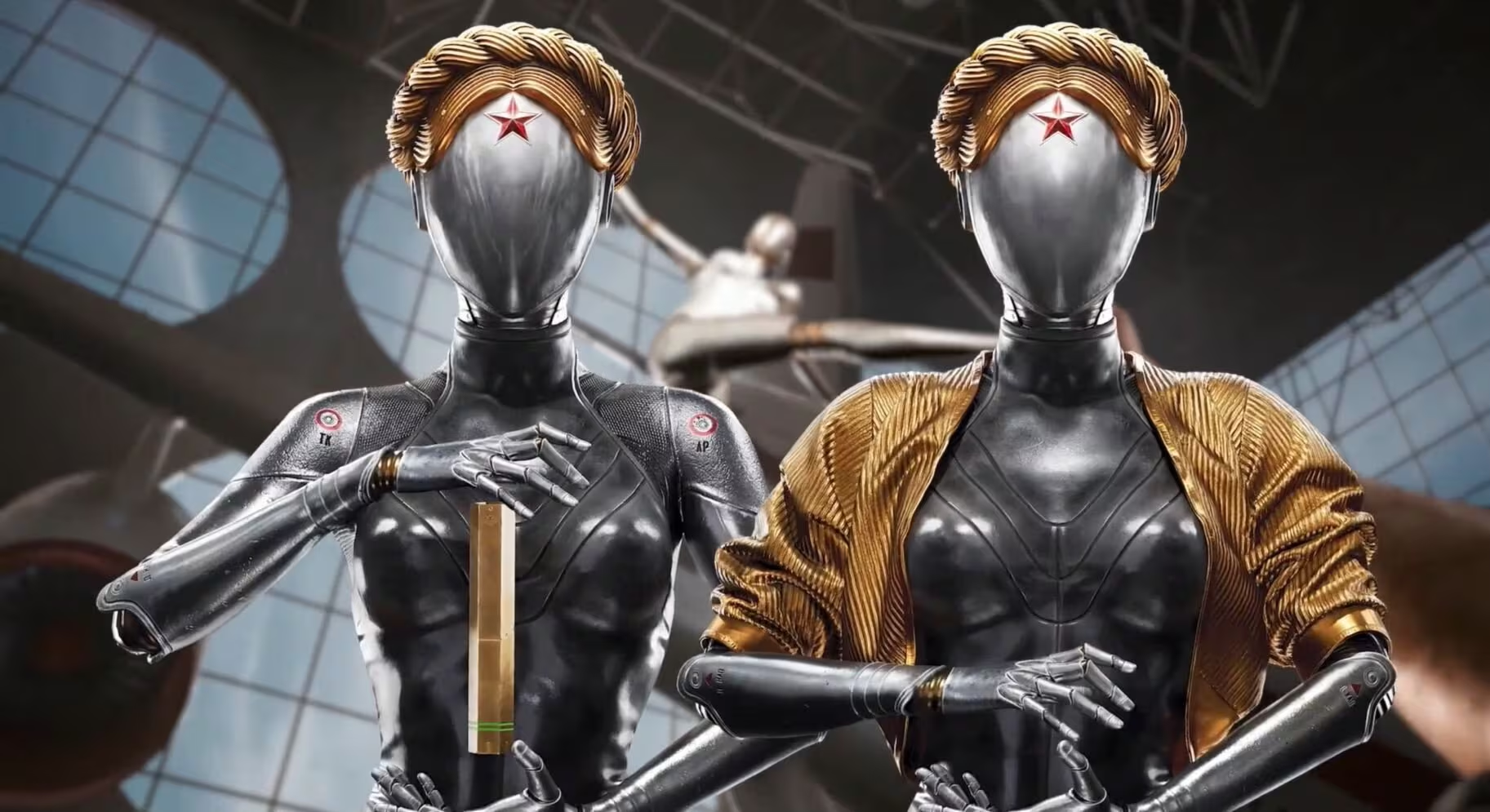
Their inhuman precision creates an electric tension-you can’t tell where beauty ends and menace begins. They lack conventional ”warm” sexuality. Instead, they embody a cold, surgical style that mesmerizes through control and danger. The mirrored imagery doubles the effect, turning them from characters into hypnotic visual patterns. This is arguably the perfect example of how modern gaming redefines sexuality-not by exposure, but via style, rhythm, and force.
Triss Merigold – gentle warmth that wins
While Yennefer represents control and pressure, Triss is her opposite: warm, open, and vulnerable.
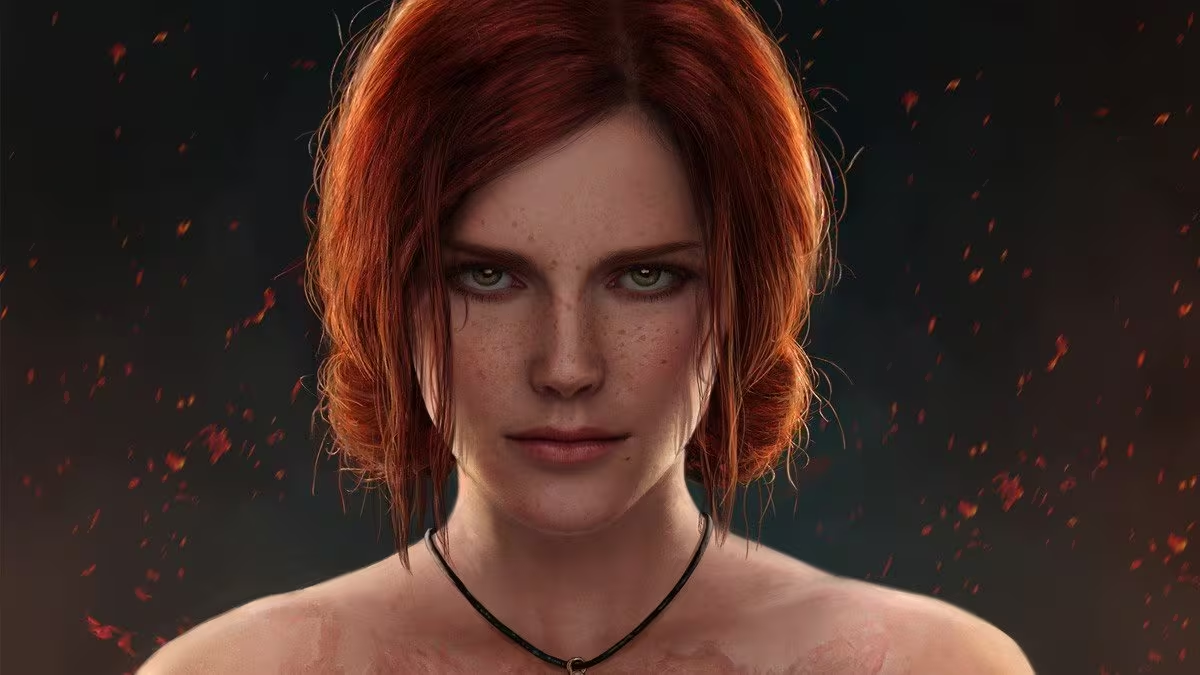
For many players, that warmth resonates more. She doesn’t dominate or keep you at arm’s length-she’s there beside you. This highlights how different kinds of attraction coexist in gaming; the loudest or toughest isn’t always the most compelling.
Ada Wong – the mystery that never fades
Ada thrives on ambiguity. She’s always slightly apart, always knows more than she reveals. You never quite figure out whose side she’s on or what she’s thinking. That uncertainty makes her magnetic-she keeps you on edge and hooked.
Attraction to game characters explained
The key difference between games and other media is time. You don’t just watch-you engage, make decisions, move alongside the character, sometimes become them. Boundaries blur, and emotions deepen. Attraction intensifies.
That’s why the most captivating game characters aren’t always the prettiest. They are the ones you’ve spent enough hours with to feel something beyond mere interest. The industry knows this well, which is why new characters are getting deeper, more alive, and closer than ever. True game sexuality begins where simple visuals end.