

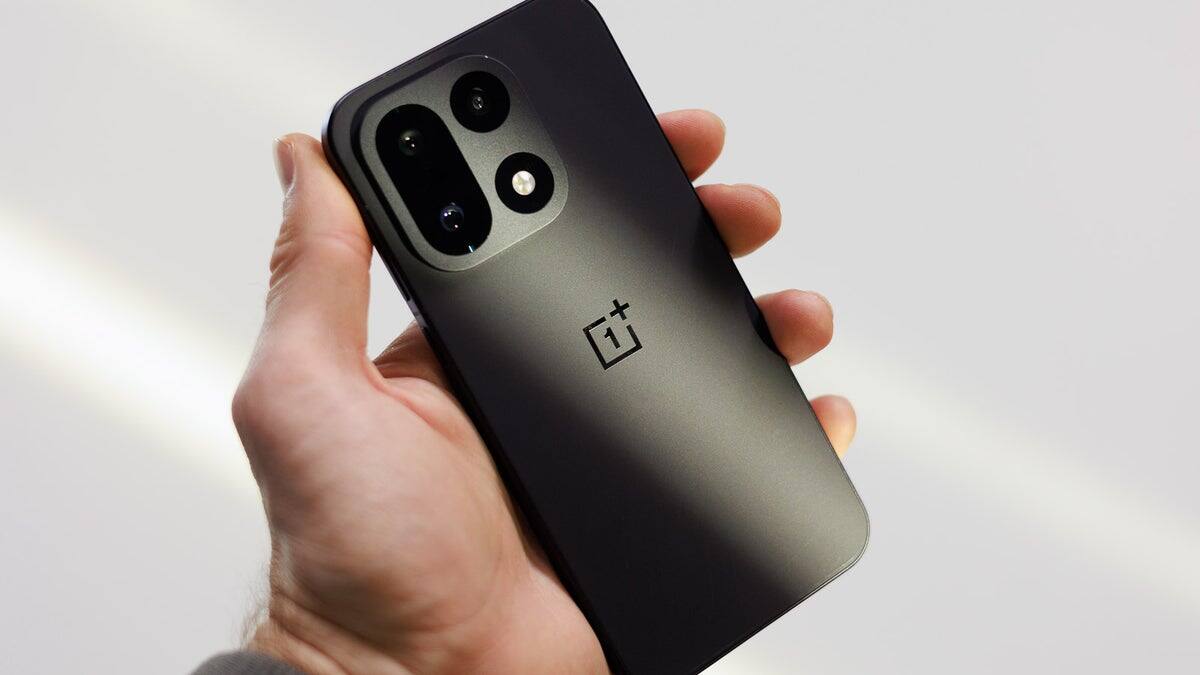
OnePlus is reportedly planning to halt the release of its flagship smartphones in key Western markets, including the US, UK, and parts of Europe. According to tipster Yogesh Brar, the company will continue normal operations in China, focus on budget and mid-range devices in India, but discontinue flagship launches like the upcoming OnePlus 16 and 17 in several global regions. This marks a significant strategic retreat after OnePlus made headway challenging major rivals with devices such as the OnePlus 15.
The rationale behind this contraction seems rooted in low profit margins and diminishing retail presence. Recent layoffs in countries like the US, UK, France, and Germany, combined with retailers ceasing OnePlus phone sales, illustrate the brand’s struggle to sustain healthy market footholds beyond Asia. In India, which accounts for a substantial portion of OnePlus sales alongside China, the future looks limited to affordable and mid-range models, sidelining the flagship Number series that once attracted tech enthusiasts.
For consumers in the US, UK, and the European Union, this could mean no official access to the next generation of OnePlus flagship phones, pushing them to opt for competitors like Samsung and Apple or explore alternative brands. Indian customers might only see devices like the OnePlus Nord 6 replacing the high-end phones they previously anticipated. While OnePlus has not confirmed these developments and past shutdown rumors were quickly denied, the current patterns of workforce reduction and retail withdrawal lend credibility to the ongoing speculation.
Reasons behind OnePlus withdrawing flagship releases from Western markets
OnePlus’s early strategy of undercutting premium flagships with compelling specs at lower prices helped it gain loyal followers worldwide. However, expanding globally introduces challenges such as rising costs, competitive saturation, and regional regulatory complexities. The company’s apparent decision to double down on China and budget offerings elsewhere signals a shift toward markets where its margins and volume balance remain more favorable.
This retrenchment also suggests the fierce dominance of Apple and Samsung in Western markets is proving too daunting, forcing OnePlus to concentrate on niches that promise better returns. The mid-range segment in India remains highly competitive but more accessible than chasing high-end sales in the West, especially with early indications that retailers no longer prioritize OnePlus devices.
Ultimately, this scenario leaves unanswered how OnePlus fans outside Asia will fill the flagship vacuum. Will another challenger rise to claim the mantle as the ”flagship alternative”? Or will consumers pivot fully to entrenched giants? It’s an important moment for OnePlus, once a darling of the premium budget segment, now tested by the realities of global smartphone economics.