

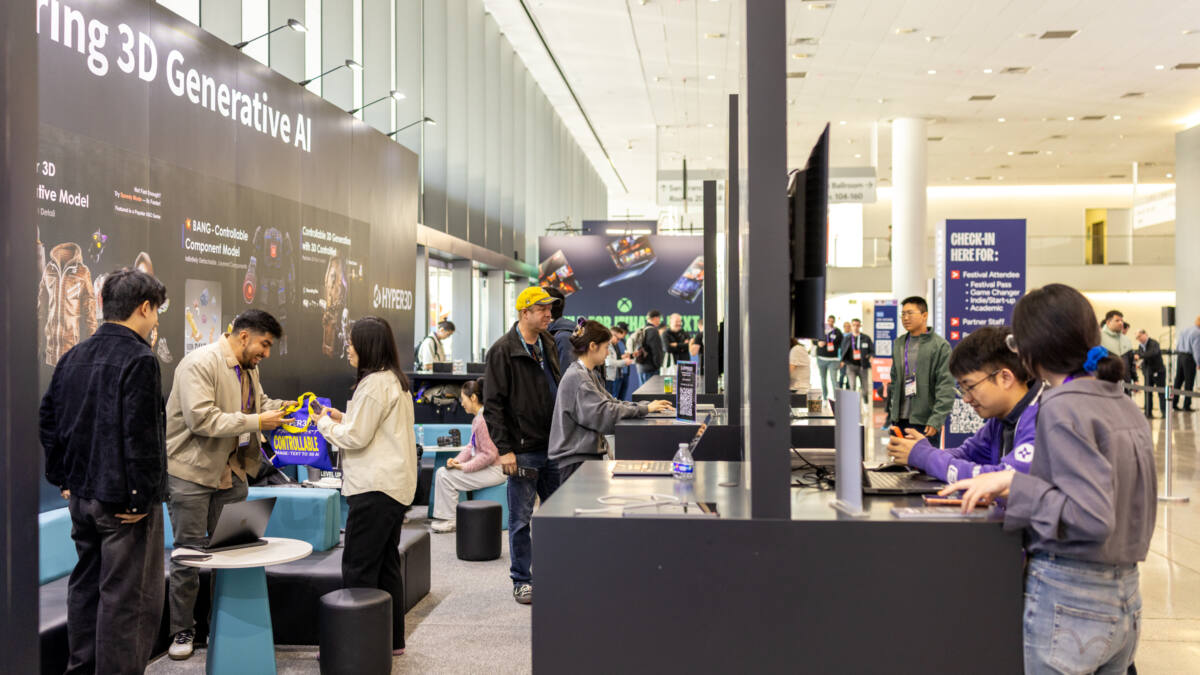
At this year’s GDC Festival of Gaming, artificial intelligence was an omnipresent theme-tools for generating entire game worlds, AI assistants speeding up bug logging, and presentations on AI-generated playable spaces captivated attendees. Yet, paradoxically, AI was notably absent from the games themselves. Conversations with many indie developers revealed a widespread reluctance to embrace generative AI in game creation, highlighting a deep-rooted preference for human creativity and craftsmanship over algorithmic shortcuts.
Developers emphasized that the soul of game making lies in the individual artist’s touch, a viewpoint underscored by Gabriel Paquette, creator of The Melty Way, who questioned why AI should replace the ”beautiful human mind.” These sentiments resonate with a recent GDC survey showing growing skepticism: 52 percent of respondents now see generative AI as having a negative impact on gaming, up sharply from 18 percent two years ago. Resistance also stems from early AI outputs that often underwhelm-Nvidia’s DLSS 5, for example, faced criticism for producing distorted or ”AI slop-like” character faces that felt cheap and inauthentic.
The benefits of AI touted by industry veterans-streamlining debugging, quality assurance, or content ideation-haven’t translated into creative trust. Finji’s founders, Adam and Rebekah Saltsman, famous for indie hits like Tunic and Chicory, articulated a clear rejection of AI in their work. They stressed that their games bear the ”fingerprints” of their creators, an intimate and unpredictable process incompatible with AI-generated content. This hands-on approach, according to Rebekah, shapes player expectations in ways AI struggles to replicate.
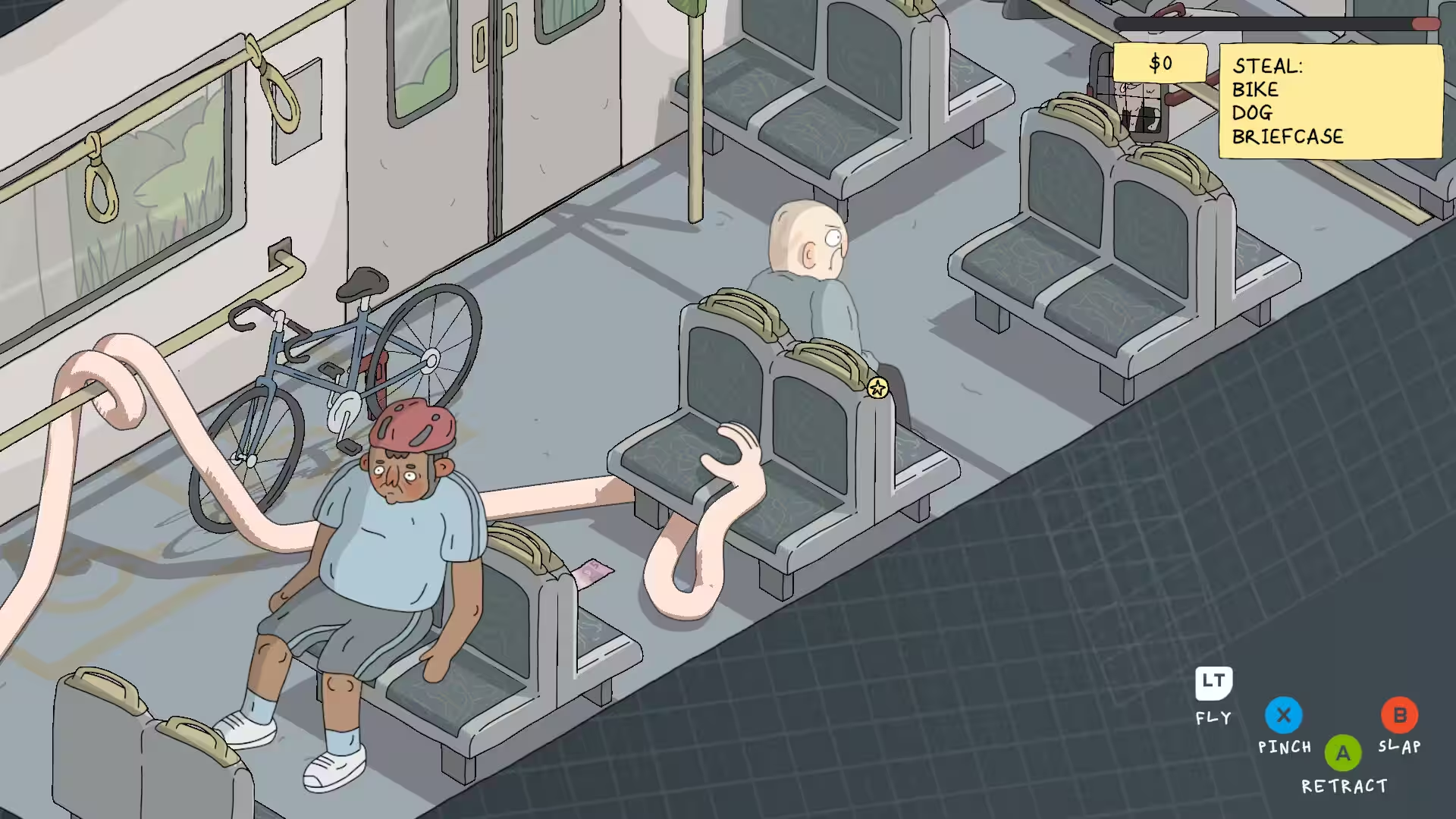
Other indie developers echoed these concerns. Abby Howard of Black Tabby Games dismissed AI-generated work as generic and disconnected, labeling it ”cheap.” Matthew Jackson, developing the comedy game My Arms Are Longer Now, bluntly remarked that AI ”is so not funny,” spotlighting the creative limits of current automated tools. Beyond artistic issues, legal ambiguities compound the hesitation. Because AI output can’t be copyrighted, developers fear marketing games made with such content will encounter regulatory and ownership hurdles.
The resistance is not limited to indie circles. Publishers like Panic, behind Untitled Goose Game, explicitly avoid AI-made games, requiring developers to certify their projects are human-made. Even Hasbro’s new forays into gaming development exclude AI from their workflows. Much of the opposition centers on preserving the craft of game development, which entails a deep, hands-on process that teaches skills, sharpens creativity, and molds unique experiences-something many feel AI shortcuts dilute.
Developers worry about the long-term impact of AI replacing human jobs, especially in a field already facing layoffs and talent bottlenecks. Tony Howard-Arias from Black Tabby Games questioned where future talent will come from if AI takes over entry-level roles integral to learning the craft. This concern taps into a broader industry challenge: balancing cost efficiencies from AI with sustaining a pipeline of skilled creators who drive innovation.
Although some acknowledged AI’s potential in streamlining development workflows-paralleling its evolving use in film and TV production-most remain committed to handcrafted game design. For the foreseeable future, many developers prefer to preserve the ”human connection” that comes from manually sculpting every pixel and narrative thread. As Rebekah Saltsman put it, each game is a deeply personal creation, launched into the world with thousands of hours of care for an unseen player’s experience. The rise of AI in gaming may be inevitable, but for now, the spirit of indie development insists on staying firmly human.