

The global automotive industry is reconsidering its rush toward electric vehicles (EVs), as at least a dozen major manufacturers scale back their electric plans. Persistent consumer preference for internal combustion engines (ICE) and reduced government incentives in the US and Europe are prompting this strategic shift. Mixed models combining electric and traditional drivetrains are gaining traction over full electrification.
Honda exemplifies this pivot: the Japanese giant recently abandoned its goal to phase out internal combustion cars by 2040, forecasting $16 billion in losses over the next two years due to this shift. Other big names like Mercedes-Benz, Ford, Stellantis, and Volvo Cars have similarly eased off their EV production ambitions, reflecting broader uncertainty in the market.
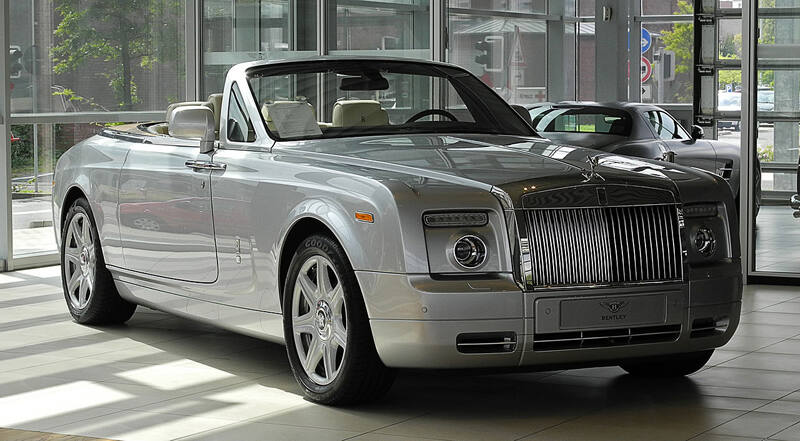
The luxury segment is also retreating from full electrification. Rolls-Royce confirmed it will keep producing V12 gasoline engines beyond 2030, despite launching its electric Spectre model. CEO Chris Brownridge emphasized that while the company will continue electric offerings, it will not abandon traditional engines. Similar recalibrations affect Bentley, Lotus, Audi, and Porsche, with many extending the availability of plug-in hybrids into the late 2030s.
Lamborghini scrapped plans for its fully electric Lanzador by 2030, choosing instead to release it as a plug-in hybrid. CEO Stephan Winkelmann pointed to rising resistance against full electrics, citing the lack of traditional engine sound and driving feel as key consumer turnoffs. Ferrari shares this stance, halving its EV goals by 2030 while assuring fans it will not silence the iconic roar of combustion engines.
Policy changes heavily influence these reversals. The Trump administration’s rollback of federal EV tax credits, infrastructure funding cuts, and looser emissions standards have dampened the US market. Similarly, the European Union has relaxed some emissions targets. According to Financial Times, these strategic retreats and investment cancellations have cost the global auto sector at least $75 billion in the past year.
Automakers now seem to be balancing between electrification goals and practical market realities, with hybrid models and prolonged production of fuel-engine vehicles offering a middle ground. Whether these adjustments delay a full switch to electric vehicles nationwide-or trigger new innovation in hybrid technology-remains to be seen.