

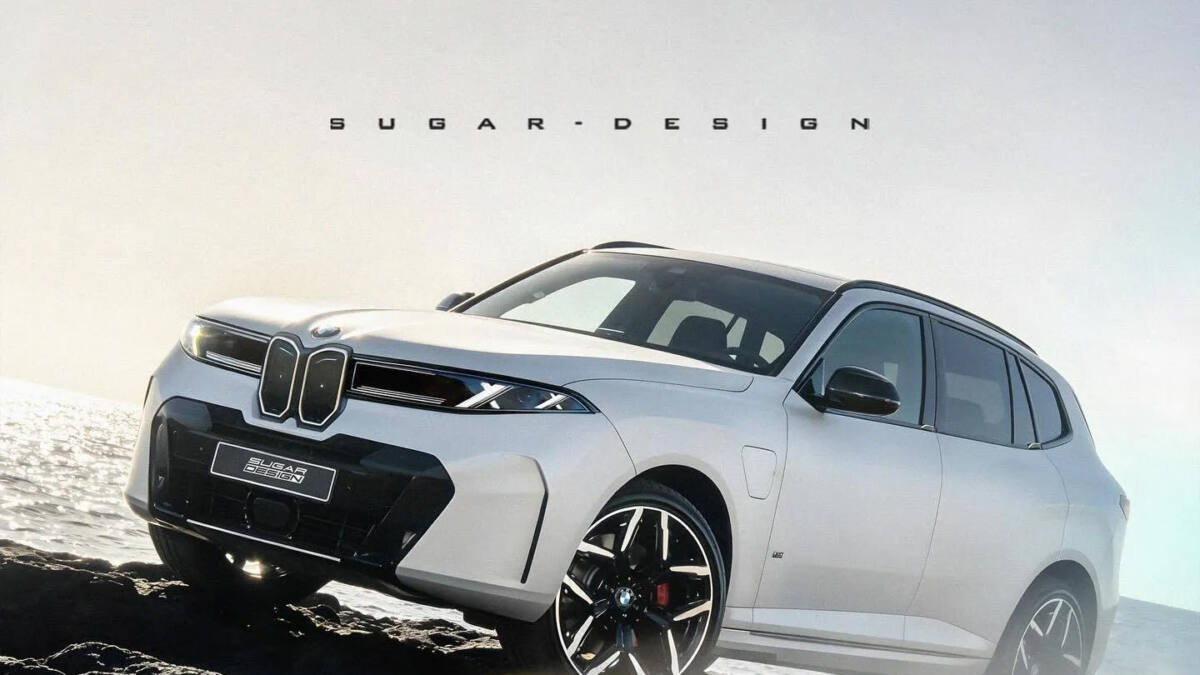
BMW is gearing up to redefine the luxury SUV segment with the release of its all-new X5 set for 2027. Launching possibly as a 2028 model, this latest generation will mark a significant departure from its predecessor, both in design and propulsion options. The BMW X5 will debut with five different powertrain configurations, ranging from traditional internal combustion engines to advanced hydrogen fuel cells and battery-electric variants.
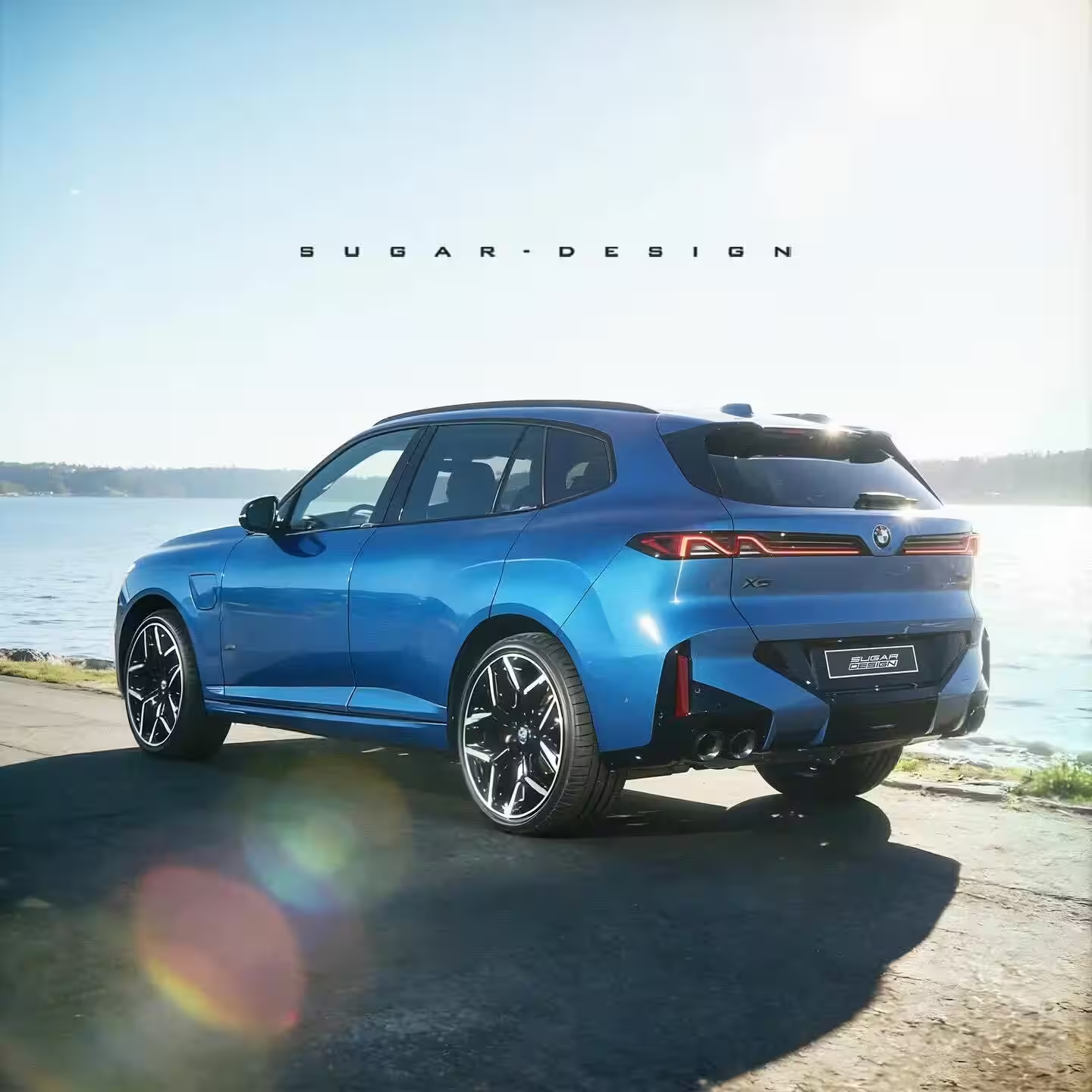
Distinct styling inspired by BMW’s Neue Klasse philosophy gives the new X5 a fresh, bolder presence. Expect more upright kidney grilles, sharp X-shaped LED daytime running lights, and smoother side panels that shed the complex surfaces of the current model. Far from a mere facelift, the design language draws heavily from the BMW i3, visually distinguishing the new X5 from its earlier iterations.
The engine lineup expands beyond the usual petrol and diesel engines to include plug-in hybrids, pure electric models, and a hydrogen fuel cell variant-a rarity among luxury SUV competitors. Internal combustion variants expected are the 2.0-liter turbocharged four-cylinder, a 3.0-liter inline-six, and a 4.4-liter twin-turbo V8 reserved for the X5 M. Hybrid iterations will be denoted by the ”e” suffix, for example, the 50e xDrive and M60e xDrive.
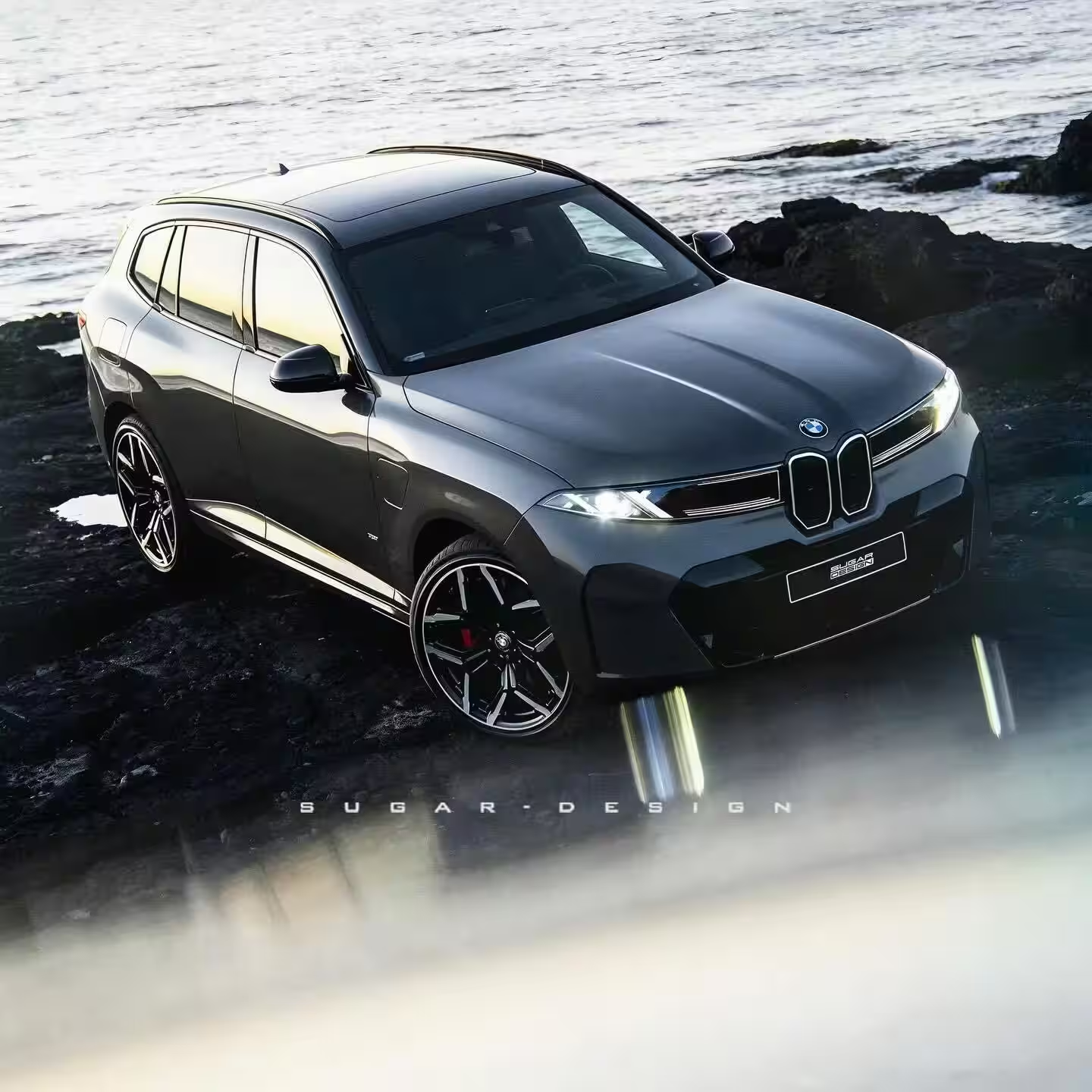
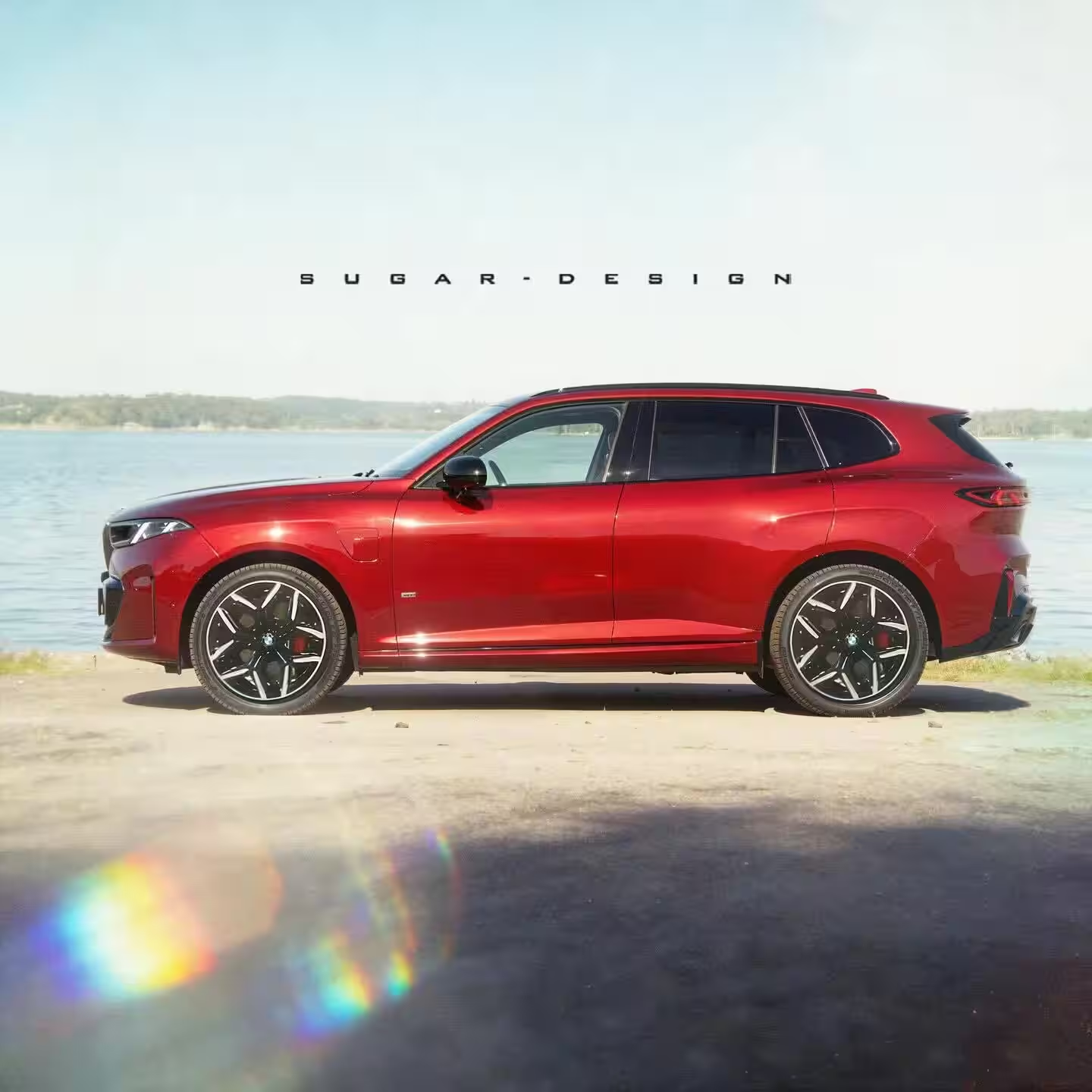
The fully electric version, named iX5, expands BMW’s EV portfolio with at least six configurations. Early indications suggest the base iX5 eDrive40 will deliver around 340 hp and accelerate to 100 km/h in under six seconds. The range-topping iX5 M60 model could produce nearly 600 hp and sprint to 100 km/h in about four seconds, rivaling other luxury electric SUVs.
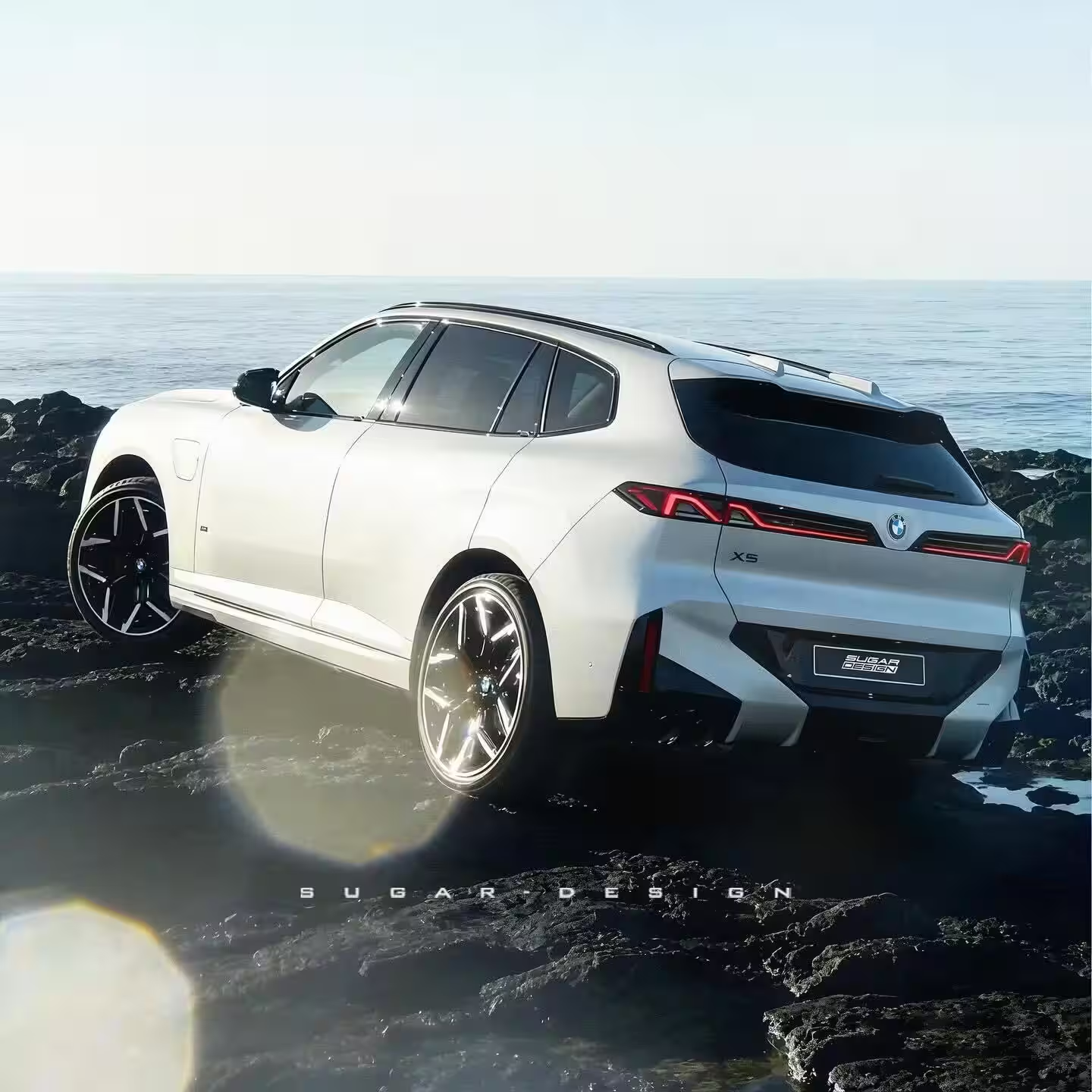
BMW also plans to elevate in-car technology with the new Panoramic iDrive multimedia system. This setup integrates a central touchscreen with a sleek, panoramic display extending across the entire width of the windshield, while supporting wireless connections for Apple CarPlay and Android Auto.
BMW’s inclusion of a hydrogen fuel cell option in the X5 lineup stands out, as few competitors consider this technology in the luxury SUV market. This signals BMW’s continued exploration of diversified powertrain technologies beyond electrification, potentially appealing to buyers seeking longer range and faster refueling without emissions.
All this suggests that BMW is positioning the new X5 to remain a top contender in the luxury SUV segment by offering the widest-ever range of powertrain choices, blending performance, sustainability, and next-gen tech in a single package.
BMW X5 2027 powertrain options:
- 2.0-liter turbocharged four-cylinder petrol engine
- 3.0-liter inline-six petrol engine
- 4.4-liter twin-turbo V8 petrol engine (X5 M)
- Plug-in hybrid variants (50e xDrive, M60e xDrive)
- Hydrogen fuel cell variant
- Fully electric iX5 with multiple configurations (eDrive40 and M60)