

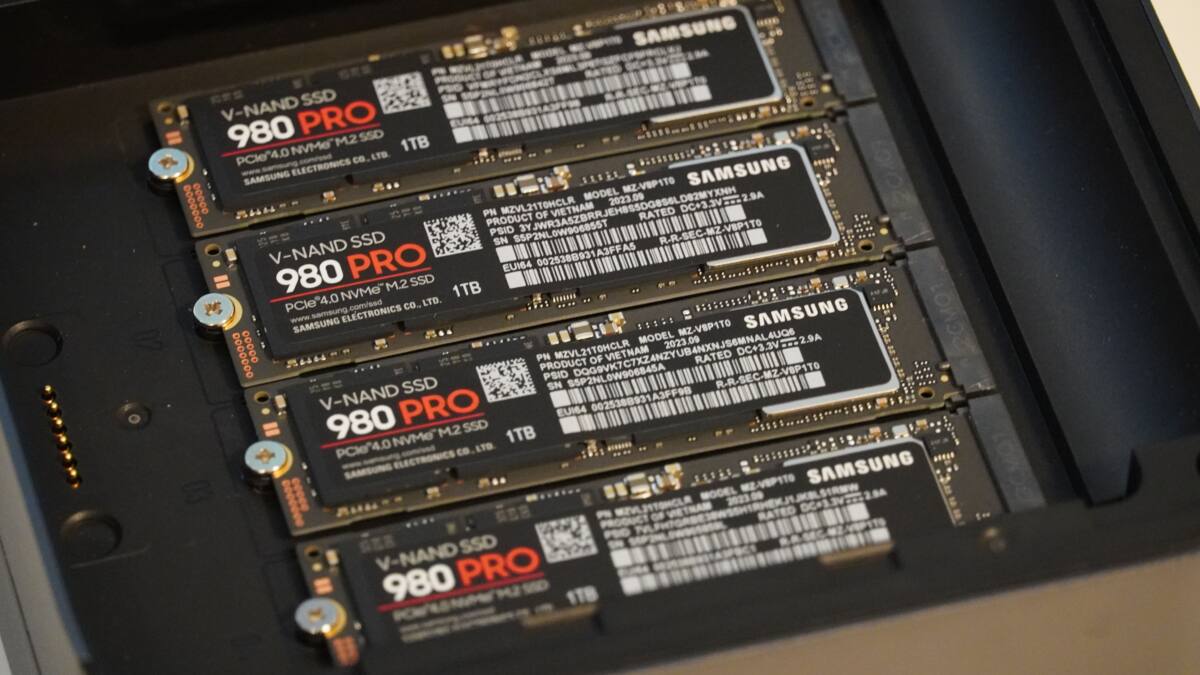
Consumer solid-state drives (SSDs) have become prohibitively expensive, with prices more than doubling over the past six months. This spike is tied to a shift in production priorities, as manufacturers divert silicon wafers and resources toward the booming data center and AI markets. With companies like Micron exiting the consumer SSD space entirely and others scaling back, price relief isn’t expected until around 2028. For PC builders, NAS enthusiasts, and home lab users seeking affordable, reliable storage, used enterprise SSDs have turned into a surprisingly sound alternative.
Enterprise SSDs are engineered to handle heavy workloads and deliver extended durability – qualities often overlooked in the consumer market. They typically feature higher endurance ratings, advanced controllers, power-loss protection, and firmware optimized for consistent performance rather than just burst speed. While consumer 2TB drives might offer around 1,200 terabytes written (TBW), equivalent enterprise units often exceed three times that figure, promising years of reliable use even when pre-owned.
This tilt toward enterprise SSDs was accelerated by unprecedented demand from AI-intensive data centers, which effectively limited wafer distribution for consumer drives. The average price for a 2TB Gen4 consumer SSD has jumped from roughly $120 in late 2023 to nearly $350 today. Consequently, many users needing performance storage for productivity machines or network-attached storage face tough choices.
Buying pre-owned consumer SSDs has long been risky due to unknown wear levels and flash degradation, but enterprise drives come off data center service rotation with plenty of life left. Indeed, enterprises regularly retire drives well before their end of life to maintain reliability. The catch is that many enterprise drives employ different connectors and form factors – like U.2, U.3, or SAS – which may require adapters to interface with typical PCs and motherboards that support PCIe or SATA.
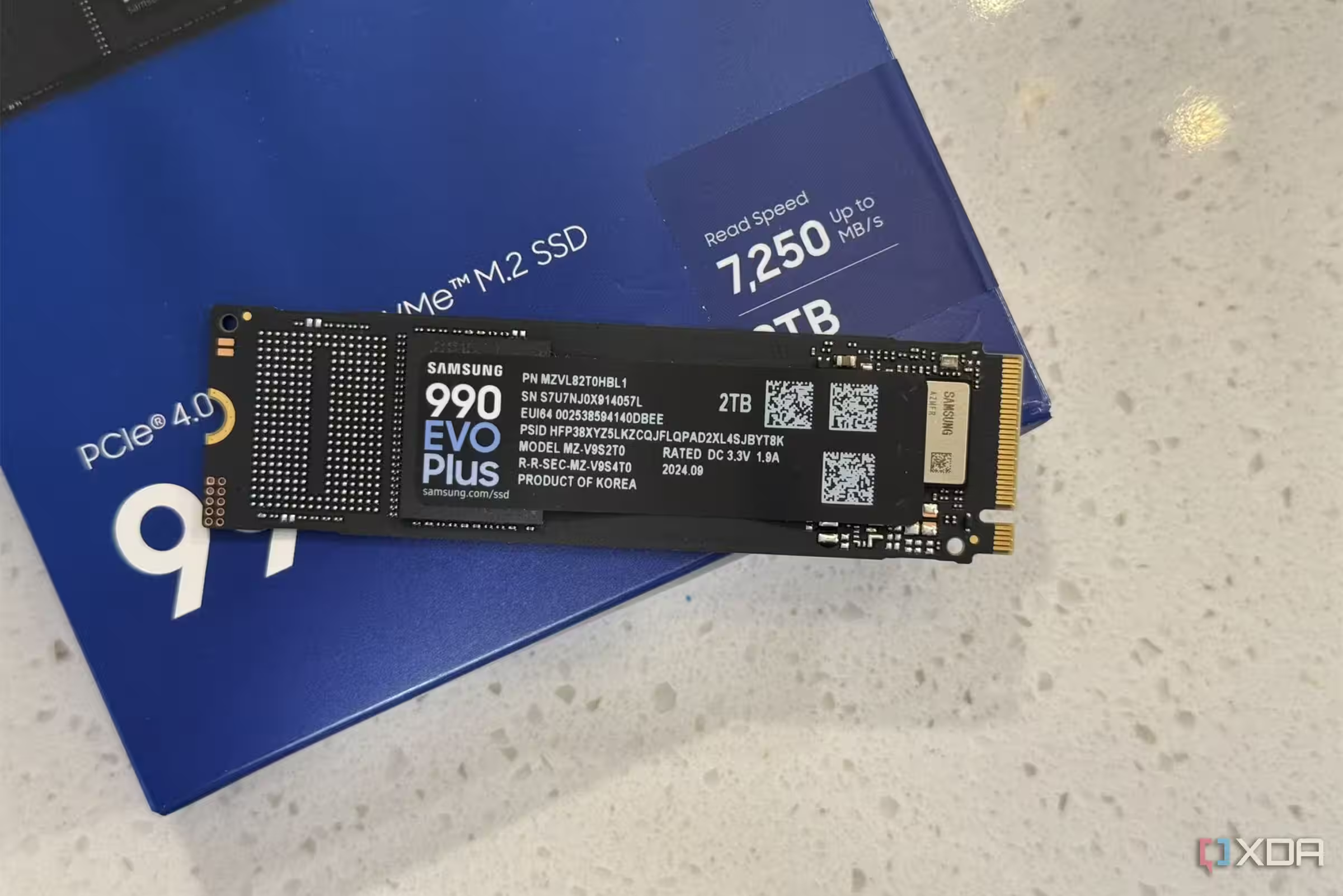
From a value perspective, used enterprise SSDs on platforms like eBay can be purchased for nearly half the cost of new consumer SSDs with comparable capacity. For instance:
- 4TB SAS enterprise SSD: about $170-$180
- New 4TB SATA consumer SSD: $350 or more
Given their endurance and reliability, these used enterprise drives make an appealing option for budget-conscious buyers willing to handle minor compatibility hurdles.
However, buyers should beware of too-good-to-be-true offers and sellers without a credible track record. It is important to request SMART health data from sellers and verify the drive’s model to avoid obsolete or inefficient hardware that might waste power or deliver poor performance. Ensuring the drive’s health can help minimize risks that typically deter users from purchasing previously owned storage devices.
Until the consumer SSD market recalibrates – which won’t happen for several years – savvy shoppers looking beyond mainstream retail might find the sweet spot in used enterprise drives. Even with the potential inconvenience of adapters, the trade-off is less strain on your wallet and access to storage designed to last through heavy data loads. It’s a rare situation where buying used may actually trump new.