

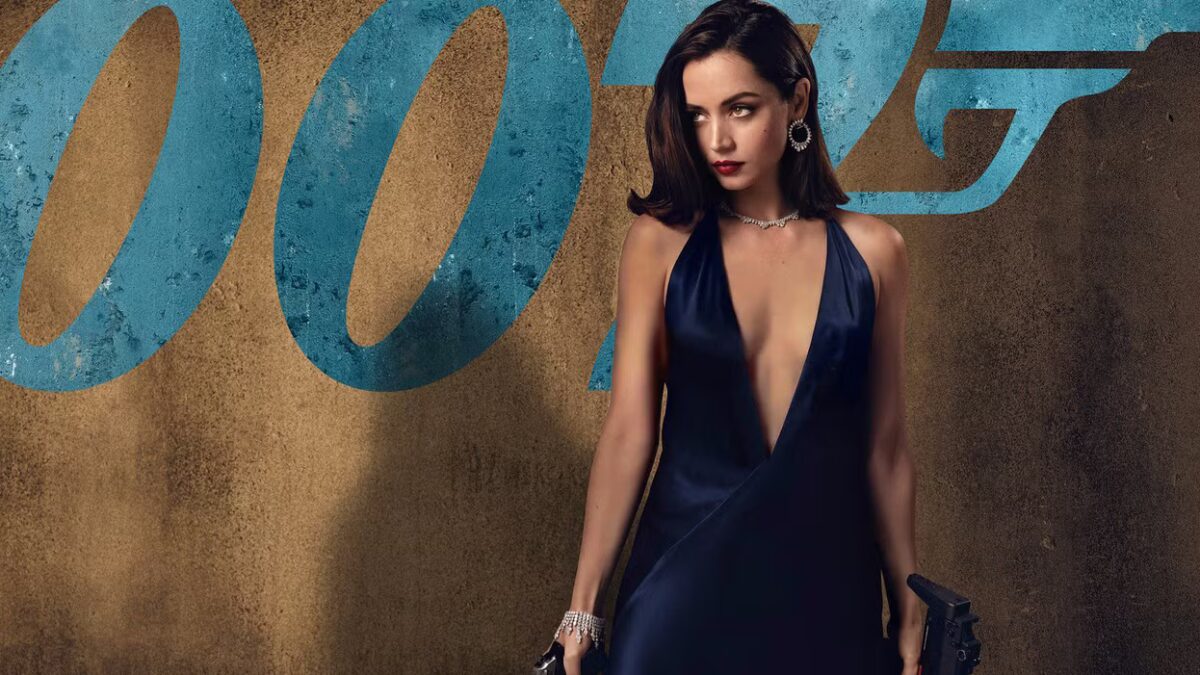
Over six decades and 25 films, the Bond franchise has introduced a parade of unforgettable women who were never just eye candy. Bond girls have evolved into cultural icons reflecting shifting ideas about female beauty, sexuality, and strength. Some became fashion legends, others won Oscars, and a handful sealed their place in film history with a single scene or line. While the role of 007 has been recast five times, these actresses remain timeless symbols of the series’ legacy.
Ursula Andress: The shell bikini that changed cinema
In 1962, Ursula Andress emerged from the Caribbean surf in a white bikini with a knife strapped to her hip-and Bond movies were never the same. Playing Honey Ryder in Dr. No, she set the gold standard for Bond girls that would be chased for fifty years. The Swiss-Italian actress’s look worked equally well in black-and-white or color, with a timeless naturalness that transcended any era’s trends.
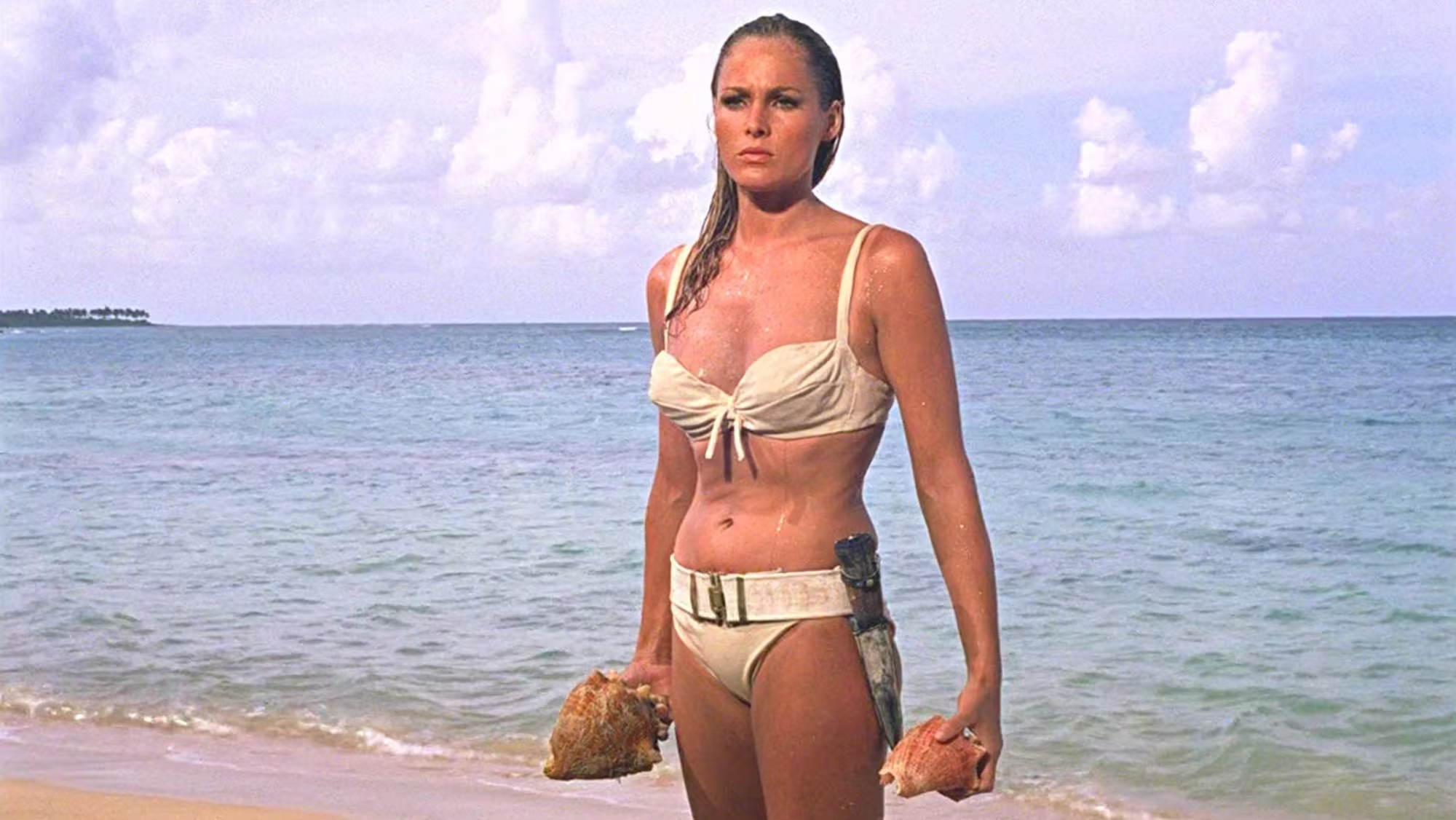
Interestingly, Andress’s voice was dubbed over by another actress because producers felt her accent was too strong for American audiences. Even so, her iconic entrance from the sea remains one of cinema’s most mimicked moments, referenced again in Daniel Craig’s Casino Royale. Hers is beauty encoded in cultural DNA-immortal and endlessly reinterpreted.
Monica Bellucci: Bond’s oldest leading lady at 50
In 2015’s Spectre, Italian actress Monica Bellucci made history as the oldest Bond girl ever, playing Lucia Sciarra at 50. Breaking the tradition of castings focused on youthful glamour, producers embraced her mature charisma, elevating the late Craig era with a daring casting choice. Bellucci didn’t just play a character-she was a force of nature, leaving Bond himself looking a bit outmatched.
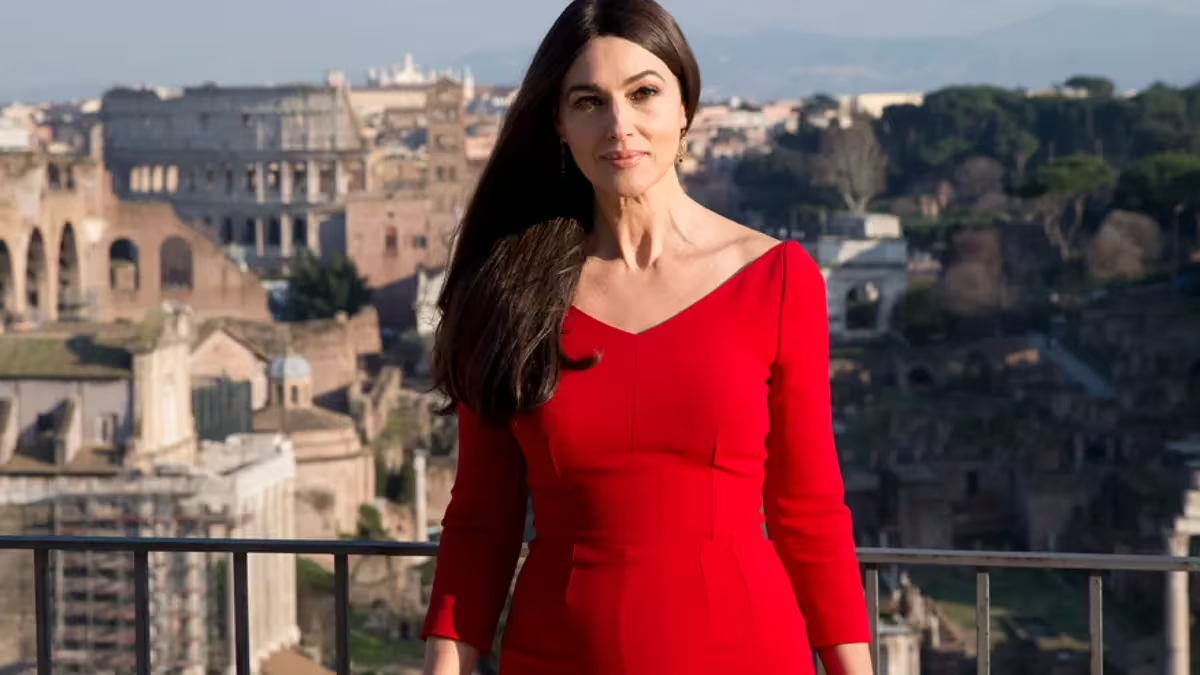
Bellucci’s screen time was brief but sparked more conversation than some leading ladies of entire films. She explained in interviews that she took the role because she was tired of Hollywood’s ”over-40” discard culture. Bellucci flipped that script, proving magnetism doesn’t expire-and the franchise that recognized this reinvented itself in the process.
Halle Berry: A bikini tribute and a breakthrough for Bond girls
In 2002’s Die Another Day, Halle Berry’s entrance-surfacing from the sea in a vibrant orange bikini brandishing a hunting knife-was a clear, deliberate nod to Ursula Andress’s legendary scene four decades prior. But Berry’s Jinx wasn’t just homage; she injected serious physicality and combat skills long absent from Bond girls. Already an Oscar winner for Monster’s Ball, Berry brought a new level of gravitas to the role.

Berry was the franchise’s first Black Bond girl, a milestone that carried significant cultural weight in 2002. Jinx matched Bond skill for skill, requiring no rescue-a near-revolutionary portrayal in the series at the time. Rumors of a Jinx spin-off never materialized, marking one of Bond’s biggest missed opportunities.
Eva Green: The woman who redefined Bond girls
The 2006 reboot Casino Royale elevated Bond into a new era, with French actress Eva Green’s Vesper Lynd transforming the archetype. Vesper’s death wasn’t just a plot device-it was a turning point that deepened the stakes for 007. Green crafted a character with her own tragedy and intelligence, making Bond feel like just one piece on a larger chessboard.
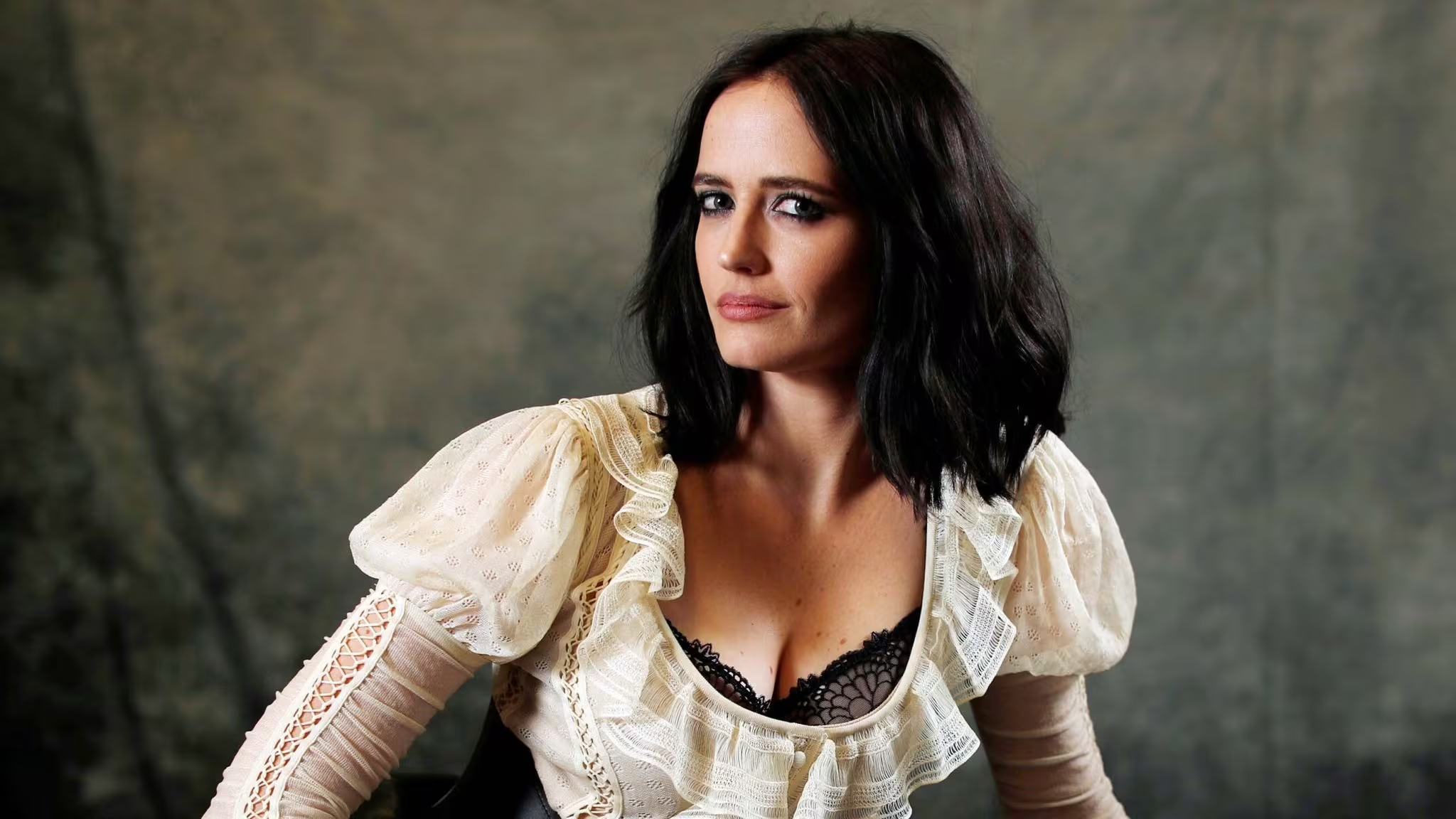
Producers searched extensively for an actress who could stand toe-to-toe with Daniel Craig and found greenlighting in an arthouse star. Having worked with Bertolucci in The Dreamers, Green was known for rejecting trivial roles. She brought intellectual sharpness as a key weapon, raising the bar for all Bond girls who followed. Fans consistently rank her among the franchise’s best.
Claudine Auger: Parisian elegance beneath the waves
In 1965’s Thunderball, French actress Claudine Auger debuted as Domino, one of the franchise’s most refined and sophisticated Bond girls. Auger’s distinct French allure-equal parts sensual invitation and aloof warning-stood out amid the more overt heroines of the 1960s era.
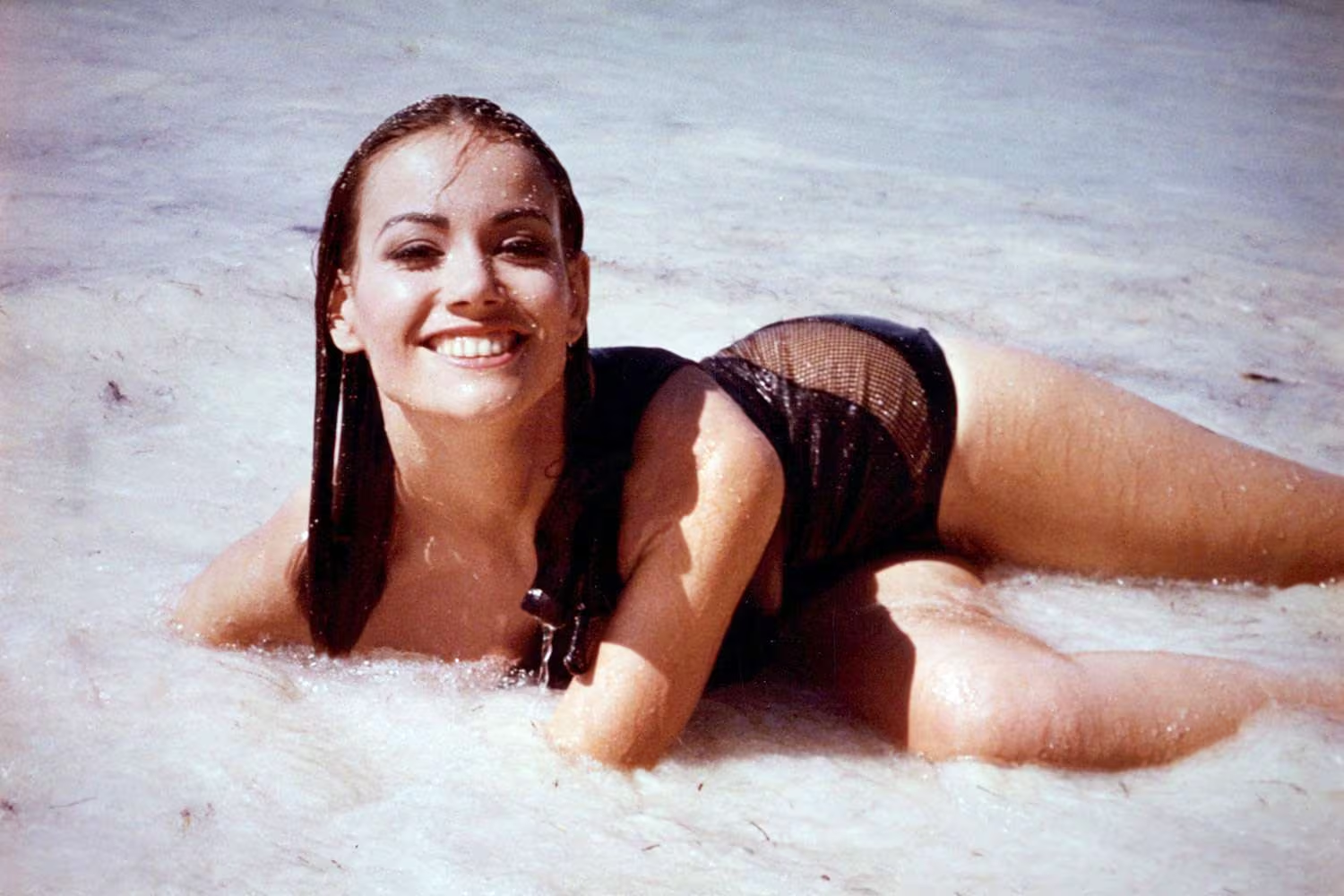
A 1958 Miss France winner, Auger transitioned from modeling and European film to Hollywood and finally global fame with Bond. Far from a helpless victim, Domino dispatched the main villain herself-a bold script choice in the mid-60s. Auger set the tone for European sophistication in the series, inspiring later portrayals.
Barbara Bach: Soviet spy with goddess looks
Italian-American Barbara Bach played Major Anya Amasova in 1977’s The Spy Who Loved Me, marking the first time a Bond girl was a true equal to 007-an accomplished agent on her own mission, with scores to settle. Roger Moore later noted their scenes came easiest because she never played the damsel, a presence palpable to the audience.
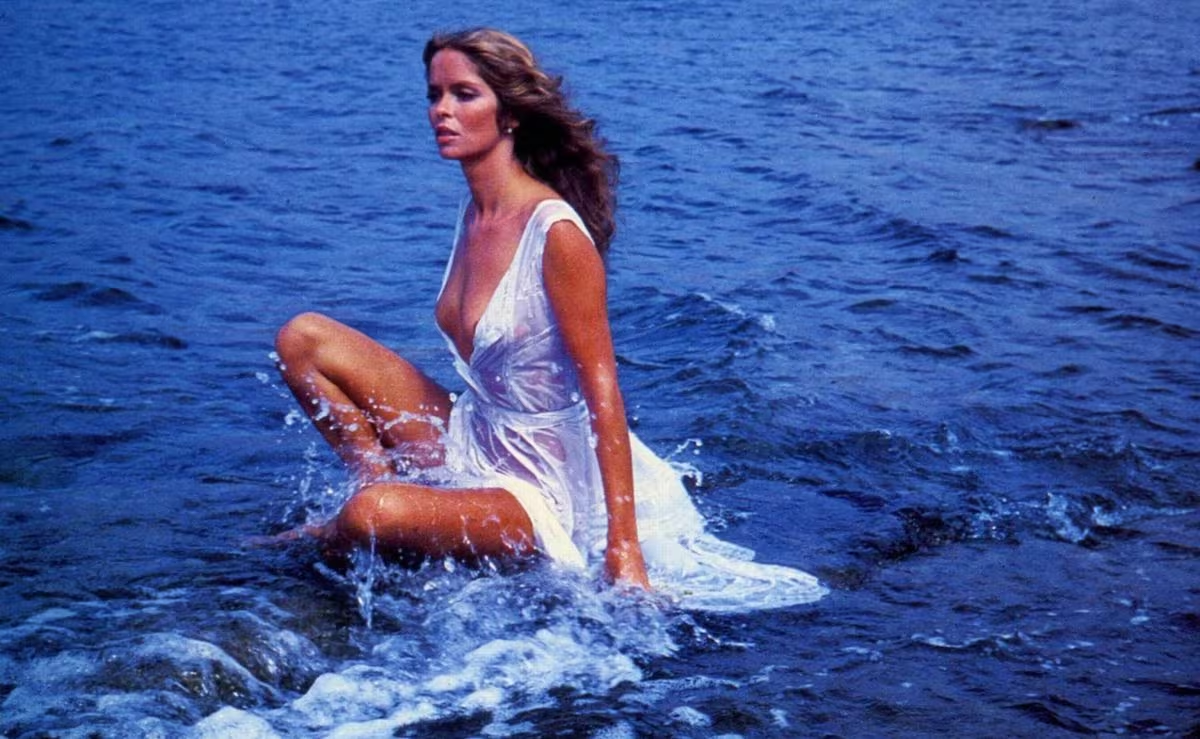
Bach stumbled into the casting almost by chance; until then, she was mainly known in Italian cinema and little recognized by English-speaking audiences. Bond changed that overnight-she became one of the decade’s most iconic faces, gracing magazine covers worldwide. She later married Ringo Starr, whom she met on another movie set-a storyline worthy of a Bond film itself.
Sophie Marceau: The Bond girl who nearly killed Bond himself
French star Sophie Marceau took on the complex role of Elektra King in 1999’s The World Is Not Enough. Her character blurred lines-neither victim nor traditional villain, Elektra was driven by her own truth and pain, with Bond as a mere obstacle. Marceau’s nuanced performance made their final scene one of the best in Pierce Brosnan’s Bond era.
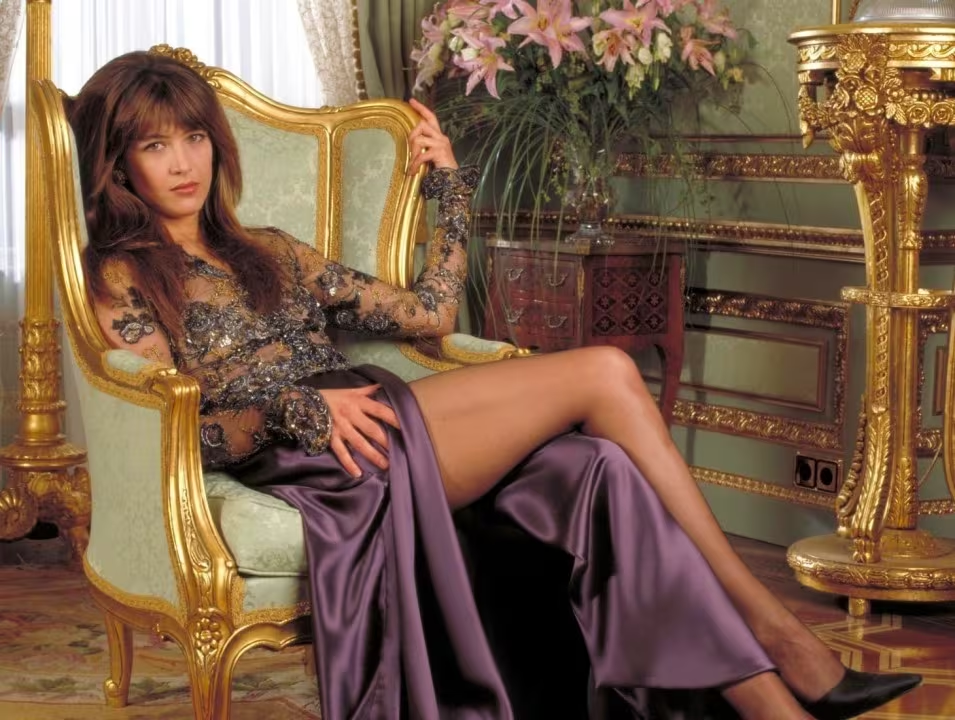
Marceau became a French star at 16 with the hit La Boum, and by the time she joined the Bond franchise, her European pedigree gave Hollywood a courtesy visit vibe. She brought a sophisticated acting style rarely seen in genre films, making Elektra King a layered character where usually roles feel flat. For Marceau, beauty was a tool, never the goal-visible in every scene.
Olga Kurylenko: The Ukrainian who changed Bond’s formula
With Ukrainian roots and French citizenship, Olga Kurylenko played Camille Montes in the 2008 film Quantum of Solace. She was the first Bond girl without a romantic subplot, existing as her own entity fueled by revenge and motivation. Kurylenko’s Camille and Craig’s Bond shared similar trauma, and their relationship was built on silent understanding rather than sexual tension.

Before Bond, Kurylenko was a top Parisian model at 16 and appeared in Hitman plus several European films. After Quantum of Solace, she starred opposite Tom Cruise in Oblivion, again playing a key to unraveling a global conspiracy. She embodies a rare blend of Eastern European features, French poise, and Hollywood confidence-a triple cultural fusion with no one element dominating.
Ana de Armas: The future of Bond girls is now
Cuban-Spanish actress Ana de Armas stole the show in 2021’s No Time to Die, despite only about fifteen minutes of screen time. Playing CIA agent Paloma, billed as a rookie, she turned into a ruthless combat machine in an evening gown with a martini in hand. Her Havana scene became one of the franchise’s most talked-about moments. Speculation quickly arose about her potential as the next 007.
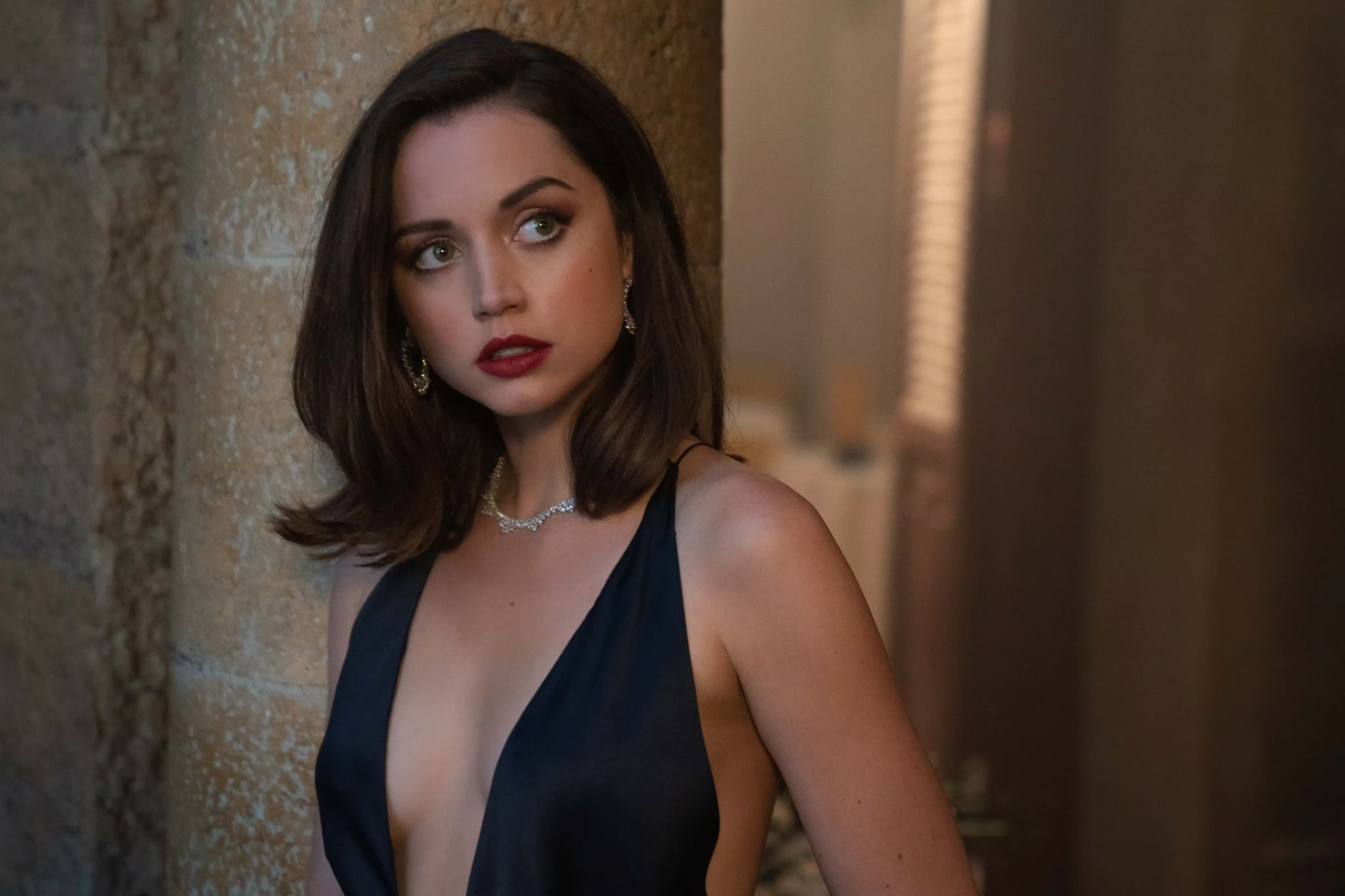
Following roles in Blade Runner 2049, No Time to Die, and Deep Water, Ana de Armas has firmly established herself as an actress capable of carrying any genre or scope. Directors love her so much they often restrain themselves from shooting only close-ups. She’s at a career crossroads where the next big leap could be anything-and this unpredictability makes her the most exciting name on this list.
The evolution of Bond girls mirrors broader cultural shifts around female agency and representation. From silent sirens to skilled agents and complex characters, the franchise has gradually expanded the scope of women’s roles rather than sidelining them. With the emergence of actresses like Ana de Armas hinting at even bolder casting choices, the future of Bond girls may not just be about who accompanies 007-but who might take the lead.