

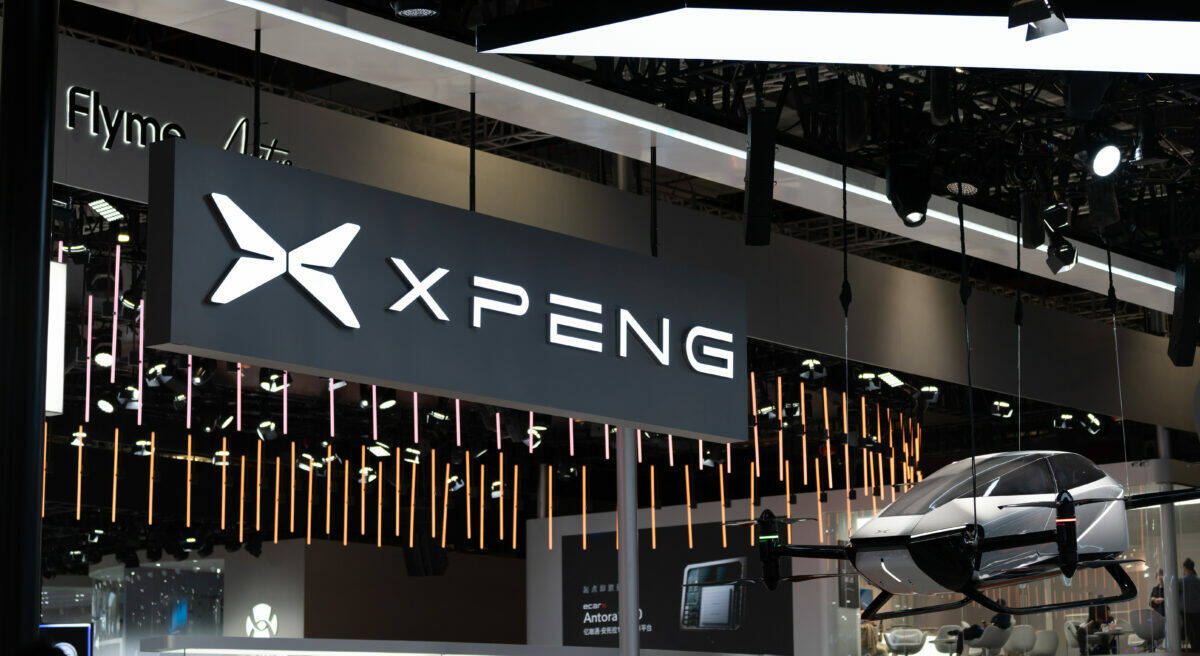
Chinese electric vehicle maker Xpeng has reported its first-ever quarterly net profit, a milestone for the company as it moves beyond domestic challenges. For Q4 2025, Xpeng posted a net profit of CN¥380 million (about US$50 million), alongside a 38.2% year-on-year revenue jump to CN¥22.25 billion. The company also revealed plans to introduce its EV lineup to Latin America, debuting at a Mexico event on March 25.
This boost in profitability aligns Xpeng with fellow Chinese EV startups like Nio, Li Auto, and Leapmotor, all showing signs of turning the corner financially after years of heavy investment and competitive pressure. While vehicle deliveries of 116,249 fell short of the company’s own guidance range, a sharp increase in service revenues-spiking 121.9%-helped widen gross margins to 21.3%. This revenue surge is credited mainly to technical R&D services likely provided to Volkswagen, a strategic partner with whom Xpeng plans to launch a second jointly developed vehicle in China during 2026.
However, Xpeng’s outlook for Q1 2026 is conservative, forecasting 61,000 to 66,000 vehicle deliveries and revenue between CN¥12.2 billion and CN¥13.3 billion-well below analyst expectations near CN¥15.7 billion. The shortfall reflects ongoing headwinds in the Chinese EV market, where the removal of government subsidies has triggered a considerable sales slowdown. New energy vehicle purchases fell sharply in February, highlighting the cooling domestic demand.
Xpeng’s Latin America EV expansion and Mexico launch
To counterbalance domestic softness, Xpeng is advancing international expansion, with Latin America as its initial frontier outside Asia. Mexico is the logical starting point due to its growing EV market, already led by BYD and seeing moves by Geely to localize manufacturing. Yet Xpeng faces steep obstacles entering this market, including a hefty 50% import tariff on vehicles from countries without free trade agreements, affecting its pricing against competitors who either produce locally or nearshore from Brazil.
This import duty puts Xpeng at a disadvantage relative to BYD, which dominates Mexican EV sales partly through more localized production, and Geely’s ambitions to acquire a former Nissan-Mercedes factory highlight the importance of on-site manufacturing in this region. Xpeng’s Mexico EV launch may intensify competition for a market eager for affordable electric vehicles but squeezed by US trade friction and rising tariffs.
Xpeng’s futuristic mobility projects and European partnerships
Chairman He Xiaopeng reaffirmed the company’s ambitions to diversify its portfolio beyond passenger vehicles. Xpeng plans to commence mass production of humanoid robots, flying cars, and robotaxis before the end of 2026, signaling a bold pivot toward futuristic mobility and automation sectors.
On the partnership front, Xpeng is reportedly in talks with Stellantis to explore technology sharing and platform integration plans for Europe, mirroring its collaborative relationship with Volkswagen in China. Such alliances could be vital for Xpeng’s global expansion, providing market access, technical expertise, and a foothold in key regions beyond China and Latin America.