

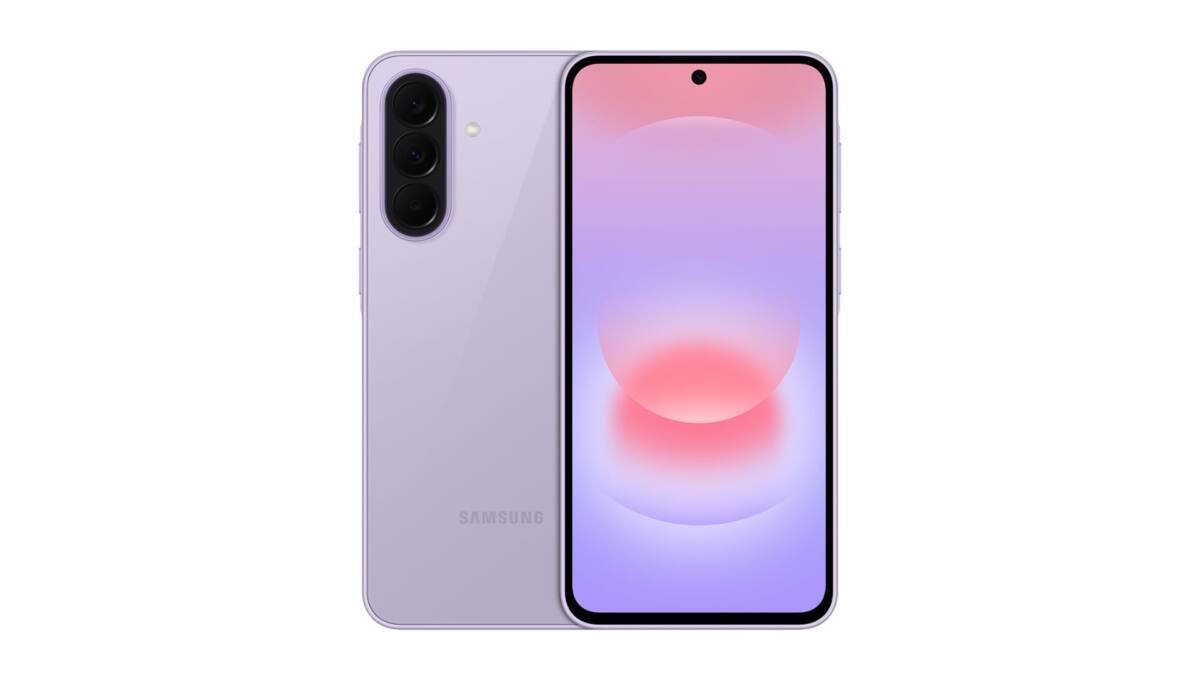
Samsung’s next mid-range smartphones, the Galaxy A37 and A57, have appeared in detailed leaked images showcasing their fresh color options and design cues. These models arrive after the Galaxy S26 series, aiming to capture consumers who want large-screen devices with solid camera setups without the flagship price tags.
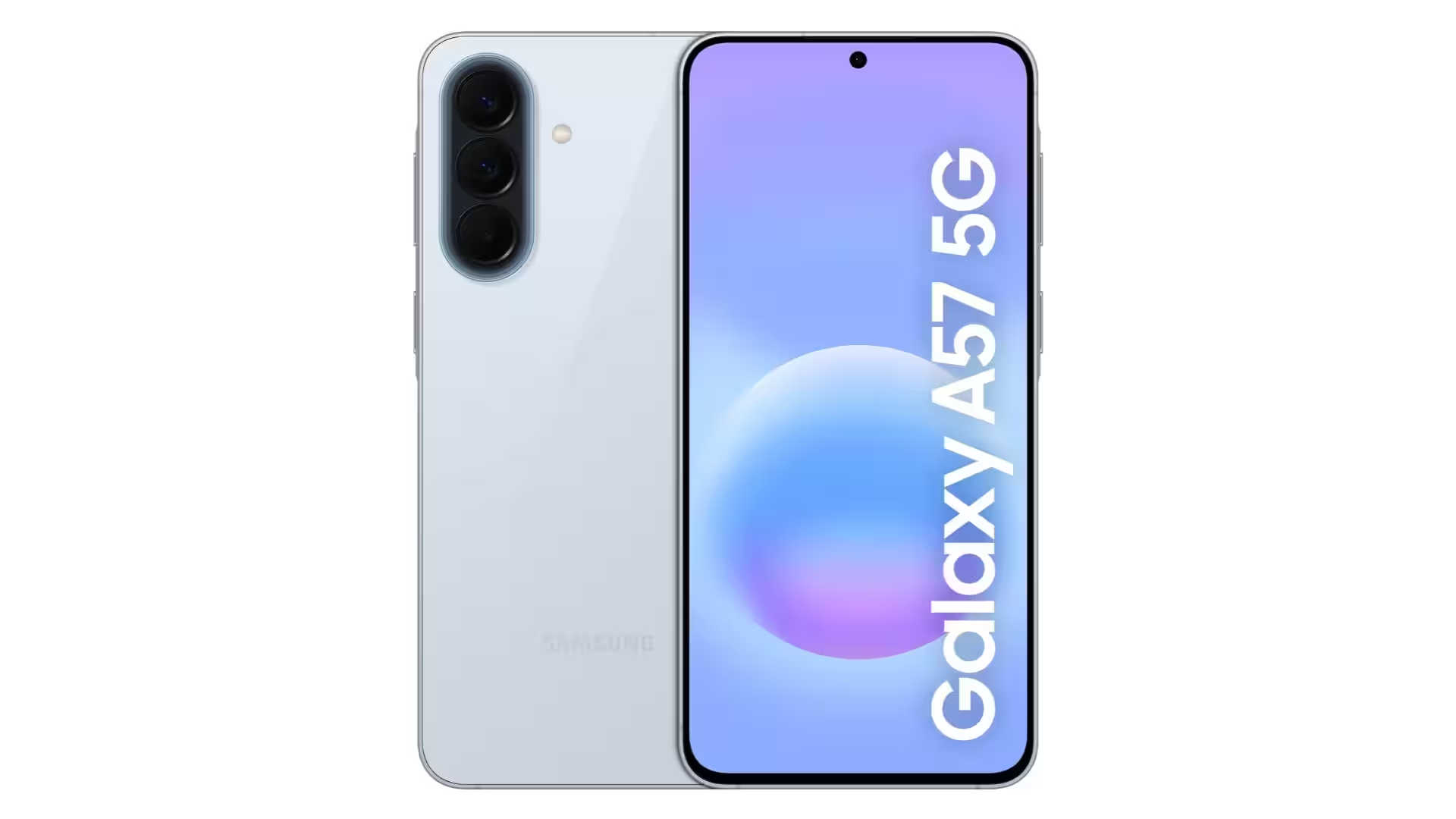
Revealed by leak expert Evan Blass, the Galaxy A37 is shown in Awesome Lavender, Gray Green, and Charcoal, with a white variant confirmed but not pictured. The Galaxy A57, on the other hand, arrives in shades dubbed Awesome Icy Blue, Lilac, Gray, and Navy. Both phones sport a triple-camera array on the back and feature sizeable 6.7-inch OLED displays with 120Hz refresh rates, catering to users who want smooth graphics in a mid-tier package.
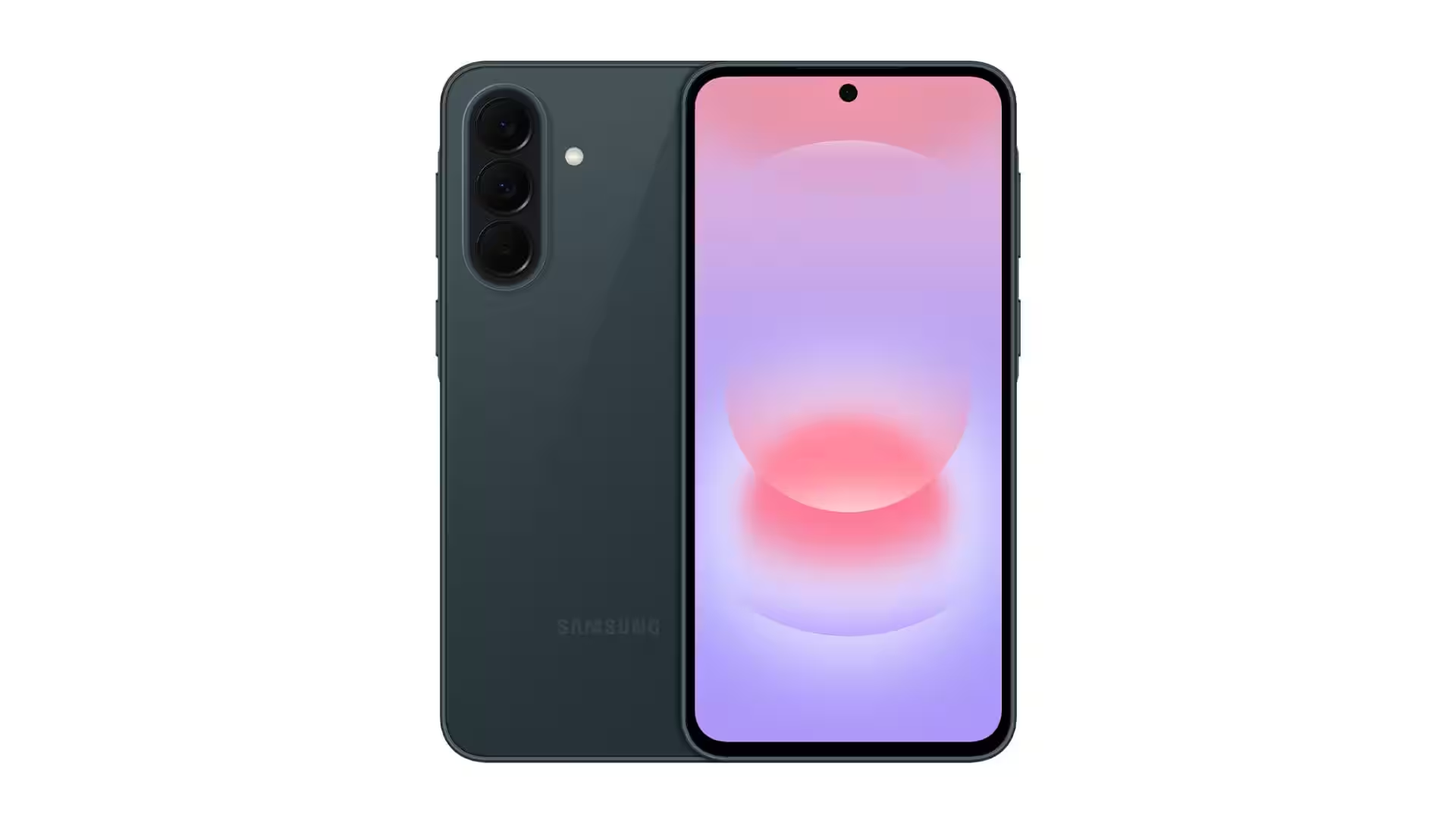
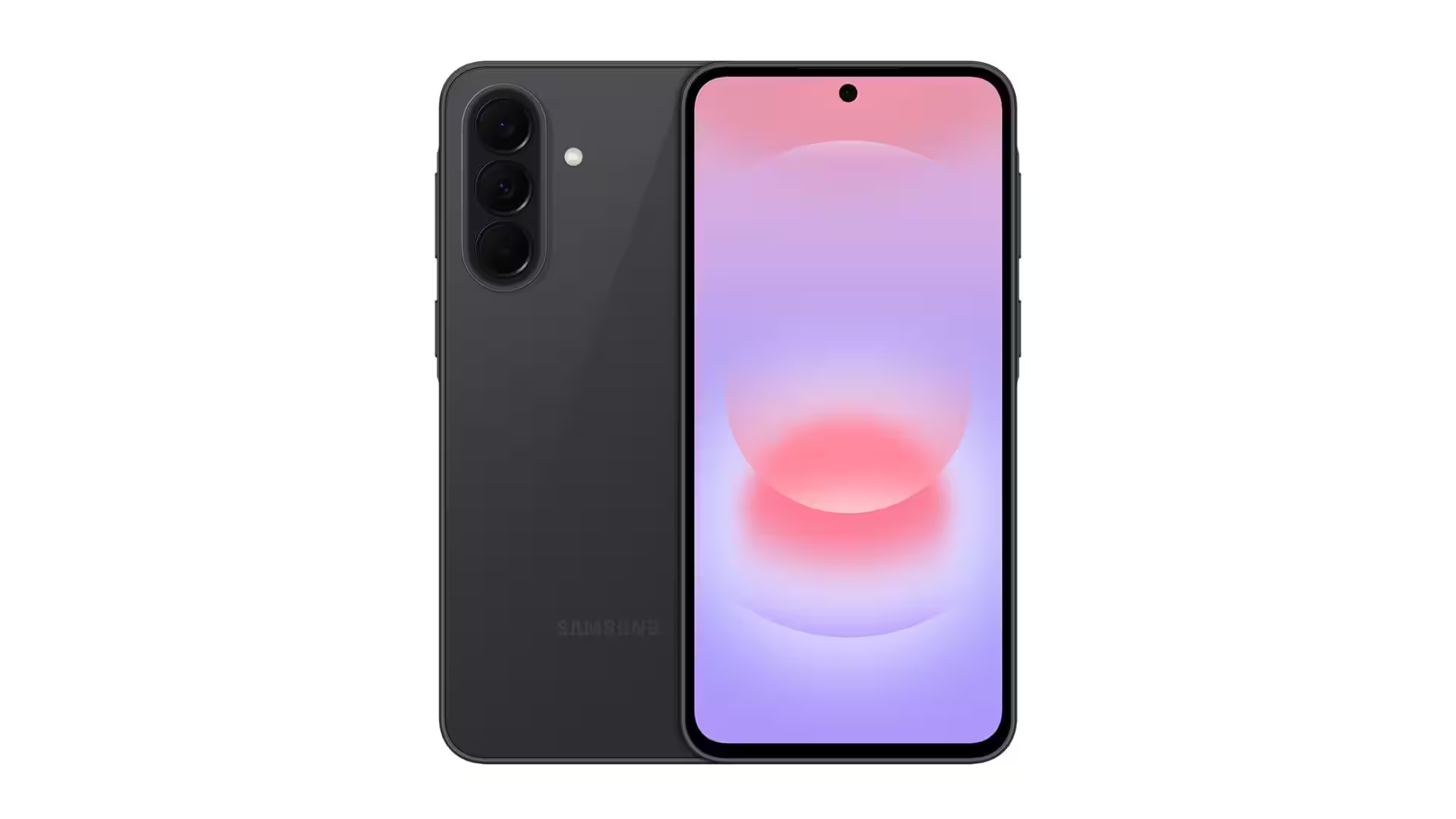
Under the hood, the Galaxy A37 features the Exynos 1480 chipset and offers RAM options of 6GB or 8GB, paired with internal storage choices of 128GB or 256GB. Its camera system includes a 50MP main sensor larger than its predecessor’s, an 8MP ultrawide camera, a 5MP macro lens, and a 12MP front camera, positioning it as a capable shooter for this category.
The Galaxy A57 steps it up with the Exynos 1680 processor, a similar 50MP main camera, but upgrades the ultrawide sensor to 12MP while retaining the 5MP macro and matching 12MP selfie camera as the A37. Key enhancements in the A57 include thinner screen bezels, an IP68 rating for water and dust resistance, stereo speakers, and an in-display fingerprint scanner, bringing features usually reserved for more expensive handsets.
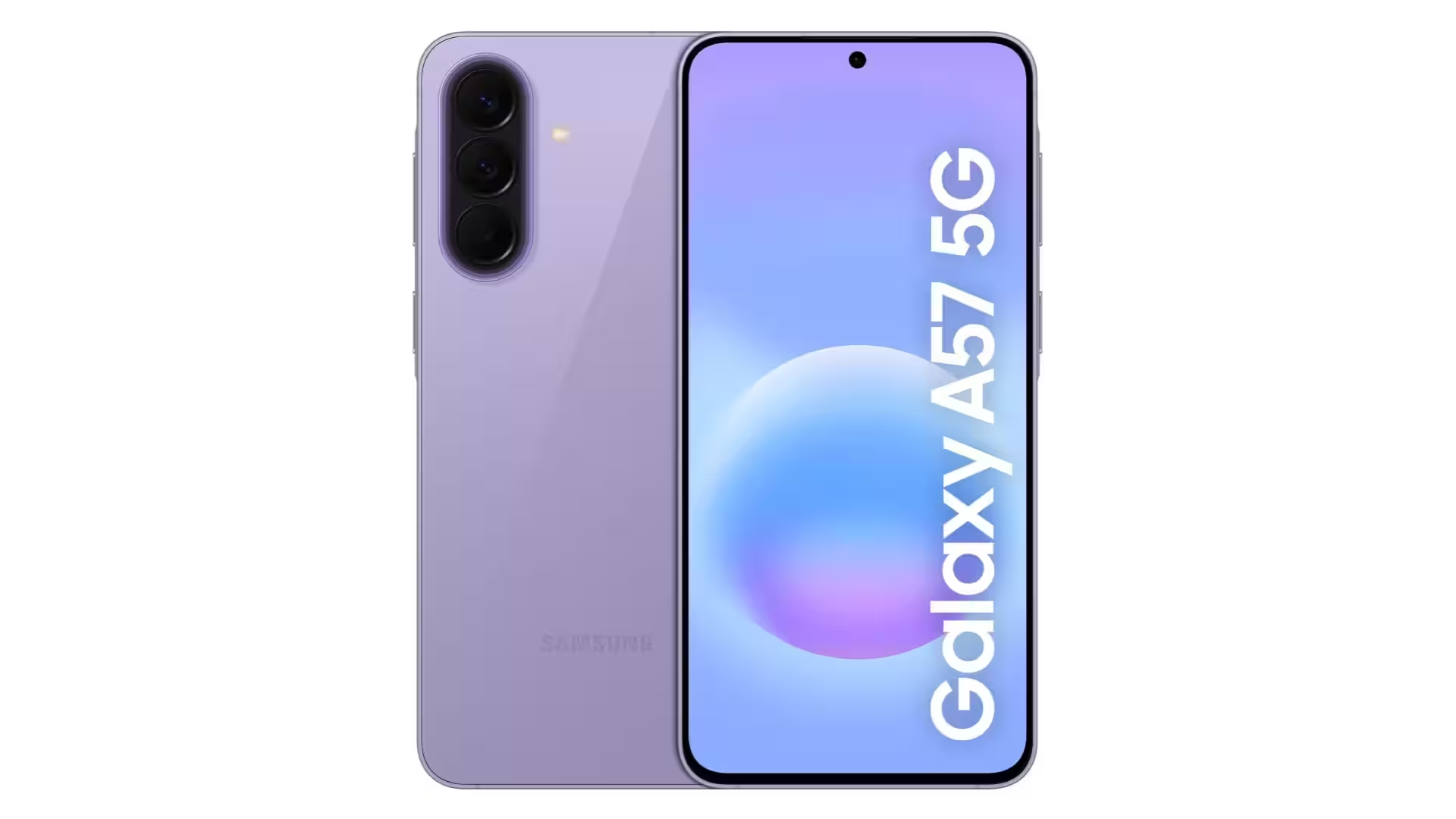
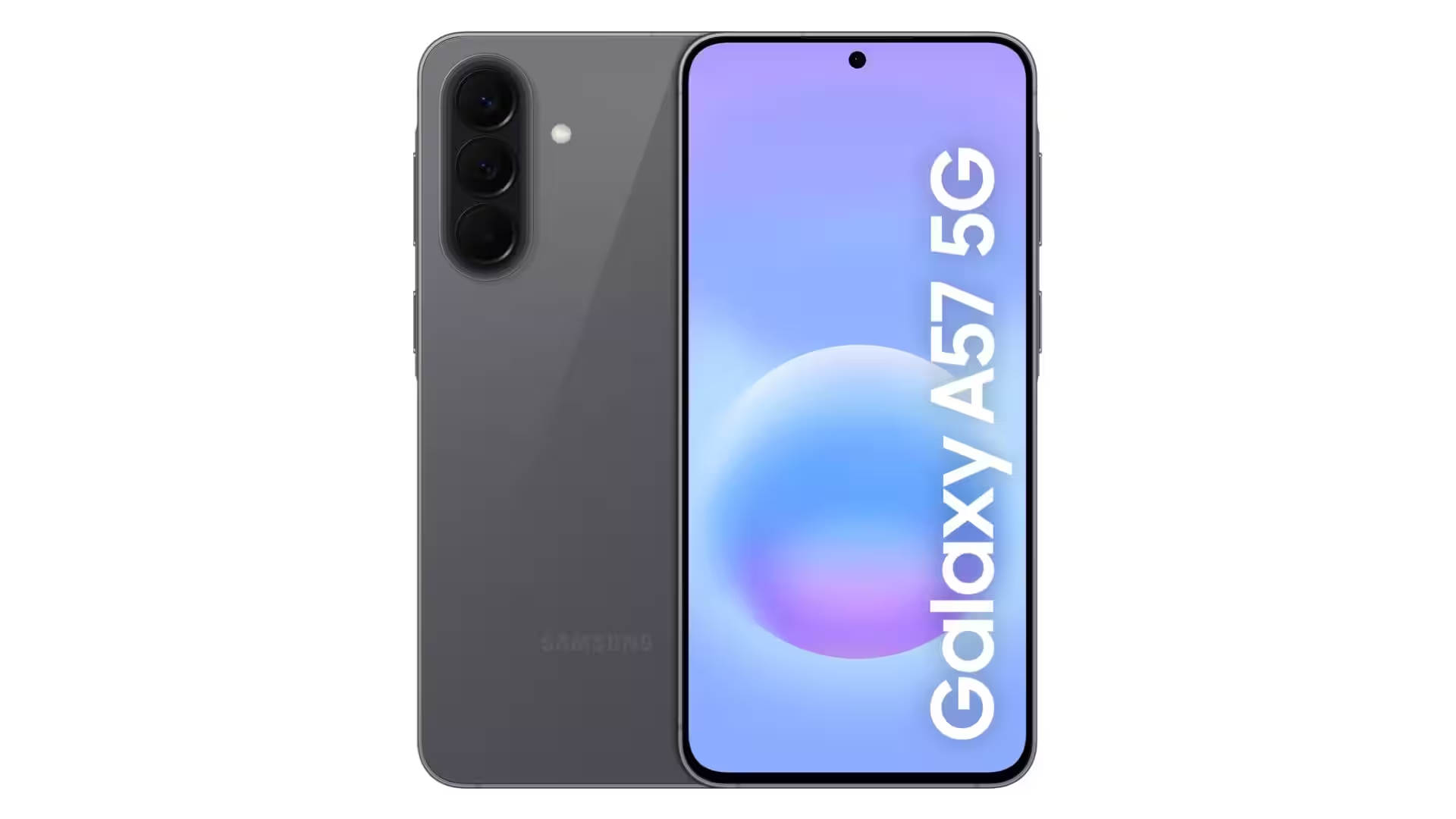
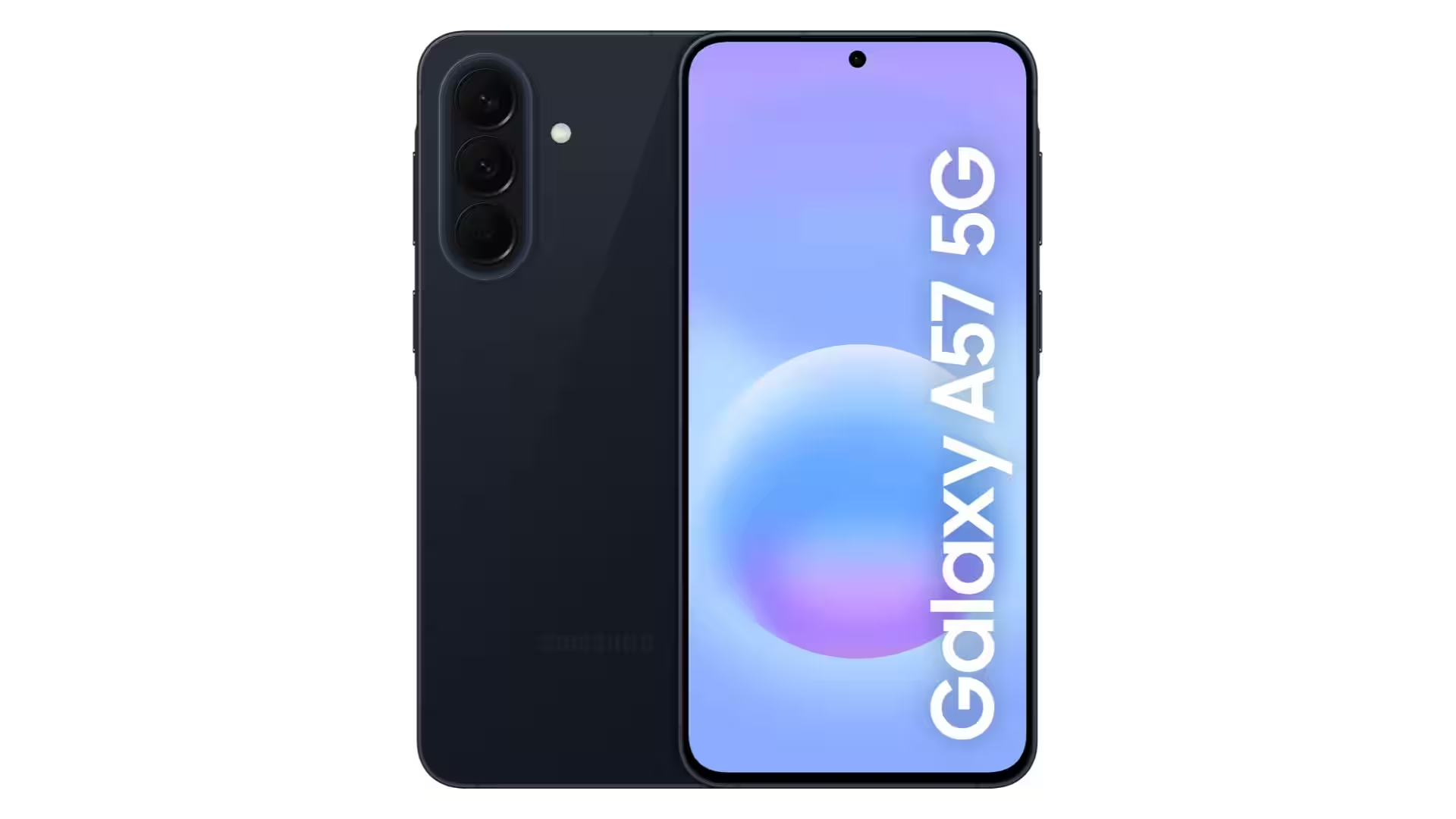
Both models come with 5,000mAh batteries supporting 45W wired fast charging and are expected to launch running Android 16 with Samsung’s One UI 8.5 skin. Samsung’s commitment to software updates is significant here, with the promise of six major Android OS upgrades providing longer device longevity compared to many competitors’ mid-range phones.
The Galaxy A37 and A57 reflect Samsung’s strategy to fill out its mid-tier lineup with devices that combine appealing design, solid specs, and some premium features like IP68 water resistance and an in-display fingerprint sensor. This move seems aimed at retaining customers upgrading from budget models without pushing consumers to flagship pricing tiers. How these phones perform in real-world usage and pricing will determine if they can stand out in an increasingly crowded mid-range segment dominated by brands like Xiaomi and Realme.