

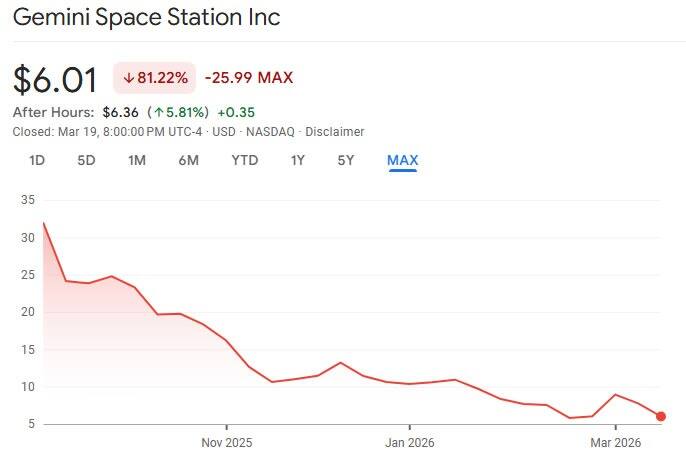
Gemini, the cryptocurrency exchange founded by the Winklevoss twins, faces a proposed class action lawsuit in New York accusing it of deceiving investors during and after its September initial public offering. Shareholders allege that the company misrepresented its strategy, initially presenting itself as a rapidly growing crypto exchange while later making an unexpected switch to focus on prediction markets, sending its stock into a steep decline.
Filed in Manhattan federal court, the lawsuit targets Gemini, its founders Tyler and Cameron Winklevoss, and top executives for statements in IPO documents that painted an overly optimistic picture. Those documents positioned the crypto exchange as focused on user growth and international expansion. Yet just months after going public, Gemini announced a strategic overhaul, branding the new direction as ”Gemini 2.0,” centered on prediction markets rather than its core crypto exchange business.
This shift coincided with notable setbacks: Gemini slashed a quarter of its workforce and withdrew from major markets including the European Union, the United Kingdom, and Australia. The company also saw the exit of its chief financial, operations, and legal officers shortly thereafter. Investors who bought shares around the $28 IPO price witnessed the stock briefly peak near $40 before crashing over 80% to around $6, with a low near $5.82 by late February.
The lawsuit argues these abrupt changes and prior portrayals led to ”artificially inflated prices” at IPO, causing substantial losses for shareholders once the pivot and downturn became apparent. As a remedy, plaintiffs seek a jury trial and damages for those harmed by Gemini’s revised corporate course.
Despite the turmoil, Gemini recently reported a 39% year-over-year revenue increase in Q4, totaling $60.3 million and surpassing analyst projections. However, the surge in operating expenses and executive turnover hints at deeper challenges behind the revenue growth. The case highlights the volatility and risk of investing in newly public crypto companies as they adjust strategies amid an uncertain regulatory and business environment.
Gemini’s aggressive pivot away from its exchange roots underscores the broader crypto sector’s attempts to find new revenue paths beyond traditional trading, especially in light of tougher regulatory scrutiny across multiple continents. Whether the courts will find Gemini culpable for allegedly misleading investors remains to be determined, but the litigation adds to the cautionary tale of post-IPO volatility in the crypto exchange sector.