

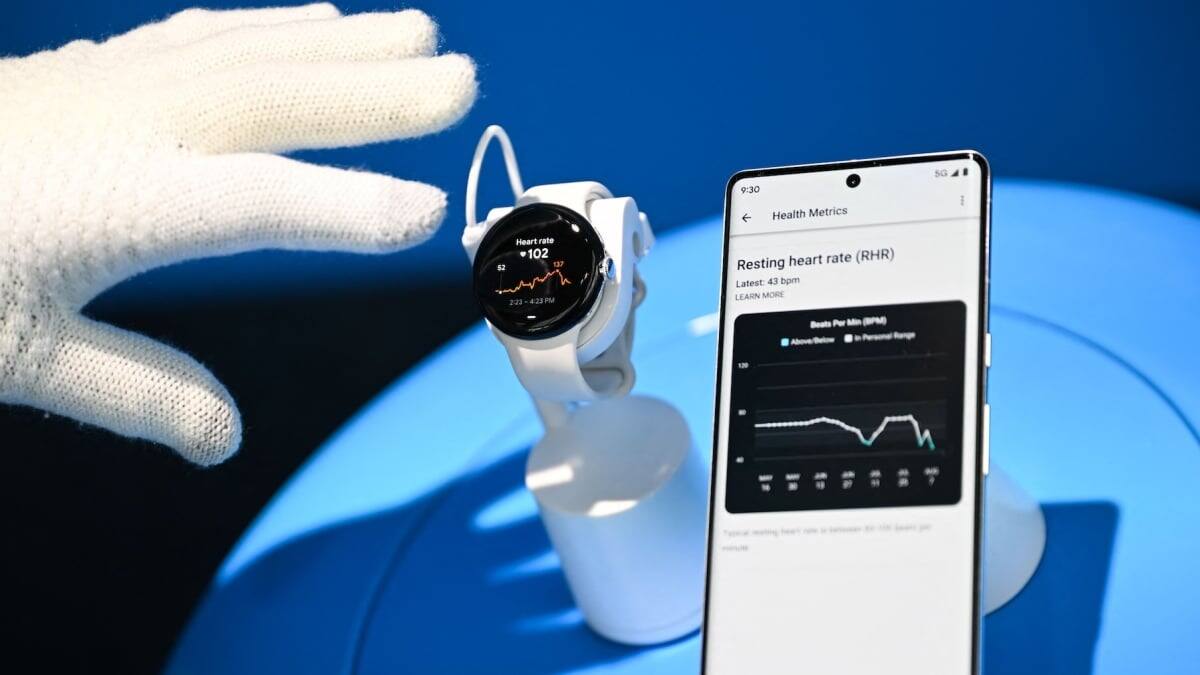
Fitbit has come a long way since its early days as a standalone fitness tracker, now firmly integrated with Google’s ecosystem. Since Google acquired Fitbit in 2019 for $2.1 billion, the once-popular fitness brand has undergone several transformations. The founders left in 2024, shortly before Google discontinued Fitbit-branded smartwatches, pivoting users toward Pixel watches while retaining the Fitbit Charge 6 for traditional tracking. The real shift is happening inside the Fitbit app, which now incorporates Google’s AI technology, Gemini, rebranded as Coach. This AI-driven feature offers more tailored health guidance, extending into medical record integration for personalized coaching.
Starting as a trial on Android and recently expanding to iOS, Coach leverages AI to provide personalized fitness and wellness advice. However, it introduces a significant change in user experience: Fitbit accounts are being phased out in favor of mandatory Google accounts, a transition delayed until May 19, 2026, to ease the migration for long-time Fitbit users. Alongside this change, Google is encouraging users to trust its AI with sensitive health information-specifically, access to medical records-claiming that this data will make coaching safer and more relevant.
How Fitbit integrates medical data with AI coaching
Google emphasizes that users retain control over their health data and assures that medical records will not be used for advertising. However, the medical data integration involves third-party platforms like b.well Connected Health, which aggregates health records from multiple providers, and Clear, known for airport security ID verification. Users securely retrieve medical information by uploading valid identification and a selfie. This multi-layered approach highlights Google’s reliance on specialized health data companies to deliver what Fitbit calls ”safer, more personalized guidance.”
Incorporating sensitive medical information into Fitbit’s AI coaching marks a notable escalation beyond standard fitness tracking. While many users appreciate proactive health insights, this raises questions about privacy, data security, and how far consumers are willing to let tech companies access their personal health histories. Google’s promise to exclude this data from ads may reassure some, but privacy advocates may remain skeptical, especially given Google’s extensive ecosystem control.
Fitbit’s evolution in the competitive wearable space
Fitbit’s transformation from an independent fitness tracker maker to a Google-powered health platform reflects industry trends pushing wearables toward comprehensive health management. Competitors like Apple Watch have long incorporated heart rate and ECG monitoring but have stopped short of tightly coupling AI coaching with on-demand medical record access. Google’s integration represents a bold, if risky, step toward merging consumer wearables with deeper healthcare insights.
This shift also responds to growing consumer demand for actionable health advice beyond basic activity tracking. For $8 a month, Fitbit Premium users gain access to AI coaching that can potentially predict health risks and guide lifestyle changes using their full medical history. However, widespread adoption depends on how comfortable users feel sharing sensitive data with Google and its partners, especially as traditional Fitbit accounts are phased out in favor of the broader Google ID ecosystem.