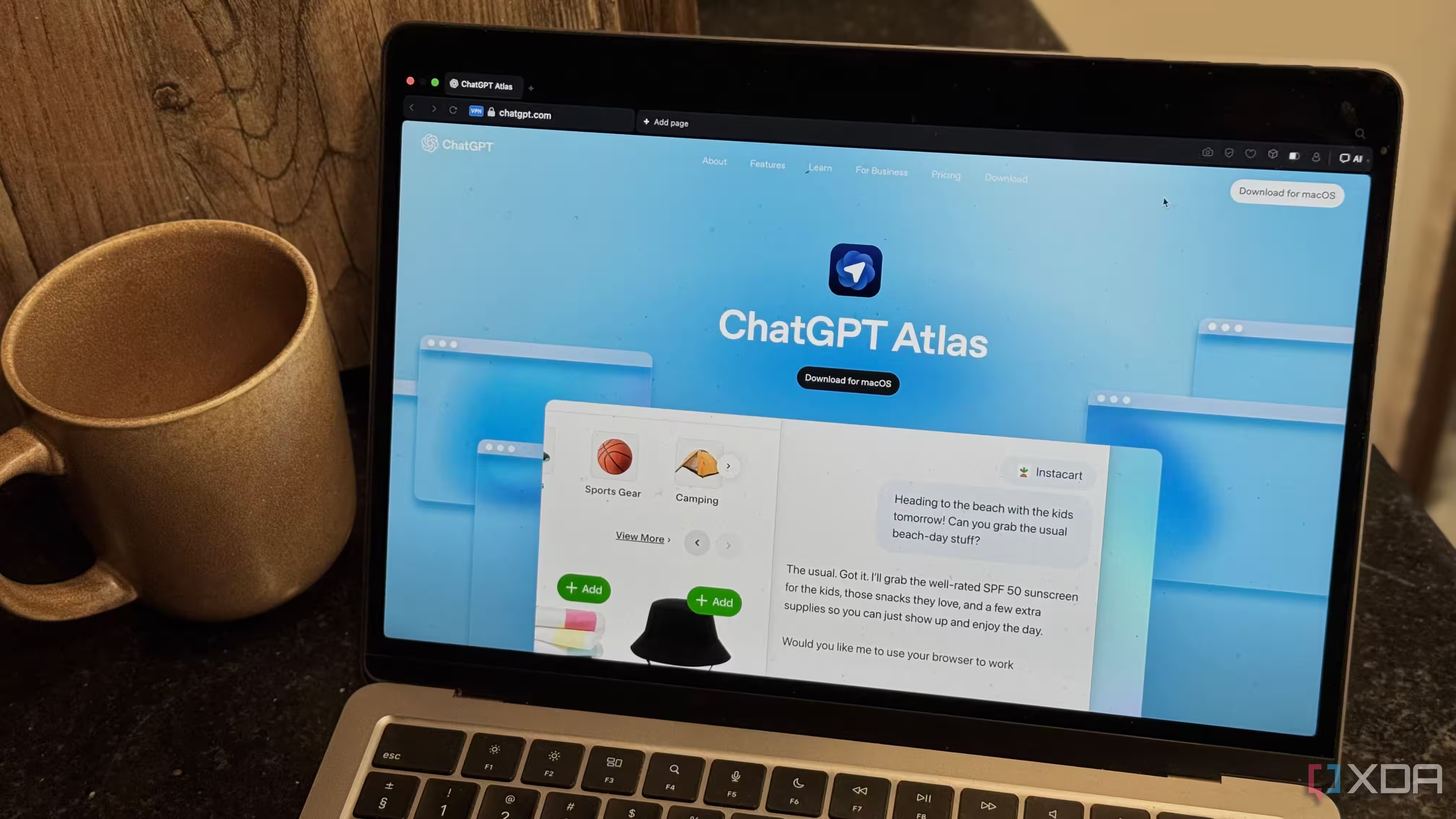
OpenAI is preparing a major overhaul of its AI offerings by merging ChatGPT, Codex, and its Atlas browser into one unified superapp. This move aims to tackle the fragmentation across its platforms, making it easier for users to access and leverage OpenAI’s diverse AI tools without bouncing between separate apps. With the AI market becoming more competitive, this consolidation also signals a shift toward streamlined development and improved user experience.
Over the past year, OpenAI’s spread across multiple applications-ranging from code generation with Codex to web browsing with Atlas-has led to scattered user engagement. The company’s executives acknowledge that maintaining numerous separate apps slowed progress and diluted quality. According to an internal message from Chief of Applications Fidji Simo, the effort to unify these offerings under a single roof is driven by the desire to ”simplify our efforts” and raise the quality bar across their AI ecosystem.
How the OpenAI superapp unites ChatGPT, Codex, and Atlas
The superapp will serve as a centralized hub where users can seamlessly switch between the ChatGPT language model, Codex’s coding assistance, and the Atlas browser. Beyond just bundling these tools together, the platform will enable ”agentic” features-allowing the AI to autonomously call on specific capabilities as needed to complete complex tasks. This could include running desktop-related actions, effectively giving the AI a more integrated role in managing workflows.
This approach contrasts with OpenAI’s previous strategy, which leaned heavily on separate, narrowly focused products. By reducing the overhead of juggling multiple tech stacks, the company expects to focus resources more efficiently and respond faster to user needs and competitive pressures. The decision comes as rivals like Google and Anthropic ramp up their AI offerings, meaning OpenAI must keep its user base engaged with a more cohesive experience.
Benefits of the superapp for OpenAI users and developers
For users, the superapp promises a more streamlined experience-no more switching between apps for coding help, conversation, or browsing. Developers, meanwhile, could benefit from a unified platform environment that encourages integration and innovation across AI functionalities. The agentic tools hint at future possibilities where OpenAI’s AI can handle multitasking jobs autonomously, potentially increasing productivity on desktop environments.
While it’s not yet clear when the superapp will launch, its existence signals OpenAI’s intention to tighten its ecosystem in a rapidly evolving AI market. Integration might also set a new standard for how AI vendors package multifaceted services, moving away from siloed applications to more comprehensive AI assistants.