

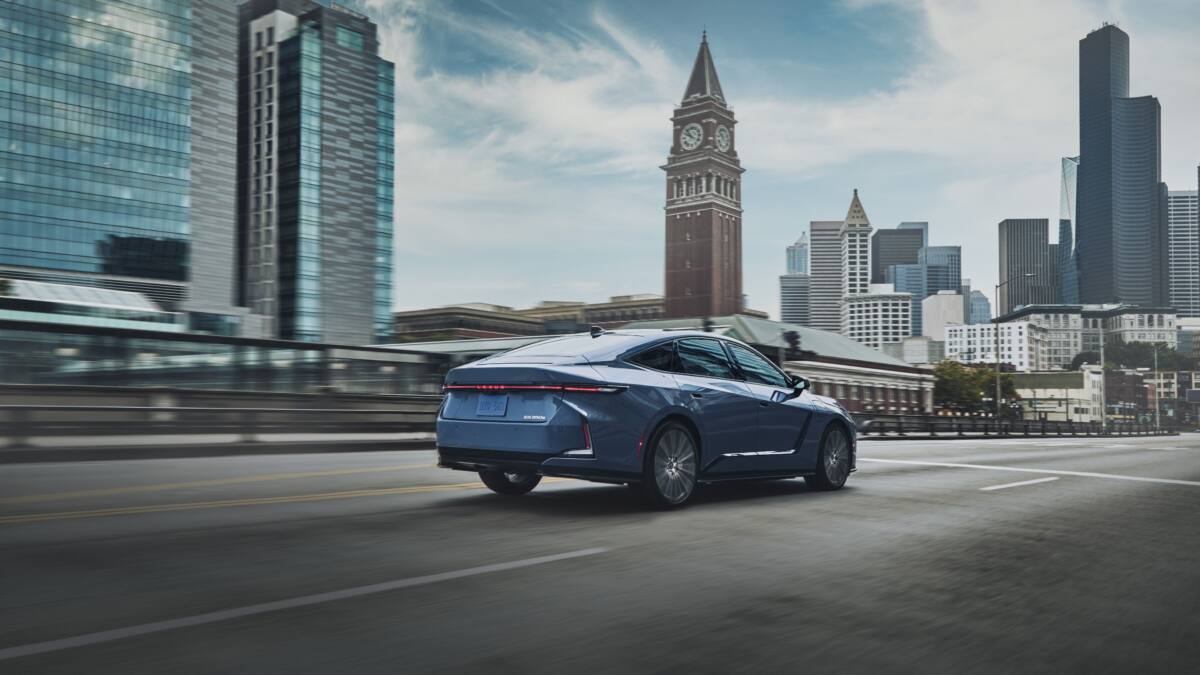
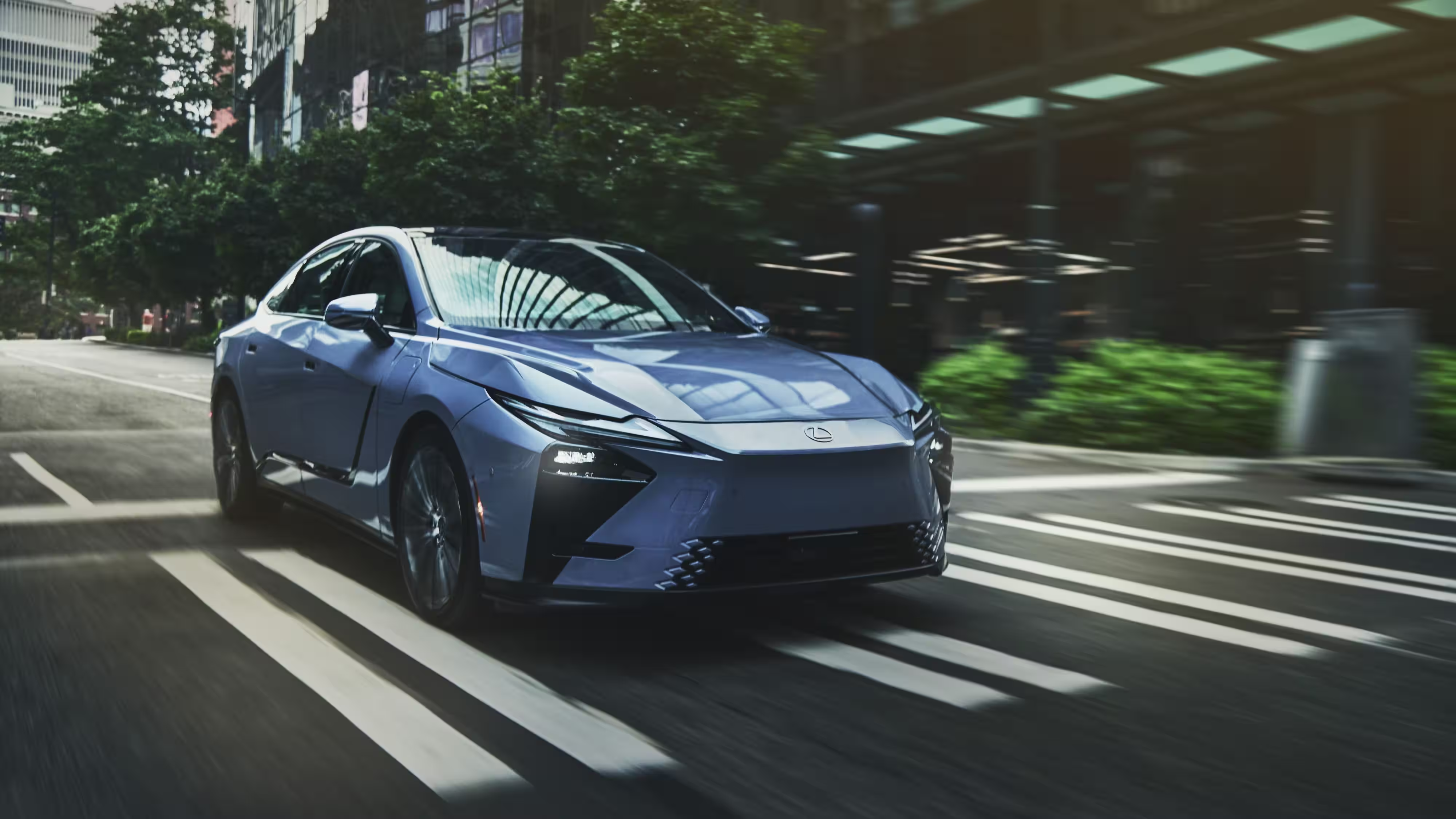
The 2026 Lexus ES marks a bold evolution for the brand’s flagship sedan, transitioning into the electric era without abandoning its renowned blend of comfort, style, and performance. Now riding on an all-new multi-powertrain platform that supports electric, hybrid, and combustion engines, the eighth-generation ES introduces significant upgrades, including Lexus’s DIRECT4 all-wheel-drive system, advanced interior tech, and a larger cabin designed for executive comfort.
Under the hood, Lexus offers two fully electric ES variants alongside its established hybrids. The ES 350e features a front-wheel-drive setup powered by a single 221-horsepower motor and a 74.7-kWh lithium-ion battery, delivering up to 307 miles of EPA-estimated range with 19-inch wheels. For those wanting sharper acceleration and all-wheel drive, the ES 500e adds a rear 118-horsepower motor, pushing total output to 338 horsepower and achieving 0 to 60 mph in just 5.1 seconds, aided by the DIRECT4 system borrowed from the Lexus RZ. This system dynamically shifts torque between front and rear wheels to optimize traction and responsiveness.
Lexus TNGA-K platform for electric and hybrid powertrains
Lexus’ revised TNGA-K architecture underpins the 2026 ES, engineered to accommodate electric, hybrid, and traditional gas engines within the same chassis. Key enhancements focus on structural rigidity, especially to handle the heavier battery pack and immediate torque from electric motors. The body frame has been stiffened at the front, floor, and rear sections to reduce vibrations and sharpen handling-continued proof of Lexus’ dedication to torsional rigidity, a hallmark since the LC 500.
One notable mechanical change is the adoption of a multi-link rear suspension, a first in ES history, designed to improve posture control and provide more agile cornering dynamics. This plays into Lexus’s refined driving experience as it shifts towards electrification.
Increased interior space and luxury features in Lexus ES 2026
The latest ES grows considerably in size, boasting a 3.1-inch longer wheelbase, along with 6.5 and 2.2 inches added to overall length and width, respectively. Lexus has taken advantage of this to enhance passenger comfort, extending rear legroom by 1.4 inches and front hip room by nearly 2 inches-subtle but meaningful touches that elevate the sedan’s executive presence. The cabin height is also increased by up to 4.5 inches, making ingress and egress more effortless thanks to raised hip points.
Digitally, the ES introduces electronic door latch releases as standard equipment, with luxury trims adding soft-close doors that silently secure themselves-a small but luxe detail previously unseen in this lineup.
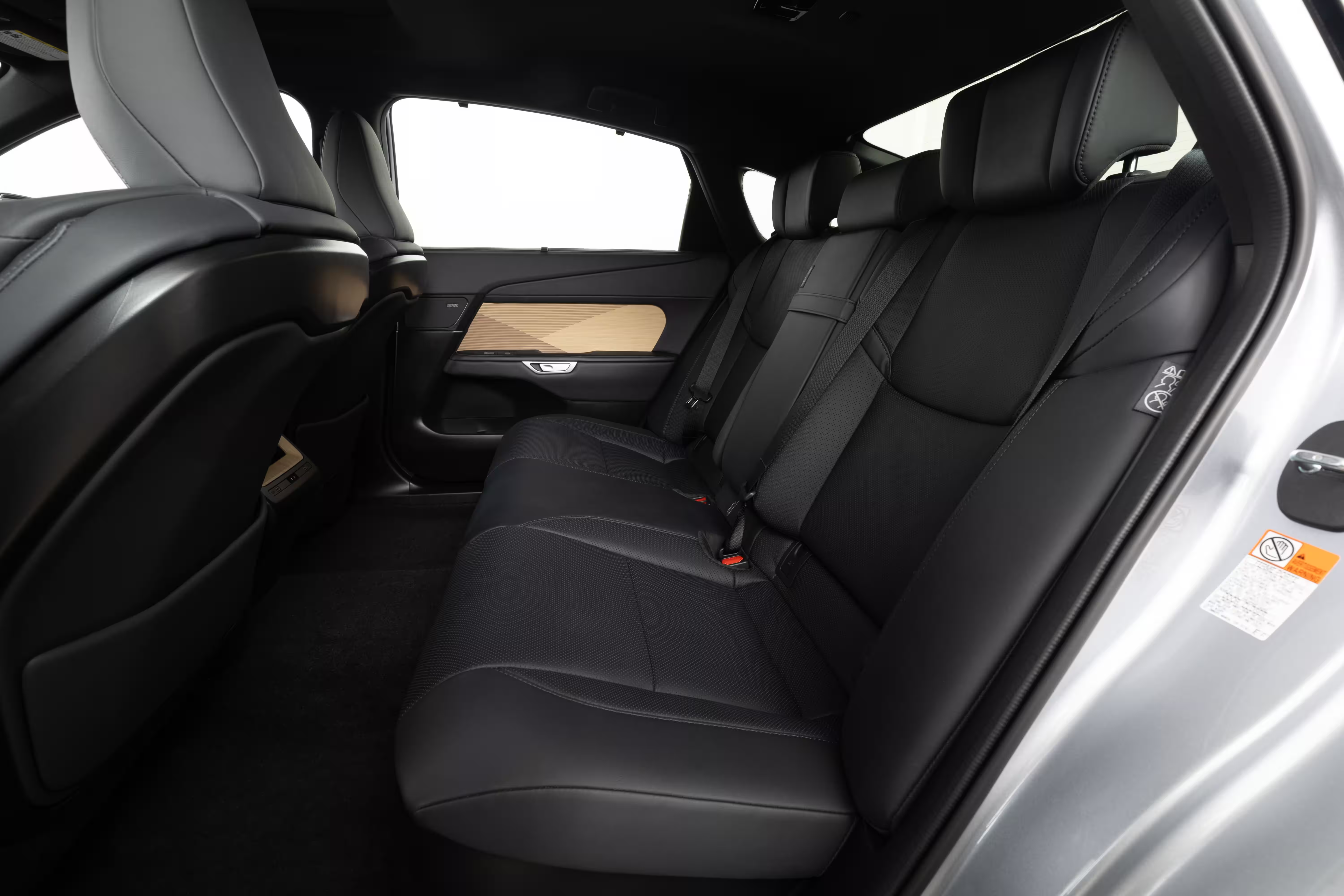
Executive Package rear-seat comfort enhancements
Lexus knows many customers value rear passenger comfort, which is why the Executive Package for the ES 350e Luxury transforms the back seat into a private retreat. Unlike symmetrical seating found in most cars, the command seat offers a two-way power adjustment, while the passenger ”throne” behind the driver reclines further with a deployable ottoman. Multi-zone climate controls are built into the center armrest for individual temperature management, complemented by five total USB-C ports and ergonomically sculpted headrests suited for long trips.
Next-generation digital cockpit and sustainable cabin materials
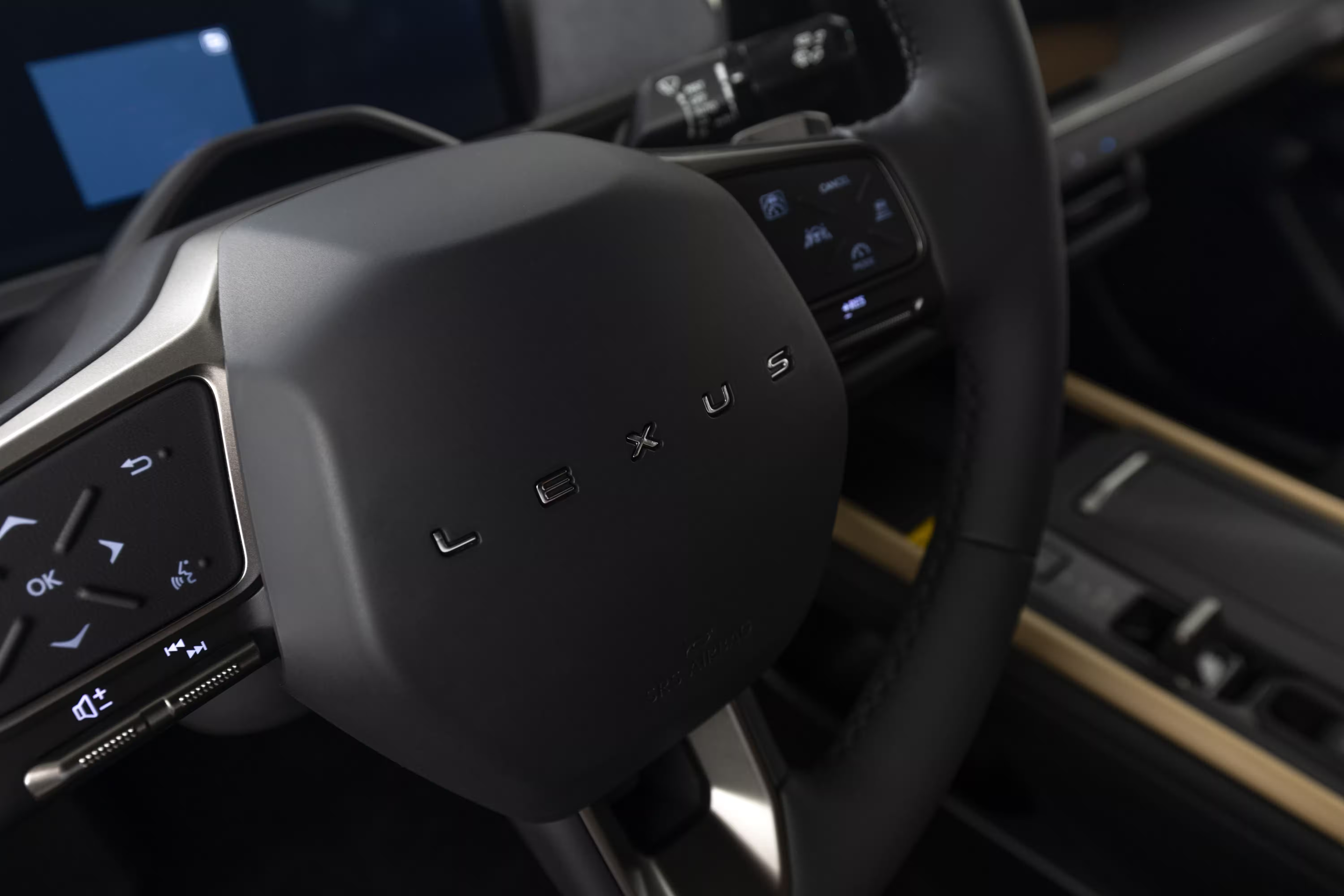
The interior design embraces a ”Clean Tech x Elegance” philosophy, highlighted by Lexus’ Tazuna cockpit explaining the ”reins of a horse” concept: the driver’s controls are centralized and intuitive. A 14-inch infotainment touchscreen pairs with a 12.3-inch digital instrument cluster, while controls for climate and safety blend into a subtle panel only visible when illuminated.
Lexus also explores sustainability through Bamboo Layering accents in luxury trims, using advanced 3D printing techniques that create a dynamic layered appearance on door panels. Ambient LED lighting enhances these natural textures, adding a sophisticated, eco-conscious flair to the cabin.
Charging features and intelligent battery management for Lexus ES BEV
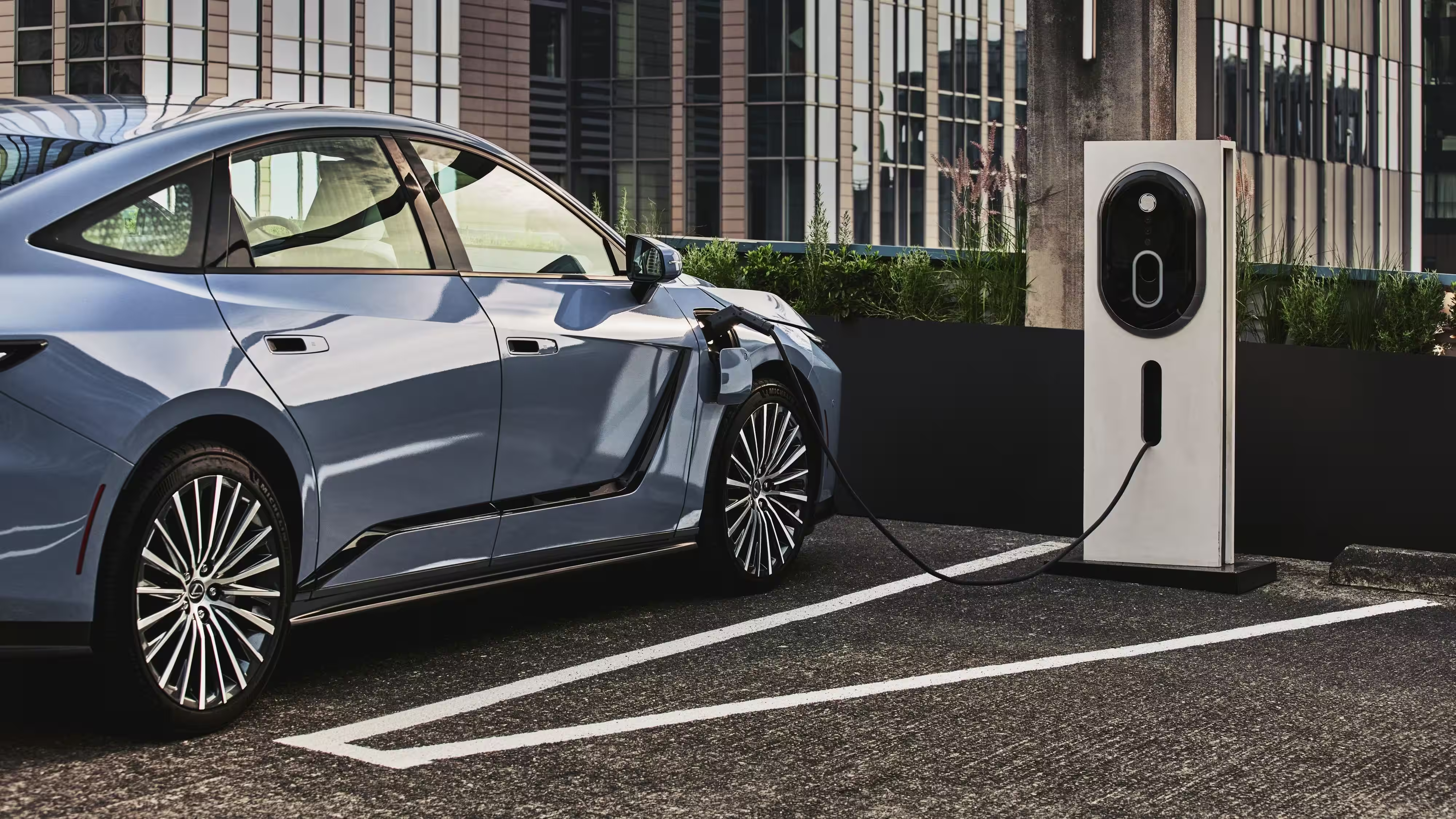
Lexus equips the ES BEV with a North American Charging System (NACS) port, making Tesla’s widespread Supercharger network accessible without hassle. DC fast charging can replenish the battery from 10% to 80% in about 28 minutes at up to 150 kW, while the onboard 11-kW charger supports overnight Level 2 charging at home.
Each electric ES comes with a dual-voltage AC charging cable compatible with both 120V and 240V outlets, enhancing charging flexibility. Lexus further adds a CCS-to-NACS adapter to tap over 76,000 public charging stations nationwide. Battery preconditioning automatically warms or cools the battery for optimal charge rates based on navigation destinations, requiring a Drive Connect subscription. The Plug & Charge feature with a Remote Connect subscription allows drivers to charge and pay seamlessly, simply by plugging in.
Electric powertrain options and performance specs
Lexus offers the following electric variants for the 2026 ES:
- ES 350e: Front-wheel drive with a 221-horsepower motor, 74.7-kWh battery, up to 307 miles EPA range, 19-inch wheels.
- ES 500e: All-wheel drive with DIRECT4 system, adding a rear 118-horsepower motor for a combined 338 horsepower, 0-60 mph in 5.1 seconds.
These models join established hybrid variants, offering buyers flexible choices between combustion, hybrid, and full electric powertrains within the same luxury sedan platform.
By embracing electrification while maintaining its core luxury values, the 2026 Lexus ES balances relevance across a range of buyers-from traditional hybrid loyalists to BEV enthusiasts. Its blend of size, comfort, adaptable powertrains, and tech-forward features sets a new benchmark for mid-size luxury sedans aiming to stay competitive in an increasingly EV-centric market.