

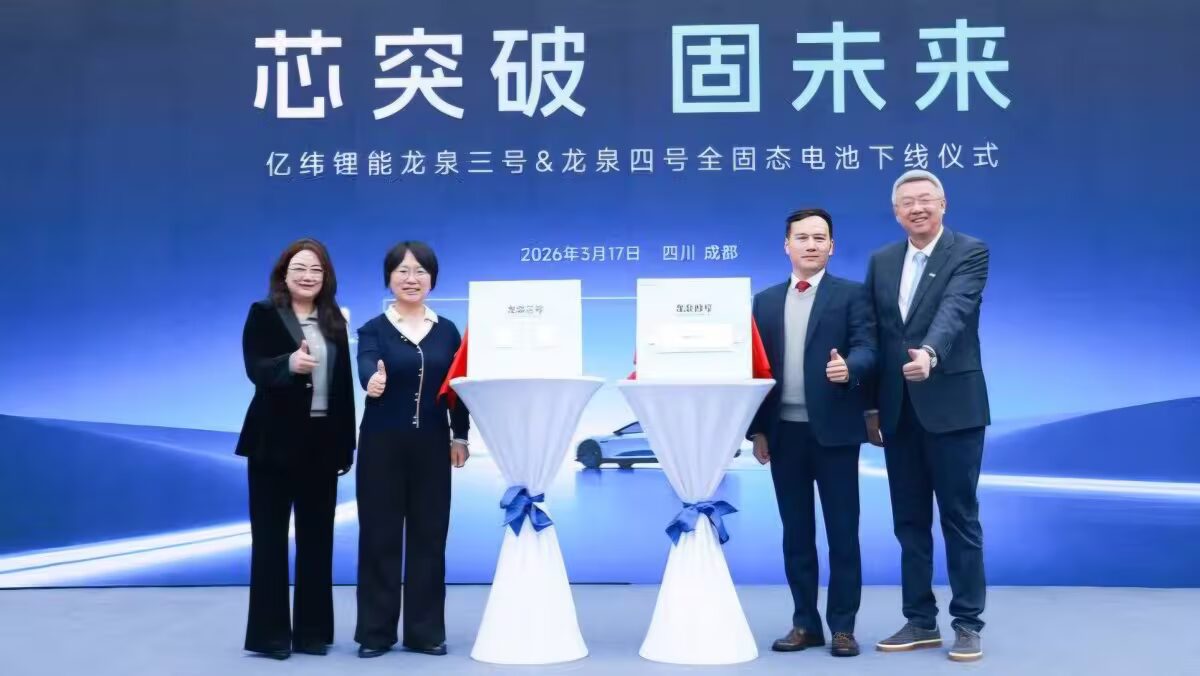
2026 is shaping up as a pivotal year for electric vehicles, and Eve Energy just raised the stakes. The battery supplier for Tesla and BMW has officially kicked off mass production of solid-state batteries, marking a major shift away from conventional liquid electrolyte technology. Their new Longquan No. 3 and No. 4 models promise safer, lighter, and higher-capacity cells that could redefine energy storage in everything from smartphones to electric cars.
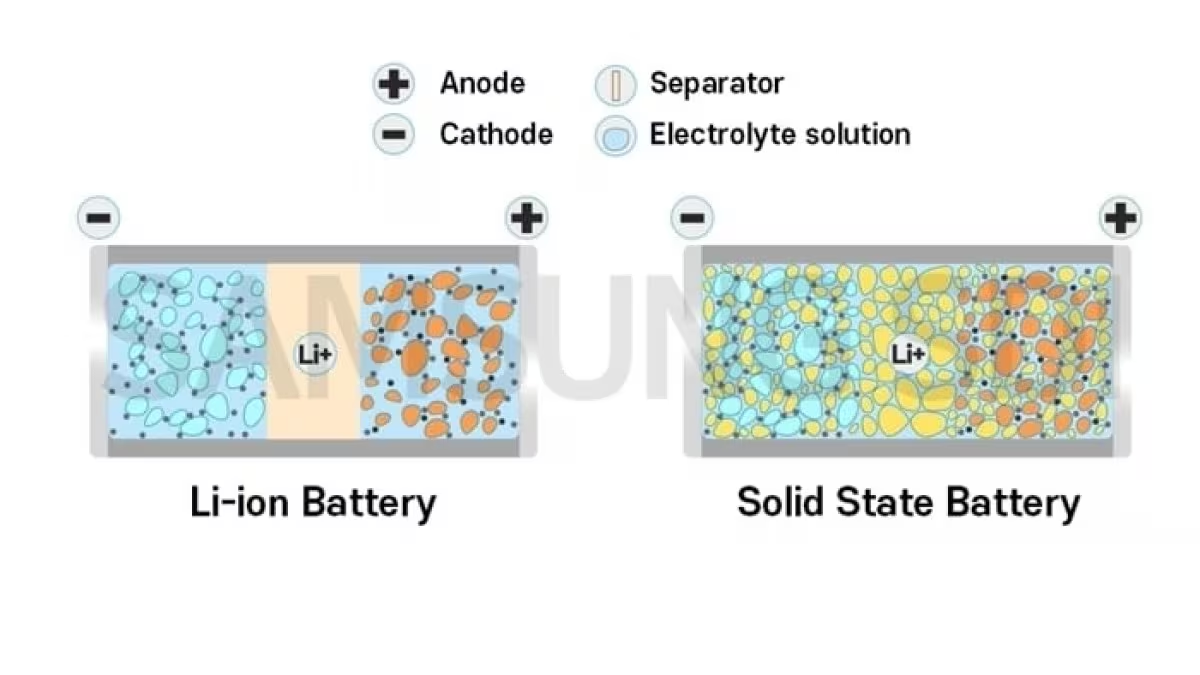
Solid-state batteries replace the wet electrolytes found in traditional lithium-ion cells with a solid substitute. This fundamental change improves safety by reducing flammability, cuts weight, and allows for higher energy density. Eve Energy’s production line is already operational in their Chengdu facility, signaling that solid-state tech is moving out of lab experiments and into real-world manufacturing.
Solid-state batteries for consumer electronics and electric vehicles
Eve Energy is tackling two fronts simultaneously with its solid-state lineup. The Longquan No. 3 battery targets consumer electronics like smartphones, tablets, and laptops. It operates at a low pressure of less than 2 MPa, a technical breakthrough that makes it easier to integrate into slim, compact devices without bulky protective casings.
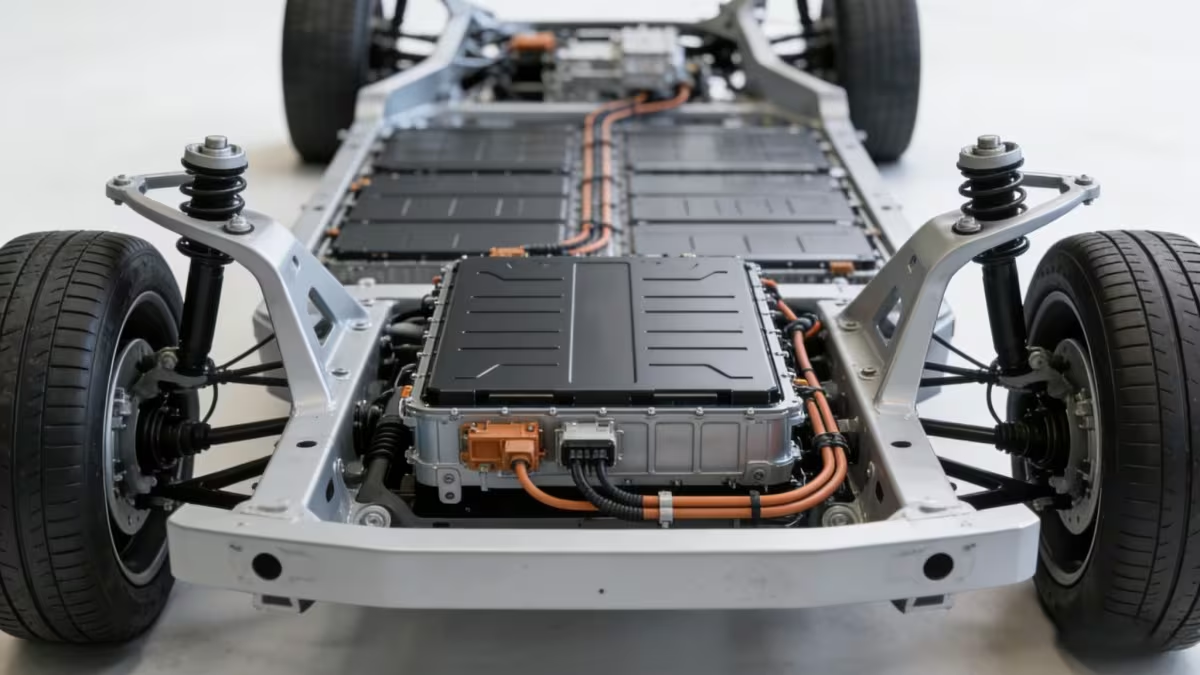
The Longquan No. 4 is the headline product for electric vehicles. Designed for automotive use, it offers a capacity of 60 Ah-equivalent to roughly 54 kWh at 900 V-and functions at a pressure around 5 MPa or below. Lower pressure requirements simplify the integration of these batteries into vehicle chassis, making them more practical and appealing to automakers.
Eve Energy’s strong ties with the automotive sector set the stage for quick adoption. Partners include luxury heavyweight Mercedes-Benz and BMW, alongside collaborative ventures with commercial vehicle manufacturers Cummins and Paccar. This means the new solid-state batteries could soon power not just passenger cars but also trucks and industrial vehicles.
Rapid development in solid-state battery technology
Only months ago, Eve Energy showcased its Longquan No. 2 prototype aimed at drones and robotics, underscoring the company’s rapid scaling from niche applications to full-fledged automotive batteries. This quick jump highlights the intense competition driving battery innovation.
Eve Energy isn’t alone in this race. Volkswagen, for instance, collaborates with Gotion and has already rolled out a large solid-state battery production line. Meanwhile, Mercedes-Benz partners with Farasis Energy, which recently revealed a battery boasting an energy density of 400 Wh/kg. This intensifying rivalry should accelerate technological advances and eventually bring prices down for consumers worldwide.
Unknowns and future considerations for solid-state batteries
Despite the milestone, several key details remain under wraps. Eve Energy has not disclosed the exact cost, weight, or the expected driving range for vehicles equipped with their solid-state batteries. The company’s current priority is fine-tuning mass production before scaling up integration in commercial electric vehicles.
The shift from experimental solid-state cells to industrial-scale manufacturing marks a turning point for the EV battery industry. What was long considered next-gen technology finally enters real-world use in 2026, potentially shaking up supply chains and accelerating the worldwide transition to electric transportation.
Watch for how quickly automakers integrate these batteries and whether production challenges can be overcome to meet demand. If Eve Energy-and rivals like Gotion and Farasis-can deliver on their promises, solid-state batteries may soon set new standards for performance, safety, and affordability across the electric vehicle landscape.