

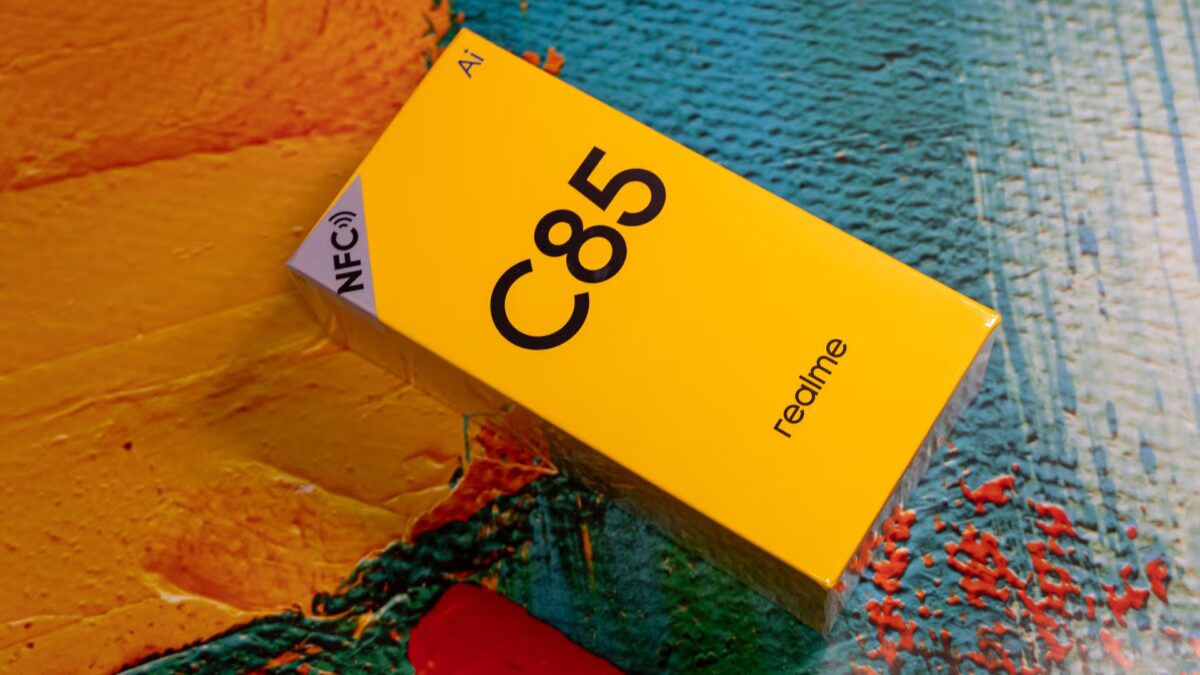
At around 17,000 rubles (~$220), the Realme C85 challenges the usual budget smartphone compromises by delivering a massive 7000mAh battery, a 6.8-inch 144Hz display, water and dust resistance rated at IP69, and 45W fast charging-all powered by a Qualcomm Snapdragon 685 chip. While it lacks 5G, that’s irrelevant in Russia for now, making the C85 an intriguing option for those prioritizing battery life and durability without breaking the bank. Released in February 2026, we put the Realme C85 to the test to see if it lives up to the hype.
Who the Realme C85 is for
Realme’s C series has long pitched itself as the go-to for balanced endurance – not flashy cameras, not gaming beasts, and not ultra-slim designs. The previous model, the C75, gained fans thanks to its big battery and water resistance. The C85 takes that formula further with a larger 7000mAh battery (up from 6000mAh), brighter display, and a Snapdragon 685 chipset. In Russia, it’s available in two trims:
- 6GB RAM/128GB storage for 15,999 rubles
- 8GB RAM/256GB storage for 18,999 rubles
Cheaper deals exist through discounts and global versions starting around 11,500 rubles. Meanwhile, the C85 Pro sits nearby with an AMOLED Full HD+ screen, costing roughly 2,000 rubles more.
The C85 clearly targets students, delivery workers, outdoor enthusiasts, and anyone needing a rugged smartphone that won’t die halfway through the day or cripple after a desk drop. It’s not for photography buffs or hardcore gamers-Realme doesn’t pretend this is flagship territory, though many everyday users won’t notice the compromises.
Design and build quality of the Realme C85
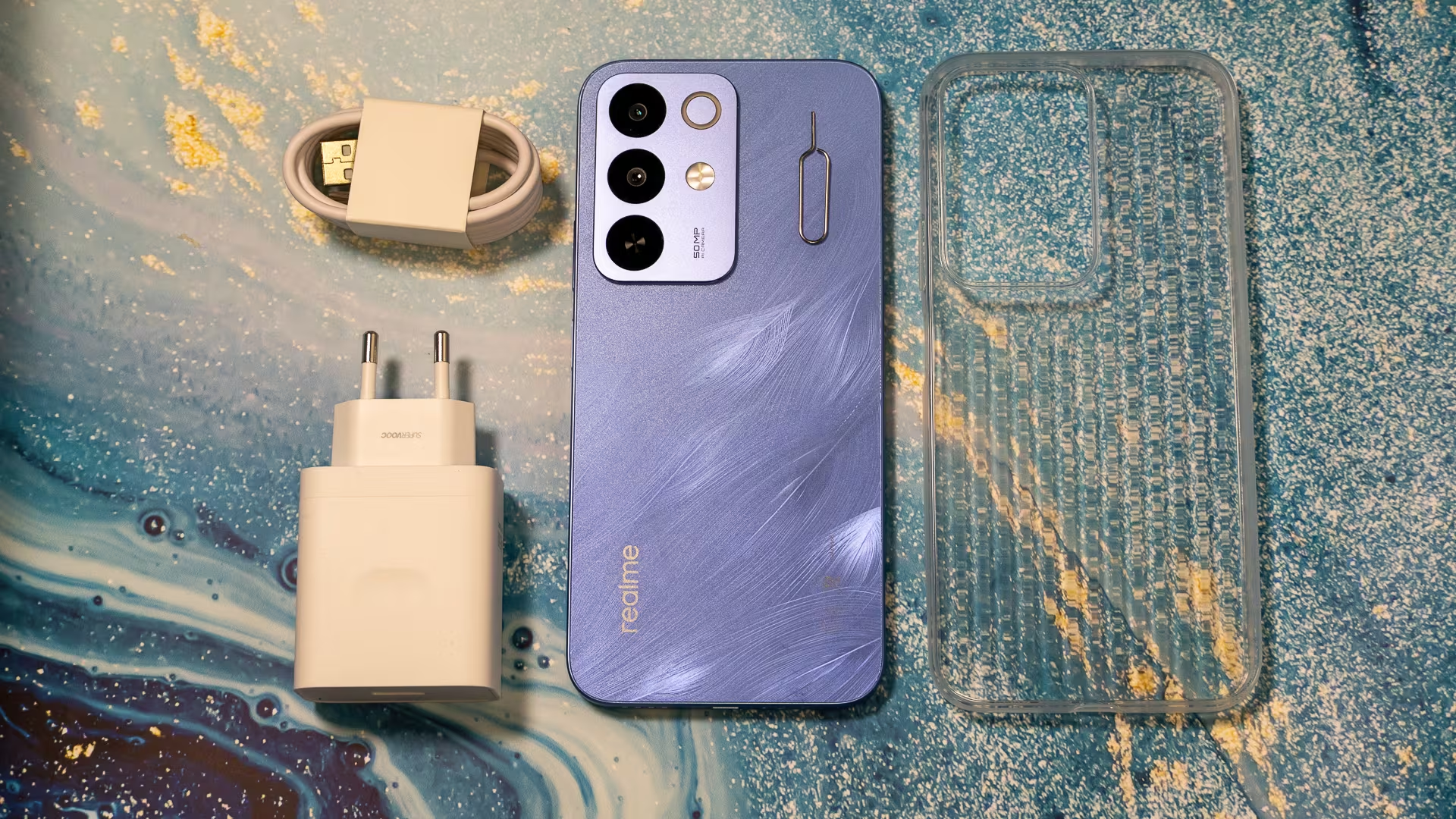
The C85 arrives in Realme’s signature sharp yellow box and includes a textured silicone case that feels a bit at odds with the phone’s smooth curves. Also inside are the usual paperwork, a SIM tray ejector pin (twist-formed wire, which bends annoyingly-Realme might want to rethink this), a 45W SuperVOOC USB-A charger, and a USB Type-C cable. Given the phone’s price, the inclusion of a fast 45W charger is a bit of a bargain.
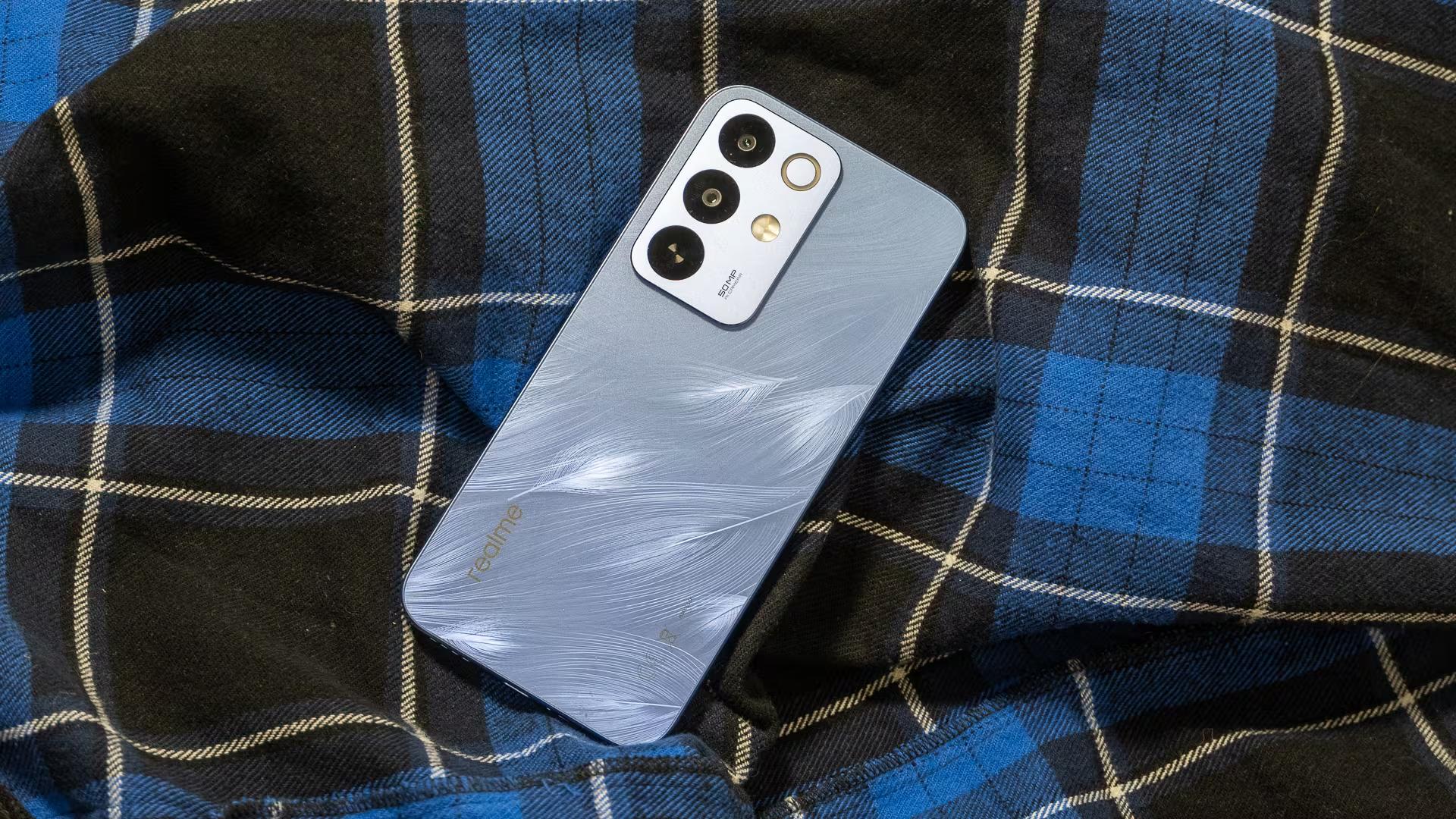
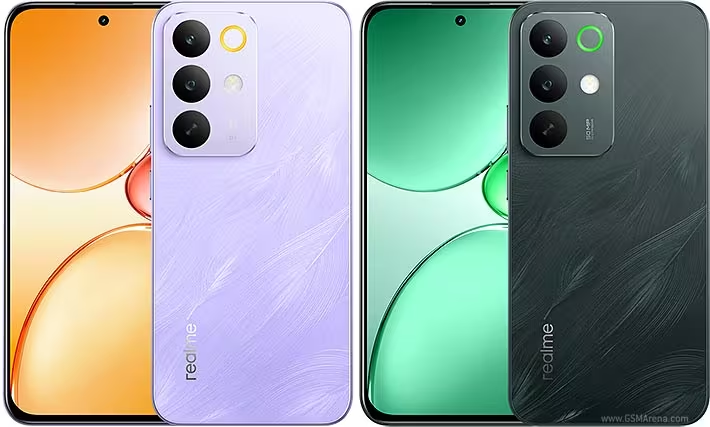
The phone sports a plastic chassis measuring 166.18 x 78.03 x 8.38 mm and weighing a hefty 212 grams, which actually helps it feel solid in hand rather than cheap or flimsy. The rear panel features a feather-like textured finish that disguises the phone’s large battery inside, which is impressive since most phones with this capacity add thickness. The camera bump is minimal and tidy, sticking to current design trends without being obtrusive.
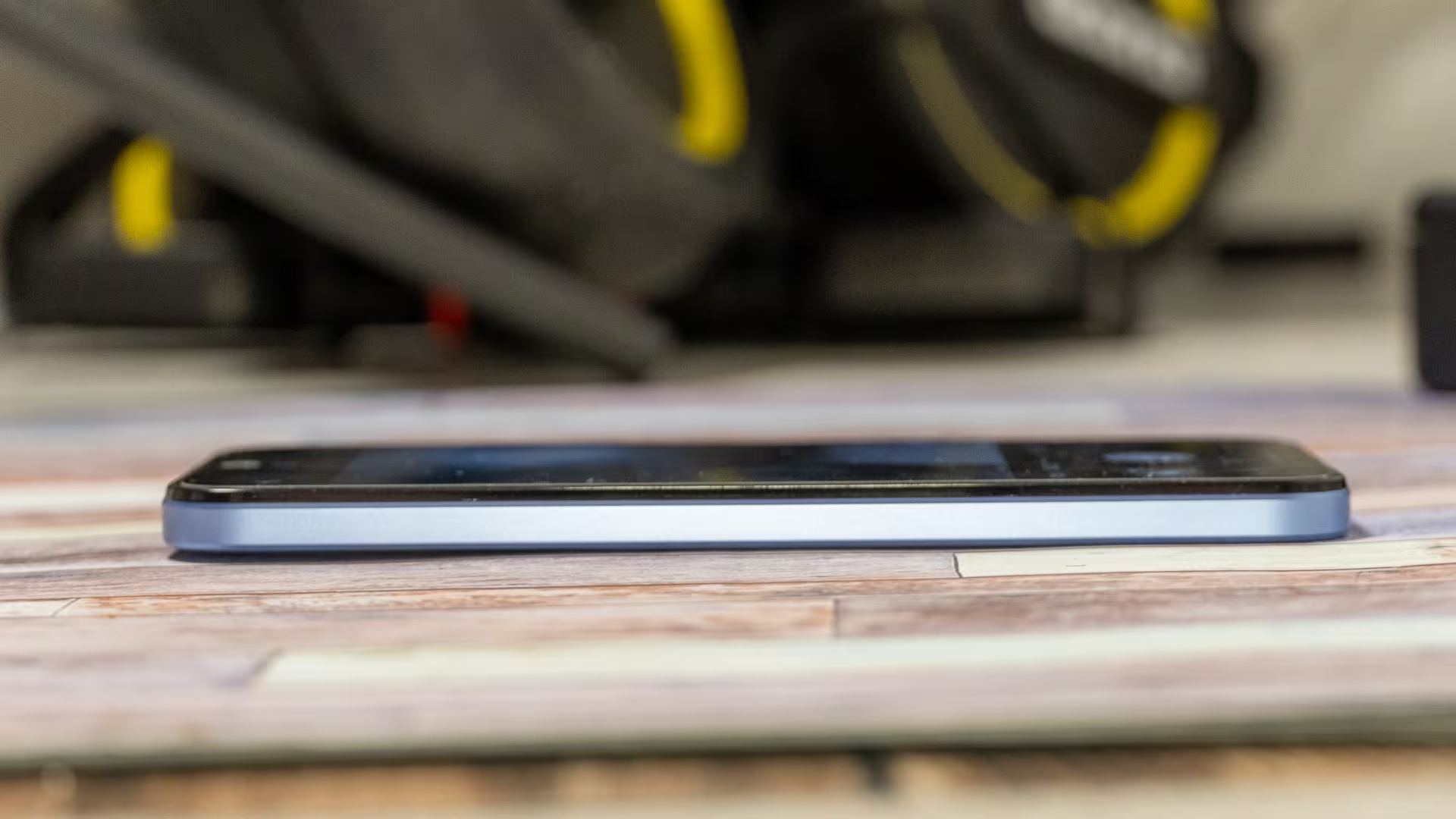
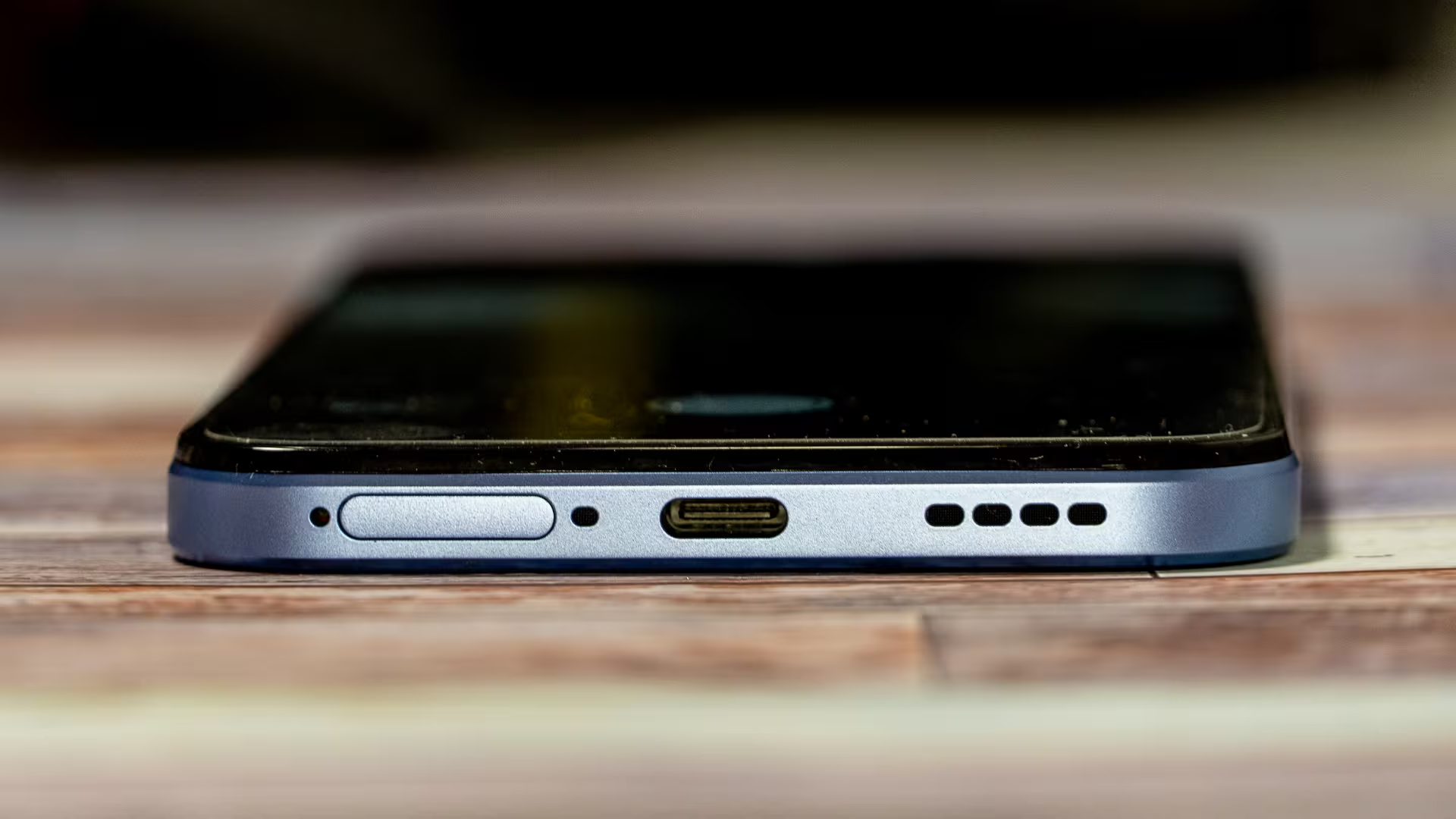
Color options in Russia include Parrot Purple, Kingfisher Blue-both with a noticeable shimmer-and a more subdued Swan Black. The front is protected by hardened glass, fingerprint scanning is instantaneous thanks to a side-mounted sensor built into the power button, and the USB Type-C port sits on the bottom edge. Realme ditched the headphone jack, which remains a drawback for wired audio fans, but in 2026 affordable wireless earbuds are ubiquitous enough to make this less of a problem. The hybrid SIM slot can hold either two nano-SIMs or one SIM plus a microSD card for storage expansion.
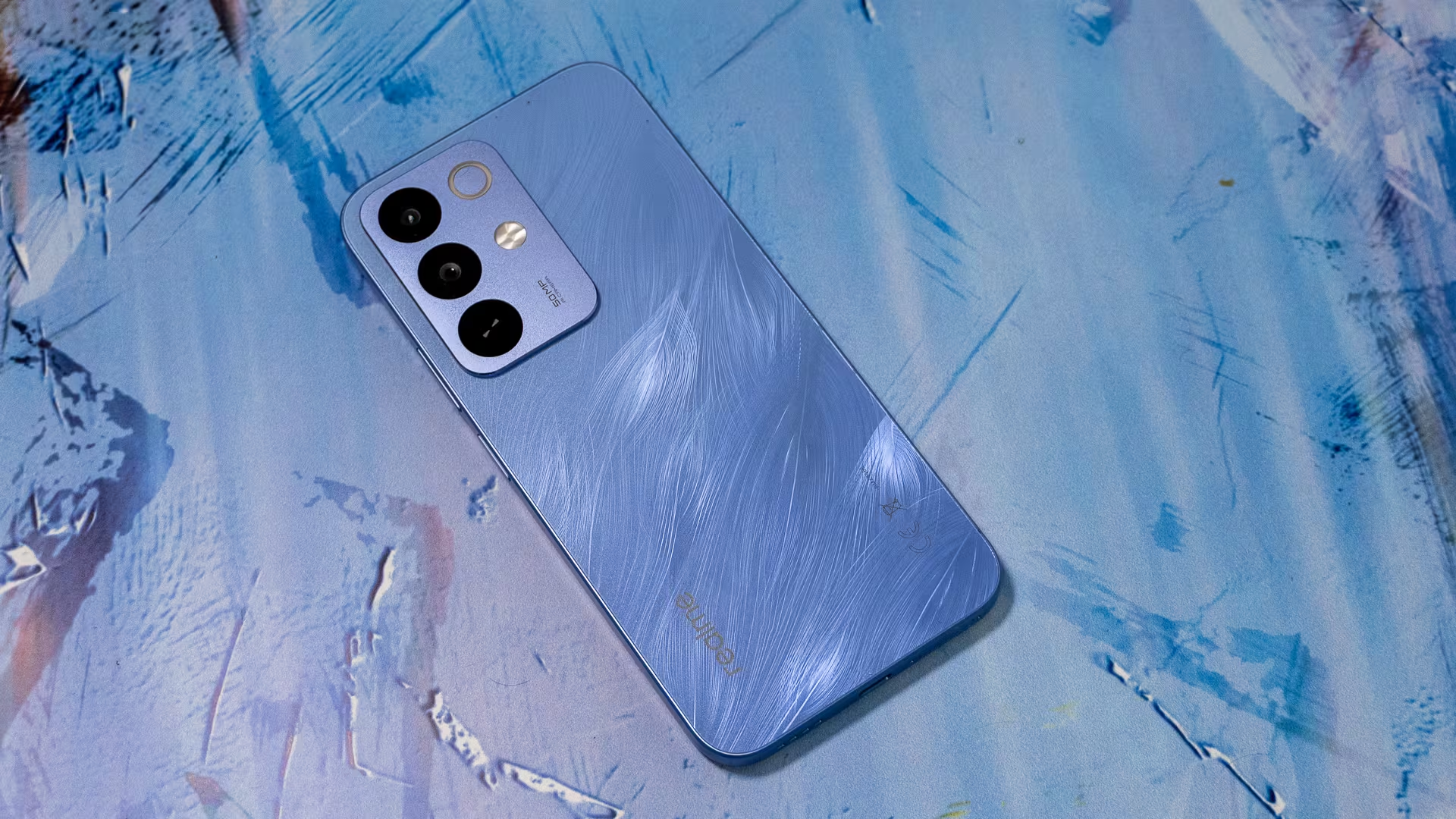
What really sets the C85 apart is its toughness. It boasts IP69K, IP69, IP68, and IP66 ratings – meaning it can withstand immersion up to six meters for 30 minutes and resist powerful jets of water. It’s also MIL-STD-810H shock-tested. Realme claims protection against 36 types of liquids, though the IP69 Pro branding seems more marketing than certification, especially given the warranty excludes damage from liquid immersion. Still, this level of water and dust resilience is rare in budget phones and should protect well against accidental drops and spills-just don’t dive with it on purpose.
Display, performance, and cameras of the Realme C85
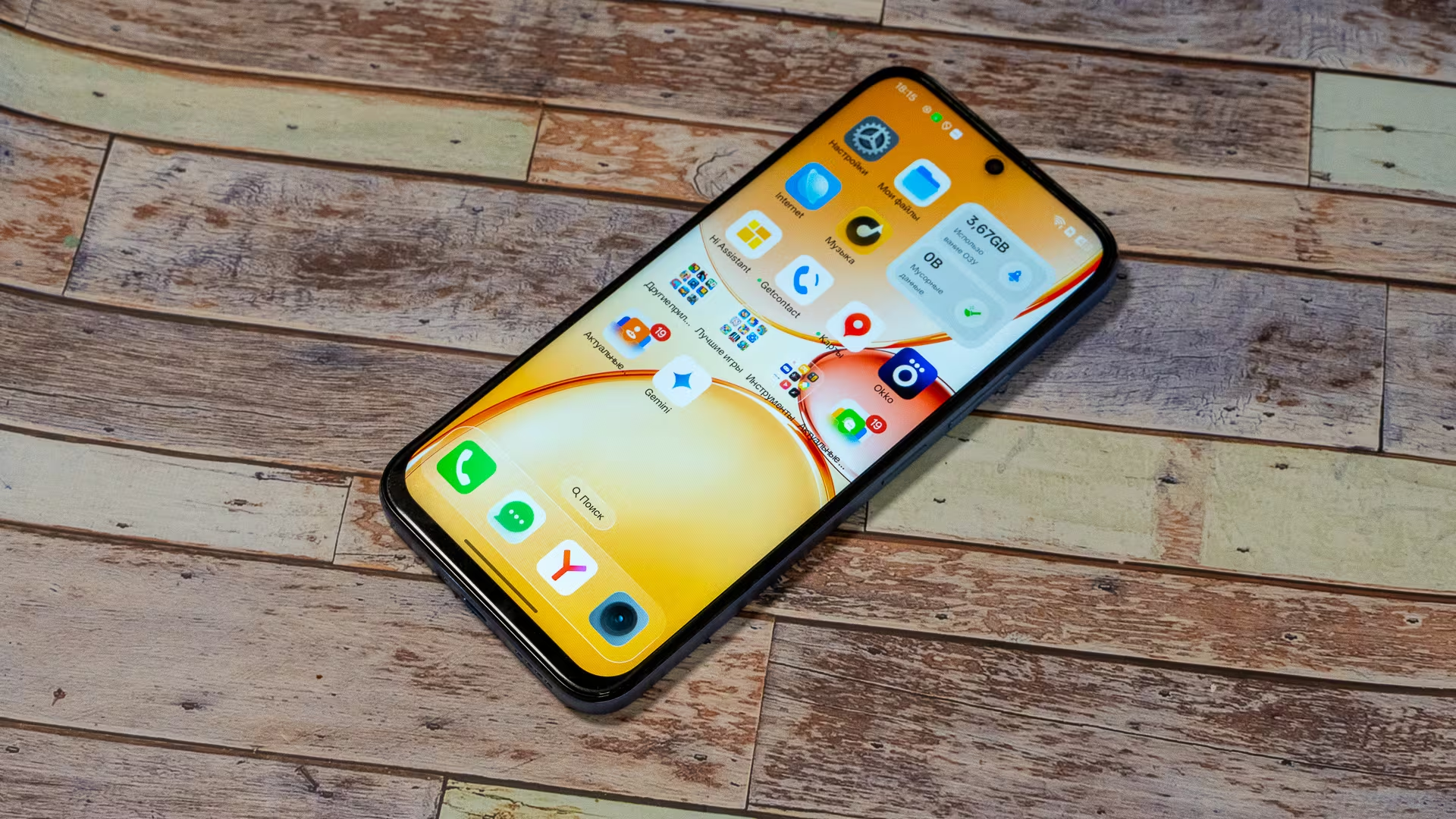
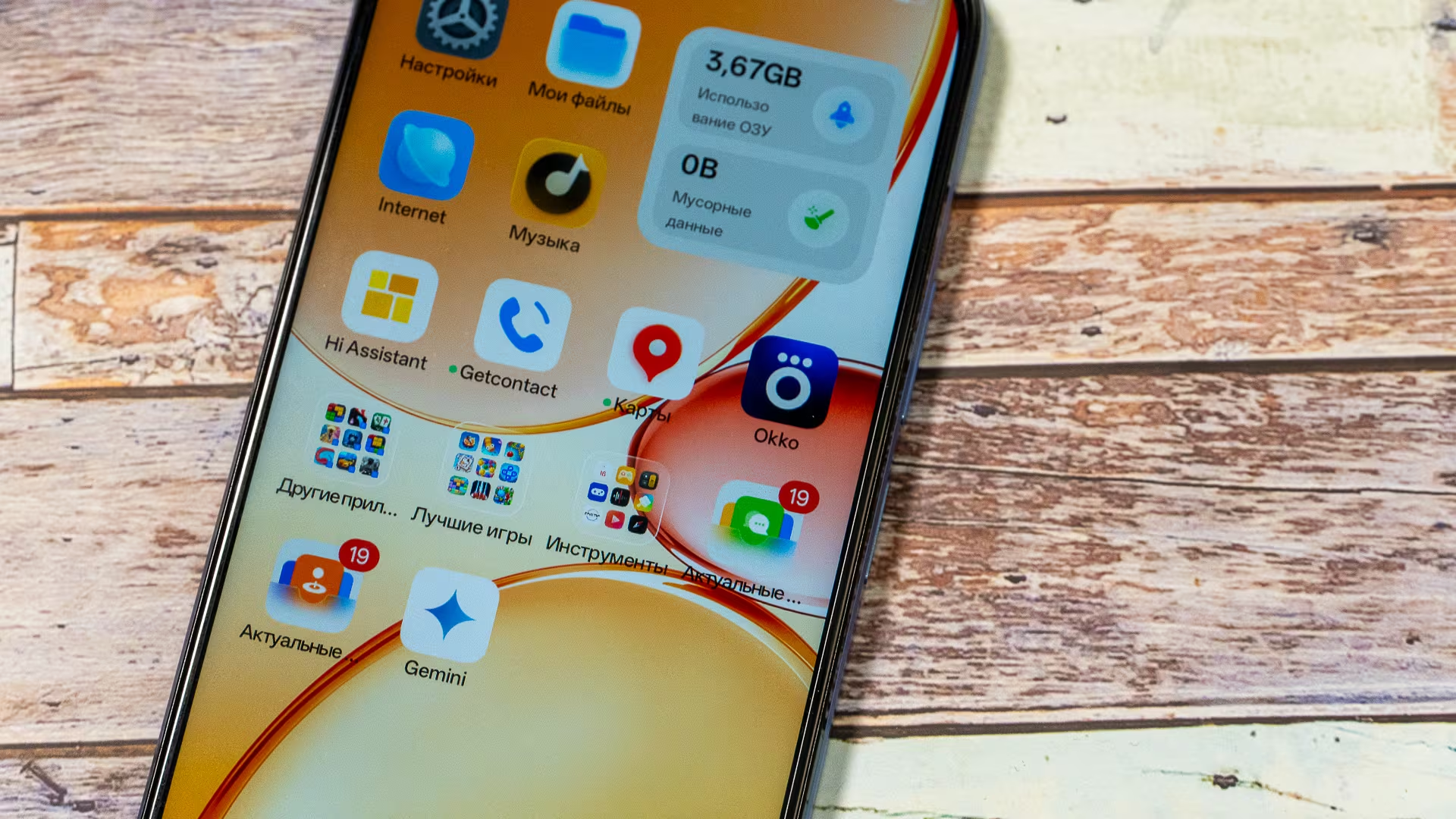
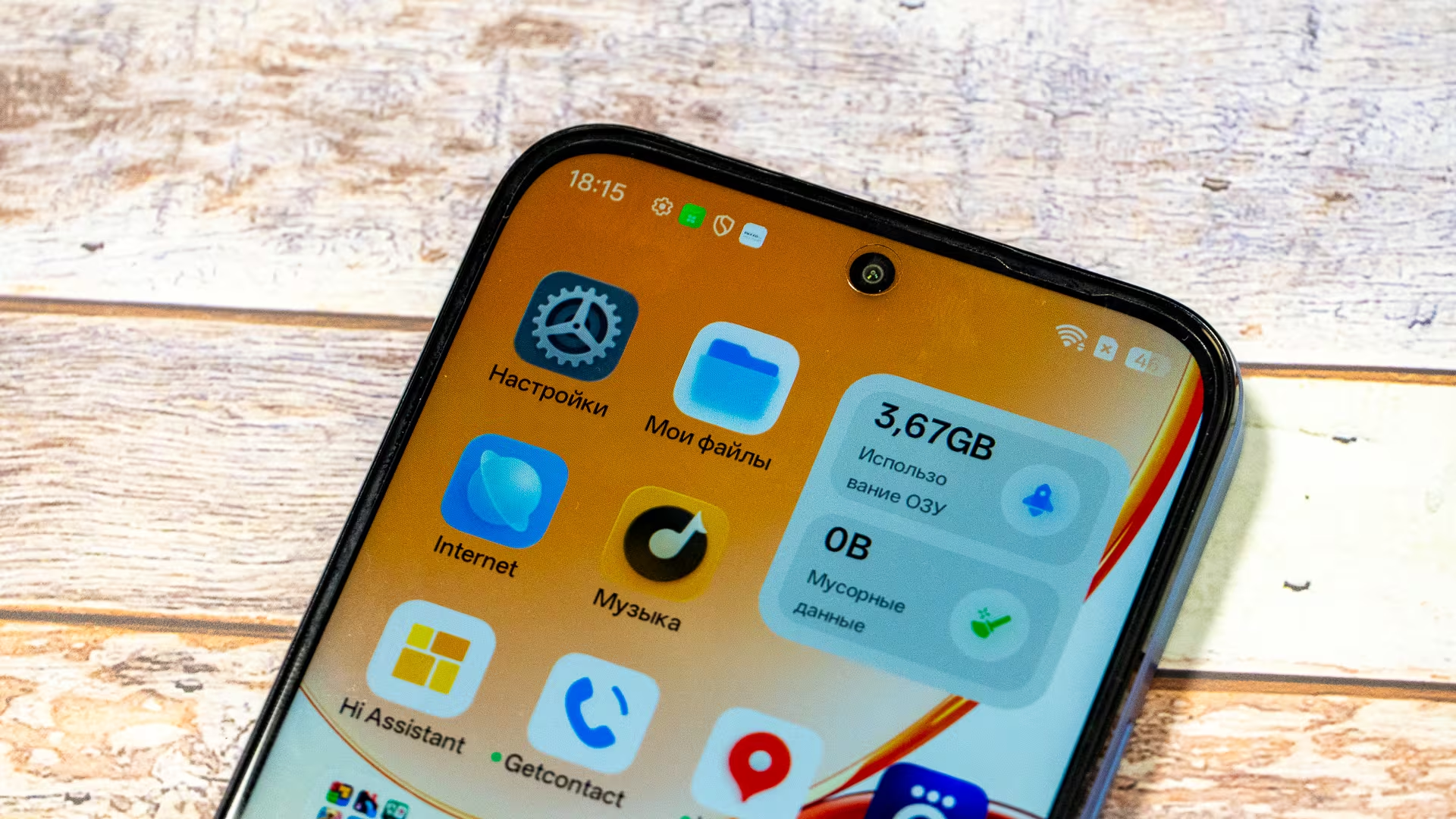
The C85’s 6.8-inch IPS LCD screen runs at HD+ resolution (1570 x 720 pixels) with a modest pixel density of 256 PPI. The refresh rate is adjustable-60, 90, 120, or 144Hz-with touch sampling up to 180Hz. Peak brightness hits 1200 nits in HBM mode, with a typical 975 nits, and the NTSC color gamut covers 83% at a 1500:1 contrast ratio. The Pro variant offers a pricier AMOLED Full HD+ panel capped at 120Hz, which looks considerably sharper and punchier. The 144Hz refresh rate on the basic HD+ panel still offers smooth scrolling and UI navigation, but text may show slight graininess on close inspection-a limitation of the budget resolution in 2026.
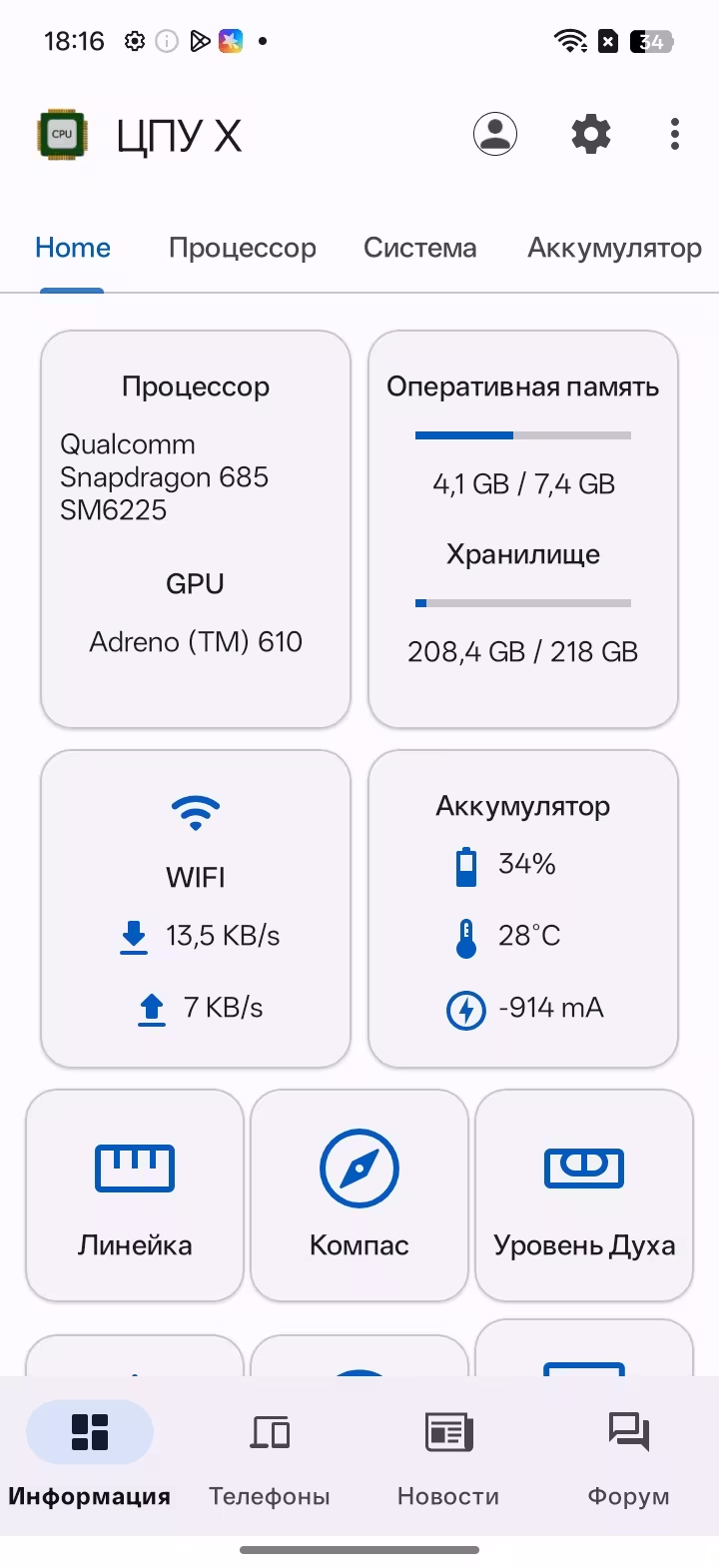
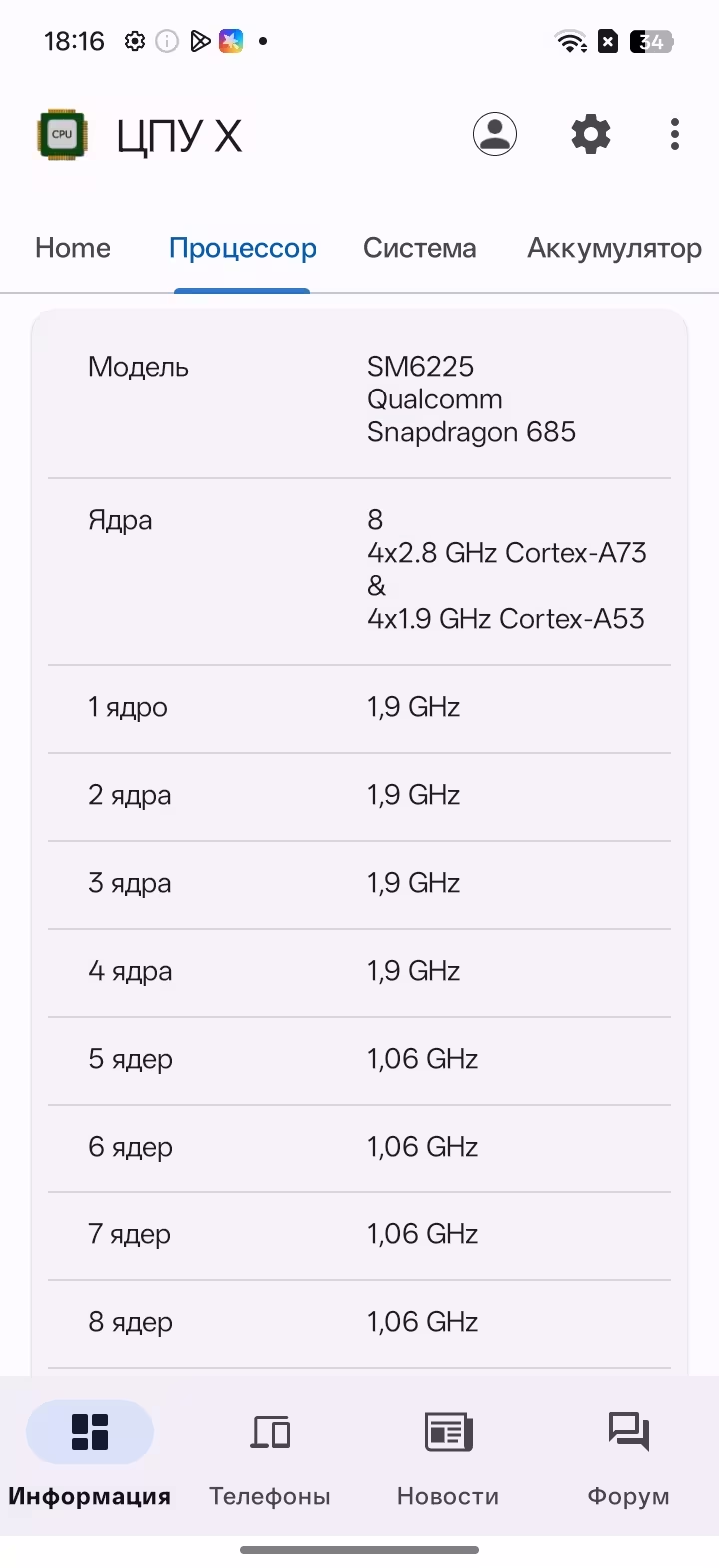
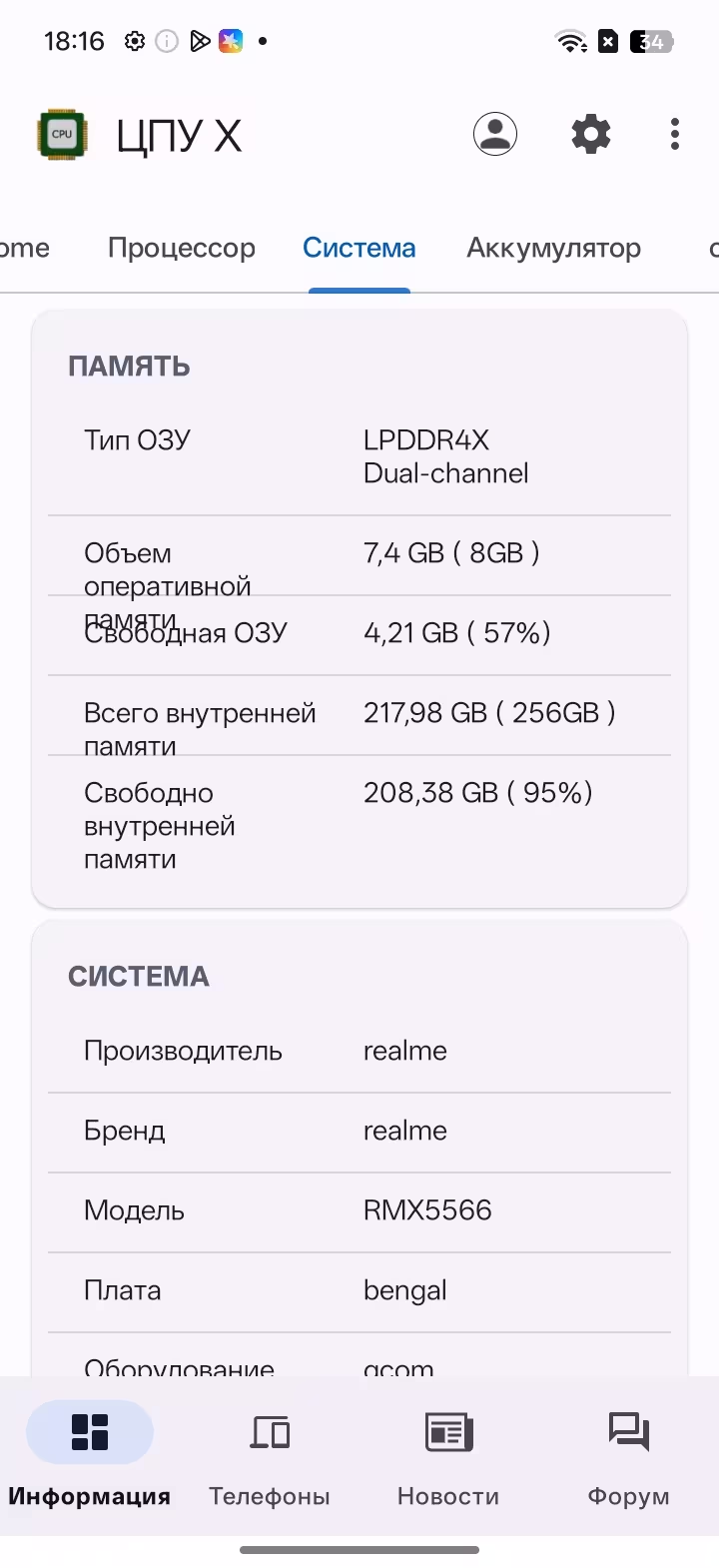
Under the hood, the Snapdragon 685 is a familiar 6nm chip with four Kryo 265 Gold cores (Cortex-A73) clocked up to 2.8GHz and four Kryo 265 Silver cores (Cortex-A53) at up to 1.9GHz. The Adreno 610 GPU runs at 1.26GHz. Benchmarks like Geekbench 6 rate it around 466 single-core and 1509 multi-core points, typical for budget phones. It handles messaging, browsing, YouTube, and video streaming with ease. Lightweight games run fine on medium settings, but heavy 3D titles at max settings are out of scope. RAM options are 6GB or 8GB LPDDR4X with virtual RAM expansion up to 24GB. Storage comes in 128GB or 256GB, expandable via microSD at the expense of the second SIM slot.
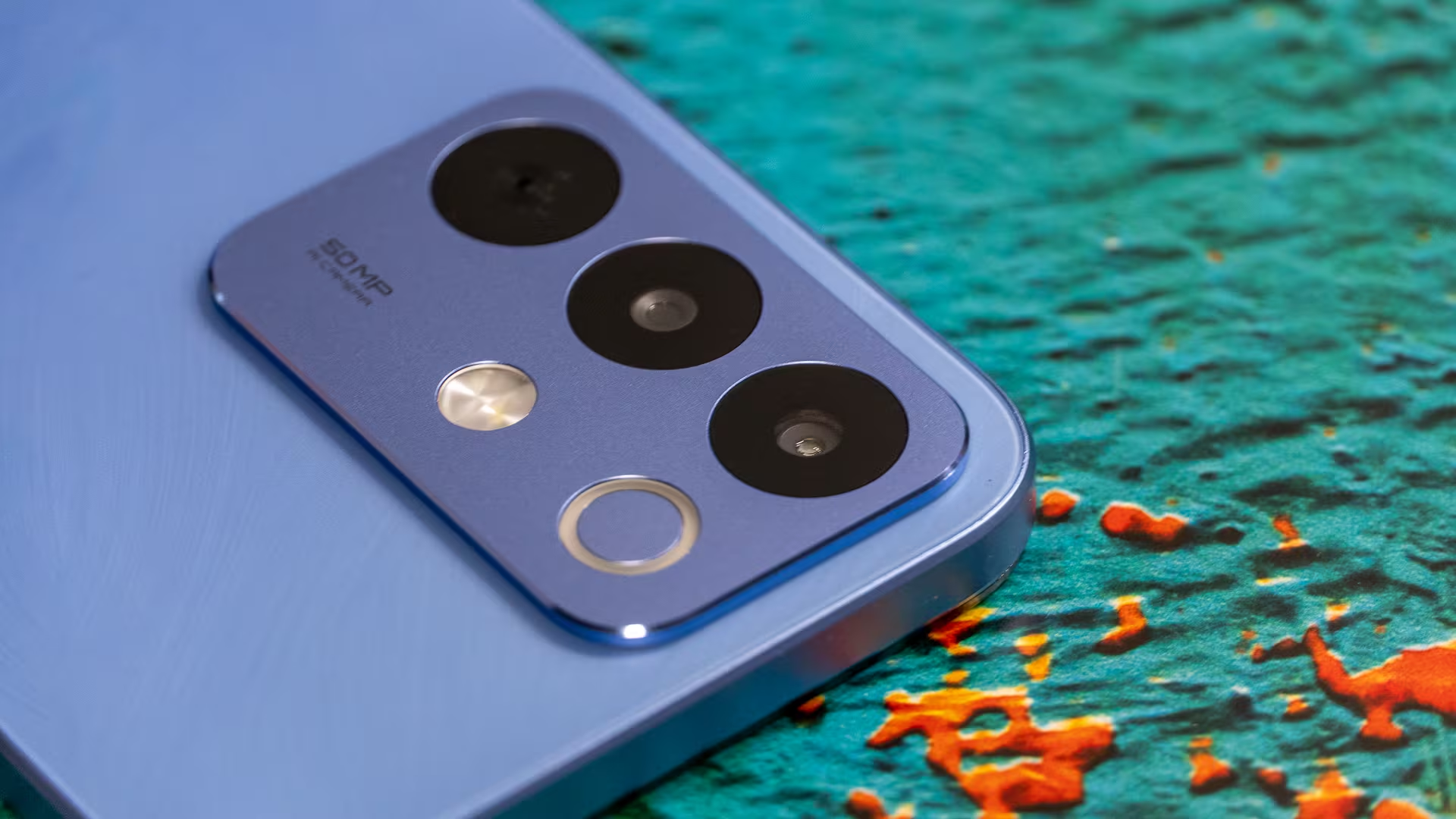
The main camera uses a single 50MP Omnivision OV50D sensor with autofocus, f/1.8 aperture, and 28mm equivalent focal length. Accompanying it are an LED flash and a flicker sensor-the latter isn’t a second shooting module. Video maxes out at 1080p 60fps, with slow-motion options at 720p 120fps. The front camera is an 8MP shooter (f/2.0, 26mm, four-lens), adequate for video calls and selfies.
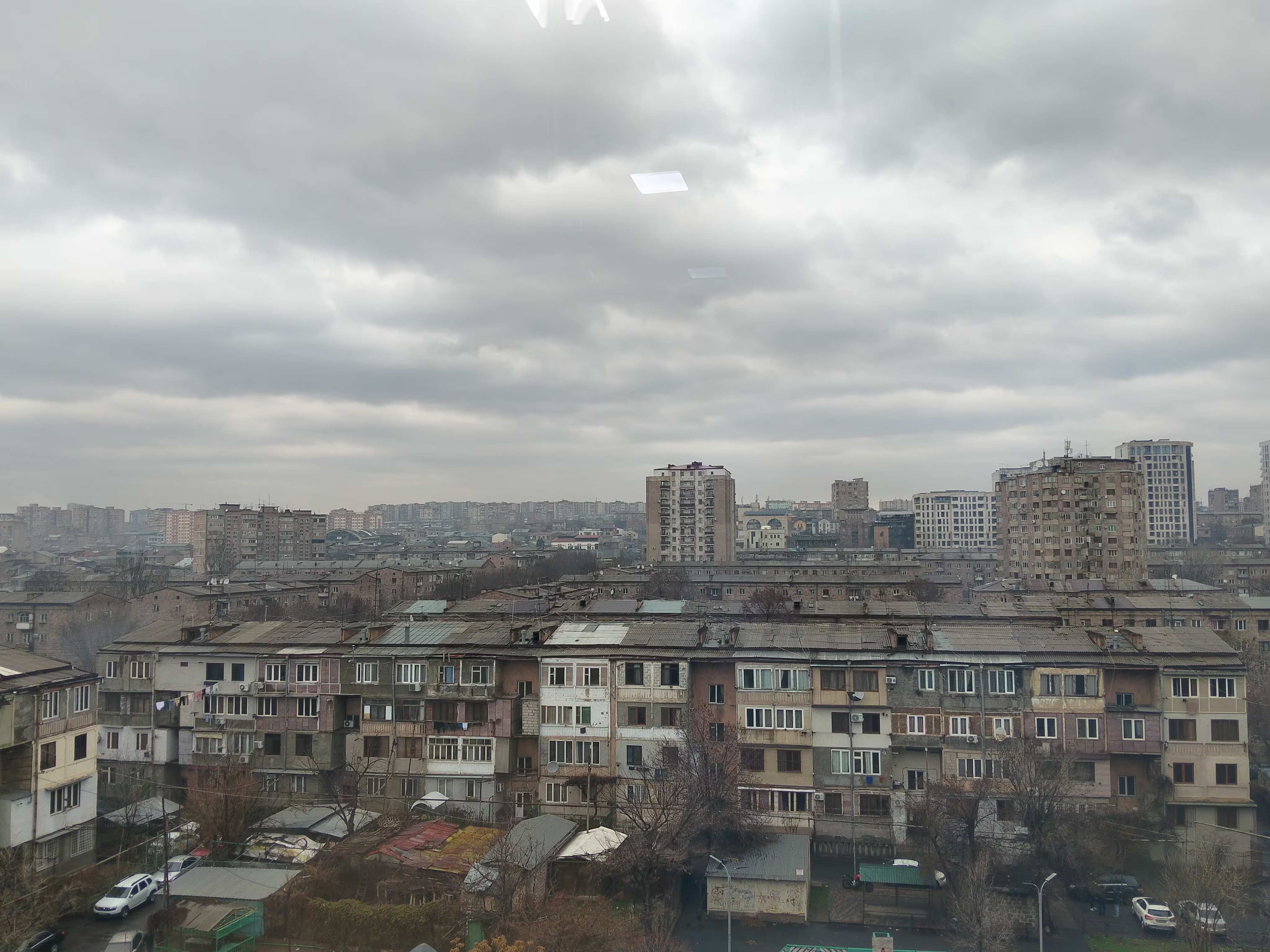
Daylight shots from the main camera have decent detail and vivid colors suitable for social media. Nighttime imaging suffers from noise and softness, unsurprisingly given the small sensor. The phone includes a night mode, along with portrait, panorama, timelapse, cinematic mode, document scanner, and AI Edit Genie for post-processing. While these features are generous for an entry-level device, only a few deliver real value. The selfie cam performs well without artificially over-smoothing faces.





Battery life and charging of the Realme C85
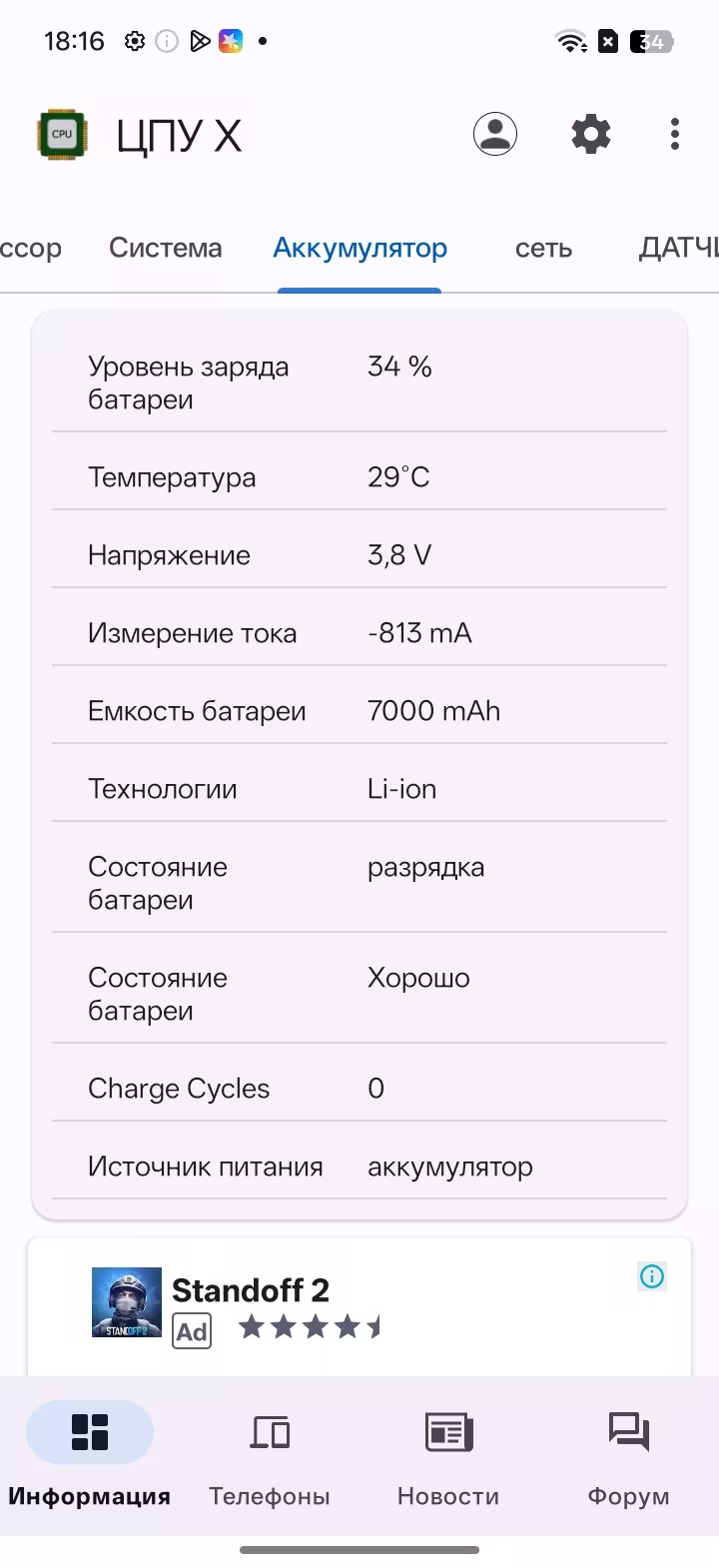
The C85’s 7000mAh silicon-carbon battery is its standout feature. Realme claims up to two days of moderate use, and in practical tests, we stretched it close to three days when in airplane mode or away from cellular coverage. Real-world daily use under standard loads reliably lasted two days.
Included is a 45W SuperVOOC charger that juices the phone from 0 to 10% in 5 minutes, 50% in about 40 minutes, and a full charge in roughly 2 hours. For such a large capacity, this is a fair charging pace. The phone also supports 10W reverse wired charging, letting you power up wireless earbuds, fitness trackers, or even a friend’s phone, effectively turning the C85 into a power bank. This makes it an excellent secondary device that won’t leave you stranded.
Connectivity and software features of the Realme C85
The Realme C85 supports 2G, 3G, and a comprehensive list of 4G LTE bands found in Russia. VoLTE and VoWiFi enhance call quality in variable network conditions. Though 5G isn’t supported, this omission is negligible since 5G coverage is minimal in Russia. The phone also offers dual-band Wi-Fi 802.11ac (Wi-Fi 5), Bluetooth 5.0, and single-band GPS navigation with GLONASS, Galileo, BeiDou, and QZSS.
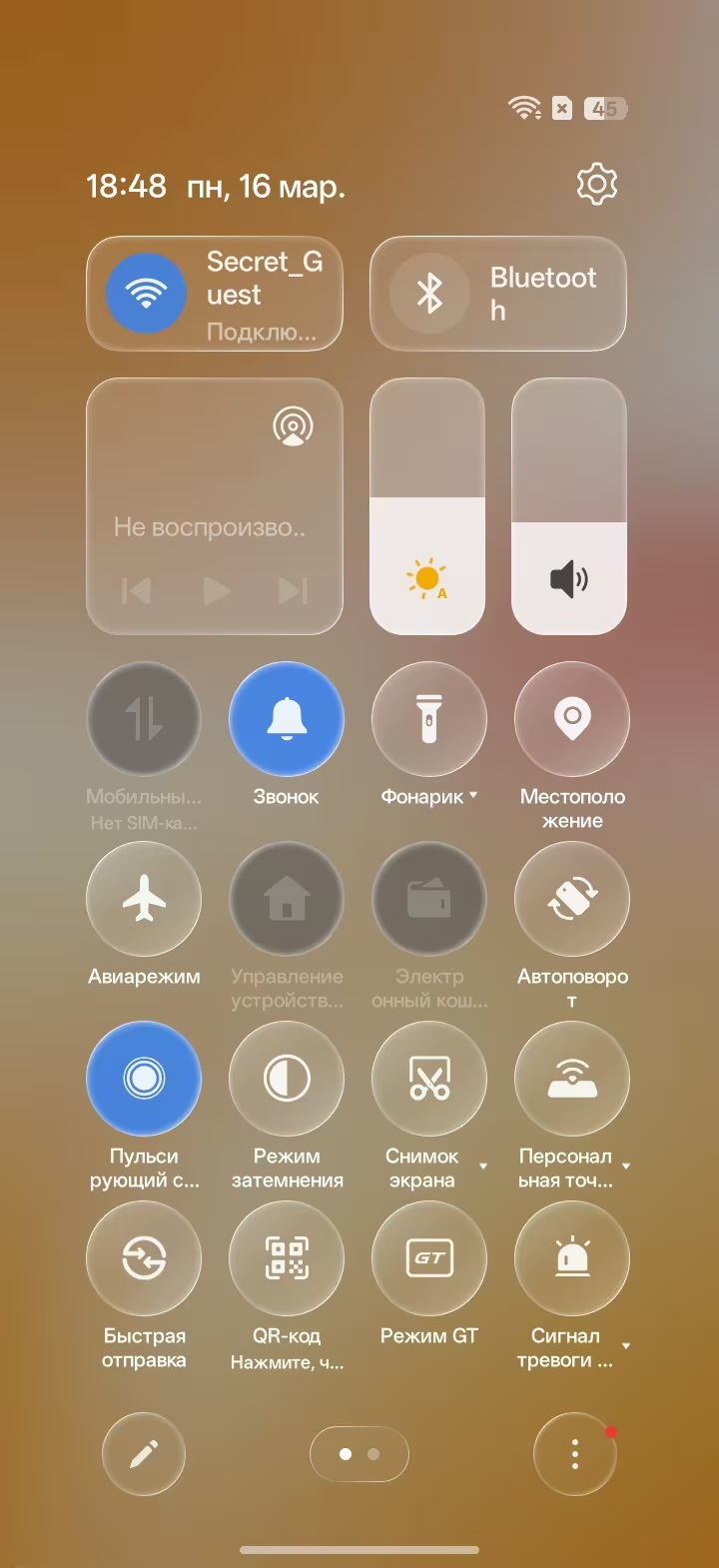
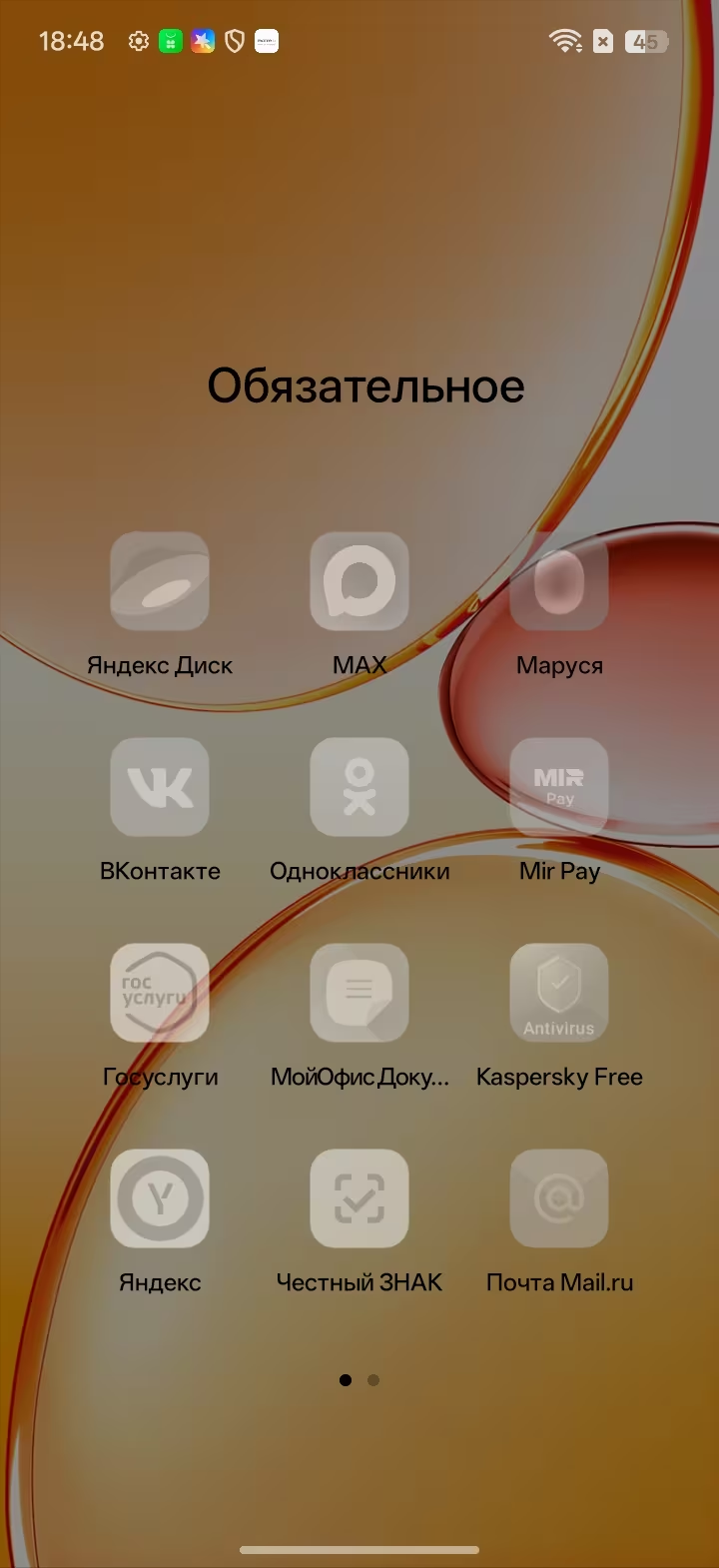
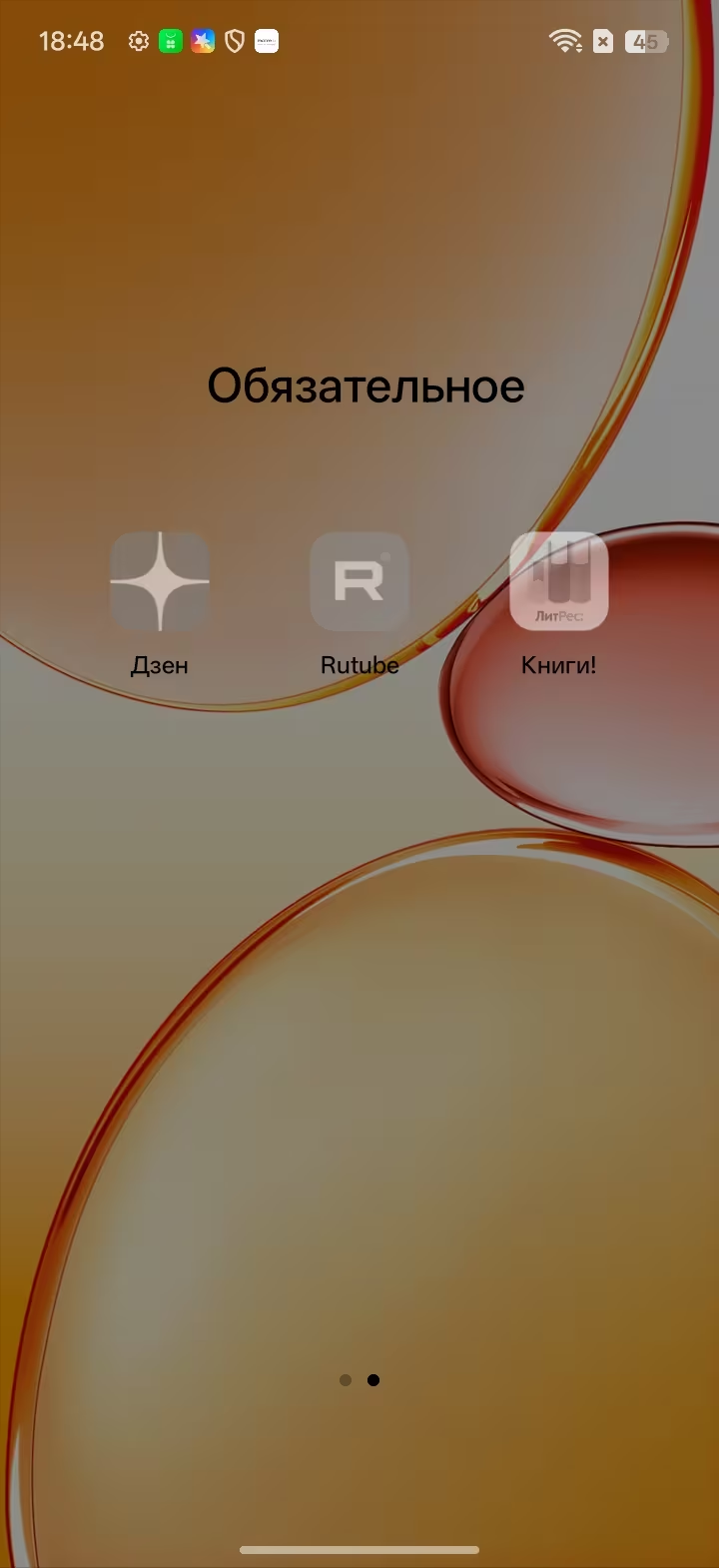
The software is Android 15 with Realme UI 6.0, featuring a slick Liquid Glass-inspired interface with customizable themes, icons, fonts, and Always-On Display. Additional perks include a smart sidebar, reading mode, advanced gestures, and an AI Outdoor mode that automatically boosts screen brightness, speaker volume, and network speed for outdoor use. Realme promises two major Android updates and three years of security patches, a solid commitment in the budget segment.
Competitors and alternatives to the Realme C85
In the 15,000 to 22,000 ruble price bracket, the Realme C85 faces stiff competition. Closest rival within Realme’s own lineup is the C85 Pro (6/128GB) at 18,999 rubles, which swaps the IPS HD+ screen for a sharper Full HD+ AMOLED panel with a 120Hz refresh rate, while sharing the same Snapdragon 685 processor, battery size, and IP69 durability. For an extra ~2,000 rubles, the vastly improved display could be worth it depending on your priorities.

Xiaomi’s Redmi Note 15 starts around 18,000 rubles (6/128GB) and offers a bigger, higher resolution screen and decent performance. Its 6000mAh battery and 33W charging are weaker than the C85’s, however.
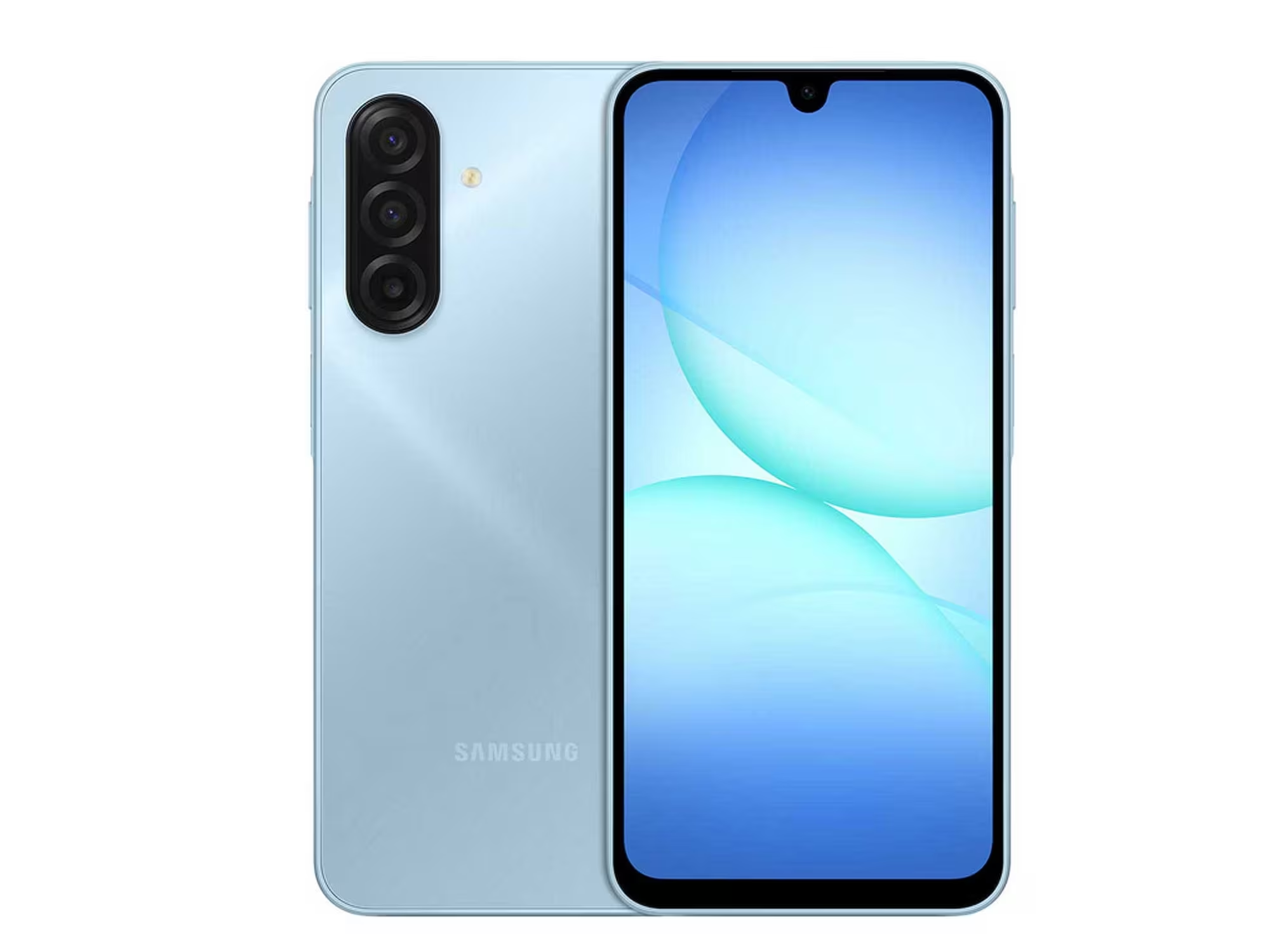
Samsung’s Galaxy A17 4G offers long software support and ecosystem perks, but its screen and charging specs lag behind the Realme C85’s punchy battery and rapid power-up speed. Ultimately, choosing between them hinges on whether you value battery life and build toughness over other factors.
Realme C85 battery and durability summary
The Realme C85 builds its entire pitch around endurance and resilience at a bargain price. It packs a 7000mAh battery with 45W charging, an IP69-rated rugged design, and a large, refresh-rate-rich screen hitting 1200 nits at peak brightness-all for around $220. The Snapdragon 685 delivers competent everyday performance, while its 50MP single camera offers acceptable daylight snaps for casual use.
The trade-offs are clear: a modest HD+ resolution on a 6.8-inch panel feels dated in 2026, especially when the C85 Pro’s Full HD+ AMOLED is just a small premium extra. The single camera setup limits photographic versatility, and low-light shooting suffers noticeably. Lack of 5G isn’t a current drawback in Russia but could impact future-proofing.
- 7000mAh battery with two-day stamina
- IP69 water and dust resistance
- Fast 45W charging plus 10W reverse wired charging
- 144Hz refresh rate panel with 1200 nits brightness
- Affordable price
- Single rear camera with weak night photos
- HD+ resolution on a large 6.8-inch display
The C85 shines as a rugged daily driver for users who prioritize battery life and water resistance above all else. With a few minor improvements-like a sharper screen and a more versatile camera-it could firmly stake its claim against budget heavyweights. As for now, it offers one of the best value propositions for durability-focused smartphones in its price range, especially in markets like Russia where 5G isn’t widespread.