

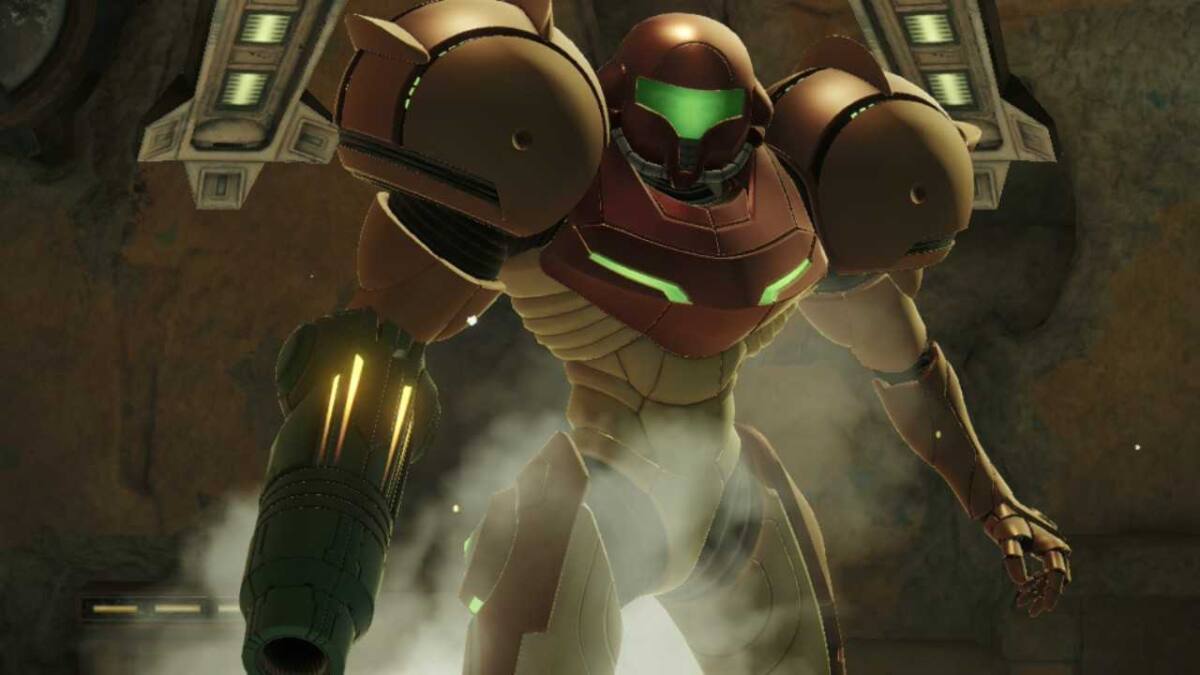
Nintendo’s new firmware update for the Switch 2 introduces a feature called ”Handheld Boost Mode,” which enhances the performance and visuals of original Switch games played in handheld mode. This mode forces these games to run as if the console were docked and connected to a TV, unlocking higher resolutions and improved graphics on the Switch 2’s sharper 1080p screen. Previously, these classic games were capped at 720p due to the original Switch’s screen limitations.
Switch 1 titles now benefit from higher fidelity thanks to this update, which essentially tricks the games into thinking they’re running on a docked Switch. Players can toggle Handheld Boost Mode on and off via the Switch 2’s system settings: under ”System,” navigate to ”Nintendo Switch Software Handling” and switch on ”Handheld Mode Boost.”
The boost’s effect varies by title, and not all games will see improvements. Nintendo cautions that some software remains unaffected and that the mode has no impact on Switch 2-native games. Interestingly, running games in this mode may disable touchscreen controls and alter the way Joy-Cons are recognized, treating them as the newer Pro Controller. It may also increase battery consumption because of the added performance requirements.

This update is notable given the Switch lineup’s history of balancing portability and graphical compromises. Before now, original Switch titles on the Switch 2 handheld had remained visually tied to the first console’s specs, limiting the potential of the newer hardware. By enabling more games to leverage the Switch 2’s sharper display in handheld mode, Nintendo improves backward compatibility without requiring a hardware recall.
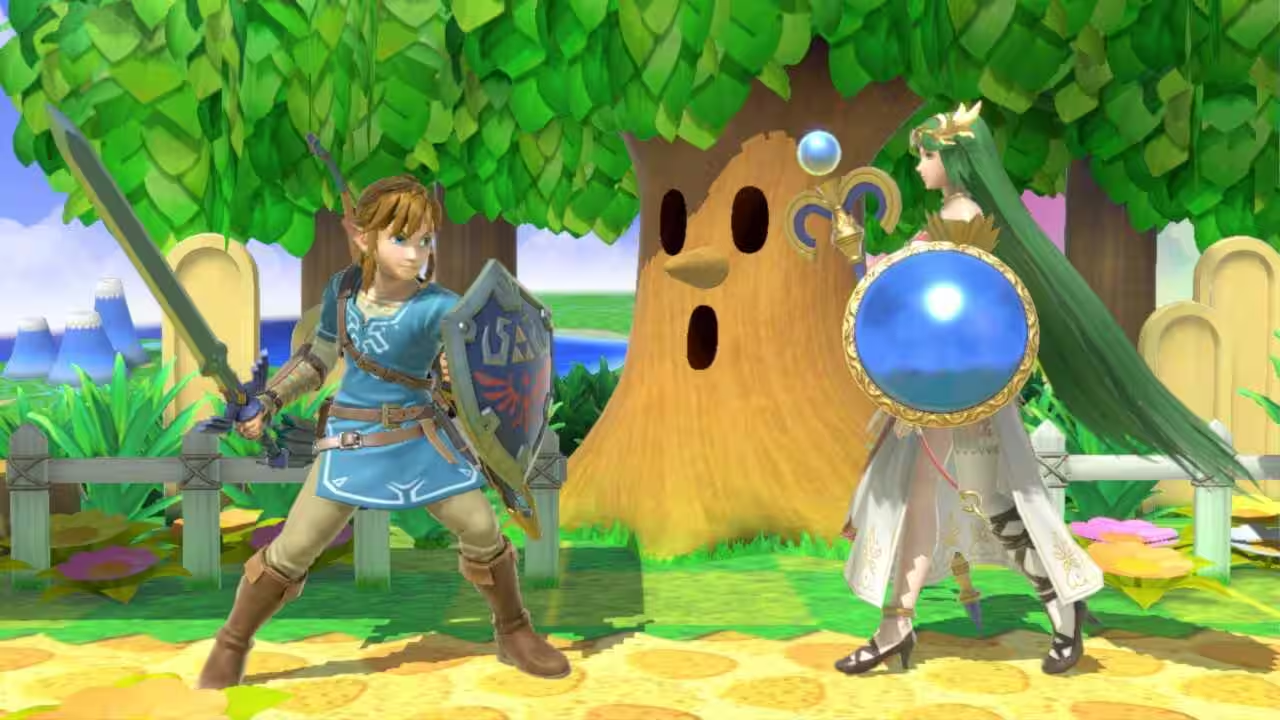
This feature arrives with the Switch 2’s system update 22.0.0 and illustrates Nintendo’s ongoing commitment to enhancing the experience of legacy games on newer hardware. While it might not replace a dedicated upgrade or remaster for beloved Switch titles, it offers tangible graphical benefits without requiring players to purchase upgraded versions.