

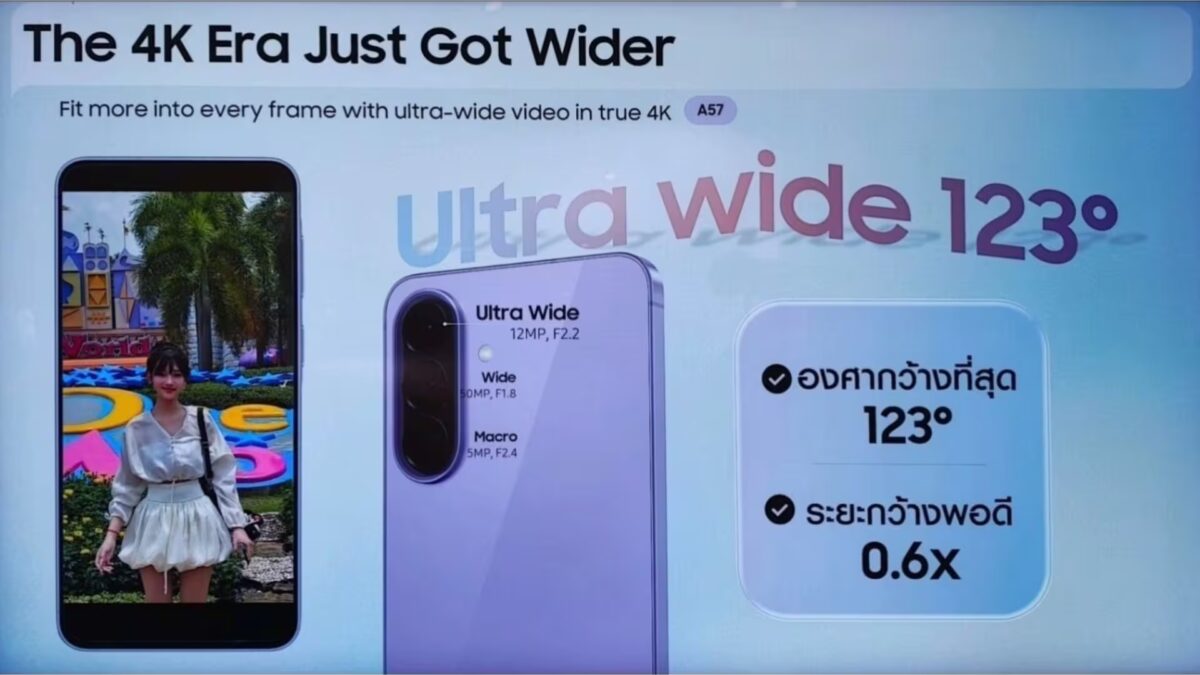
Samsung is gearing up to launch two new midrange smartphones-the Galaxy A37 and Galaxy A57-bringing upgraded cameras, advanced cooling systems, and a smarter Bixby assistant enhanced with AI from Perplexity, alongside a new Now Brief widget for quick news updates.
The Galaxy A57 stands out with a sleek metal body just 6.9 mm thick and a lightweight build at 179 grams. Its 6.7-inch OLED display offers a smooth 120 Hz refresh rate and houses an under-display fingerprint sensor. What’s rare in this price segment is its expanded vapor chamber cooling system, a feature more commonly found in premium phones to prevent overheating during heavy use.
The A57’s camera setup features a 50 MP main sensor, a 12 MP ultra-wide module capable of 4K video at 30 fps, and a 5 MP macro camera with an f/2.4 aperture. Both models sport a 12 MP front camera with Super HDR and 4K video recording at 30 fps, marking a notable upgrade over previous A-series phones to better compete against rivals in the same price range.
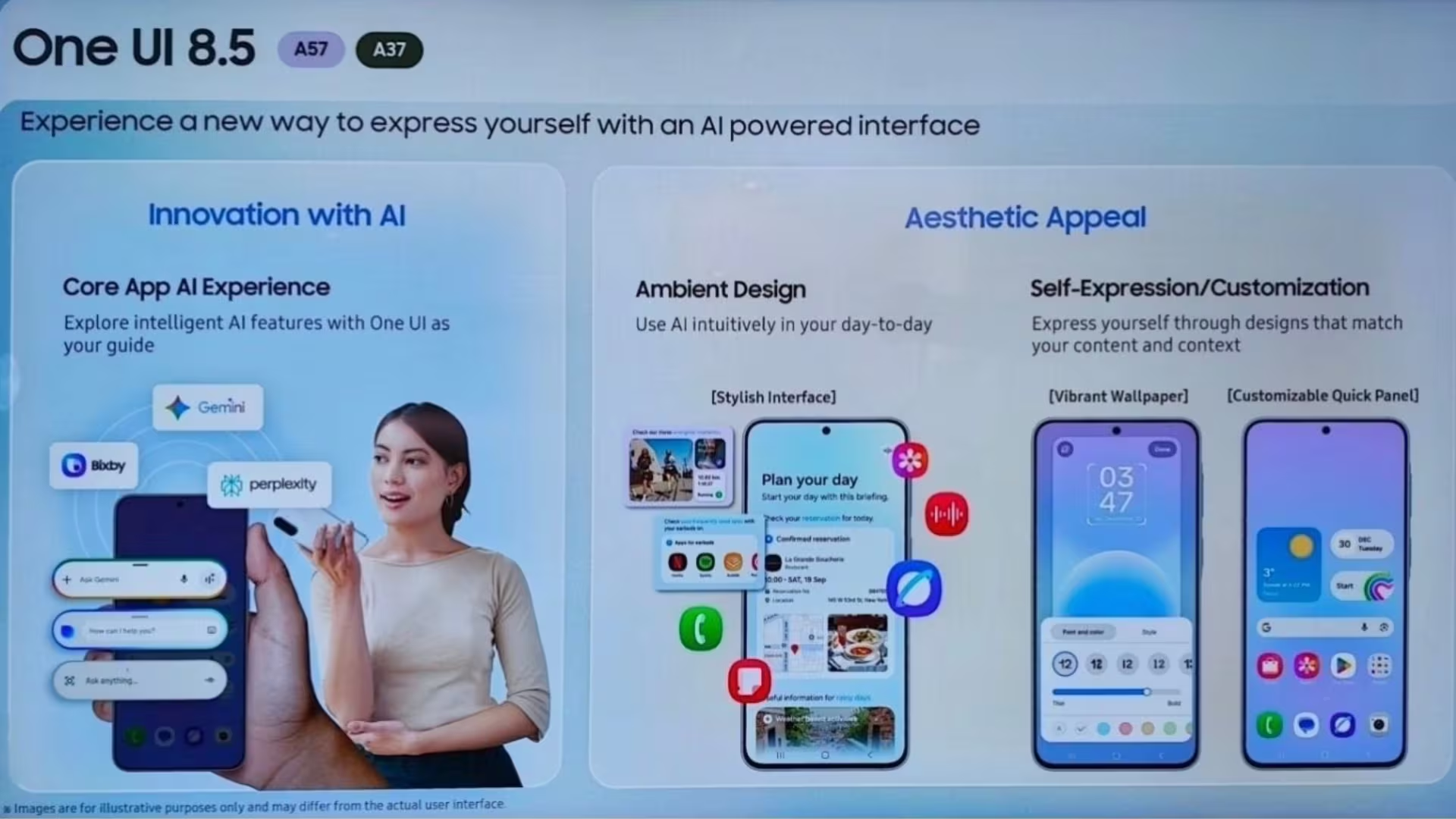
Both phones will ship with One UI 8.5 based on Android 16. The highlight is the revamped Bixby assistant integrated with Perplexity AI for smarter dialogue and better contextual understanding. Samsung also introduces the Now Brief widget-designed to deliver quick summaries of news and notifications. Additional customization options for the home and lock screens aim to boost user personalization.
Under the hood, the Galaxy A37 runs on the Exynos 1480 chipset, while the A57 features the more powerful Exynos 1680. These midrange processors balance smooth performance with efficient power usage. Both pack 5,000 mAh batteries with 45W fast charging support, complemented by the improved cooling setup to keep temperatures in check during intensive tasks. Samsung sticks with OLED screens and 120 Hz refresh rates across both devices, keeping display quality high even in budget-friendly models.
Samsung aims to reinforce its position in the crowded affordable smartphone space with the Galaxy A37 and A57. Enhanced camera capabilities, AI-powered Bixby, and a modern design target buyers wanting more than just basic functionality. With features like 120 Hz OLED displays, big batteries, and premium-style cooling, Samsung is doubling down on keeping users locked into its ecosystem while staying competitive against brands like Xiaomi and Realme that dominate this price tier internationally.
These releases suggest Samsung’s midrange strategy is blending flagship-level features into more accessible devices. The addition of AI to Bixby and fresh software widgets hints at a future where smart assistants become a bigger selling point outside of flagship lines. How consumers respond to these improvements-especially compared to Google’s Assistant and Apple’s Siri-will be an intriguing aspect to watch as these phones hit markets worldwide later this year.