

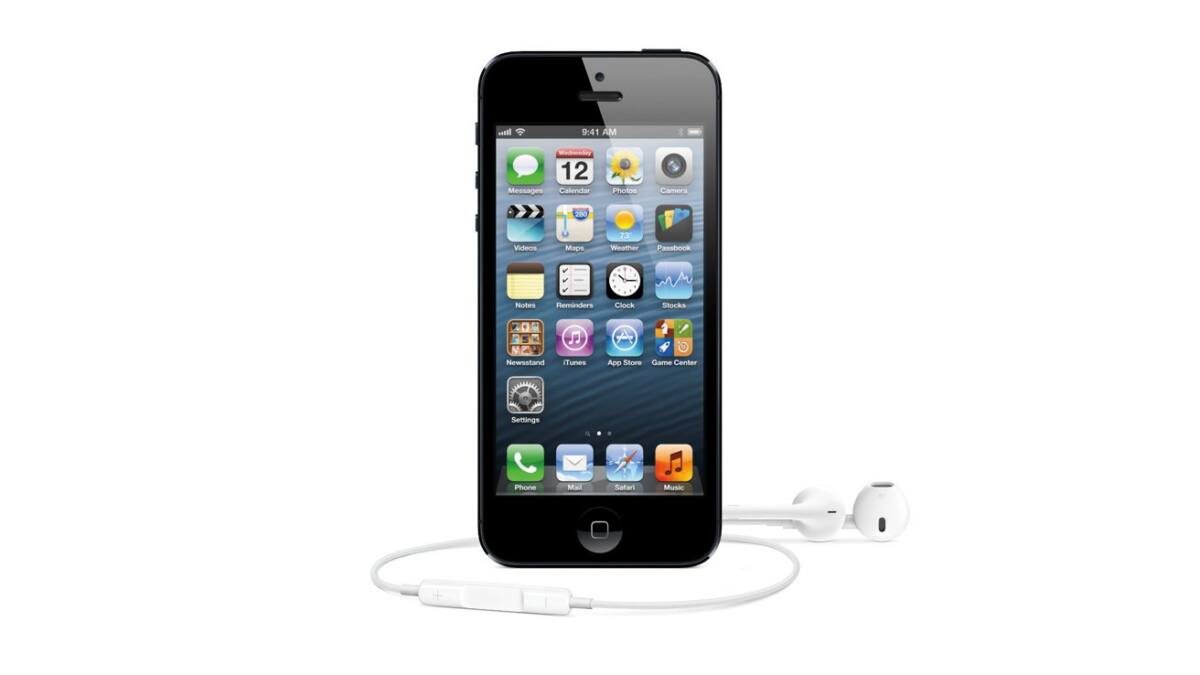
Apple has officially marked the iPhone 5 as obsolete in its updated vintage and obsolete products list, ceasing all hardware repairs and parts supply for the model across its retail and authorized service networks. Released in September 2012 and discontinued by 2013, the iPhone 5 was a milestone device that introduced the Lightning connector, replacing the older 30-pin dock, and setting a new standard for a decade of iPhone accessories. This status shift effectively closes the chapter on Apple’s support for the device after more than a decade in use.
Apple’s classification system defines vintage products as those discontinued over five years ago but still eligible for limited repairs if parts are available, and obsolete products as those discontinued for more than seven years with no hardware support. Having crossed that seven-year threshold, the iPhone 5 no longer qualifies for any official repairs. Customers experiencing hardware failures on these models will now be without official repair options or genuine replacement parts from Apple or its certified service providers, effectively ending the device’s functionality within the Apple ecosystem.
The iPhone 5 design was a major shift with its taller 4-inch screen and slim aluminum-and-glass body, as well as LTE support that broadened connectivity significantly at launch. Its introduction of the Lightning connector changed Apple’s accessory ecosystem dramatically, remaining the primary charging and data port until Apple’s transition to USB-C several years ago. The iPhone 5 also paved the way for successors like the iPhone 5s, which refined the standout features further.
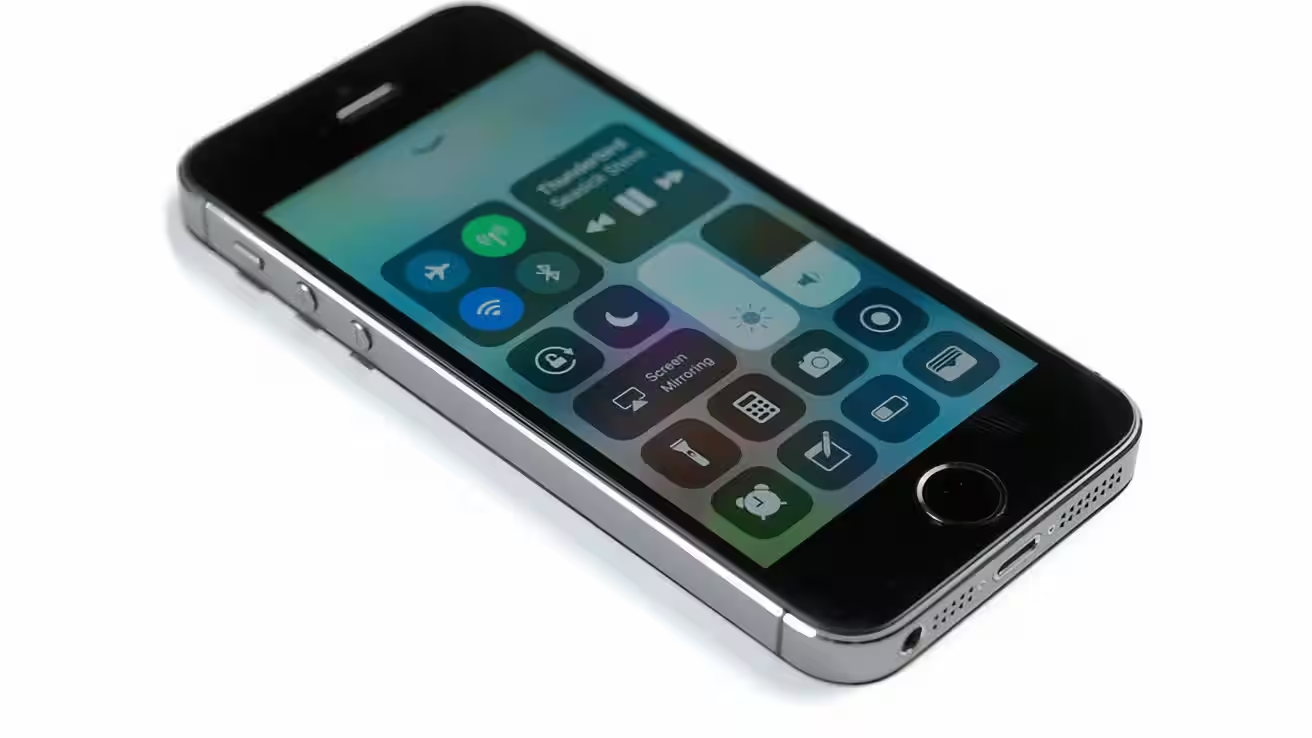
Apple’s decision to retire iPhone 5 repairs now fits its typical lifecycle strategy, balancing the cost of maintaining parts and service infrastructure against the dwindling user base and outdated hardware capabilities. The iPhone 5 cannot run current iOS versions, limiting both functionality and security, making continued support impractical. Most iPhones receive around five to six years of software updates before moving into limited repair support and eventual obsolescence – the iPhone 5 has simply reached the end of that timeline.
While the iPhone 5 is now obsolete within Apple’s official channels, third-party service providers and users may still find unofficial repair solutions, but these lack Apple’s endorsement and genuine parts. For those still holding onto this decade-old device, it might be time to consider upgrading to newer models that can handle today’s software demands and services.
Apple iPhone 5 obsolescence and repair end explained
Apple designates its products as vintage or obsolete based on the time since discontinuation and availability of repair support. Vintage products, like the iPhone 5 once was, can receive limited repairs for up to seven years after discontinuation if parts remain available. Obsolete products are those discontinued over seven years ago, receiving no hardware repairs or parts. The iPhone 5, discontinued in 2013, crossed this threshold in 2020 and is now officially obsolete.
Impact of iPhone 5 obsolescence on repair options
With the obsolete status, Apple and its authorized service providers no longer offer hardware repairs or genuine replacement parts for the iPhone 5. Users facing hardware issues must rely on unofficial repair services or third-party parts that may not meet Apple’s quality standards. This limits repair possibilities and encourages upgrade to recent iPhone models.
Significance of Lightning connector introduction on iPhone 5
The iPhone 5 introduced the Lightning connector, marking a major shift from the previous 30-pin dock connector. This change standardized Apple’s accessories for a decade until the company started transitioning to USB-C ports in newer models. The Lightning connector’s longevity underscored the iPhone 5’s impact on Apple’s design and accessory ecosystem.
iPhone 5’s place in Apple’s device lifecycle strategy
- Released: September 2012
- Discontinued: 2013
- Classified as vintage until 2020
- Declared obsolete in 2020
- Official repair support ended after seven years
- Did not receive current iOS updates, limiting functionality
Apple typically supports iPhones with software updates for around five to six years, followed by limited hardware repair support for a couple more years before declaring them obsolete. The iPhone 5’s retirement from support aligns with this established device lifecycle.