

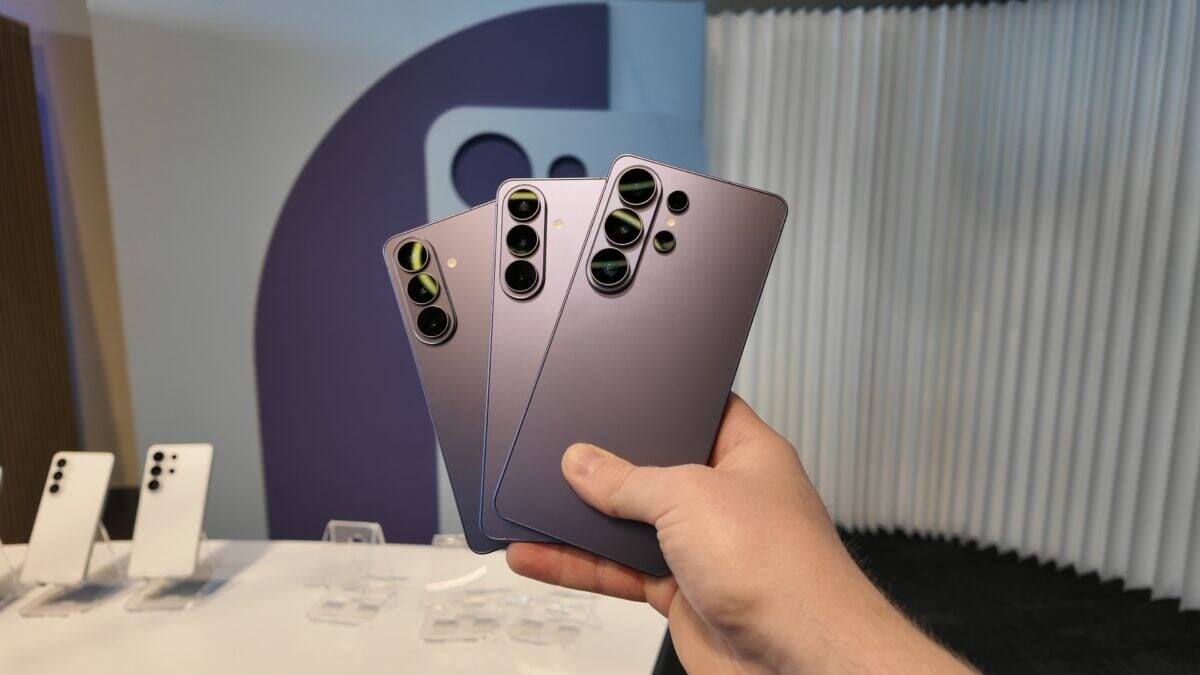
Samsung’s mobile division, known as Samsung MX, is facing a precarious financial outlook despite the early success of its Galaxy S26 series. The phones have set new pre-order records and delivered double-digit sales growth in key markets, but the surge in memory chip prices is significantly hurting profits. Samsung Electronics has now placed its mobile business, along with its home appliance and TV units, under emergency management as it confronts a potential first-ever loss for the mobile division.
Over the last year, memory chip prices have skyrocketed by roughly 850%, severely squeezing margins. Samsung MX, which earned an operating profit of KRW 12.9 trillion ($8.62 billion) in 2025, may see this fall sharply to around KRW 5 trillion ($3.34 billion) in 2026. The profit margin is predicted to slip from 11% to just 3%, with insiders warning that even breaking even might be out of reach this year.
This financial pressure is not unique to Samsung. Competitors such as Honor, OPPO, Vivo, and Xiaomi are also facing similar challenges due to rising component costs. Alongside mobile, Samsung’s Digital Appliances and Visual Display divisions are experiencing losses and are forecasted to record a combined deficit nearing KRW 200 billion ($133 million) in 2026, reflecting ongoing financial strain from the previous year.
In response, Samsung has mandated a 30% cut in expenses across all its segments. The company is streamlining costs through employee redeployments and encouraging senior staff to accept early retirement. Strict new travel policies have been introduced-for example, executives below vice president level must now fly economy on flights under 10 hours instead of business class-signaling a broad tightening of budgets.
Samsung’s efforts to maintain profits amid soaring chip prices highlight the fragility of smartphone margins, even for industry giants. The Galaxy S26’s strong market entry is not enough to offset supply-chain cost shocks, demonstrating how semiconductor prices remain a critical vulnerability. With global tech suppliers facing similar inflationary headwinds, this cycle may signal more cautious growth and aggressive cost controls across the sector.